What Are the Best Floor Stand Displays from China?

Time:2026-10-17 Author:Isabella
0%

Choosing the best Floor Stand Displays from China requires more than comparing catalog photos and low prices. The right choice depends on stability, finish quality, usability, and supplier reliability. In real projects, a display may stand in a busy retail aisle, trade show, pharmacy, or reception area. Its base must resist tipping when customers touch the shelves. Its frame should remain straight after shipping and repeated assembly.

Materials matter. Powder-coated steel offers strength and consistent color, while aluminum can reduce overall weight. Clear acrylic panels improve visibility but may scratch without careful packaging. Ask for exact dimensions, material thickness, load capacity, and surface treatment. Request a production sample before placing a large order. Small details often reveal larger problems. Uneven welds, rough edges, loose screws, and weak printed graphics should not be ignored.

A dependable Chinese manufacturer should explain its quality-control process clearly. Factory images help, but independent inspection or a documented sampling plan provides stronger evidence. Confirm packaging design, replacement-part support, production timelines, and communication procedures. Any claimed certification should be verified against the actual product and applicable market requirements. A low quotation may exclude tooling, reinforced cartons, testing, or shipping protection.

No ranking is perfect. The “best” display changes with location, budget, product weight, and campaign duration. A lightweight unit may suit a temporary promotion but fail in a crowded store. Careful comparison creates better results than attractive promises. This guide examines practical options from China and the evidence buyers should request before making a confident decision.
What Are the Best Floor Stand Displays from China?

Types of Floor Stand Displays Manufactured in China

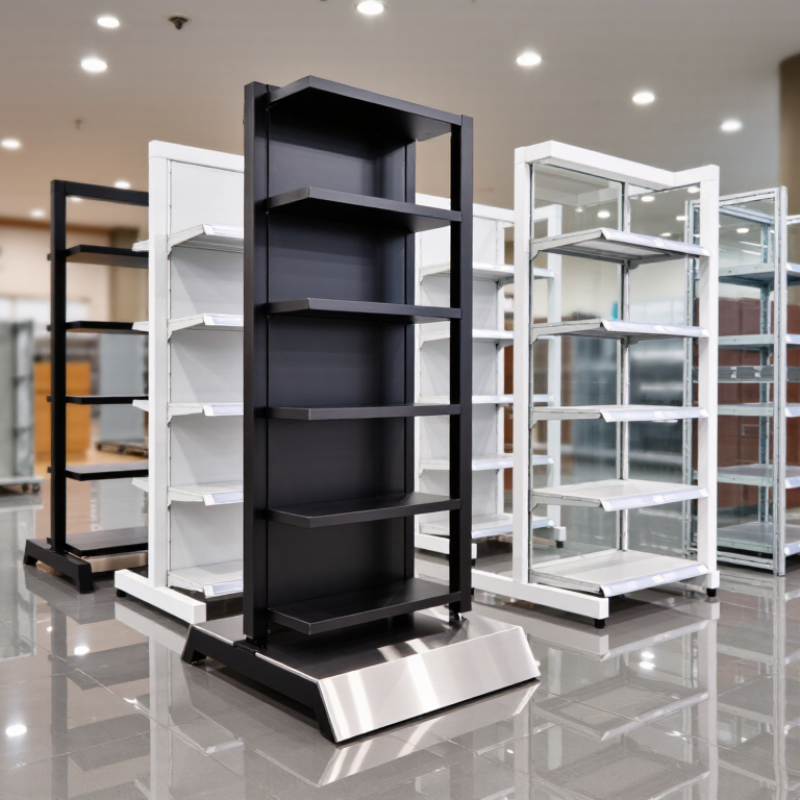
China manufactures several floor stand display types for retail, exhibitions, and temporary promotions. Corrugated cardboard stands suit short campaigns and lightweight products. Metal gondolas provide stronger shelving for supermarkets and hardware stores. Acrylic towers offer clear product visibility, while wooden displays create a warmer appearance in specialty shops. Modular stands combine steel frames, printed panels, hooks, and adjustable shelves.

The choice should follow product weight, assembly frequency, and store traffic. A 2024 report from Grand View Research valued the global retail display market at over USD 70 billion, reflecting steady demand for structured in-store presentation. China’s manufacturing advantage comes from integrated cutting, printing, welding, and packaging facilities. I have found that small details matter: reinforced carton corners, hidden cable routes, and level-adjustable feet can prevent expensive installation problems. They are easy to overlook.

Digital and interactive floor displays are also expanding. According to MarketsandMarkets, the global digital signage market is projected to grow strongly through 2028, encouraging more stands with screens and media players. However, technology adds heat, wiring, maintenance, and replacement costs. The best Chinese suppliers provide drawings, load testing, material samples, and trial assemblies before mass production. Buyers should request these records, not rely only on polished product photographs. A display may look impressive but still wobble on uneven flooring. That weakness deserves honest review.

Key Criteria for Evaluating Display Quality and Performance

What Are the Best Floor Stand Displays from China?

Choosing a floor stand display requires more than checking its appearance. Start with structural quality. Inspect the steel or aluminum frame for even welds, clean edges, and stable joints. A well-designed base should resist tipping when customers touch the display. Test it on a hard floor and a slightly uneven surface. Small movement can become a serious problem in busy retail spaces.

Material finish also reveals manufacturing discipline. Powder coating should look uniform, without bubbles, thin patches, or sharp exposed areas. Ask for coating specifications and sample photos taken under natural light. Acrylic shelves should be clear, smooth, and free from visible stress marks. Check load capacity with the intended products, not empty cartons.

This matters.

Performance depends on usability. Measure the display footprint, shelf spacing, sign visibility, and assembly time. Screws should align easily, while replacement parts should remain available. Packaging deserves equal attention. A strong stand can arrive damaged if corners lack protection. Request drop-test records, inspection reports, and production samples before placing a large order. Factory claims are useful, but physical verification is stronger.

In practical evaluations, I would also compare several samples from different production batches. Color variation sometimes appears later. No sample tells the whole story. A minor design flaw may only appear after repeated assembly. That is why clear drawings, tolerances, material declarations, and documented quality checks support a more reliable purchasing decision.

Materials, Design Options, and Customization Capabilities

Choosing the best floor stand display from China starts with materials, not appearance alone. Steel frames provide strong support for heavy products and repeated retail use. Aluminum offers a lighter structure with a clean, modern profile. Acrylic shelves improve visibility, while MDF supports economical printed panels and storage sections. Corrugated board can reduce shipping weight, although it may not suit humid environments. During display evaluations, I check weld points, sharp edges, coating consistency, and base stability.

Design options should match the product and the shopping environment. A rotating tower suits small packaged goods. Adjustable shelves handle different product heights. Hooks, baskets, wheels, and header panels add practical flexibility. Integrated lighting can improve attention, but poor wiring placement may complicate maintenance. Small details matter. A stable base matters more.

Customization usually covers dimensions, colors, graphics, logos, shelf spacing, and packaging. Suppliers can often produce a prototype before larger production. Requesting a physical sample helps reveal weak joints, inaccurate colors, or difficult assembly. Load testing is essential when products sit above eye level. I have seen attractive renders hide narrow bases and fragile connectors. That remains a useful warning. A customized display should also fit through doors, elevators, and storage areas. The best specification is not always the most complicated one.

What Are the Best Floor Stand Displays from China? - Materials, Design Options, and Customization Capabilities

Display Type Common Materials Typical Size Range Best Use Cases Design Options Customization Capabilities Durability & Portability Relative Cost
Metal Grid Floor Stand Powder-coated steel wire, steel tube frame, ABS or PP feet Height: 1,200–1,800 mm
Width: 400–800 mm
Packaged goods, accessories, stationery, small retail products Adjustable hooks, shelves, baskets, header panels, rotating sections Custom color, hook spacing, shelf quantity, logo header, printed graphics and carton packaging High structural strength; usually flat-packable and easy to ship Low to medium
Acrylic Floor Display Clear or colored acrylic sheet, steel base, aluminum supports Height: 900–1,800 mm
Width: 300–700 mm
Cosmetics, electronics accessories, premium retail products and promotional displays Clear shelves, pockets, risers, tiered trays and illuminated panels Custom thickness, color, laser engraving, UV printing, edge polishing, shelf layout and lighting Clean appearance and moderate weight; acrylic edges require protective packaging Medium
Wooden Floor Display MDF, plywood, particleboard, solid wood accents, laminate or veneer Height: 1,000–2,000 mm
Width: 400–1,000 mm
Food, beverages, household goods, cosmetics and lifestyle products Slatwall, pegboard, shelves, cabinets, drawers, bins and header signs Custom dimensions, laminate color, veneer, CNC-cut panels, printed graphics, shelf load rating and knock-down construction Stable and visually substantial; heavier than wire or acrylic units Medium to high
Corrugated Cardboard Stand Single-wall or double-wall corrugated board, coated paper, optional metal reinforcement Height: 1,000–1,800 mm
Width: 300–800 mm
Short-term campaigns, seasonal promotions, sampling and lightweight products Dump bins, shelves, hooks, pockets, tear-off sections and header cards Full-color offset or flexographic printing, custom die-cutting, structure, coating and flat-pack packaging Very lightweight and economical; best for dry indoor environments and limited campaign periods Low
Rotating Tower Display Steel or aluminum frame, MDF or acrylic panels, ball-bearing turntable Height: 1,400–2,000 mm
Base diameter: 350–650 mm
Small packaged products, eyewear, accessories, gifts and impulse purchases Four-sided shelving, hooks, pocket panels, locking sections and illuminated headers Custom rotation mechanism, panel material, number of sides, shelf pitch, graphics and base finish Efficient use of floor space; rotation hardware should be tested for load and stability Medium
Modular Slatwall Stand MDF or plywood panels, aluminum or steel frame, PVC or ABS edge trim Height: 1,200–2,000 mm
Width: 500–1,200 mm
Retail stores, showrooms, tools, apparel accessories and mixed product assortments Interchangeable shelves, hooks, baskets, sign holders and display trays Custom panel spacing, frame color, accessories, graphics, locking casters and knock-down structure Highly flexible and reusable; weight depends on panel and base construction Medium to high
LED Lightbox Floor Stand Aluminum extrusion, SEG fabric or acrylic graphic panel, LED modules, steel base Height: 1,800–2,400 mm
Width: 600–1,200 mm
Trade shows, retail entrances, product launches and visual advertising Single-sided or double-sided lightbox, fabric graphics, shelves and brochure pockets Custom frame dimensions, color temperature, graphic size, power specification, brightness and replaceable fabric skins Strong visual impact; requires safe cable management and a stable weighted base Medium to high
Metal Shelving Display Powder-coated steel, stainless steel accents, wire shelves and adjustable brackets Height: 1,200–2,100 mm
Width: 500–1,200 mm
Hardware, home improvement, packaged goods and high-volume retail products Adjustable shelves, price rails, peg hooks, dividers, baskets and safety lips Custom shelf depth, load capacity, coating color, signage, wheel options and assembly method High load capacity and long service life; heavier but suitable for repeated use Medium to high
Fabric Tension Display Aluminum tube frame, polyester fabric graphic, steel or aluminum base Height: 1,800–2,400 mm
Width: 600–1,500 mm
Events, exhibitions, temporary retail areas and brand information displays Single-sided or double-sided graphics, curved frames, shelves and monitor mounts Custom frame shape, graphic dimensions, fabric finish, zipper placement, lighting and carrying case Lightweight and reusable; fabric graphics can be replaced without changing the frame Medium
Specifications are representative ranges for commonly manufactured floor-standing displays. Final dimensions, materials, load ratings, packaging and electrical requirements should be confirmed with the manufacturer before production.

How Chinese Manufacturers Produce and Supply Floor Displays

The best floor stand displays from China are usually built around purpose, not decoration. Manufacturers commonly produce metal, acrylic, cardboard, and mixed-material units for retail environments. Each material suits a different product weight, budget, and display period.

Production often begins with a technical drawing and a physical sample. Engineers check the base width, shelf spacing, load capacity, and assembly method. For metal displays, factories cut, bend, weld, polish, and powder-coat the components. Acrylic parts may be laser-cut and printed with product information. Cardboard units usually use reinforced layers around stress points.

Small details matter.

A reliable manufacturer tests the display before mass production. Workers inspect uneven edges, loose joints, unstable bases, and color differences between batches. Buyers should request assembly videos, material specifications, carton dimensions, and sample photos from several angles. A sample can look excellent, yet the packed version may arrive scratched or difficult to assemble. This is where many purchasing plans become too optimistic.

Chinese suppliers often provide flat-pack packaging to reduce shipping volume. They may also offer customized colors, hooks, shelves, lighting channels, and bilingual instructions. However, customization can increase tooling time and minimum order quantities. Clear drawings prevent expensive revisions. Pre-shipment inspection remains useful, even when the supplier has strong production experience. No factory gets every detail right. A thoughtful buyer leaves room for testing, correction, and practical feedback from store staff.

How to Select the Best Floor Stand Display for Your Needs

What Are the Best Floor Stand Displays from China?

Choosing the best floor stand display starts with your actual setting, not a product photo. Measure the available floor space, viewing distance, and expected traffic. A narrow stand may suit a small shop, while a wider frame can support heavier panels.

Consider steel or aluminum for regular commercial use. Acrylic may look clean, but it can scratch more easily. Check the base weight and stability before comparing prices.

Ask the supplier for precise dimensions, material thickness, load limits, assembly instructions, and real production photos. Samples are useful, especially when color, print quality, or moving parts matter.

I once focused too much on appearance and overlooked storage space. That mistake increased handling time. Request packaging details and inspect how the stand is protected during shipping. Independent quality checks can also reduce surprises, although they add cost and time.

Tips:

Compare at least three quotations, but do not choose by price alone. Confirm tolerances, replacement parts, and delivery terms in writing. Test the display on an uneven floor if possible. A stable stand should not wobble when lightly touched. Also, review applicable safety requirements for your sales location. Some details are easy to miss. Leave room for revision after the first sample, because the best design often changes during practical testing.

FAQS

What types of floor stand displays are commonly manufactured in China?

Common types include cardboard, metal, acrylic, wooden, and modular floor stands. Each suits different products and store settings.

Which display material works best for lightweight products?

Corrugated cardboard suits lightweight products and short campaigns. Reinforced corners can reduce bending and shipping damage.

When should a buyer choose a metal floor display?

Metal gondolas suit heavier products and busy stores. They provide stronger shelves for supermarkets, hardware shops, and repeated use.

What are the advantages of acrylic display towers?

Acrylic towers provide clear product visibility. They work well when shoppers need to see the product from several sides.

Why might a modular display be useful?

Modular stands combine frames, panels, hooks, and adjustable shelves. They can adapt when products or shelf layouts change.

What should manufacturers test before mass production?

They should test base width, shelf spacing, load capacity, joints, and assembly steps. Trial assembly can reveal hidden problems.

What details should buyers request from a supplier?

Request technical drawings, material specifications, load tests, sample photos, and carton dimensions. Assembly videos are useful, too.

Can flat-pack packaging reduce shipping costs?

Flat-pack packaging can reduce shipping volume and storage space. However, packed parts may arrive scratched or become difficult to assemble.

What problems can digital floor displays create?

Screens and media players add heat, wiring, maintenance, and replacement costs. A digital display needs more than attractive content.

How can buyers avoid unstable or poorly finished displays?

Ask for physical samples and pre-shipment inspections. Check uneven edges, loose joints, color differences, and level-adjustable feet. Photos alone prove little.

Conclusion

China manufactures a wide range of Floor Stand Displays, including retail shelving units, brochure stands, pegboard displays, rotating racks, promotional towers, and modular point-of-sale fixtures. The best option depends on stability, load capacity, durability, appearance, portability, and ease of assembly. Buyers should also evaluate production consistency, surface finish, structural safety, packaging quality, and the manufacturer’s ability to meet required specifications.

Chinese manufacturers commonly use metal, acrylic, wood, glass, plastic, or combined materials, offering flexible choices in colors, shapes, graphics, lighting, shelving, hooks, and adjustable components. Many suppliers support custom designs, prototypes, mass production, quality inspections, and international shipping. To select the right display, define the intended products, available space, target audience, budget, branding requirements, and expected service life. Comparing samples, certifications, lead times, customization capabilities, and after-sales support can help ensure the final Floor Stand Displays are practical, attractive, reliable, and suitable for long-term commercial use.

Isabella

Isabella

Isabella is a dedicated marketing professional with a sharp focus on driving brand growth and engagement through strategic content creation. With an extensive background in digital marketing, she combines her passion for storytelling with her keen understanding of industry trends to deliver......