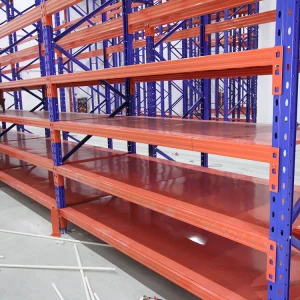
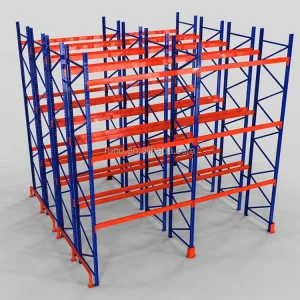
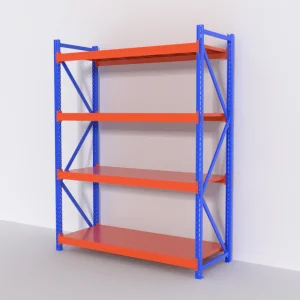
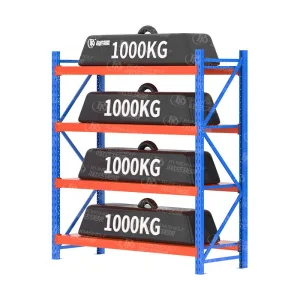
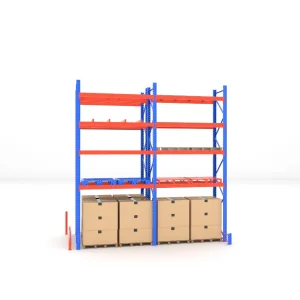
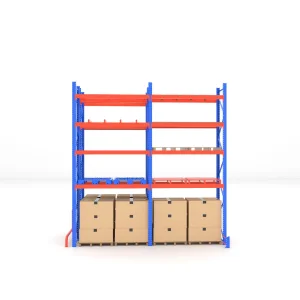
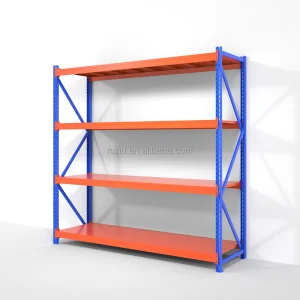
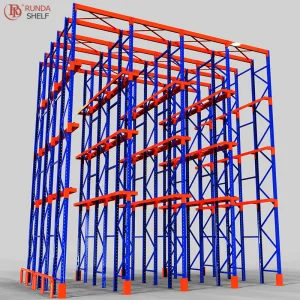
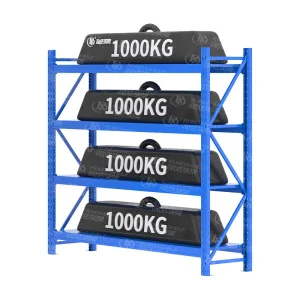
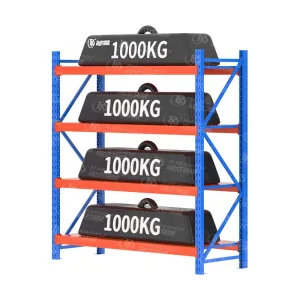
Heavy Duty Industrial Solutions Engineered for Extreme Loads exceeding 500KG up to 3000KG per layer.
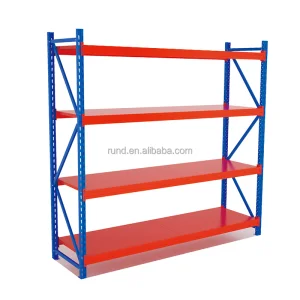
Founded in 2016, Dongguan Dingguan Metal Products Co., Ltd. (DirectRack) is a leading technology-driven warehouse equipment enterprise based in Dongguan, Guangdong Province. Drawing upon 10 years of structural engineering expertise and an active 8-year international export background, we design, manufacture, and distribute heavy-duty storage structures that serve as the backbone of modern global logistics. Operating from our advanced, automated manufacturing plant encompassing a 25,000 square meter building footprint, DirectRack consistently surpasses $18 million USD in annual export revenue. We deliver premium, structurally certified steel storage systems to demanding logistics, cold storage, and heavy industrial distribution networks worldwide.
DirectRack maintains strict quality governance enforced by 28 specialized QC inspectors. Our quality control framework adheres to international AS4084 and OSHA safety standards. Standard inspection methods include X-ray weld seam analysis, coating thickness measurement via magnetic gauge, column compression destruction tests, and full-scale beam deflection loading tests to ensure zero-defect delivery.
Utilizing a seamlessly integrated OEM/ODM trade background, DirectRack has established strategic alliances with 650 supply chain partners across raw steel sourcing and automated surface treatment industries. Our primary export markets include Southeast Asia, the Middle East, and South America, supporting retail distribution, automotive parts, and FMCG wholesale hubs.
Spearheaded by 35 senior R&D engineers, DirectRack provides dynamic structural calculation models and fully bespoke modular storage designs. Custom options feature customizable shelf depth/height ratios, multi-tier mezzanine configurations, anti-seismic bracing, and custom RAL color palettes. In the previous year, we successfully introduced 42 new product designs to meet evolving automated warehouse demands.
The global logistics landscape is undergoing a massive shift towards high-density vertical storage. As industrial real estate costs rise and e-commerce distribution networks expand, traditional floor storage is no longer viable. Heavy-duty racking systems designed for payloads exceeding 500KG per shelf level have transitioned from auxiliary equipment to core structural assets. In regions like Europe, North America, and rapidly industrializing zones in Southeast Asia and the Middle East, safe space utilization is a top priority. Racks must not only hold dynamic loads but also resist environmental challenges like seismic activity, accidental forklift impacts, and corrosive microclimates.
Currently, international distribution nodes require configurations that support standardized European pallets, heavy industrial steel coils, construction materials, and raw chemical components. The demand for customized solutions—such as roll-out cantilever designs and multi-tier mezzanines—is rising. These systems must meet strict safety certifications like EN 15512, RMI, and AS4084:2012. Choosing high-strength carbon steel grades (such as Q235B or Q345B) and using advanced roll-forming processes ensures that structures can support high weights without dangerous structural deflection.
Traditional heavy racks are adapting to automated storage and retrieval systems (AS/RS). High-precision tolerance profiles and radio shuttle systems are replacing manual forklifts, which minimizes structural wear and optimizes cycle speeds.
As cold-chain food logistics and outdoor industrial yards grow, multi-stage surface treatments—including shot-blasting, chemical passivation, and electrostatic thermosetting powder coating—are essential to prevent rust and material fatigue.
Multinational enterprises prioritize suppliers that source raw materials from eco-friendly mills using recycled scrap steel processes and clean, VOC-free coating techniques to align with global ESG standards.
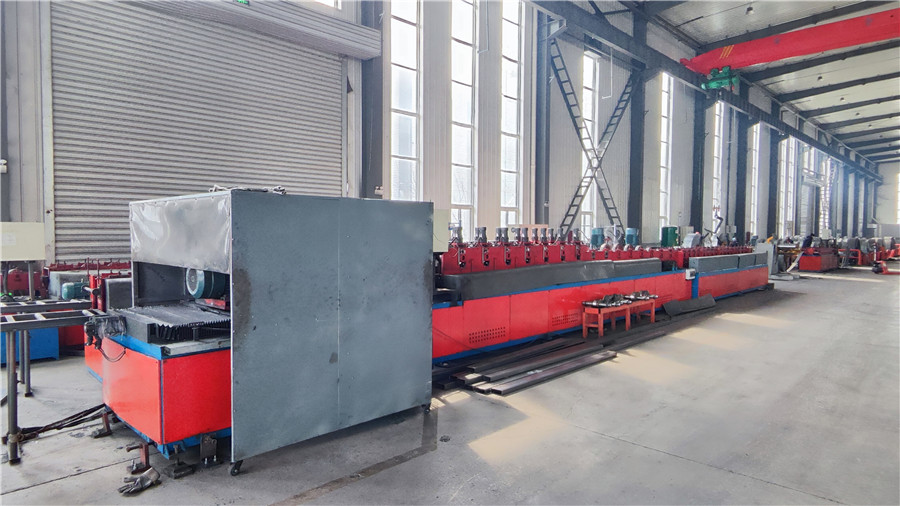
A step-by-step breakdown of how DirectRack processes structural steel from raw materials to certified high-capacity systems.
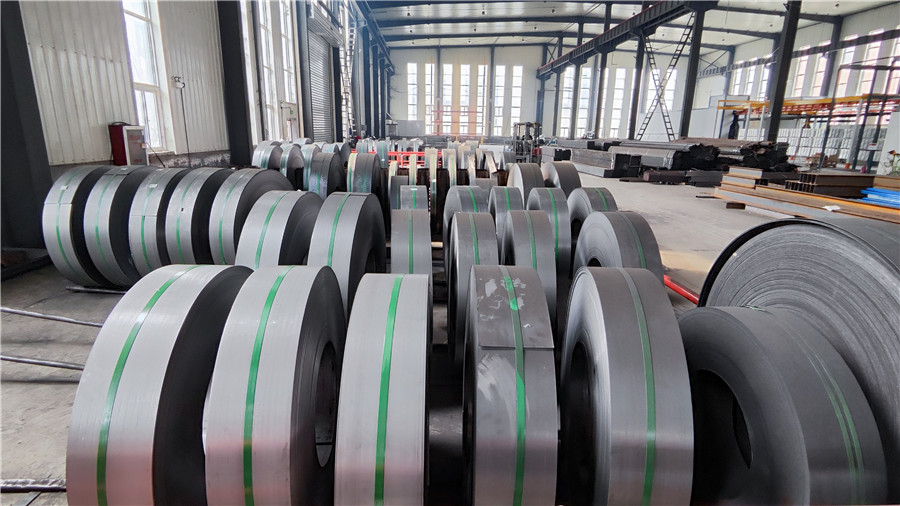
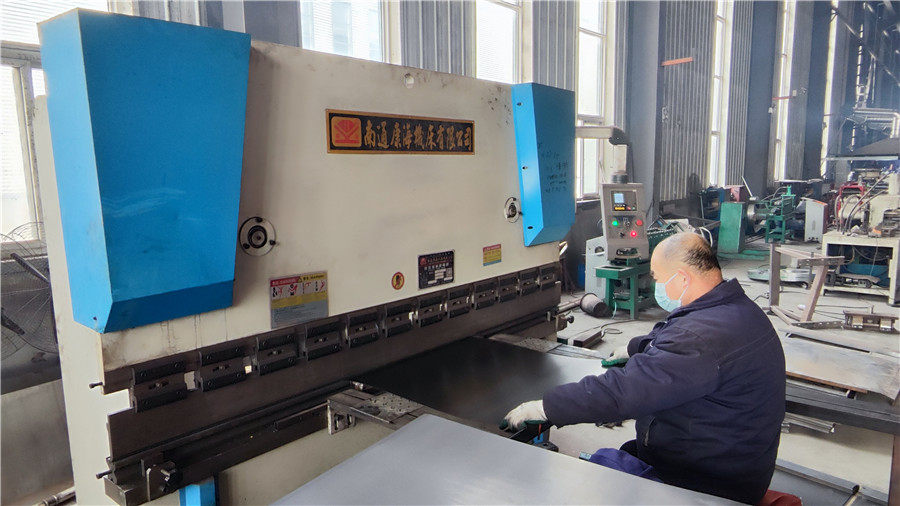
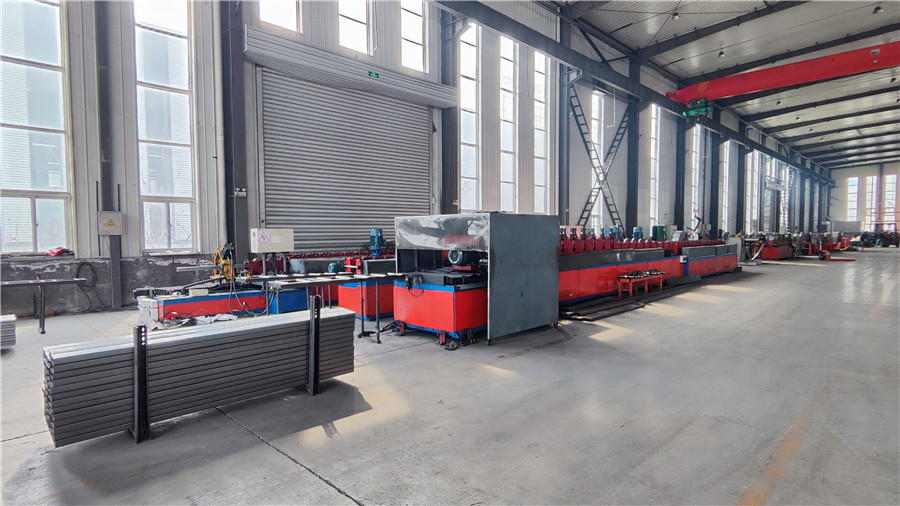
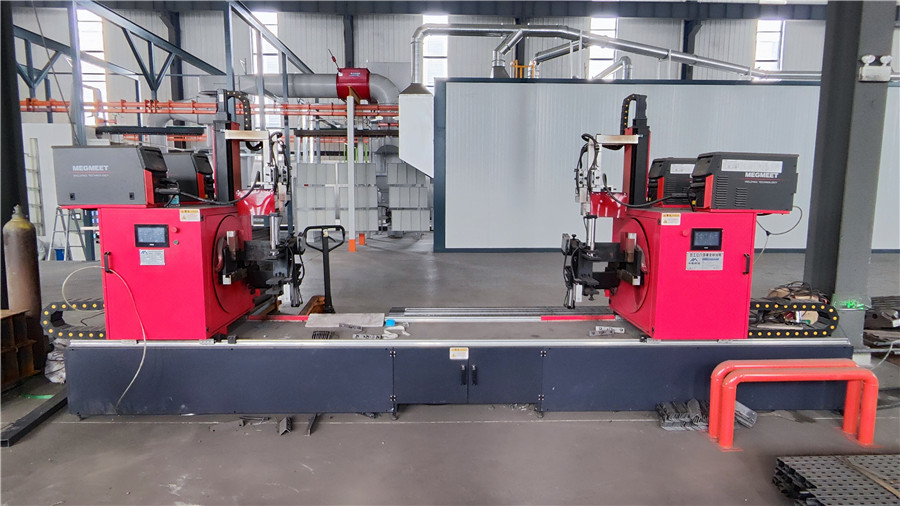
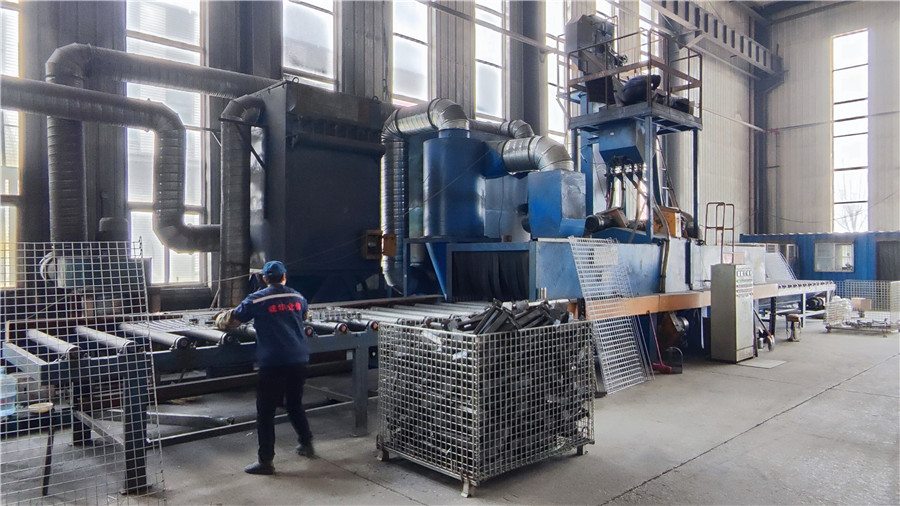
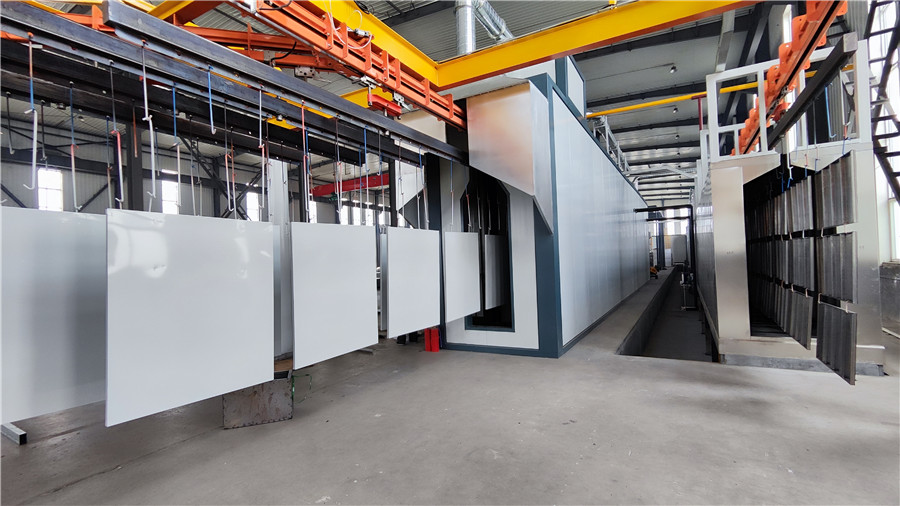
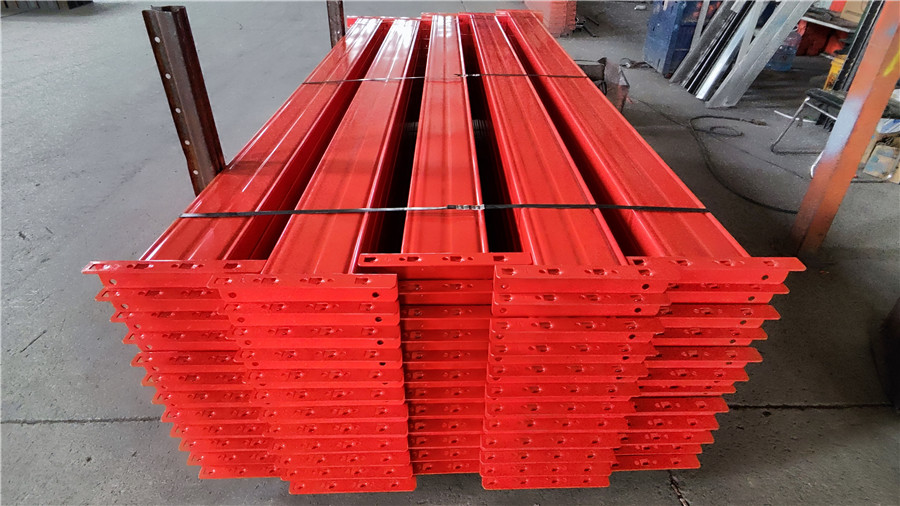
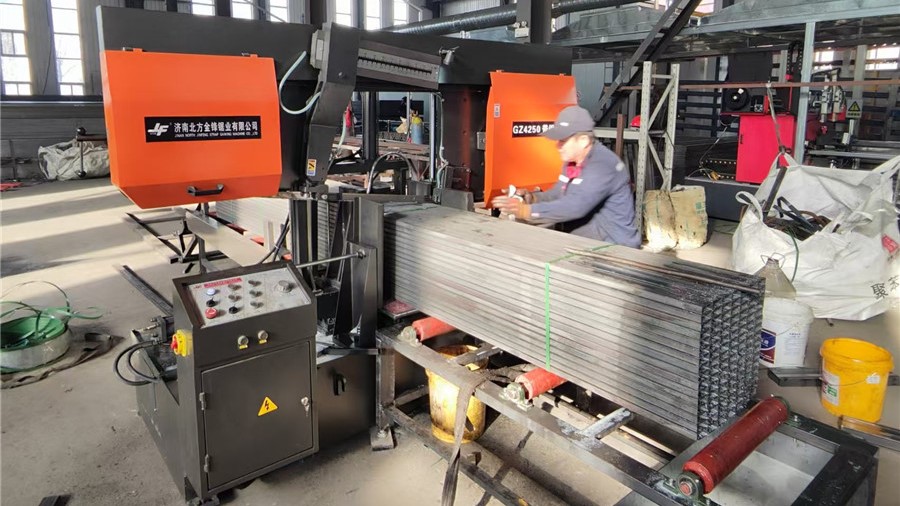
Our facility houses high-precision equipment to maintain tight tolerances and ensure structural safety.
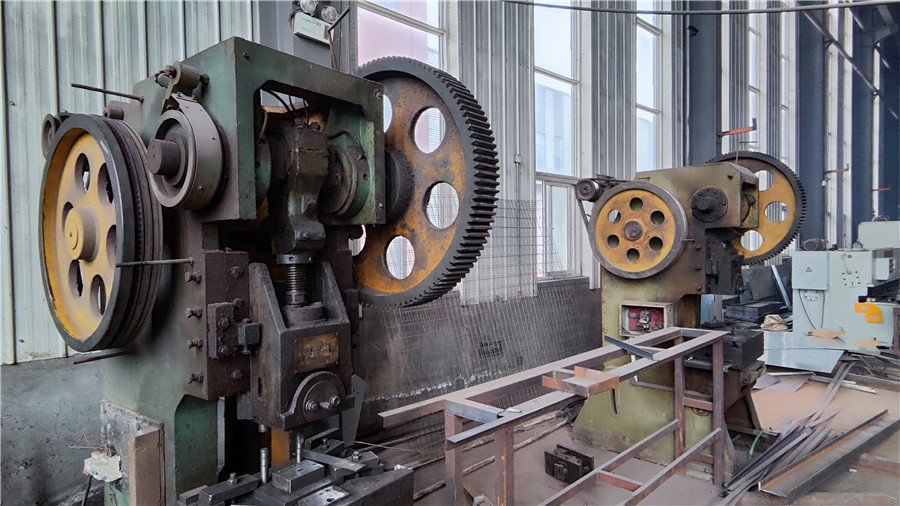
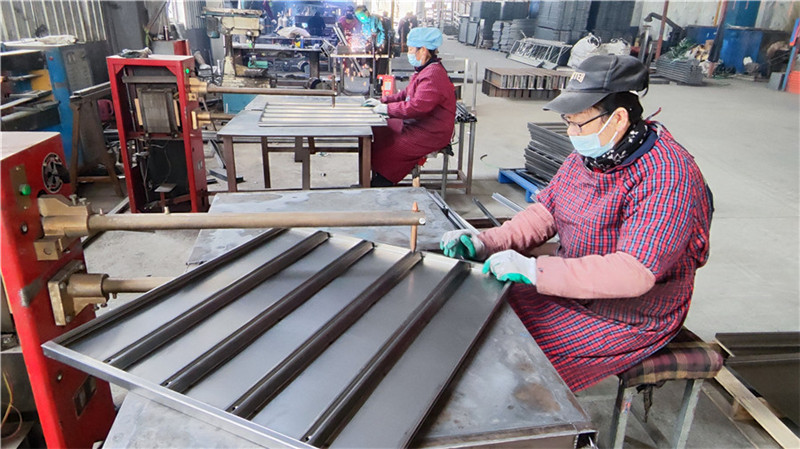
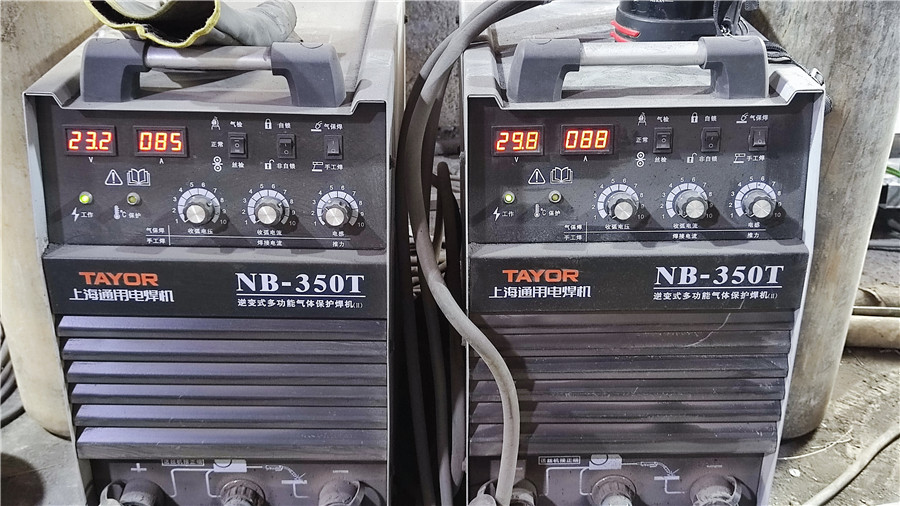
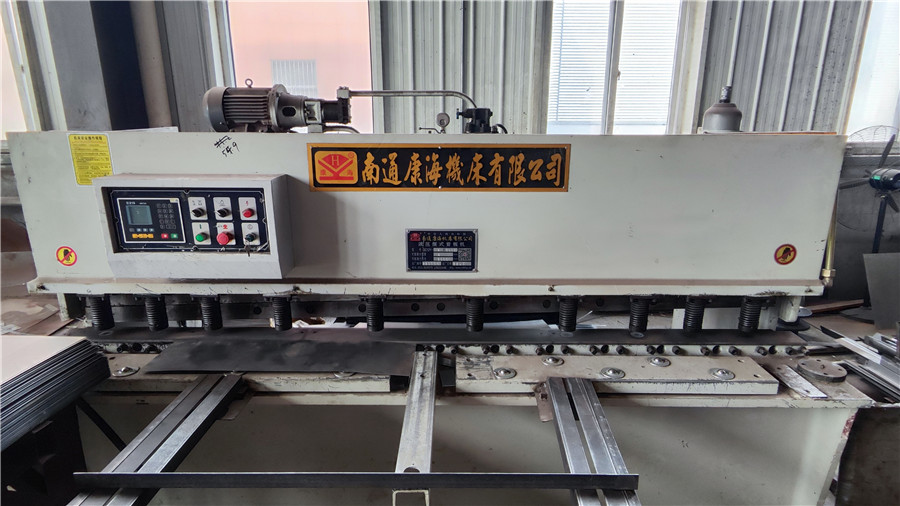
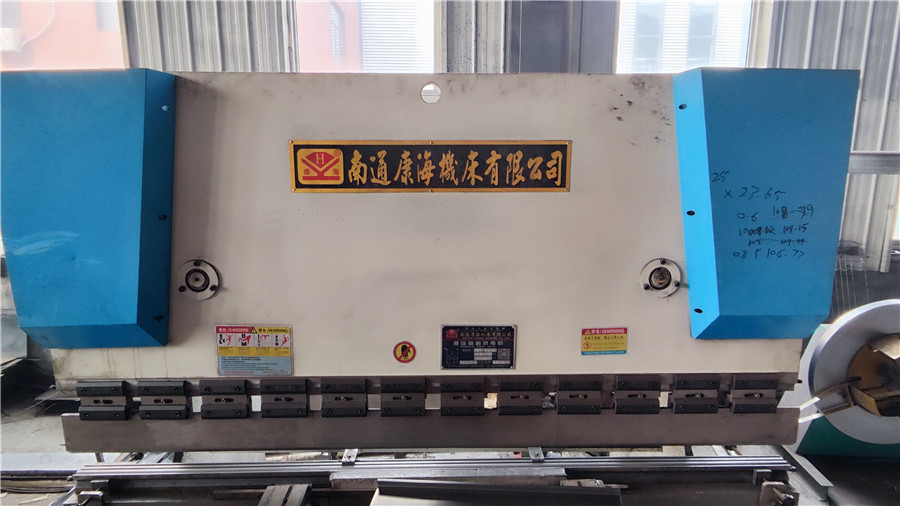
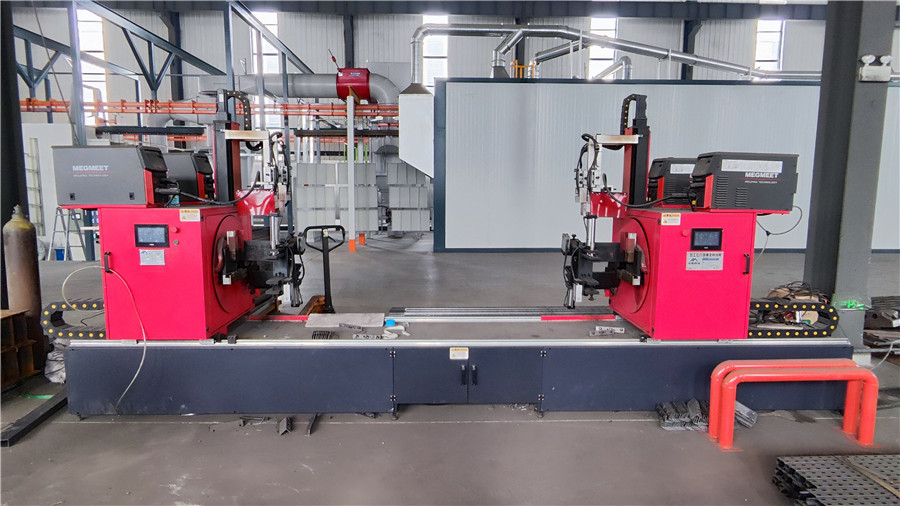
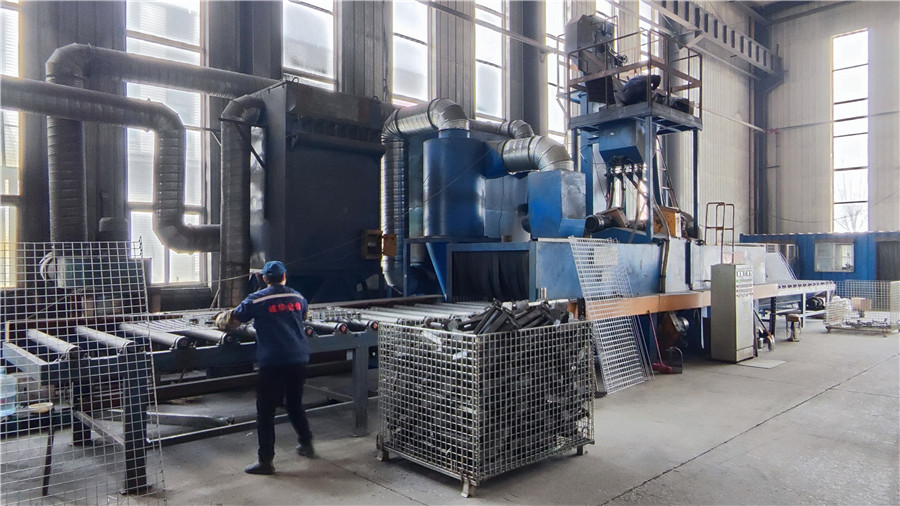
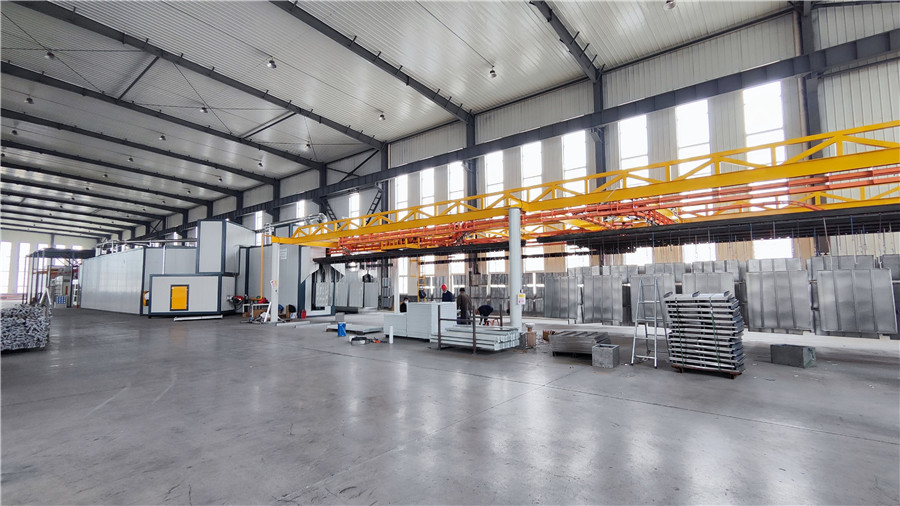
Warehouse storage requirements vary by industry and location. A standard design does not fit all scenarios. Heavy-duty racks must be engineered to handle specific loads, environmental conditions, and operational styles.
In metallurgy, manufacturing, and heavy engineering sectors, storing long, heavy items like steel pipes, rebars, and sheet metal is a major challenge. For these applications, cantilever pallet racks are the industry standard. They offer open fronts with no structural uprights in the way, making it easy to store oversized loads (>1000KG per arm) via overhead cranes or side-loading forklifts.
High-throughput consumer goods facilities require efficient vertical space utilization. Heavy-duty multi-level steel shelving and mezzanine structures double or triple floor space. They combine heavy pallet storage below with manual picking or light sorting zones above, all while maintaining load integrity.
Automotive assembly lines require highly organized part kits, including heavy engine blocks, gearboxes, and motorcycle frame sub-assemblies. Heavy-duty stacking racks and customized carriers allow parts to be safely stored and transported directly from the manufacturer to the assembly line without unpackaging.
The future of heavy-duty industrial storage lies at the intersection of structural engineering and digital integration. As warehouses grow taller and operate faster, storage systems are evolving from static iron frames into intelligent, active logistics components. DirectRack is tracking three major technical trends:
Using computer simulations to model stress distribution, elastic deformation, and dynamic buckling under heavy loads. This allows R&D engineers to optimize steel profiles, ensuring maximum safety while reducing unnecessary material weight.
Embedding fiber-optic strain gauges and tilt sensors in upright columns. These sensors feed real-time structural health data to warehouse management systems, alerting managers before overloading or impact fatigue leads to structural failure.
Developing flexible baseplates and dynamic cross-bracing connections that absorb and dissipate energy during earthquakes. This keeps critical storage infrastructure upright and stable during seismic events.
Addressing the critical engineering, quality control, and safety questions of global procurement managers.
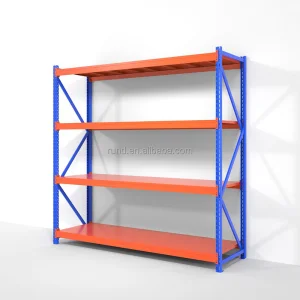
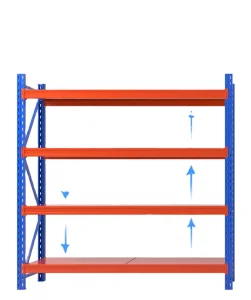
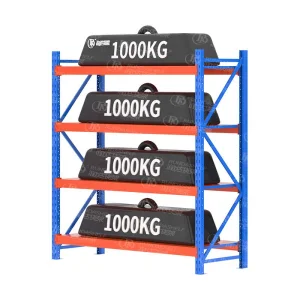
High-strength steel configurations designed for heavy load capacities up to 3000KG per layer.
 DirectRack