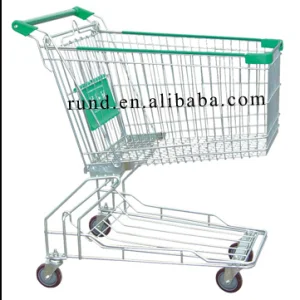
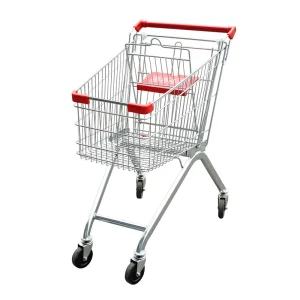
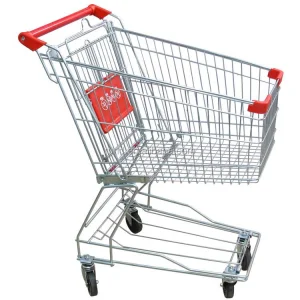
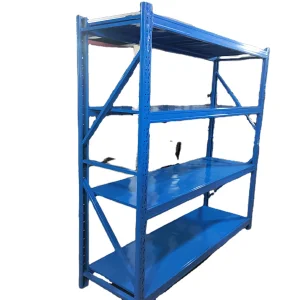
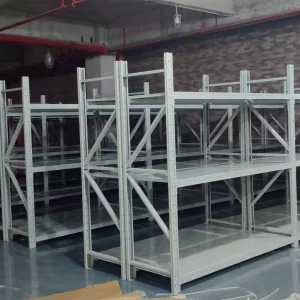
Explore our premium grade shopping carts, featuring exceptional build quality, high loading capacities, and ergonomic designs tailored to regional requirements.
In modern commercial operations, the humble shopping cart acts as a central node in the consumer journey and a critical asset for retail floor management. What was once a simple vehicle for transport has now evolved into a highly engineered piece of equipment designed to maximize Information Gain, boost consumer dwell time, and survive high-frequency mechanical wear. In hyper-competitive markets like North America, Western Europe, and Australia, shopping cart fleets must integrate smoothly with anti-theft systems, ergonomic standards, and varying layout constraints.
Whether it is a heavy-duty steel wire cart designed for warehouse wholesale depots or a compact, dual-layer metallic trolley optimized for micro-stores in dense urban areas, fleet assets impact bottom-line retail operations. Choosing the right cart design reduces maintenance costs, minimizes user-injury liability, and enhances the overall path-to-purchase efficiency.
Procuring managers at the enterprise level focus heavily on Total Cost of Ownership (TCO). Procurement isn't merely about purchasing units; it's about the lifetime reliability of casters, anti-corrosion properties under adverse weather conditions (outdoor cart corrals), nestability limits to optimize square footage, and security systems to avoid asset loss. Let's analyze the critical global demands:
Carts undergo extreme structural fatigue. High-volume buyers prioritize automated mash welding systems over manual processes. Automated welds distribute tension evenly across wire joints, preventing frame cracking under extreme load stresses.
Standard steel begins rusting within months of weather exposure. Buyers mandate dual-stage surface treatments: zinc plating or chrome plating followed by an electrostatic organic powder topcoat to resist scratching, corrosion, and UV-degradation.
Poor casters ruin the shopping experience. Premium requirements include industrial-grade polyurethane or TPR (Thermoplastic Rubber) wheels with double-ball bearing raceways, thread guards, and customizable brake systems for travelators.
Step-by-step production of commercial steel storage equipment and shopping cart frames, showcasing high precision, robotic processes, and heavy industrial machinery.
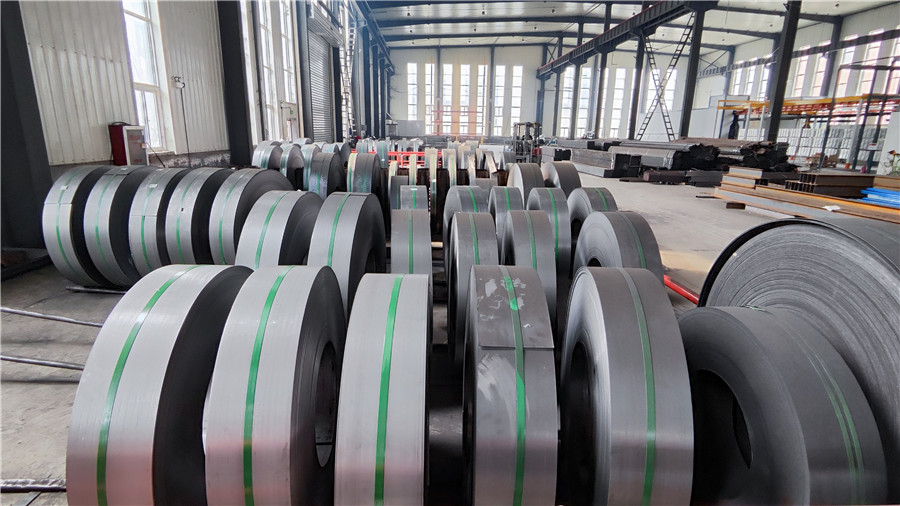
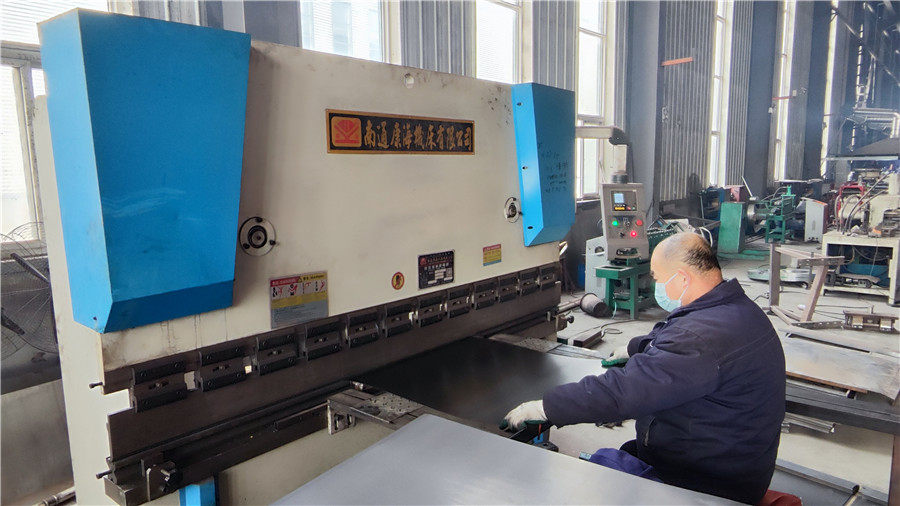
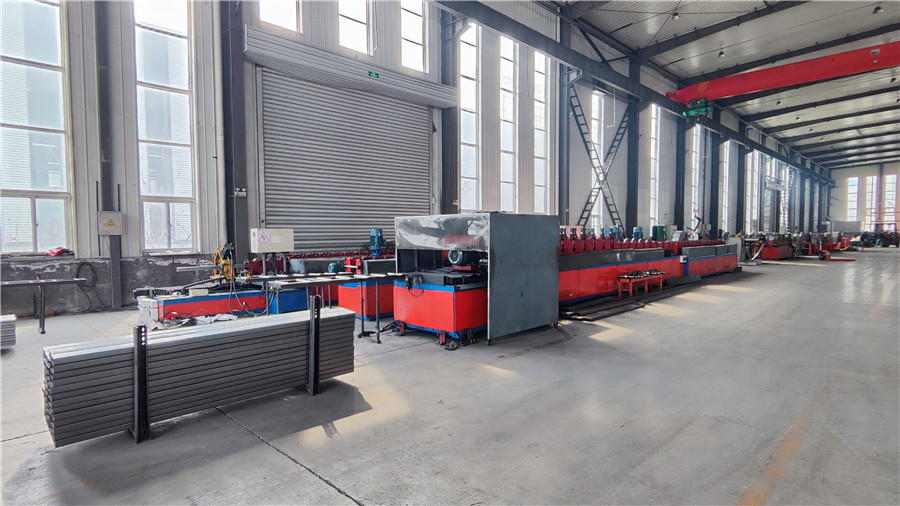
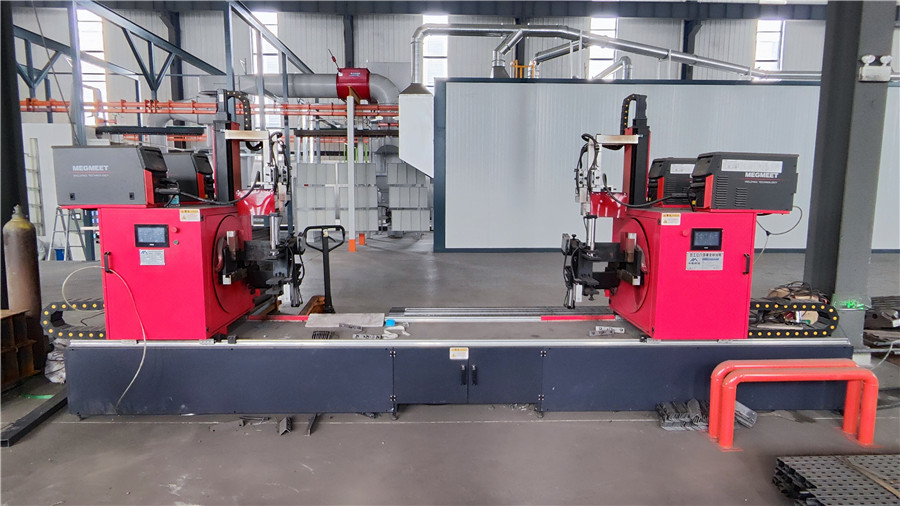
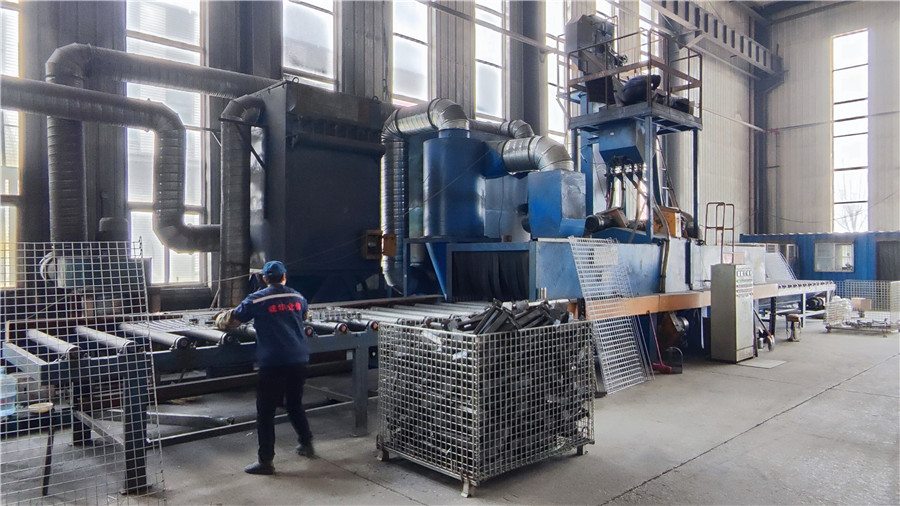
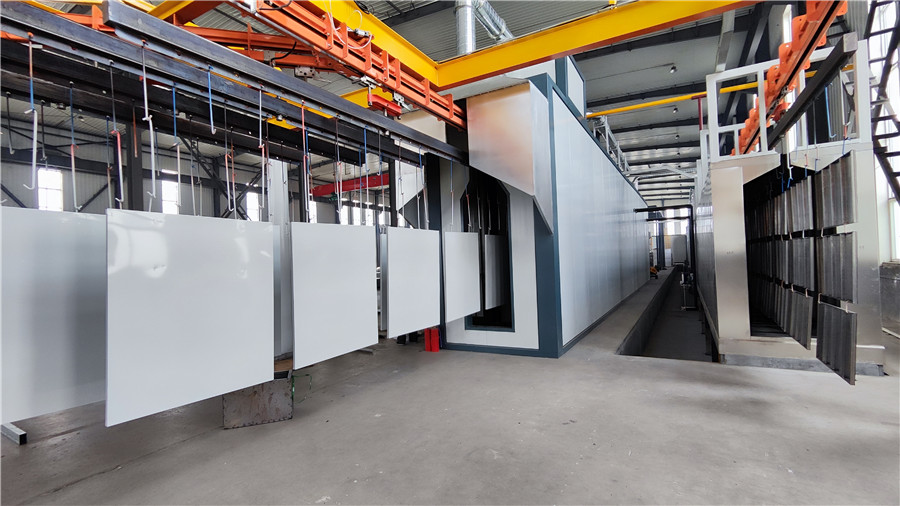
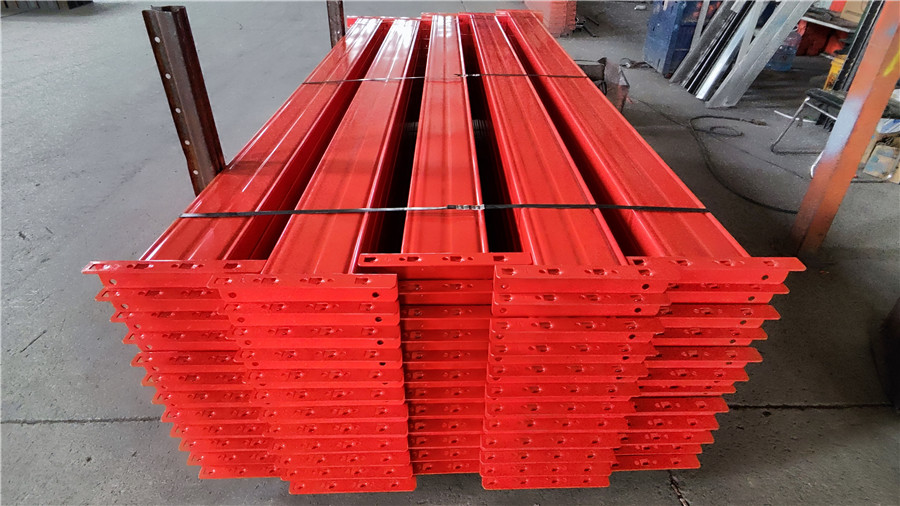
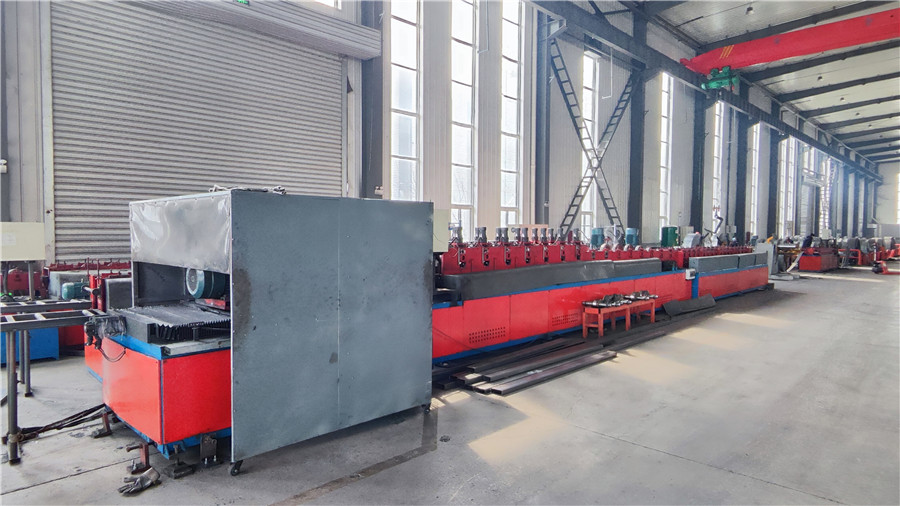
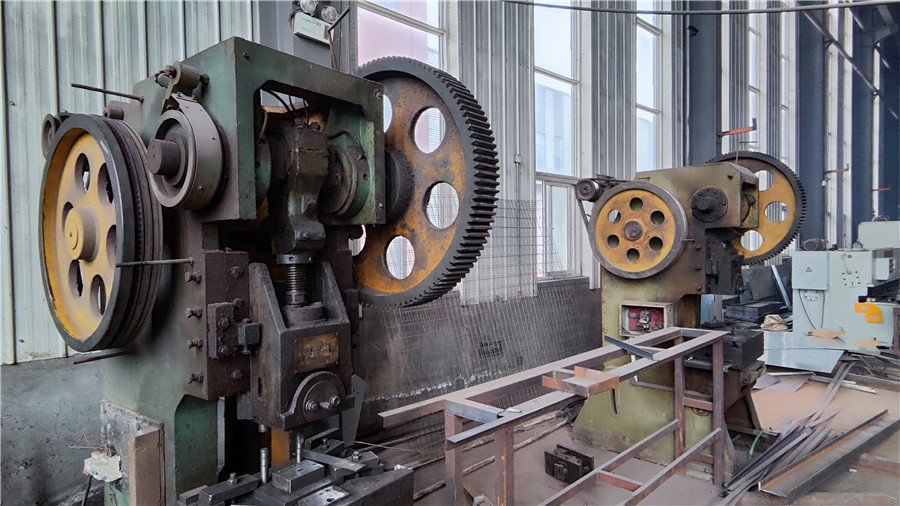
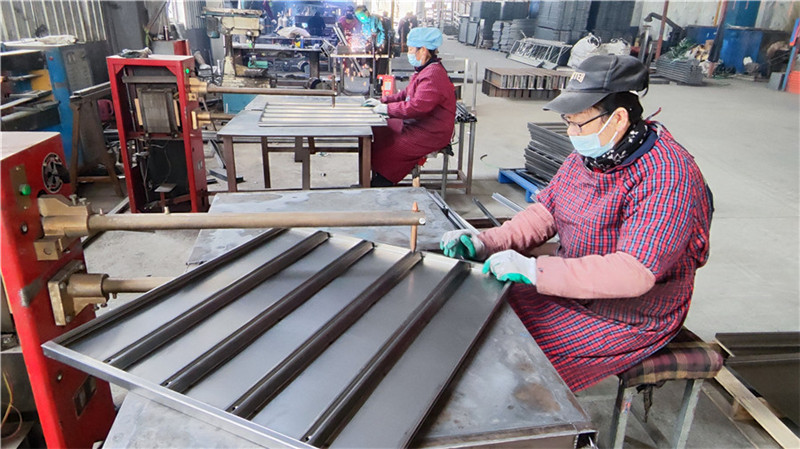
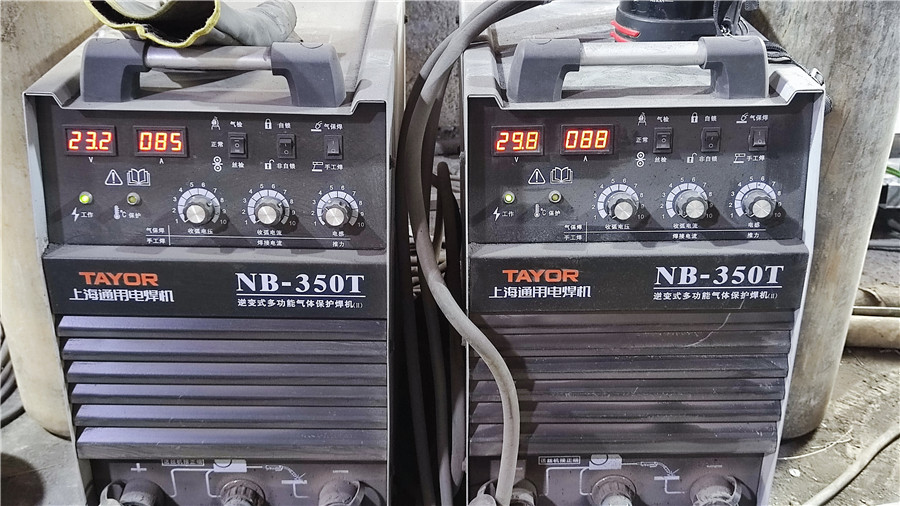
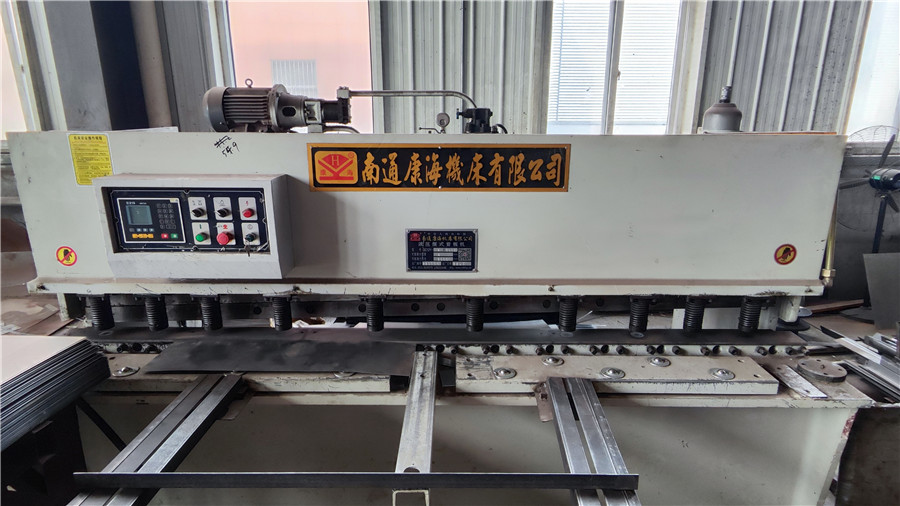
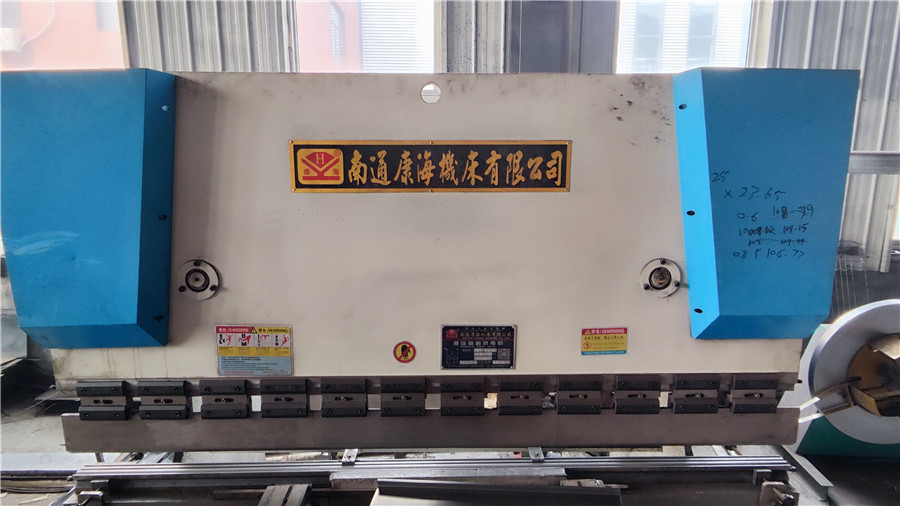
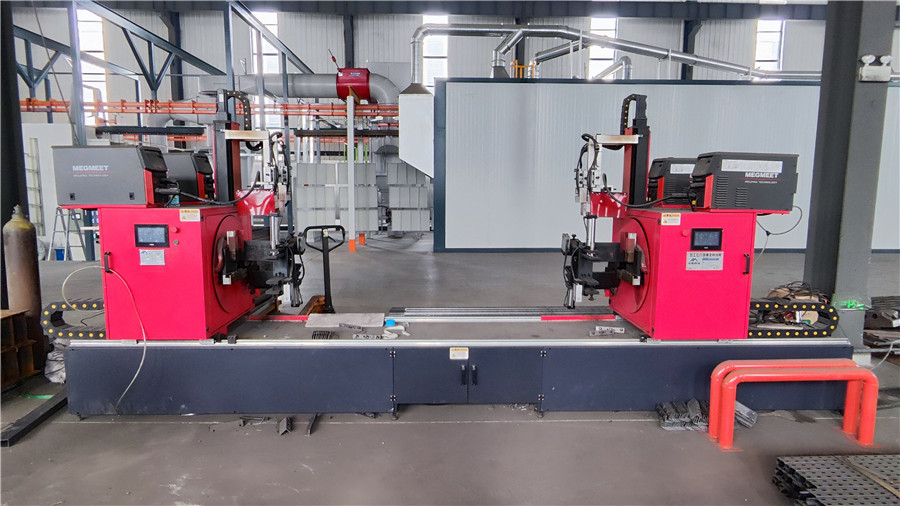
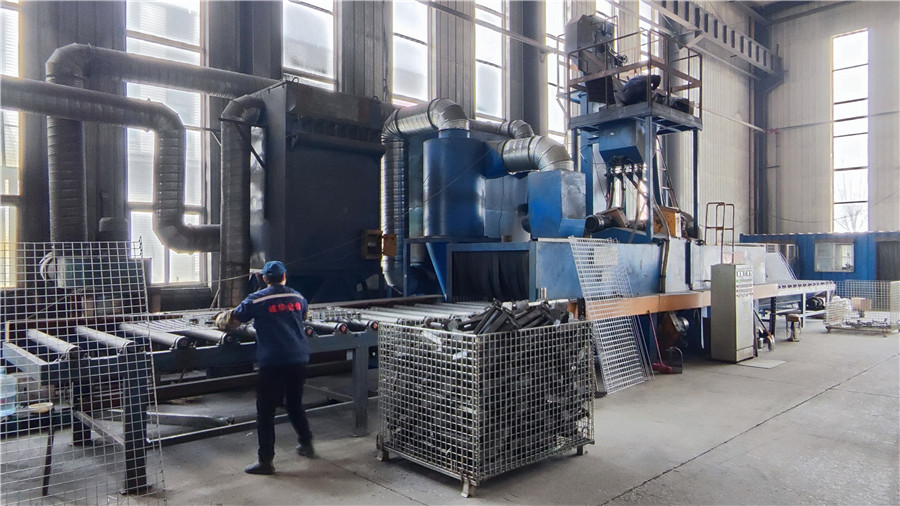
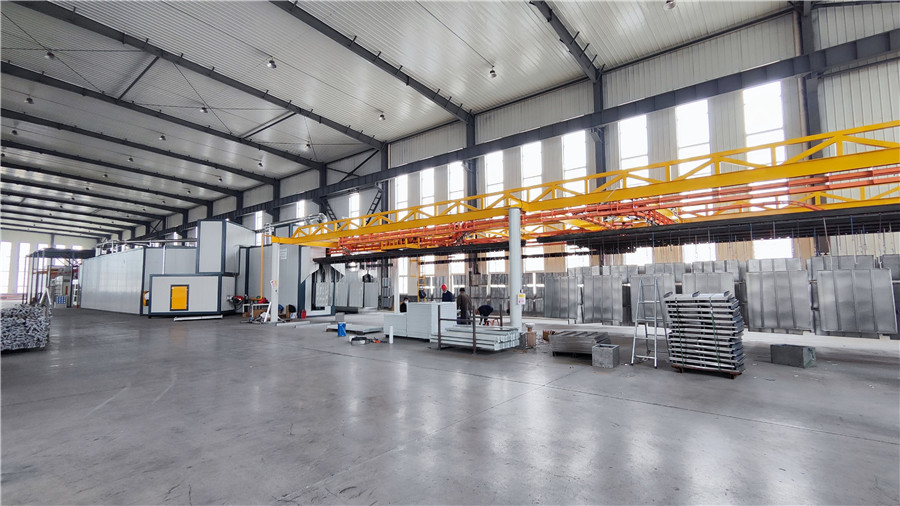
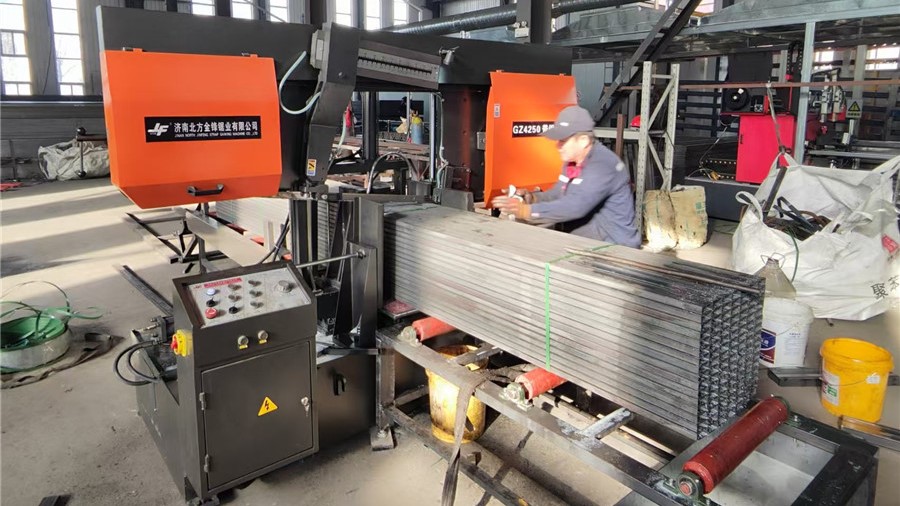
For enterprise purchasing operations, manufacturing location plays a key role in supply chain efficiency. Dongguan, located in the heart of China’s Pearl River Delta, is a hub for high-grade metallurgic processing and automated manufacturing. Dongguan Dingguan Metal Products Co., Ltd. (DirectRack) has utilized this geographic and supply-chain advantage to establish a state-of-the-art production ecosystem.
Founded in 2016, DirectRack leverages over 10 years of industry expertise and an 8-year international export background. Operating from a massive 25,000 square meter facility, the company consistently maintains an annual export revenue exceeding $18 million USD. What separates DirectRack from standard fabricators is the implementation of structured quality testing, automated machinery, and vertical integration.
Rather than relying on outsourced spot-welded components, DirectRack integrates raw material shearing, pipe bending, mesh welding, shot-blasting, and powder spraying under one roof. Our quality assurance framework is monitored by 28 specialized QC inspectors, ensuring that all structural systems comply with rigorous safety criteria like Australia's AS4084 and the United States’ OSHA protocols.
We believe that structural integrity must be quantified, not assumed. Every production batch of shopping carts and industrial warehouse racks undergoes a strict battery of physical stress tests to verify performance under load. Our standard procedures include:
Different regions exhibit distinct consumer purchasing habits, which dictates the physical architecture of the shopping fleet. A cart optimized for a suburban Australian big-box store will perform poorly in a high-density convenience store in Tokyo. DirectRack designs custom fleets mapped to localized search intent and operational requirements:
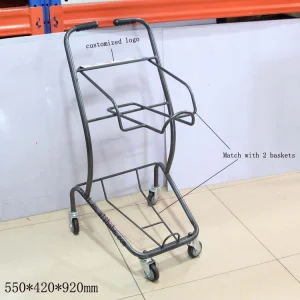
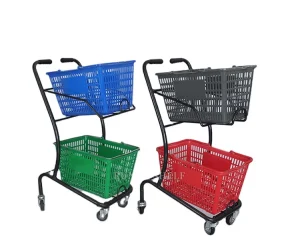
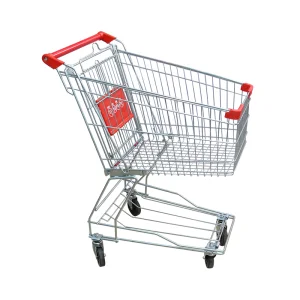
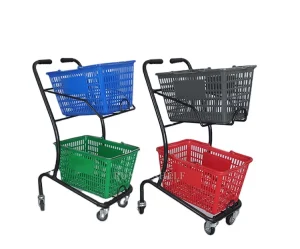
Australia-Style carts prioritize durability and dual-basket utility. These feature foldable metallic frames with dedicated steel mechanisms for nesting, often integrating lower and upper levels to keep delicate food items separated from bulkier goods. Our toy cart designs are built to entertain children safely while maintaining the structural durability expected by managers.
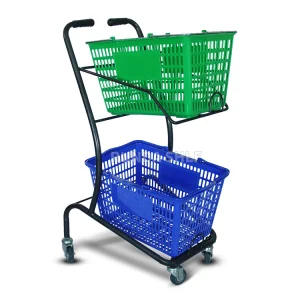
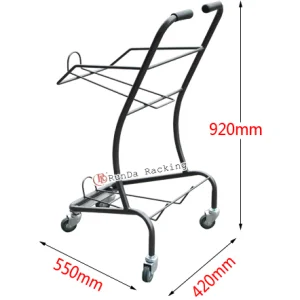
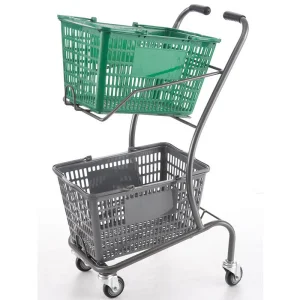
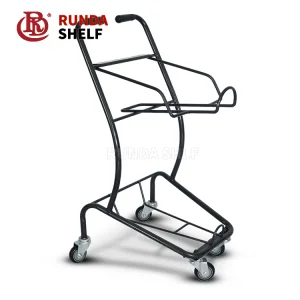
Asian retail stores often feature narrow aisles. Space optimization is key. Carts like the Japanese Hand Trolley or the RUNDA ST-08 utilize vertical space via a dual-deck configurations. The footprint remains small, but the total holding capacity reaches 50kg-60L, enabling shoppers to navigate tight paths without sacrificing volume.
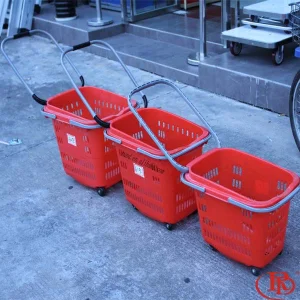
For hardware stores and membership warehouse clubs, heavy loading capacities (80L to 240L) are necessary. These operations rely on reinforced steel wire mesh chassis, anti-friction heavy-duty wheels, and protective powder coatings that prevent metal-on-metal wear during outdoor cart corralling.
The shopping cart manufacturing sector is experiencing rapid technological integration. As retailers transition toward automated workflows, shopping carts are adapting to include new technologies:
1. Smart Cart Integration (RFID & IoT): Carts are increasingly outfitted with smart lock systems, RFID location beacons, and digital tablets. This requires manufacturers to build cart bodies that integrate secure mounting plates and battery enclosures while preventing interference with sensor signals.
2. Sustainable Material Lifecycles: Retail brands want to reduce their carbon footprints. We are seeing a move toward hybrid carts that feature structural recycled polymer baskets built on top of high-tensile steel frames.
3. Upgraded Ergonomic Maneuverability: Shopper fatigue directly impacts basket sizes. Modern fleet designs focus heavily on rolling resistance and shock-absorbing caster components to ensure smooth handling even when loaded to maximum capacity.
When placing bulk orders with Chinese suppliers, procurement teams should specify the following variables to ensure structural compliance and avoid import issues:
Expert insights regarding manufacturing processes, testing criteria, and custom orders.
Industrial logistics solutions, double-deck convenience store shopping carts, folding trolleys, and high-capacity storage racks designed for durability.
 DirectRack