In the evolving world of retail, selecting the right Merchandising Units is crucial for success. As global buyers navigate this landscape, they must consider various factors. The choice of merchandising strategies can greatly impact sales and brand visibility.
Effective Merchandising Units not only showcase products but also enhance the overall shopping experience. Buyers should analyze trends and cultural nuances. Some units may appeal more in certain regions than others, indicating the need for local adaptation.
While there are numerous options available, not every merchandising unit will fit every brand's identity. Reflecting on past choices can guide future strategies. Understanding customer preferences remains vital. The right balance of aesthetics and functionality is key to optimizing sales.
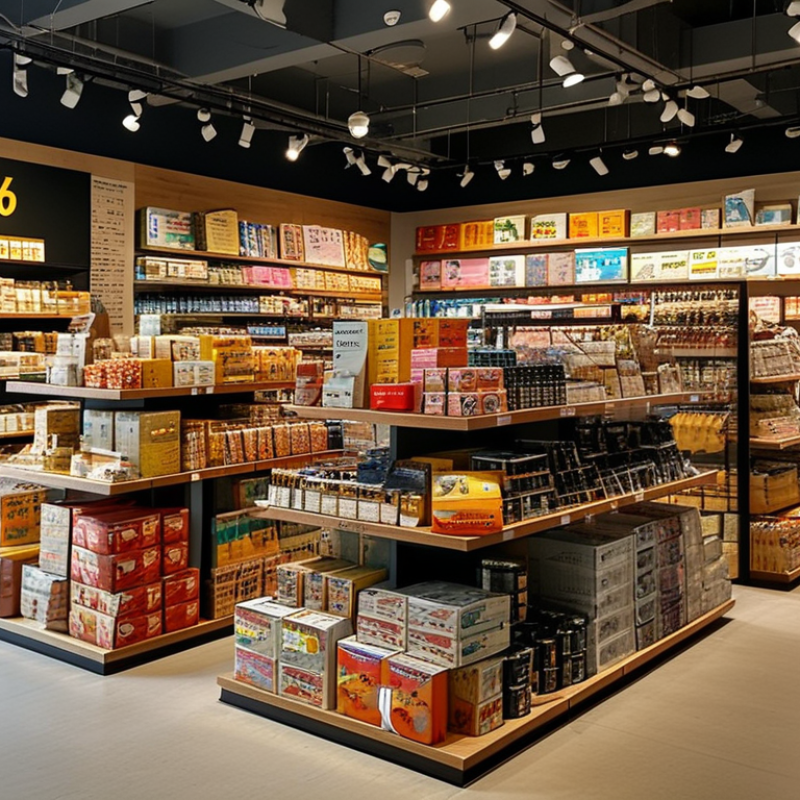
When selecting the best merchandising units in 2026, several criteria stand out. Firstly, the quality of materials is crucial. According to a recent industry report by Statista, 74% of consumers prioritize durable products. This highlights the need for merchandising units that combine longevity with aesthetic appeal. Investing in high-quality materials can lead to fewer returns and increased customer satisfaction.
Another vital consideration is space optimization. Retail spaces are often limited, and every square foot counts. Industry data indicates that effectively designed merchandising units can increase product visibility by up to 30%. This suggests a careful evaluation of how products are displayed. Flexibility in design is increasingly important. Units that adapt to different layouts can attract diverse consumer demographics, enhancing sales potential.
Finally, sustainability is becoming a deciding factor. A 2023 survey by Deloitte found that 65% of consumers choose brands committed to eco-friendly practices. Merchandising units that incorporate sustainable materials will likely resonate more with global buyers. Balancing these criteria requires thoughtful planning and a willingness to adapt to changing market demands. Successful companies will need to reflect on their recent choices and continuously improve their merchandising strategies.
The global merchandising market is shifting rapidly, influenced by consumer preferences and technological advancements. According to recent studies, online sales of merchandising units are expected to reach $600 billion by 2026. This reflects a significant rise from previous years, highlighting the importance of e-commerce in retail strategies. In particular, markets in North America and Asia show robust growth, driven by a rise in disposable income and a shift toward digital shopping experiences.
Trends indicate that sustainability is becoming a key factor in purchasing decisions. Reports have shown that approximately 70% of consumers are more likely to buy products from brands that demonstrate environmental responsibility. This trend underscores the need for buyers to consider eco-friendly merchandising options. However, the challenge remains: not all suppliers can meet these sustainability goals. Understanding these dynamics is crucial for global buyers looking to adapt their strategies.
Market analytics also reveal a growing interest in personalized experiences. Data suggests that over 60% of consumers prefer tailored recommendations based on their shopping history. This presents opportunities for merchandising units that incorporate advanced data analytics. However, integrating such technologies can be complex and requires careful planning. As the market evolves, buyers must be vigilant and ready to adapt to these emerging trends.
In 2026, innovative merchandising strategies will reshape global market dynamics. Data from industry reports indicate that 70% of buyers prioritize visual merchandising. Engaging displays can significantly boost sales by up to 30%. This highlights the importance of creativity in presentation.
Adopting technology, such as augmented reality, can enhance customer experience. Reports suggest that stores using AR experience a 15% increase in foot traffic. This strategy allows buyers to interact with products in unique ways. However, technology adoption may require a steep learning curve. Buyers must continuously adapt to changing digital tools.
**Tip:** Regularly collect feedback from customers. This can guide adjustments in merchandising strategies. Understanding what pleases international customers is critical. It's also essential to analyze competitors, as stagnant strategies may lead to missed opportunities.
Merchandising remains an art, not a science. Experimentation is key. Buyers should test various approaches to see what resonates. Data highlights that 80% of successful buyers embrace trial and error. Over time, companies can refine their strategies based on customer reactions, although not every idea will succeed.
| Merchandising Unit Type | Innovative Strategy | Target Market | Unique Features |
|---|---|---|---|
| Interactive Displays | Augmented Reality Integration | Tech-Savvy Consumers | Engaging customer experiences |
| Eco-Friendly Units | Sustainable Materials Usage | Environmentally-Conscious Buyers | Promotes brand sustainability |
| Mobile Merchandising Kiosks | Mobile Payment Solutions | On-the-Go Shoppers | Convenience and accessibility |
| Virtual Shops | Immersive Shopping Experiences | Remote Consumers | 24/7 accessibility |
| Smart Shelves | IoT Sensors for Inventory Management | Bargain Hunters | Real-time stock updates |
Sustainability is transforming the merchandising landscape. According to a 2023 report by McKinsey, 75% of consumers prefer sustainable products. Ethically sourced merchandise appeals to a growing demographic. This shift is not just a trend; it is a necessity in global retail.
When considering merchandising units, ethical practices matter. Transparency in sourcing builds trust. A survey from Nielsen found that 66% of global consumers are willing to pay more for sustainable goods. It shows that customer loyalty can hinge on these choices. Transparency must be authentic. Brands can fall short if they engage in greenwashing.
Tips: Prioritize suppliers who practice fair labor standards. Implement eco-friendly materials. Educate your team on sustainable practices. The right choices can enhance brand reputation and customer loyalty. Evaluate the supply chain regularly. Ethical discrepancies can undermine efforts. They may damage credibility and consumer trust. Focus on continuous improvement to meet ethical standards.
Emerging technologies are reshaping the landscape of merchandising units globally. Advanced analytics helps retailers understand consumer behavior better. Data-driven insights lead to personalized shopping experiences. This drives customer engagement significantly. Digital signage and interactive displays enhance in-store experiences. Customers are drawn to dynamic visuals that change in real time.
Another notable trend is the integration of Artificial Intelligence. AI tools can predict inventory needs and optimize stock levels. This minimizes excess inventory and reduces costs. However, implementing such technology poses challenges. Not all businesses can afford the latest tools. Training staff to use these technologies effectively can be a hurdle.
Moreover, sustainability is becoming a focal point in merchandising strategies. Many consumers prefer eco-friendly options. Companies are exploring sustainable materials for packaging and displays. This reflects a growing acknowledgment of environmental impact. Yet, maintaining cost-effectiveness while being eco-conscious is difficult. Striking a balance requires careful planning and execution.
: The quality of materials is crucial. Consumers prioritize durable products for long-lasting satisfaction.
Effective design can increase product visibility by up to 30%. Every square foot counts in retail spaces.
Flexible units attract diverse consumer demographics. They can adapt to different layouts, enhancing sales potential.
Many consumers prefer eco-friendly practices. Incorporating sustainable materials can resonate better with buyers.
Advanced analytics provide insights into consumer behavior. This leads to more personalized shopping experiences.
They enhance in-store experiences with dynamic visuals. Customers are more engaged with changing displays.
AI tools predict inventory needs and optimize stock levels. This minimizes excess inventory and reduces costs.
Not all businesses can afford the latest tools. Staff training is also a significant hurdle.
Maintaining eco-conscious practices while controlling costs is difficult. It requires careful planning and execution.
Reflecting on recent choices and adapting to market demands is key. Continuous improvement is essential for success.
The article titled "2026 Best Merchandising Units for Global Buyers to Consider" delves into the criteria that define the optimal merchandising units this year. It highlights the importance of market trends across top global regions, emphasizing innovative strategies that international buyers can leverage. Sustainability and ethical considerations are increasingly vital in making merchandising choices, reflecting a growing demand for responsible sourcing and production methods.
Additionally, the piece discusses how emerging technologies are reshaping merchandising units, enabling businesses to enhance customer engagement and streamline operations. As the global market evolves, understanding these factors will be crucial for buyers looking to make informed decisions regarding their merchandising strategies in 2026.
DirectRack