How to Choose the Right Modular Shelving for Your Business?

Time:2026-10-07 Author:Charlotte
0%

Choosing the right Modular Shelving can shape how efficiently your business stores, displays, and retrieves products. The decision is not only about appearance. It affects daily movement, stock visibility, safety, and future expansion.

Industrial design expert Dieter Rams offered a useful principle: “Good design is as little design as possible.” This idea fits Modular Shelving well. A strong system should feel simple, stable, and easy to adjust. It should not force staff to work around awkward frames or unreachable shelves.

Start with your real operating conditions. Measure ceiling height, aisle width, product weight, and available floor space. Record your fastest-moving items. Then consider shelf depth, load capacity, finish, and adjustment intervals. A bakery may need corrosion-resistant shelves and washable surfaces. An electronics store may need narrower bays, cable access, and clean presentation. A warehouse may value heavy-duty steel and quick reconfiguration.

Small details matter. Can one employee move a shelf safely? Are the locking pins visible? Does the base remain steady on an uneven floor? These questions reveal practical weaknesses before installation.

Do not choose the cheapest system automatically. Low-cost components may bend, chip, or become difficult to replace. Yet over-specifying every section wastes budget and space. That tension deserves careful thought. The best Modular Shelving plan balances present needs with realistic growth, using reliable materials and documented load ratings. Test one bay first, observe staff using it, and revise the layout before committing to a full installation.
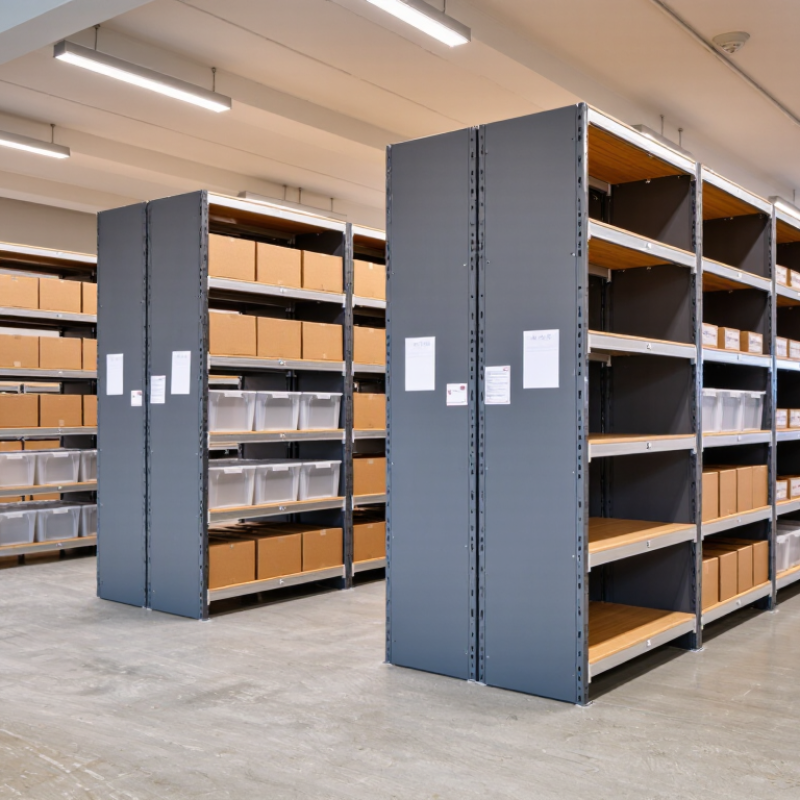
How to Choose the Right Modular Shelving for Your Business?

Define Your Business Storage Needs and Available Space

Choosing modular shelving starts with your business, not the product catalog. List what you store, how often it moves, and who handles it. A repair shop may need shallow shelves for labeled parts. An online seller may need adjustable bays for varied cartons.

Measure wall length, ceiling height, door swings, and aisle width. Do not measure empty space only. Include packing tables, fire equipment, lighting, and future access.

The 2024 MHI Annual Industry Report found that 55% of respondents expected to adopt artificial intelligence within five years. That shift suggests storage must support changing inventory data and faster picking decisions. Adjustable shelves can help, but flexibility is not automatically efficient.

In warehouse planning, teams often overbuy height and underuse it. I have seen this mistake create awkward lifting zones and wasted floor space. Measure twice. Leave room.

Tips: Record the dimensions of your ten most common items. Add their packaging, not just the product. Keep frequently picked goods between knee and shoulder height. Reserve lower levels for heavier cartons.

The U.S. Occupational Safety and Health Administration emphasizes stable storage and unobstructed work areas, so check loading limits and aisle clearance before installation. Review your inventory forecast for the next 12 to 24 months. It may be wrong. That is normal.

Choose sections that can be relocated without dismantling the entire system. Document each bay’s dimensions, load rating, and intended use. Clear labels reduce search time and expose capacity problems early.

Compare Modular Shelving Materials, Designs, and Weight Capacities

Choosing modular shelving starts with the material, not the appearance. Steel shelving handles heavier cartons, tools, and spare parts. It also resists dents in busy warehouses. Aluminum is lighter and easier to reposition, but usually supports less weight. Wire shelving improves airflow and visibility. It suits storerooms, kitchens, and areas needing regular cleaning. Particleboard shelves look warmer and cost less, yet moisture can cause swelling.

Design affects daily efficiency. Boltless systems assemble quickly and allow shelf heights to change without special tools. Adjustable frames work well when product sizes vary. Mobile shelving saves floor space, although it needs smooth flooring and careful access planning. Check the manufacturer’s rated capacity for each shelf, not only the entire unit. Distribute loads evenly. Heavy boxes belong on lower levels. A small detail, often missed.

Tips: Measure the room, aisle width, and doorway before ordering. Record your heaviest typical load, then allow extra capacity for unexpected stock. Do not confuse static capacity with mobile capacity. A shelf may hold 500 pounds when stationary but less when moved. Inspect connectors and beams regularly. In practice, teams sometimes choose the highest rating and overlook installation quality. That is a useful warning. A strong system can still become unstable on an uneven floor or when overloaded on one side.

How to Choose the Right Modular Shelving for Your Business?

Representative weight capacity by modular shelving material and design

Powder-coated boltless steel shelving generally provides the highest capacity for warehouses and stockrooms. Wire shelving improves airflow and visibility, making it suitable for kitchens, healthcare areas, and retail storage. Aluminum systems are lighter and easier to relocate, while plastic shelving offers corrosion resistance for damp environments but typically supports less weight.

Capacities shown are representative per-shelf ratings commonly published for commercial modular systems under evenly distributed loads. Actual capacity depends on shelf dimensions, beam spacing, configuration, installation, and manufacturer testing.

Evaluate Adjustability, Accessibility, and Workflow Efficiency

Choosing modular shelving starts with how work moves, not how attractive the units look. In a busy stockroom, adjustable shelves should match carton heights, bin sizes, and replenishment patterns. Measure your tallest items with room for safe handling. Then test several shelf positions before ordering a full system. A small spacing mistake can waste valuable vertical space. Keep it flexible. Yet endless adjustability can create confusion. Use clear spacing rules, and record the preferred layout for each product group. Check published load ratings before placing products on any level.

Accessibility affects speed, accuracy, and employee comfort. Place frequent items between waist and shoulder height. Store lighter goods above, and reserve lower levels for stable, manageable loads. Avoid forcing workers to stretch, twist, or crouch repeatedly. I once supported a layout that maximized capacity but slowed picking. The shelves were technically excellent. The workflow was not. A short observation period would have exposed the problem earlier. Watch real employees complete common tasks, and note reaching distance, walking time, and order errors.

Workflow efficiency improves when shelving supports clear routes and simple decisions. Leave enough aisle space for carts and two-way movement where needed. Use labels facing the operator, not hidden behind beams or neighboring cartons. Consider lighting, cleaning access, and future stock changes. A trial section can reveal problems before full installation. Review it after one busy week. Staff feedback may challenge your assumptions, which is useful. A practical system is rarely perfect on day one.

How to Choose the Right Modular Shelving for Your Business? – Evaluate Adjustability, Accessibility, and Workflow Efficiency

Shelving Configuration Typical Shelf Adjustment Recommended Load per Shelf Accessibility Workflow Efficiency Best-Fit Business Use Key Consideration
Fixed-Height Upright Shelving Limited; shelves are usually installed at predetermined positions Approximately 75–150 kg, depending on shelf material and frame design Good for commonly handled items at waist-to-eye level High for stable product ranges; lower when item sizes change frequently Small stockrooms, offices, archives, and back-of-house storage Low initial complexity, but limited long-term adaptability
Slot-Adjustable Shelving Commonly adjustable in increments of about 25–50 mm Approximately 100–250 kg, subject to the beam, deck, and fixing method Very good; shelf levels can be aligned with product dimensions and picking height High because vertical space can be reconfigured as inventory changes Retail stockrooms, workshops, spare-parts storage, and general warehouses Confirm the rated capacity for each shelf level, not only the total bay
Bin and Small-Parts Shelving Adjustable shelf or bin positions; compatible with labeled containers Approximately 30–150 kg per shelf, depending on container density Excellent for frequent picking of small components and consumables Very high when items are grouped by frequency, size, or process sequence Maintenance rooms, assembly areas, repair operations, and parts counters Use clear labels and consistent locations to reduce search time and errors
Mobile Aisle Shelving Shelves are adjustable; entire rows move on floor tracks or mobile bases Approximately 75–300 kg per shelf, based on the selected system Moderate during retrieval because only one access aisle may be open at a time High space efficiency; access speed may decrease during busy picking periods Archives, record rooms, compact stockrooms, and high-value inventory areas Plan for floor loading, emergency access, power requirements, and user safety
Flow-Through Shelving Shelf pitch and lane positions can often be configured for carton size Approximately 50–250 kg per lane or shelf, depending on construction Excellent; loading and picking can occur from separate sides Very high for first-in, first-out rotation and repetitive order picking Food distribution, healthcare supplies, e-commerce, and assembly replenishment Requires consistent carton dimensions and disciplined replenishment practices
Cantilever Shelving Arms are typically repositionable to suit product height and length Approximately 100–500 kg per arm level, depending on arm length and spacing Good for long products that are difficult to place on standard shelves High when products can be picked directly from open horizontal arms Building materials, tubing, timber, carpet rolls, and furniture components Secure long loads against rolling, sliding, or uneven weight distribution
Multi-Tier Shelving Deck and shelf heights can be configured across several accessible levels Approximately 75–250 kg per shelf, depending on the structure and decking Good for hand picking; upper levels require stairs, platforms, or approved access equipment High when floor area is limited and picking tasks are distributed vertically E-commerce fulfillment, light manufacturing, document storage, and spare parts Allow for stairs, guardrails, lighting, fire protection, and safe pedestrian routes
Heavy-Duty Adjustable Racking Beam levels are adjustable to accommodate pallet or large-load heights Often 500–2,000+ kg per beam level, subject to engineering and configuration Good for forklift-accessible loads; less suitable for frequent hand picking High for pallet storage and inventory density; moderate for individual-item retrieval Distribution centers, manufacturing warehouses, and bulk inventory operations Capacity must be verified by a qualified supplier or engineer for the actual layout
Selection note: Load figures are indicative planning ranges rather than universal ratings. Actual capacity depends on shelf material, span, frame geometry, anchoring, floor condition, load distribution, and local safety requirements. Always verify the manufacturer’s tested rating before installation and use.

Check Installation Methods, Safety Features, and Future Expansion

Choosing modular shelving starts with its installation method. In a warehouse, compare boltless, clip-in, and wall-fixed systems with floor conditions and load requirements. Boltless units install quickly, but uneven concrete can make them unstable. Clip-in frames require careful leveling. Wall-fixed shelving offers strong lateral support, yet drilling may not suit rented premises. Request clear assembly instructions, tool lists, and tested load ratings. Do not trust a vague “heavy-duty” label.

Safety features deserve close inspection. Look for locking pins, beam retainers, diagonal bracing, and rounded edges. Place heavier cartons on lower levels. Keep aisles clear, and inspect every connection after moving the unit. I once saw shelving remain stable during installation but lean after stock was added. The floor had a slight slope. That mistake changed the layout and exposed a weakness in our checks. A simple inspection sheet can prevent similar oversights. Have a competent installer verify the structure when loads or heights are significant.

Plan for expansion before placing the first shelf. Check whether the uprights accept additional beams, decks, and braces from the same system. Leave practical clearance for future rows, lighting, and handling equipment. Record each shelf’s rated capacity and actual use. Extra levels may look efficient, but they can exceed safe limits. Measure ceiling height carefully. It sounds cautious. It is. A flexible design should grow without forcing unsafe modifications or complete replacement.

Assess Total Cost, Maintenance Requirements, and Long-Term Value

How to Choose the Right Modular Shelving for Your Business?

Assess Total Cost, Maintenance Requirements, and Long-Term Value

The purchase price is only the first number to examine. A shelving system also carries delivery, installation, adjustment, and replacement costs. I once reviewed a warehouse estimate that looked affordable, but missing fasteners created repeated delays. The real cost appeared months later.

Check the frame’s load rating, surface finish, and connection quality before ordering. Shelves holding boxed equipment need different support from shelves storing lightweight supplies. Ask how easily workers can replace a damaged panel or connector. If repairs require special tools, maintenance becomes slower and more expensive. Keep common spare parts on site. Small delays matter.

Measure long-term value through durability and flexibility. Adjustable shelves can support changing stock levels without forcing a complete replacement. Smooth, accessible surfaces also reduce cleaning time, especially in busy storage rooms. Inspect corners, joints, and leveling feet during routine checks. These areas often reveal wear first. Do not ignore staff feedback. They notice unstable shelves and awkward access before managers do.

The cheapest option may still be sensible for temporary use. It may be a poor choice for daily operations. Calculate expected service life, labor hours, downtime, and disposal costs. My own calculations have sometimes underestimated maintenance time, especially during busy seasons. That mistake is worth revisiting before approving the final budget.

FAQS

How should a business define its shelving needs?

List stored items, movement frequency, handlers, and packaging sizes. Measure walls, doors, aisles, lighting, and worktables. Empty space misleads.

Which measurements matter before ordering modular shelving?

Measure wall length, ceiling height, doorway width, door swings, and aisle clearance. Record dimensions for your ten most common items.

Which shelving material suits heavier cartons and tools?

Steel usually supports heavier loads and resists dents. Aluminum is lighter but often carries less weight. Wire improves airflow and visibility.

Is particleboard suitable for every storage room?

No. It costs less and looks warmer, but moisture may cause swelling. Use it carefully in damp or frequently cleaned areas.

How can adjustable shelves improve storage efficiency?

Set shelf heights around carton sizes, bins, and replenishment patterns. Leave safe handling space above each item. Flexibility needs rules.

Where should frequently picked products be placed?

Keep frequent items between knee and shoulder height. Store lighter goods above. Place stable, manageable cartons on lower levels.

How can a business avoid exceeding shelf capacity?

Check the rated capacity for each shelf, not only the whole unit. Distribute weight evenly. Heavy boxes belong on lower levels.

Does mobile shelving always save space?

It can reduce fixed aisles, but it requires smooth flooring and careful access planning. Moving capacity may be lower than stationary capacity.

How can teams test shelving before full installation?

Build one trial section and observe real picking tasks for a busy week. Note reaching distance, walking time, errors, and staff feedback.

What common shelving mistake deserves more attention?

Teams may maximize capacity while slowing daily work. My earlier layout looked efficient but created awkward reaching zones. The numbers were right. The workflow was not.

Conclusion

Choosing the right Modular Shelving begins with a clear understanding of your business’s storage needs, available floor space, and daily workflow. Consider what items must be stored, how frequently they are accessed, and whether the shelving should support heavy, bulky, or lightweight products. Compare materials, designs, and weight capacities to find a system that offers durability and suits your working environment. Adjustable shelves, easy accessibility, and logical organization can improve efficiency, reduce wasted space, and make routine tasks safer and faster.

It is also important to review installation methods, safety features, and opportunities for future expansion. A shelving system that can be reconfigured or extended as your business grows may provide greater long-term value. When evaluating options, look beyond the initial purchase price by considering installation, maintenance, replacement parts, and durability. The best solution balances performance, flexibility, safety, and total cost while supporting your business’s changing storage requirements.

Charlotte

Charlotte

Charlotte is a seasoned marketing professional with a deep understanding of the company's portfolio and a passion for elevating its presence in the market. With a keen eye for detail and a commitment to excellence, she ensures that our professional blog is regularly updated with insightful articles......