Retail Displays are crucial in the retail industry. They shape customers’ shopping experiences and influence purchasing decisions. As retail expert Jane Thompson states, “A well-designed display transforms a simple product into a must-have item.” This emphasizes the power of visual presentation.
Effective Retail Displays can highlight features and engage customers. When products are displayed attractively, they catch the eye. This leads to increased foot traffic and higher sales. However, not all displays are successful. Poorly designed displays can turn customers away. It's essential to balance aesthetics with functionality.
Understanding customer behavior can improve display strategies. Retailers should analyze what engages their target audience. Reflecting on past displays can reveal what worked and what didn’t. The goal is to create displays that resonate with shoppers, driving them to make purchases. Retail Displays can make or break a sale, making their role vital in today’s competitive market.
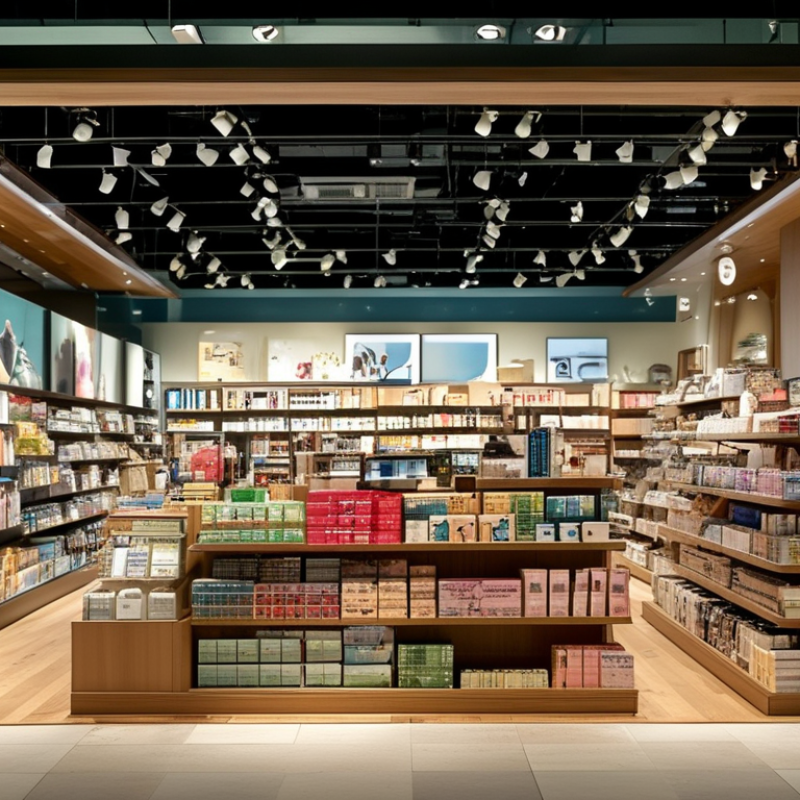
Retail displays play a vital role in a brand's marketing strategy. They serve as a direct visual link between the product and potential customers. An eye-catching display can create intrigue and drive foot traffic into stores. Retailers have a unique opportunity to communicate a brand's story. This connection helps in establishing a memorable shopping experience.
Conversely, not all displays are effective. Some designs might overwhelm customers rather than attract them. A cluttered or confusing setup can deter purchases. It's crucial to strike a balance between aesthetics and functionality. Displays should guide customers smoothly through the buying journey. Simple, clean designs often yield better engagement than overly complex presentations. Understanding target demographics can also refine display strategies, making them more relevant and appealing.
Moreover, effective displays require ongoing evaluation. Regularly assessing what works and what doesn’t can lead to insightful adjustments. Retailers must stay responsive to changes in consumer behavior. Flexibility in display design can adapt to trends or seasons. Retail displays should be a continuous dialogue with customers, reflecting their needs and preferences.
Retail displays serve as a bridge between products and consumers. They play a vital role in shaping shopping experiences. Studies show that nearly 70% of purchasing decisions are made in-store. Effective displays can significantly influence these decisions. They attract attention and communicate brand values.
Understanding consumer behavior reveals insights into how shoppers interact with displays. Research indicates that visually appealing displays can boost sales by up to 30%. Consumers are drawn to colors, layouts, and the arrangement of products. However, not all displays succeed. Poorly designed layouts can confuse shoppers, leading to lost sales opportunities. Designers must create displays that reflect consumer values and preferences.
Recent surveys indicate that engaging storytelling in displays enhances emotional connections. This connection can lead to increased loyalty. Yet, retailers must continuously test and refine their strategies. A/B testing different display ideas allows for understanding what truly resonates. Failing to adapt can result in missed sales. Sustainable practices in display design also resonate with eco-conscious consumers. Balancing creativity with practicality is essential for effective retail displays.
Retail displays play an essential role in shaping the shopping experience. They create an inviting atmosphere that encourages exploration and engagement. For instance, a well-organized window display can draw potential customers in, igniting curiosity. Versatile fixtures, such as mannequins and shelving units, can highlight products effectively. However, not all displays succeed in capturing attention. Sometimes, cluttered arrangements confuse shoppers, leading to a missed sale.
Various types of retail displays enhance the shopping journey. Floor displays often showcase seasonal items, appealing to impulse buyers. Meanwhile, end-cap displays can emphasize promotions, boosting visibility. In contrast, simple shelving might lack the charisma needed to captivate customers. It’s crucial for retailers to evaluate the effectiveness of their display strategies. While some designs engage shoppers, others may result in a bland experience. Regularly refreshing displays can create a dynamic environment that keeps customers returning.
Careful attention to detail is vital. Lighting, color schemes, and product arrangements can influence a shopper's mood and buying decisions. Effective displays evoke emotions and encourage purchases. However, relying on trends without consideration for the target audience can backfire. It’s important to gather feedback and adjust strategies accordingly, ensuring the display resonates well with customers. Doing so can significantly enhance sales while creating a memorable shopping experience.
| Display Type | Effect on Sales (%) | Influence on Customer Decisions (%) | Customer Engagement (%) | Return on Investment (ROI) |
|---|---|---|---|---|
| Endcap Displays | 20% | 50% | 75% | 3:1 |
| Point of Purchase (POP) Displays | 15% | 45% | 65% | 2:1 |
| Floor Displays | 25% | 60% | 85% | 4:1 |
| Wall Displays | 10% | 35% | 50% | 1.5:1 |
| Digital Displays | 30% | 70% | 90% | 5:1 |
Retail displays play a vital role in capturing consumer attention. Effective visual merchandising techniques make products more appealing and accessible. Bright colors and creative arrangements attract customers' eyes. A well-placed display can increase foot traffic significantly. Utilizing various heights in product placement creates visual intrigue.
Lighting enhances the shopping experience. Spotlights on key items draw focus. Ambient light can create a welcoming atmosphere. Customers tend to linger in well-lit areas. However, too much light can be overwhelming. Finding the right balance is crucial for creating a pleasant environment.
Signage should be clear and engaging. It guides customers and provides essential information. Short, bold statements often work best. Still, too many signs can clutter a space. Retailers must regularly assess their displays. Gathering customer feedback helps identify what works and what doesn’t. Effective displays should evolve with customer preferences.
Retail displays are more than mere decorations; they are vital for driving sales. Effective displays can grab attention quickly. Shoppers often make decisions based on visual appeal. Research has shown a significant link between well-designed displays and increased sales. Stores that implement strategic layouts often report better customer engagement. The right display can create a sense of urgency. This urgency can lead to impulse buys, boosting overall revenue.
Measuring the impact of retail displays involves analyzing various metrics. Sales data can illustrate before-and-after scenarios effectively. Tracking foot traffic is also valuable. Increased foot traffic usually correlates with higher sales figures. However, this method isn't foolproof. Seasonal changes and promotions can complicate these metrics. It’s essential to adjust strategies based on current trends. Observing customer behavior through direct feedback is equally important. Customers may not always express their opinions. Yet their buying patterns reveal essential insights.
Incorporating small changes can yield significant results. For example, adjusting lighting can highlight products effectively. Simple tweaks in layout can encourage more exploration. Nevertheless, not all changes guarantee success. Some displays may fail to resonate with the target audience. This inconsistency can prompt reflection on future strategies. Understanding customer preferences requires continuous observation and adaptation. Retailers must remain flexible and ready to innovate.
: Retail displays create a visual link between products and customers. They attract attention and drive foot traffic.
Cluttered displays can confuse shoppers and deter purchases. Simplicity is often more effective.
Well-organized displays create an inviting atmosphere, encouraging exploration and engagement among shoppers.
Common types include floor displays for seasonal items and end-cap displays for promotions. Variety helps capture interest.
Visual appeal plays a critical role. Good displays can create urgency, leading to impulse buys and increased sales.
Sales data and foot traffic are key metrics. However, other factors like seasonality can complicate results.
Regular refreshes create a dynamic environment that keeps customers returning. Stagnation can lead to a bland shopping experience.
Gathering feedback and observing customer behavior is crucial. Flexibility allows strategies to evolve with consumer trends.
Trends may not resonate with the target audience. It's vital to consider customer preferences and adjust strategies accordingly.
Simple adjustments like lighting and layout can highlight products better, encouraging exploration and potential purchases.
Retail displays play a pivotal role in enhancing sales as part of a comprehensive marketing strategy. They serve not only to attract customers but also to influence their purchasing decisions by effectively showcasing products. Understanding consumer behavior helps retailers design displays that resonate with shoppers, making the interaction more engaging and meaningful.
Various types of retail displays, from simple signage to elaborate setups, significantly impact the shopping experience, guiding customers' paths and improving product visibility. By employing visual merchandising techniques, retailers can create an inviting atmosphere that enhances the appeal of their offerings. Additionally, measuring the sales increases resulting from strategic retail display implementation provides valuable insights into their effectiveness, underscoring the essential nature of well-crafted retail displays in driving revenue.

DirectRack