Top Heavy Duty Racks Manufacturers in China?

Time:2026-11-16 Author:Charlotte
0%

China’s warehousing and distribution networks are expanding, increasing demand for storage systems that handle heavier, denser loads. The China Federation of Logistics and Purchasing reported that China’s total social logistics value reached RMB 352.4 trillion in 2023, up 5.2% year over year. This figure describes the wider logistics economy, not rack sales. Still, it helps explain why buyers are comparing more suppliers and specifications.

The global context matters too. Grand View Research estimated the warehouse racking market at about USD 8.09 billion in 2022 and projected a 5.7% compound annual growth rate through 2030. Estimates vary by market definition, so treat them as directional rather than a guarantee of demand. Heavy Duty Racks are not interchangeable: beam capacity, upright thickness, steel grade, connector design, and floor conditions all affect performance. Details matter.

This guide explores leading Heavy Duty Racks manufacturers in China and the evidence buyers should request. A polished catalog is not proof of consistent production. Ask for load-rating documentation, material specifications, quality-control records, and clear warranty terms. Check whether stated capacities match your pallet dimensions and handling equipment. That is not enough. Confirm packaging, delivery timelines, and communication after installation, too. I would not rank a supplier on price alone; that shortcut can miss important differences in engineering support and product consistency. The comparison ahead aims to help readers ask sharper questions, while recognizing that final suitability depends on site-specific design and verification.
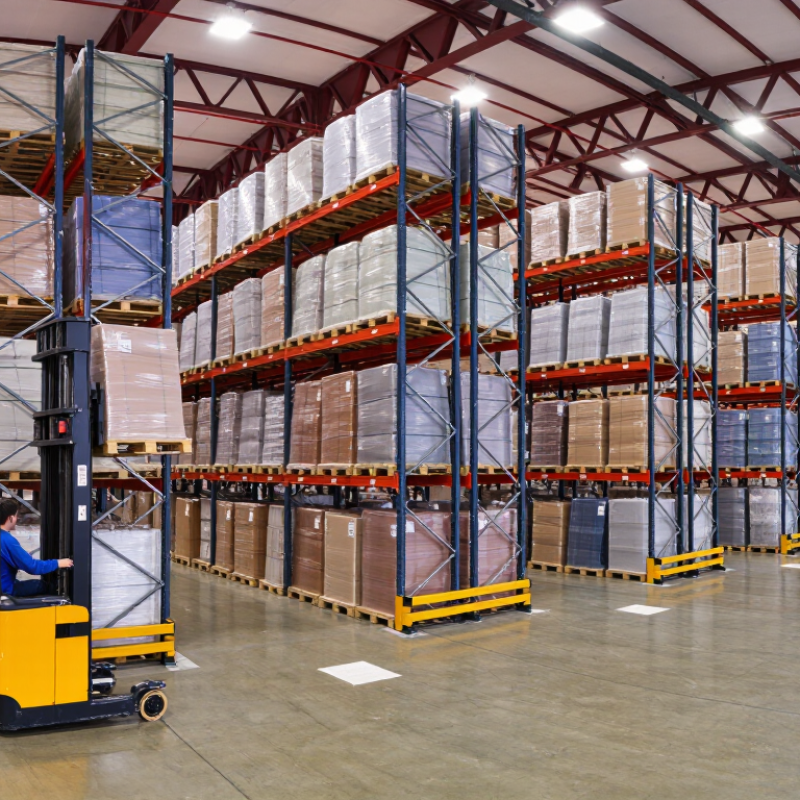
Top Heavy Duty Racks Manufacturers in China?

What Defines Heavy-Duty Racking: Pallet Loads, Frames, and Beam Levels

Heavy-duty racking is defined by its verified load capacity, not its appearance. A pallet load includes the goods and pallet, and its weight must be assessed alongside load size and placement. A beam pair carries the load between two upright frames; each frame transfers forces to the floor. Capacity changes with beam length, frame height, bracing, and anchoring. The RMI/ANSI MH16.1-2023 specification provides engineering criteria for industrial steel storage racks. It does not provide one universal capacity for every rack. A rating must match the installed configuration.

Beam levels also affect how loads move through the structure. More levels may improve storage density, but changing beam positions can alter frame capacity. Check the rack supplier’s load tables against the actual pallet dimensions and weights. OSHA’s 29 CFR 1910.176(b) requires stored materials to remain stable and secure; a capacity label alone cannot correct damaged uprights or uneven loading. A neat drawing can still hide a poor fit. Measure the clear aisle, pallet overhang, and floor condition on site.

Tips: Record the maximum pallet weight, beam spacing, and frame height. Keep loads centered, and recheck ratings after layout changes. Almost right is not enough.

Heavy-Duty Pallet Racking: How Pallet Loads, Beam Levels, and Frames Relate

Illustrative example: Each beam level holds two pallets, and the bay has three beam levels. The chart calculates the load on one beam pair and the combined load on the three beam levels from the pallet weight. Upright frames must be selected for the resulting loads and the specific rack design; actual capacities vary with beam and frame dimensions, configuration, and site conditions. Confirm ratings with a qualified rack supplier.

How EN 15512 and ANSI MH16.1 Guide Rack Design and Load Ratings

Chinese buyers comparing heavy-duty rack manufacturers should ask how each load rating was established. EN 15512 sets structural design principles for adjustable pallet racking, including how component behavior and system stability affect calculated capacity. ANSI MH16.1 covers design, testing, and use of industrial steel storage racks. Both standards require more than checking a beam’s quoted capacity. Upright frames, beam connections, bracing, baseplates, and floor conditions all matter.

Numbers need context. A beam label is not a whole-bay rating. Designers need the actual beam span, rack height, load distribution, and configuration. A 2,000-kilogram pallet placed off-center can create a different demand from evenly positioned goods. Changes to deck type or aisle layout may also affect the approved design. Ask for calculations and test documentation tied to the proposed configuration, not just a generic certificate.

Automation makes this more important. MHI’s 2024 Annual Industry Report found that 55% of surveyed supply-chain leaders planned to increase technology investment. New equipment can change traffic patterns and loading conditions, so rack design should be reviewed alongside the operating plan. Still, paperwork can look reassuring while site details are missing. Check slab capacity, anchor installation, and damage-inspection procedures with qualified professionals. Standards guide design; they do not replace careful installation or ongoing checks.

How to Assess Chinese Manufacturers’ Steel Forming, Welding, and Testing

A large steel industry does not guarantee consistent rack components. World Steel Association’s World Steel in Figures 2024 reports that China produced 1,019.1 million tonnes of crude steel in 2023. That scale makes supplier verification essential. Ask for mill test certificates linked to coil or batch numbers, then compare stated grades and thicknesses with delivered material. Measure several points on each upright; coatings and uneven edges can hide variation. Small details matter.

For forming, inspect upright holes, bends, and beam-end connectors for repeatable dimensions. Request process records and samples from the same production line, not only a polished showroom piece. Welding deserves equal scrutiny. Review qualified welding procedures, operator qualifications, and inspection records. Visual checks can reveal undercut, porosity, or inconsistent bead size, but they cannot prove internal weld integrity. Ask how suspect joints are sampled and tested. Some factories may resist sharing raw results; treat that as a reason to probe further.

Finished-rack testing should reflect the actual configuration: beam spans, upright frames, connections, and floor anchors. Ask for load-test reports showing the setup, applied loads, measured deflection, and calibrated equipment. ANSI MH16.1 provides a recognized design and testing reference for steel storage racks; use it to frame questions, not as a substitute for independent evidence. A single pass certificate is not the whole story. Check whether failed tests triggered corrective action and retesting.

Comparing Suppliers by Rated Capacity, Seismic Design, and Quality Systems

When comparing heavy-duty rack manufacturers in China, check whether capacity figures match your intended layout. Ask whether a rating applies to each beam level, each bay, or the complete frame. A 2,000-kilogram rating can change with beam length, connector details, and upright spacing. Request load tables for the exact configuration and a sample calculation. Numbers need context. Confirm that the posted load sign matches the installed design.

Seismic design deserves separate scrutiny. Ask suppliers to explain assumptions about stored loads, rack height, floor anchorage, and site conditions. Request engineering calculations and drawings showing base plates and bracing. Confirm that the specified anchors suit the concrete slab. A rack designed for one arrangement may perform differently after aisle or beam changes. This gets overlooked. Have a qualified engineer review site-specific details before installation.

Quality systems show whether specifications carry through production. Look for material traceability, weld inspection records, dimensional checks on uprights and beams, and coating-thickness controls. Ask how nonconforming parts are separated and corrective actions recorded. Certificates can help, but they do not replace batch records or factory inspection. If possible, compare a finished sample with approved drawings. Small holes matter. Supplier visits and independent inspections can reveal gaps, though they cannot remove every installation or operating risk.

Top Heavy Duty Racks Manufacturers in China? — Comparing Suppliers by Rated Capacity, Seismic Design, and Quality Systems

Supplier comparison guide: rack capacities and seismic performance are configuration- and project-specific. Request calculations and test documentation for the exact design rather than relying on a generic product range.

Comparison dimension What to compare Evidence to request How to assess the response
Rated beam capacity Rated load per beam pair for the proposed beam length, connector, steel grade, and loading condition. Product-specific load tables, design assumptions, and engineering calculations identifying the exact beam profile and span. Compare like-for-like configurations. A capacity figure without its span, load distribution, and safety assumptions is not a reliable comparison.
Upright and bay capacity Upright-frame capacity and complete-bay capacity at the specified frame height, beam elevations, bracing, and base conditions. Frame design calculations, section details, allowable-load tables, and drawings showing bracing and beam levels. Check both beam and frame limits. The allowable load of a complete bay is constrained by the system’s governing component and layout.
Seismic design Design for the project location, site conditions, rack configuration, stored load, anchorage, and applicable building-code requirements. Project-specific seismic calculations, anchor and base-plate details, design criteria, and any required independent review or testing records. Do not treat “seismic rated” as a universal capacity. Confirm the stated code basis and that the calculations match the actual site and installation.
Design and installation standards The standards and code editions used for design, tolerances, installation, inspection, and safe use. A written standards list and project specification. Relevant references may include EN 15512, EN 15620, EN 15629, EN 15635, or ANSI MH16.1, depending on the project and jurisdiction. Check that the cited standard is applicable to the rack type and market, and that the supplier identifies the edition and scope.
Steel and component traceability Material grades, component identification, coating requirements, and consistency between supplied parts and approved drawings. Material certificates, purchase and inspection records, component specifications, and a documented identification or traceability process. Confirm that material records cover the components in the order and that substitutions require approval.
Quality management system Documented controls for design review, purchasing, production inspection, nonconformities, and corrective action. A current ISO 9001 certificate, where held, with a verifiable certification body, validity dates, and scope covering the relevant operations. ISO 9001 concerns the management system; it does not by itself certify a rack design or establish its load capacity.
Production and inspection controls Inspection of dimensions, welds, coatings, and finished components against approved specifications. Inspection and test plans, sample inspection reports, equipment calibration records, and nonconformance procedures. Look for measurable acceptance criteria, recorded results, and clear responsibility for corrective actions.
Installation, inspection, and after-sales support Installation instructions, load signage, handover documents, replacement parts, and support for damage inspections. Installation method statements, inspection guidance, warranty terms, spare-parts policy, and documented service arrangements. Confirm who is responsible for installation, periodic inspections, repairs, and notifying the operator when a rack is damaged or overloaded.

Procurement note: request a project-specific quotation and engineering package for the same load, bay dimensions, operating environment, seismic criteria, and applicable standards before comparing suppliers.

Matching Rack Types to Warehouse Layouts, Forklifts, and Inventory Needs

Matching heavy-duty racks to a warehouse starts with the inventory, not a catalogue photo. Selective pallet racks suit mixed products because each pallet remains accessible. High-density drive-in systems store more pallets in less floor space, but limit direct access. Good fit matters. Long, bulky items may need cantilever arms instead of standard beams. Check load dimensions and weight before choosing a rack type.

Layout and forklift movement must work together. A narrow-aisle truck can serve tighter aisles, while counterbalance forklifts need more turning room. Measure the truck’s turning radius, lift height, and mast clearance on site. Leave space for guards, columns, and safe pedestrian routes. A tidy floor plan can still fail when a loaded truck cannot turn at the aisle end.

Inventory turnover also shapes the design. Fast-moving goods often benefit from direct access; slower stock may justify denser storage. Keep frequently picked items near dispatch, and place heavier pallets at lower levels where practical. One detail is easy to overlook: packaging can change pallet dimensions. Recheck actual loads, not just supplier specifications. Rack capacity signs and periodic inspections help teams spot damage or overloading, though inspection routines may need adjustment as stock patterns change.

FAQS

What should a rack load rating include?

It should match the actual beam span, rack height, load distribution, and frame configuration. A beam label alone is not enough.

Why ask for calculations and test documents?

They show how the proposed layout was assessed. Request documents for your exact configuration, not only a general certificate.

Can a 2,000-kilogram pallet affect a rack differently when placed off-center?

Yes. Uneven placement can change the forces on beams and frames. Small positioning differences matter.

What should be checked for seismic design?

Review stored loads, rack height, floor anchorage, base plates, and bracing. Have a qualified engineer check site-specific details.

How can buyers assess production quality?

Ask for material traceability, weld inspection records, dimensional checks, and coating controls. Compare a finished sample with approved drawings, if possible.

Which rack type suits mixed or bulky inventory?

Selective racks provide direct access to individual pallets. Long, bulky items may need cantilever arms. Measure real load dimensions first.

How should racks fit forklift routes and warehouse aisles?

Check turning radius, lift height, and mast clearance on site. Allow room for columns, guards, and pedestrian routes. A drawing can miss a tight turn.

What should teams inspect after installation?

Check anchor installation, slab capacity, damage, and load signs. Review inspection routines when stock patterns change. They may need adjustment.

Conclusion

Choosing the right Heavy Duty Racks starts with understanding the loads they must support, including pallet weight, frame capacity, and the number and placement of beam levels. Reliable rack design depends on accurate load ratings and recognized engineering guidance, such as EN 15512 and ANSI MH16.1. These standards help buyers evaluate structural performance, while careful assessment of a manufacturer’s steel forming, welding, inspection, and testing processes can reveal how consistently its systems are made.

When comparing suppliers in China, consider rated capacity, seismic design provisions, and documented quality systems alongside price. The best solution also needs to fit the warehouse: layout, aisle width, forklift type, pallet dimensions, inventory turnover, and storage needs all affect rack selection. Matching these factors can improve space use and support safe, efficient operations over the long term.

Charlotte

Charlotte

Charlotte is a seasoned marketing professional with a deep understanding of the company's portfolio and a passion for elevating its presence in the market. With a keen eye for detail and a commitment to excellence, she ensures that our professional blog is regularly updated with insightful articles......