Point Of Purchase Displays (POP Displays) play a crucial role in retail sales strategies. According to a study by the Retail Industry Leaders Association, effective POP Displays can increase sales by up to 20%. This statistic highlights their significance in capturing customer attention at the critical moment of purchase. POP Displays directly influence consumer behavior, encouraging impulse buys and elevating brand visibility.
Moreover, findings from the Point of Purchase Advertising International (POPAI) indicate that nearly 70% of purchasing decisions are made in-store. Therefore, utilizing well-designed POP Displays can dramatically enhance a retailer's ability to drive sales. However, not all displays succeed. Some may fail to engage customers or convey the intended message accurately. This gap presents an opportunity for improvement.
Retailers must continually assess the effectiveness of their Point Of Purchase Displays. They must analyze customer feedback and sales data to refine their approach. By focusing on design, placement, and messaging, retailers can leverage POP Displays to maximize their sales potential. The interplay between strategy and execution is vital in creating a compelling in-store experience.
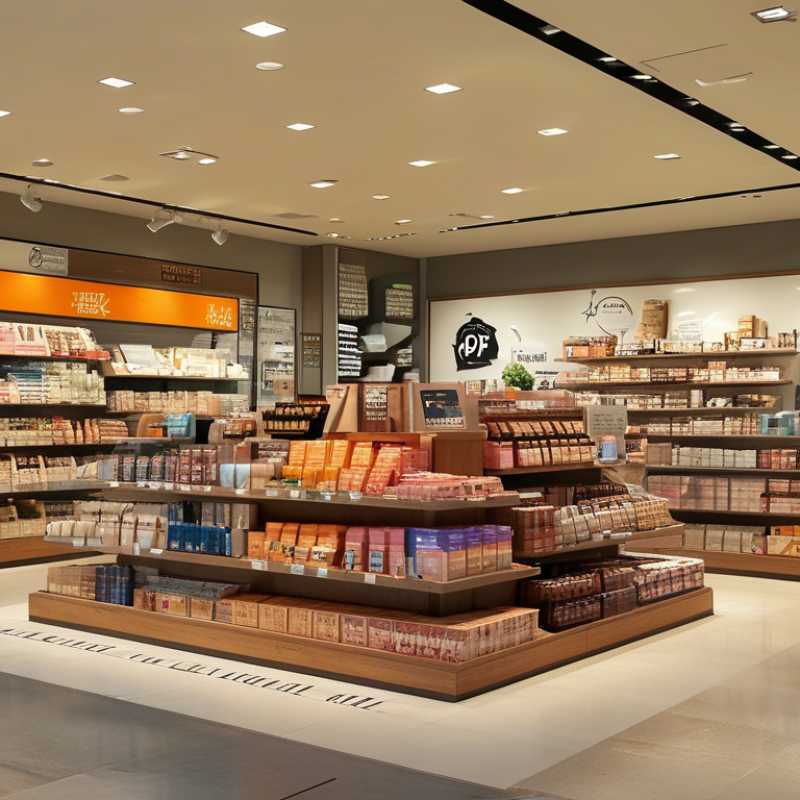
Point of Purchase (POP) displays play a crucial role in retail environments. They can influence customer decisions at the moment of sale. These displays often capture shoppers' attention with vivid colors and striking designs. They are strategically placed near checkouts or in high-traffic areas. When designed thoughtfully, POP displays can increase impulse buys significantly.
Understanding the psychology of shoppers is essential for effective display design. Most customers are often overwhelmed with choices. A well-placed display reduces the noise. It can highlight promotions or new products. However, not every display achieves its intended goal. Some fail to engage or inform the customer effectively. This indicates a need for ongoing testing and refinement.
Effective POP displays should also reflect the brand’s message. They need to resonate with the target audience. It's important to consider factors like demographics and store layout. Regular evaluation of display performance can provide insights. Merchants should remain open to adjustments based on consumer behavior. Exploring new ideas can lead to better engagement and higher sales.
Point of purchase (POP) displays play a crucial role in retail marketing. They influence consumer decisions at the last moment. Various types of displays can enhance visibility and drive impulse purchases. Let's explore some effective types of these displays.
Floor displays are eye-catching and can hold a large volume of products. They often highlight promotional items or new arrivals. However, clutter can diminish their impact if not managed well. Countertop displays, on the other hand, offer accessibility and convenience. They are perfect for small items that customers might buy on impulse. Yet, too many products in one display can overwhelm shoppers.
Another category is end-cap displays, located at the end of aisles. These act as focal points and grab shoppers' attention. While they can boost sales significantly, poor placement can lead to reduced effectiveness. Digital screens in POP displays are growing in popularity. These attract attention with moving graphics and videos, which can engage customers. However, technology failures can cause frustration, impacting the shopping experience negatively. Retailers must carefully choose the right type of display to create an inviting environment.
| Display Type | Description | Effectiveness (%) | Best Use Case |
|---|---|---|---|
| Counter Display | Small displays placed on checkout counters to catch customers' attention. | 25% | Impulse purchases at checkout. |
| End Cap Display | Displays located at the end of aisles, showcasing featured products. | 40% | Highlighting seasonal items. |
| Floor Stand Display | Freestanding displays placed in high-traffic areas of the store. | 50% | Promoting new or trending products. |
| Dump Bin Display | Large bins filled with products, encouraging bulk buying. | 35% | Clearance items or promotions. |
| Shelf Talkers | Small signs attached to shelves, providing product information and promotions. | 20% | Encouraging upsells. |
Point of Purchase (POP) displays serve as essential tools to capture consumer attention. Their placement is crucial. Data reveals that 70% of buying decisions are made in-store. This highlights the importance of well-designed displays. An eye-catching design can transform foot traffic into sales. Utilizing vibrant colors and clear messaging is vital. Research indicates that products in prominent displays see a 400% increase in sales.
High-quality materials matter too. Consumers are more likely to engage with displays that look professional. The texture, lighting, and overall craftsmanship can impact perception. A study found that displays with unique shapes can increase interest by 30%. However, not all displays achieve this. Some fail to attract customers due to cluttered designs or unclear information. Simplicity often leads to better engagement.
Regular feedback can enhance display effectiveness. Monitor what attracts shoppers. Adjusting designs based on consumer behavior is essential. Even small changes can lead to significant results. For example, repositioning a display can enhance visibility. This adaptability ensures that brands remain relevant and responsive to changing consumer preferences.
Point of Purchase (POP) displays can significantly influence sales performance. According to a study by POPAI, about 70% of purchase decisions are made in-store. This emphasizes the powerful role of visual merchandising in capturing consumer attention. A well-designed display not only attracts customers but also enhances their overall shopping experience.
Measuring the effectiveness of these displays involves tracking metrics such as sales lift, foot traffic, and customer engagement. Retail analytics tools can provide insights into how displays correlate with sales. For example, a retailer may observe a 25% increase in sales for products featured on prominent displays versus those that are not. However, not all displays perform equally. It’s crucial to experiment with different designs and placements to identify what resonates with your target audience.
Tips for effective POP displays:
- Ensure that displays are well-lit and placed at eye level.
- Use clear signage to communicate promotions.
- Regularly refresh the display to maintain consumer interest.
Inconsistencies in display execution can lead to decreased sales. Retailers must continually analyze performance and adapt strategies. Engaging with customers can uncover their preferences and improve display effectiveness. Understanding your unique customer base is essential for maximizing the potential of POP displays.
Point of Purchase (POP) displays have proven to be a dynamic tool for enhancing retail sales. Retail environments that effectively utilize these displays see an average sales increase of 20%. This statistic, supported by various studies, demonstrates that consumers are more likely to make impulse purchases when products are strategically placed within their line of sight.
Case studies highlight the effectiveness of POP displays in multiple sectors. In grocery stores, research shows that visually appealing displays can drive sales of featured products by up to 30%. For example, a well-designed endcap display can capture customer attention and encourage trial purchases. However, the placement must be thoughtfully executed. Poorly placed or overcrowded displays can lead to consumer confusion and frustration.
Furthermore, brands that have successfully leveraged innovative designs often see an increase in brand loyalty. Research indicates that 70% of consumers are influenced by in-store displays. Effective POP strategies are characterized by simplicity and clarity. Brands need to reflect often on whether their displays truly resonate with the target audience. In an era of constant change, regular assessments of display effectiveness are crucial for sustaining engagement and sales.
: POP displays are marketing tools used in retail to influence consumer decisions at the point of sale.
Floor displays are eye-catching and can showcase many products. They highlight promotions, but clutter can reduce their appeal.
Countertop displays provide easy access for impulse buys. However, too many items can overwhelm shoppers and reduce interest.
End-cap displays are placed at aisle ends and capture attention. Poor placement can limit their effectiveness despite potential sales boosts.
Digital screens use moving graphics to attract shoppers. But, technology failures can frustrate customers and harm their experience.
Design is crucial because 70% of buying decisions are made in-store. Eye-catching designs can significantly increase sales.
High-quality materials enhance consumer engagement. Poor quality can lead to negative perceptions of the product or brand.
Regular feedback helps retailers understand consumer attraction. Adjusting designs based on this feedback can lead to better results.
Vibrant colors attract attention, while clear messaging helps convey the intended message. Simplicity is often more effective than cluttered designs.
Yes, even repositioning a display can improve visibility and engagement. Adaptability keeps brands relevant to consumer preferences.
Point Of Purchase Displays play a crucial role in retail by enhancing product visibility and encouraging impulse purchases. Understanding their significance allows retailers to create more engaging shopping environments. Various types of displays, such as floor stands and countertop units, each serve unique purposes and can significantly impact sales effectiveness when strategically employed.
Designing eye-catching Point Of Purchase Displays involves incorporating elements like color, lighting, and interactive features to attract consumers' attention. Best practices emphasize the importance of clear messaging and product placement. Furthermore, measuring the impact of these displays is essential for evaluating their contribution to sales performance. Case studies illustrate successful implementations, showcasing how well-designed displays can lead to increased customer engagement and higher sales conversions in retail settings.
DirectRack