Why Choose Stackable Storage for Your Business?

Time:2026-11-09 Author:Sophia
0%

Every business needs room to keep products, tools, or supplies close at hand. Yet floor space is costly, and clutter can slow routine work. Stackable Storage offers a practical way to use vertical space while keeping items grouped and accessible. In a stockroom, sturdy bins can hold fast-moving parts at waist height, while less-used supplies sit above them. A small shop might stack labeled crates behind the counter. A warehouse may use modular totes to organize picking areas. Space matters.

The best system depends on more than available square footage. Consider load capacity, container dimensions, material, access frequency, and whether units remain stable when stacked. Match containers to their contents; heavy goods belong in lower positions, and labels should stay visible. Check that shelves, floors, and handling equipment can support the planned arrangement. This can reduce avoidable strain and make stock counts easier. Still, stacking is not automatically efficient. If workers must move several containers to reach one item, the layout may create delays instead of preventing them. That takes planning.

A small trial can reveal issues before a full rollout. Start with one aisle or work zone, note how often staff retrieve items, and watch for unstable stacks or blocked paths. Ask employees what slows them down; their observations may reveal problems a floor plan misses. Choose compatible units, set clear weight limits, and review the setup as inventory changes. Stackable Storage can improve organization, protect usable floor area, and support cleaner workflows, but only when the design fits daily tasks. The goal is not to stack as high as possible. It is to store safely, find items quickly, and adjust as the business grows.
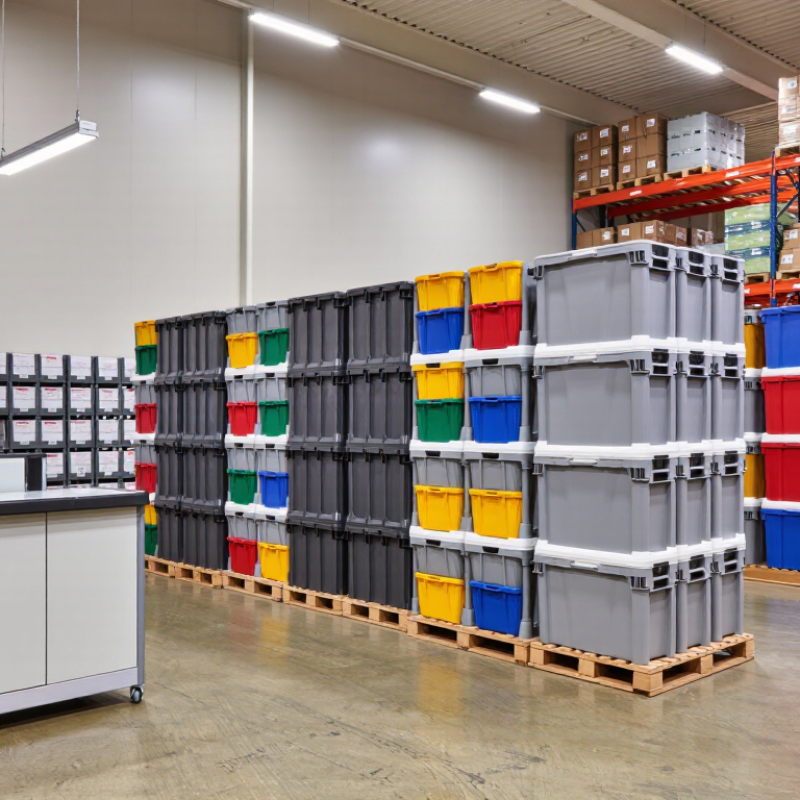
Why Choose Stackable Storage for Your Business?

What Stackable Storage Is and How It Works

Stackable storage uses containers, trays, or shelving units designed to sit securely above one another. The goal is to use vertical space while keeping goods grouped and easier to locate. Some units have molded corners or lips that help prevent sliding; others rely on a stable frame. Not every stack is interchangeable. Dimensions, materials, and load limits matter.

To set up a system, workers place heavier items at the bottom and lighter items above. They leave labels or open sides facing the aisle, so contents can be checked without moving every container. A warehouse might store fast-moving parts at waist height and reserve higher levels for less-used supplies. Clear pathways still matter. A tall stack can block visibility or become awkward to reach, even when it saves floor space.

Before stacking, check the floor, the unit’s condition, and the manufacturer’s stated capacity. Keep the load balanced, and avoid letting boxes hang over the edges. In practice, the tidy layout on a planning sheet may not match a busy shift. Staff may return items to the wrong level, or a container may be too full to stack safely. Regular checks help reveal these small problems before they disrupt picking or access.

How Stackable Storage Makes Better Use of Space

Floor space is expensive, especially in a stockroom where boxes, tools, and seasonal supplies compete for every clear path. Stackable storage uses vertical space, turning a wide, low pile into a smaller footprint. A set of matching containers can sit above a workbench or along a wall, leaving more room for carts and staff to move.

The useful detail is access. Put frequently used items at waist height, and reserve higher levels for light, occasional-use supplies. Heavy containers belong low, on a stable surface. Clear labels on the front can save time when workers need to find a fitting or reorder packing materials. Small changes help.

Before buying, measure shelf depth, ceiling height, and the space needed to lift a container off the stack. Containers that fit neatly when full may be awkward to handle when loaded. That part is easy to overlook. Stackable systems also need sensible limits; unstable piles can create a mess, not more capacity. A short trial in one storage area can reveal whether the layout works during a busy shift, when people rarely put every item back perfectly.

Why Choose Stackable Storage for Your Business? - How Stackable Storage Makes Better Use of Space

Storage Arrangement Pallet Loads Stored Loads per Floor Position Floor Positions Needed Storage Footprint Floor Space Saved vs. Single-Tier Approx. Load Height*
Single-tier storage 96 1 96 1,280 sq ft (119.0 m²) Baseline 1.2 m
Two-tier stacking 96 2 48 640 sq ft (59.5 m²) 50% (640 sq ft / 59.5 m²) 2.4 m
Three-tier stacking 96 3 32 426.7 sq ft (39.6 m²) 66.7% (853.3 sq ft / 79.3 m²) 3.6 m

Illustrative calculation: Based on 96 pallet loads, a standard 48 × 40 in (1,219 × 1,016 mm) pallet footprint, and an assumed load height of 1.2 m per tier. Footprint figures cover pallet positions only; they exclude aisles, access clearances, and other operational space. Actual stacking height and load limits depend on the goods, packaging, pallet condition, floor capacity, and applicable safety requirements.

How It Supports Inventory Handling and Access

Stackable storage helps businesses use vertical space while keeping inventory within reach. A stable stack of uniform bins can free floor space beside a packing bench or receiving area. Clear labels on the front let staff identify stock without moving every container. When frequently used items sit at waist height, picking often takes fewer steps and less bending. Small change. Still useful.

Access depends on how the system is arranged, not just how high containers stack. Keep fast-moving items in the front or lower rows, and reserve upper levels for slower stock. Leave enough aisle room to remove a bin safely. A stack that looks tidy but blocks a label or requires shifting five containers is not efficient. Weight, container condition, and shelf limits also matter. These details are easy to overlook during a busy restock.

Tips: Assign a fixed location to each item, then mark it clearly. Check stacks during routine counts, especially after heavy items move. If staff repeatedly rearrange bins to reach common stock, adjust the layout; the original plan may not fit daily work.

Which Stackable Storage Designs Suit Different Business Needs

Retail backrooms need compact, visible storage. The U.S. Census Bureau reported that e-commerce represented 16.1% of U.S. retail sales in the fourth quarter of 2024. For fulfilment teams, open-front stackable bins keep fast-moving items visible and reachable, while lidded containers protect reserve stock from dust. Small parts need order. Label the front and keep frequently picked items between waist and shoulder height.

Manufacturers often benefit from heavy-duty stackable totes with reinforced bases and consistent footprints. These suit component staging beside workstations and can move between storage and production areas. Check each container’s rated load and stacking limit; a neat tower is not automatically a safe one.

MHI’s 2024 Annual Industry Report found that 55% of respondents planned to increase supply-chain technology investment. That shift makes modular, clearly identified storage useful alongside digital inventory systems, but bins cannot fix poor data.

Seasonal businesses may prefer nesting crates that stack when full and collapse or nest when empty, freeing floor space after peak periods. Retailers with frequent replenishment may choose stack-and-nest containers with access openings, so staff can retrieve goods without unstacking everything. Not every stack suits. Mixed container sizes can waste shelf depth, and incompatible lids may slow handling. Measure shelving, aisle clearance, and typical item dimensions before choosing a design. A small trial in one picking zone can reveal awkward reaches or unstable stacks before a larger purchase.

How to Choose and Implement a Stackable Storage System

A stackable storage system should fit the way your team works, not just the dimensions of your stock. Start by listing the items you store, their weights, and how often staff need them. Measure the available floor area, ceiling height, doorways, and aisle widths. Measure twice. A few centimeters can affect access or stability.

Choose containers or shelving modules with clear load ratings and compatible footprints. Keep heavier items low, and reserve upper levels for lighter, less frequently used stock. Label the front and sides so staff can identify contents from different angles. Check that workers can safely reach frequently used items without climbing or overreaching. That matters. Also confirm the floor is level and suitable for the combined load; ask a qualified facilities professional if its capacity is uncertain.

Before expanding, set up a small trial section in a busy area. Track how long picking takes, whether labels stay visible, and where staff pause or move items unnecessarily. A layout that looks efficient on paper may create awkward turns in practice. We once treated uniform box sizes as a safe assumption; mixed packaging quickly proved otherwise. Review the arrangement after a few weeks, then adjust spacing, labels, or module locations using feedback from the people who handle the stock daily.

FAQS

Which stackable storage design works best for retail backrooms?

Open-front bins keep fast-moving items visible and easy to reach. Lidded containers help protect reserve stock from dust.

What should manufacturers look for in stackable totes?

Choose reinforced bases and consistent footprints for staging parts near workstations. Check load ratings and stacking limits. A tidy tower is not automatically stable.

How can seasonal businesses save floor space?

Nesting crates can stack when full and nest when empty. They free up room after busy periods. Useful, but not magic.

How do access openings help with frequent replenishment?

Staff can retrieve goods without removing every container above. This can reduce handling, though the opening must suit the stored items.

What should teams measure before choosing a system?

Measure shelves, floor space, ceiling height, doorways, and aisle widths. Also check typical item dimensions. A few centimeters can matter.

How should heavy and frequently picked items be arranged?

Keep heavy items low. Place frequently used stock between waist and shoulder height, where staff can reach it without climbing or overreaching.

How can a team test a storage layout before expanding?

Set up a small trial in a busy picking area. Track picking time, label visibility, awkward turns, and unnecessary item moves.

Why do labels and compatible container sizes matter?

Front and side labels help staff identify contents from different angles. Mixed sizes or incompatible lids can waste shelf depth and slow handling.

How should teams improve the layout after installation?

Review it after a few weeks and ask the people handling stock daily. We once assumed uniform box sizes would work; mixed packaging proved otherwise. Recheck the arrangement.

Conclusion

Stackable Storage helps businesses organize goods efficiently by using containers, bins, or other storage units designed to sit securely on top of one another. By making use of vertical space, it can free up valuable floor area, reduce clutter, and create a more orderly working environment. A well-planned system can also make inventory easier to group, identify, and access, helping staff handle items more smoothly during receiving, storage, and daily operations.

Different designs suit different needs, from open bins for frequently accessed products to enclosed containers for items that benefit from added protection. When choosing a system, businesses should consider the size, weight, and turnover of their inventory, the available space, and how often items need to be reached. Careful planning of layout, safe stacking, and consistent labeling can help a stackable storage system remain practical as business needs change.

Sophia

Sophia

Sophia is a dedicated marketing professional with an exceptional depth of knowledge about her company's products and services. With a keen understanding of market trends and customer needs, she crafts insightful blog posts that not only inform but also engage readers, enriching the company’s online......