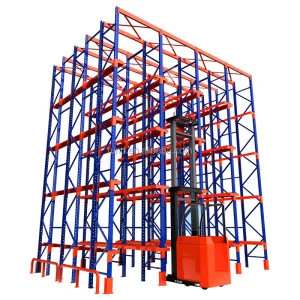
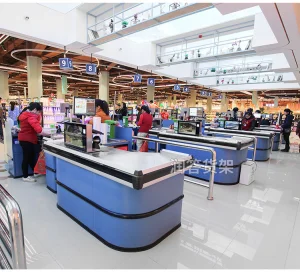
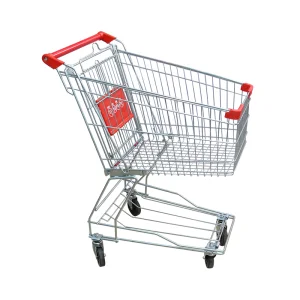
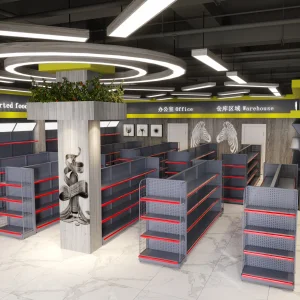
Engineered to meet rigorous international standards with optimal structural integrity
Understanding the micro and macro-economic factors influencing retail fleet procurement
In the modern retail ecosystem, the humble grocery cart has evolved from a basic material-handling tool into a critical touchpoint for user experience, data gathering, and operational efficiency. As supermarkets, hypermarkets, and cash-and-carry stores adapt to omni-channel retail environments, the demand for high-durability, ergonomic, and compliant logistics equipment has reached unprecedented levels. CE certification has emerged as the definitive benchmark, signaling a manufacturer’s commitment to strict health, safety, and environmental protection standards within the European Economic Area (EEA) and globally.
Global procurement teams are no longer just looking at unit prices. Instead, they analyze the Total Cost of Ownership (TCO), which includes lifecycle durability, maintenance costs, castor longevity, and safety compliance. Fast-paced urban grocery configurations require lightweight, high-nesting density carts that reduce space consumption, while warehouse-style stores require reinforced steel frames capable of carrying heavy bulk loads without structural deflection. Understanding these distinct localized application scenarios is key to optimizing capital expenditure.
Compliance with the EN 1929 standard ensures shopping trolleys are stable on travelators, have reliable child safety seats, and prevent tipping incidents under max load conditions.
Modern fleets are adapting to smart retail, integrating RFID tags, digital tablet mounts, smart locking mechanisms, and weight sensors to streamline checkout systems.
Transitioning toward recyclable hybrid models combining high-molecular-weight polyethylene (HMWPE) plastics and low-carbon galvanized steel to reduce carbon footprints.
How automation and supply chain consolidation drive down global lead times
The manufacturing landscape for retail shopping carts has shifted dramatically toward automated hubs in China, with industrial clusters in Guangdong leading the charge. This efficiency advantage is not built on low-cost labor, but rather on deep technological integration and raw material supply chain consolidation. Factories in regions like Dongguan operate close to raw steel mills and automated chemical finish providers, creating a closed-loop system that eliminates internal logistics lag.
Advanced facilities utilize robotic wire-bending machines and multi-point mesh-welding matrices that produce flawless steel baskets in seconds. Automatic electrostatic powder coating lines ensure that each trolley receives a uniform protective layer resistant to UV rays, physical impacts, and moisture. This level of automation guarantees that high-volume orders—often spanning thousands of units—are completed with a precision that manual manufacturing can never match, maintaining a defect rate of practically zero.
| Manufacturing Metric | Traditional Factories | Advanced Automated Facilities (China) | Impact on Buyers |
|---|---|---|---|
| Welding Precision | Manual Arc Welding (Variable Quality) | Robotic Mash Welding & Multi-point Matrix | Uniform joint strength, zero structural cracking risk. |
| Surface Protection | Single coat liquid spray painting | Electrostatic Powder Coating & Galvanization | 10x higher corrosion resistance, zero peeling. |
| Nesting Density Design | Standard traditional spacing | CAD-optimized nesting structure | Reduces shipping container space by up to 25%. |
| Quality Control | Visual spot checks | X-ray weld seam analysis & destruction testing | Compliance with AS4084 & OSHA requirements. |
Production Plant
Industry Expertise
Annual Export Value
Supply Chain Network
A Technology-Driven Manufacturing Pioneer in Global Storage & Retail Systems
Founded in 2016, Dongguan Dingguan Metal Products Co., Ltd. (DirectRack) is a technology-driven warehouse equipment enterprise located in Dongguan, Guangdong Province. Leveraging 10 years of industry expertise and 8 years of international export background, the company operates a state-of-the-art manufacturing plant covering 25,000 square meters of building area. Our annual export revenue consistently exceeds $18 million USD, supplying premium steel storage systems to worldwide logistics networks.
Quality Assurance & Testing Standards: DirectRack maintains strict quality governance enforced by 28 specialized QC inspectors. Our quality control framework adheres to international AS4084 and OSHA safety standards. Our standard product inspection methods include X-ray weld seam analysis, coating thickness measurement via magnetic gauge, column compression destruction tests, and full-scale beam deflection loading tests to ensure zero-defect delivery.
Global Trade & Supply Chain: Utilizing a seamlessly integrated OEM/ODM trade background, DirectRack has established strategic alliances with 650 supply chain partners across raw steel sourcing and automated surface treatment industries. Our primary export markets include Southeast Asia, the Middle East, and South America. Our main client types range from retail distribution facilities and automotive parts warehouses to commercial FMCG wholesale hubs.
R&D & Customization Capabilities: Innovation is at the core of our business model. Spearheaded by 35 senior R&D engineers, DirectRack provides dynamic structural calculation models and fully bespoke modular storage designs. Our custom options feature customizable shelf depth/height ratios, multi-tier mezzanine configurations, anti-seismic bracing, and custom RAL color palettes. In the previous year, we successfully introduced 42 new product designs to meet evolving automated warehouse demands.
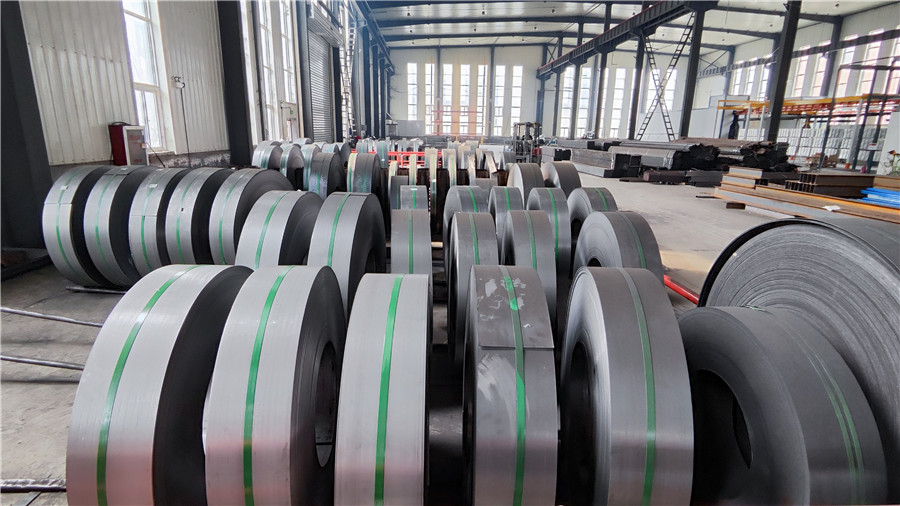 Raw materials
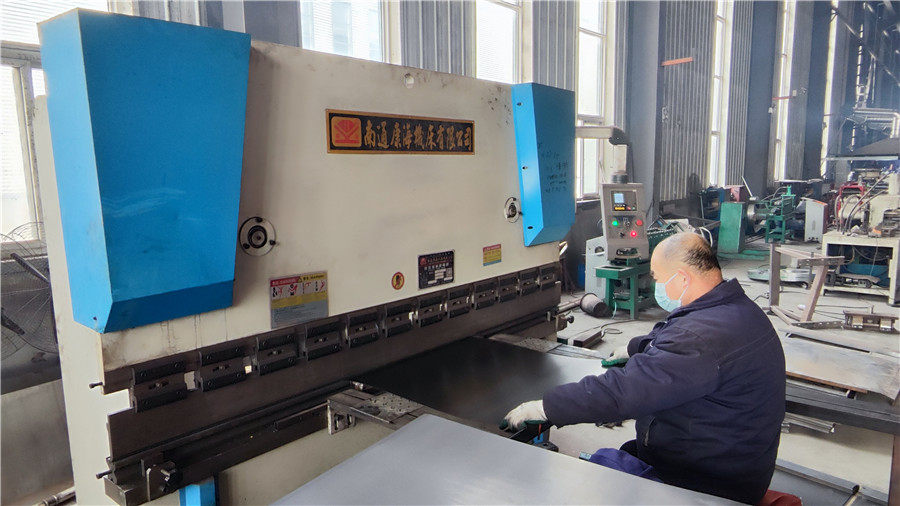 Bending
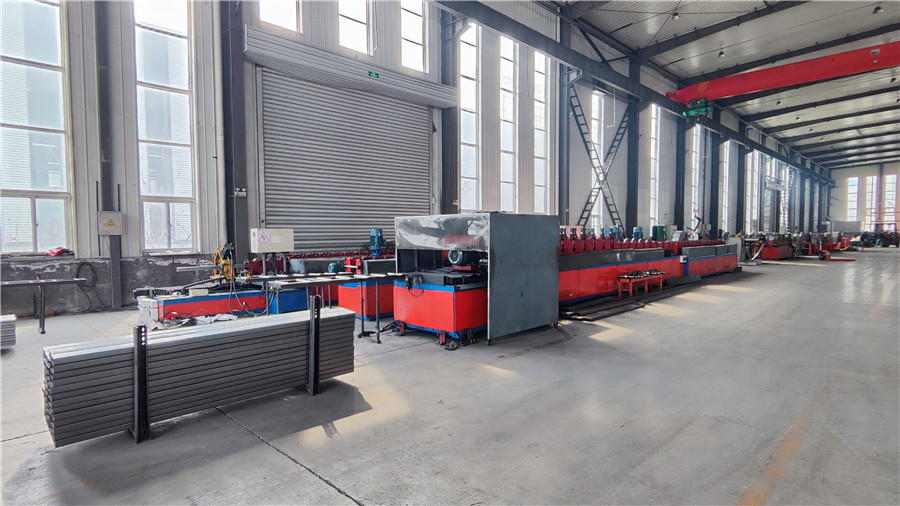 Forming
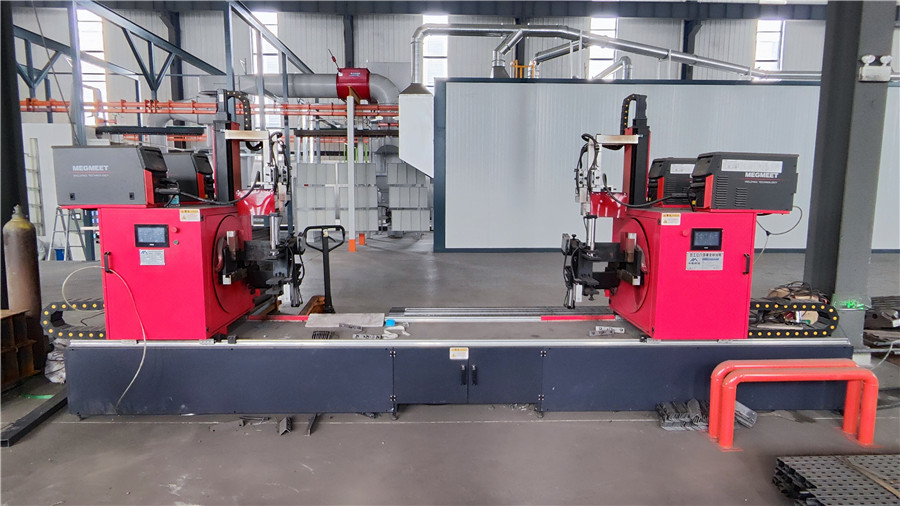 Welding
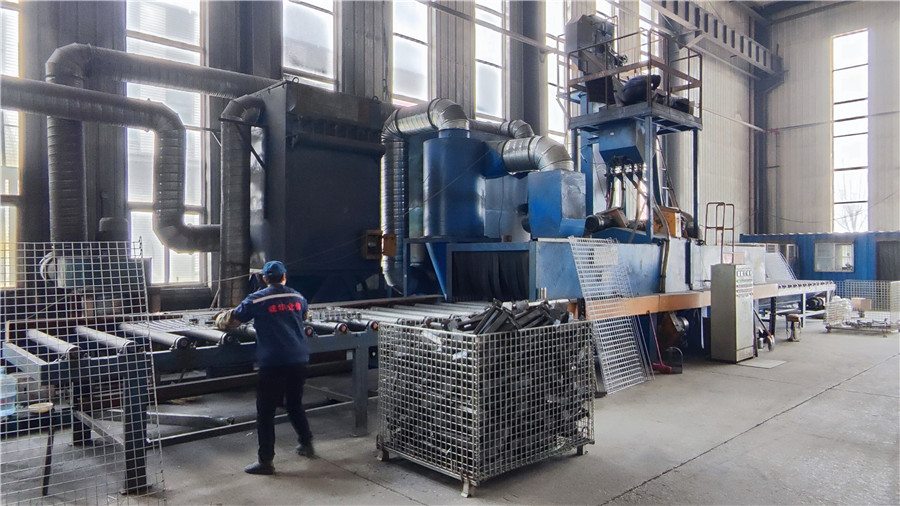 Shot-blasting
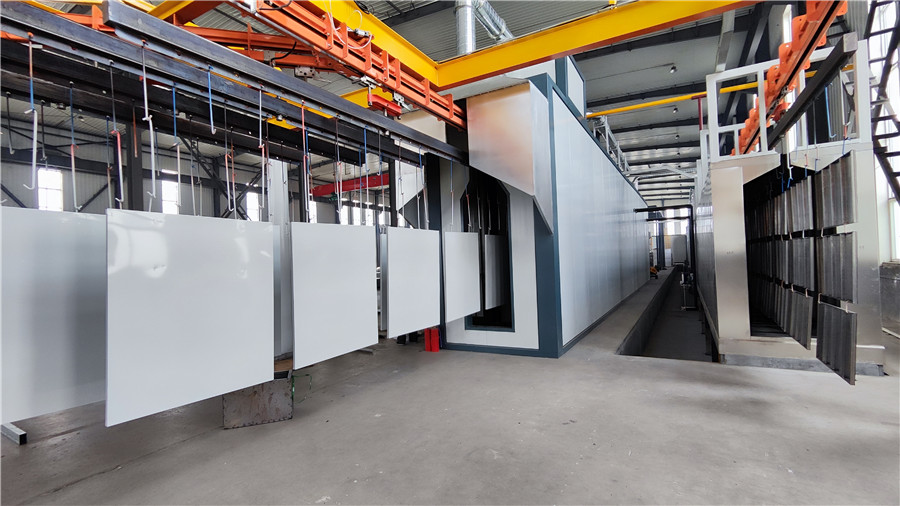 Spray molding
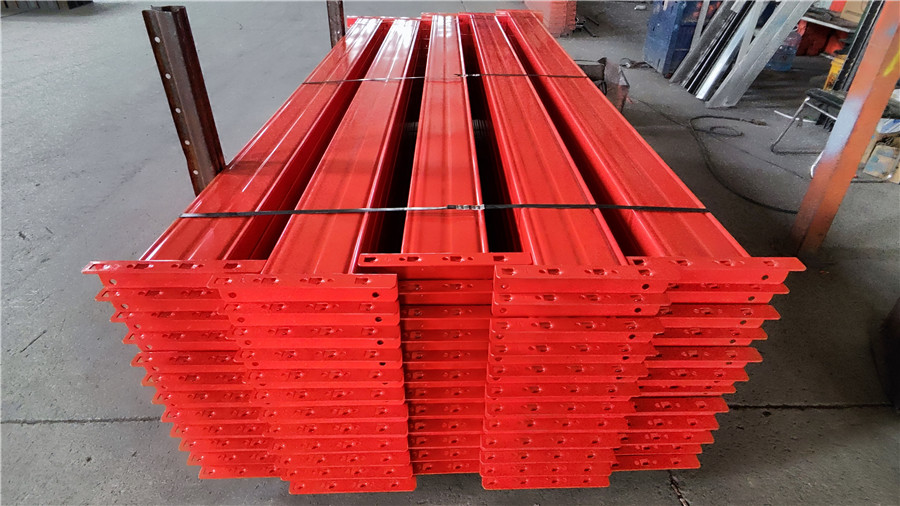 Finished products
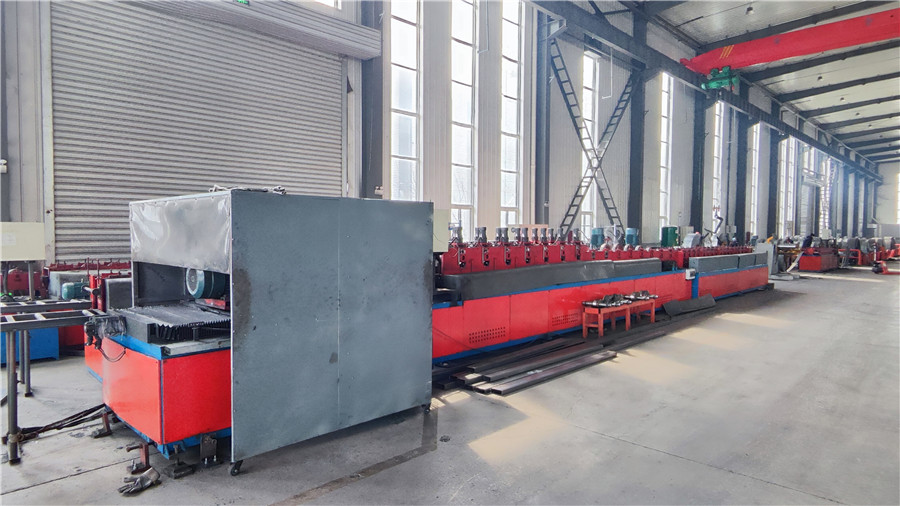 Forming machine
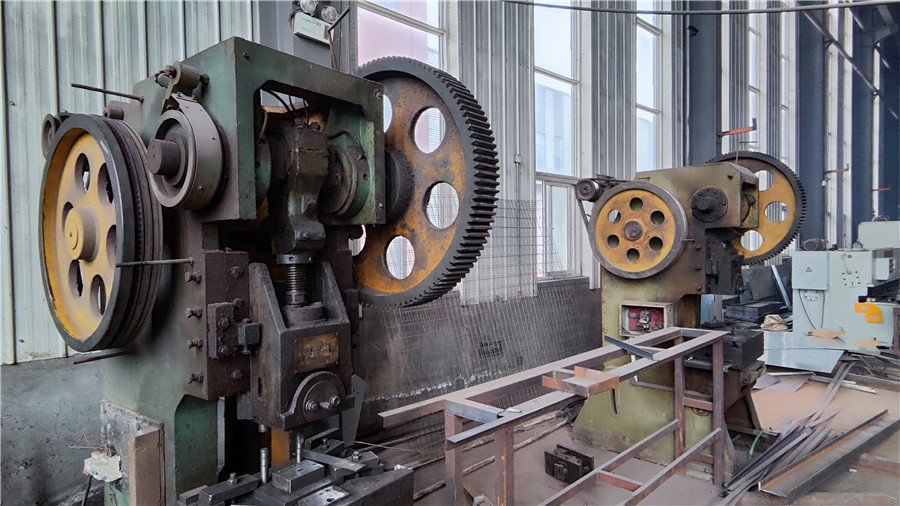 Punching machine
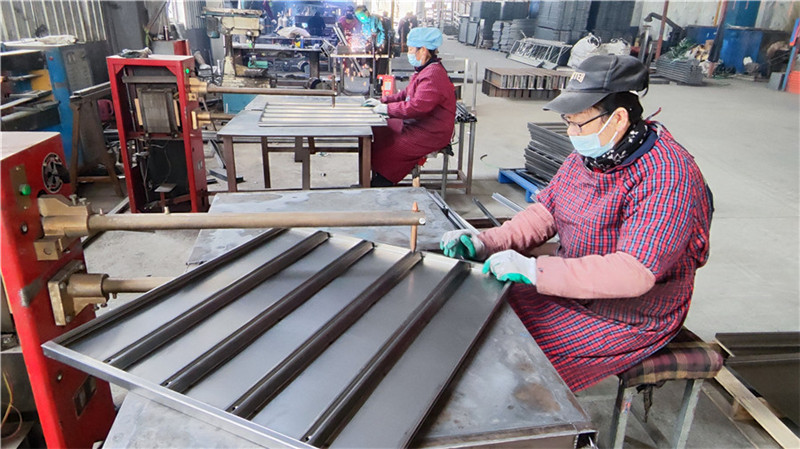 Mash welding machine
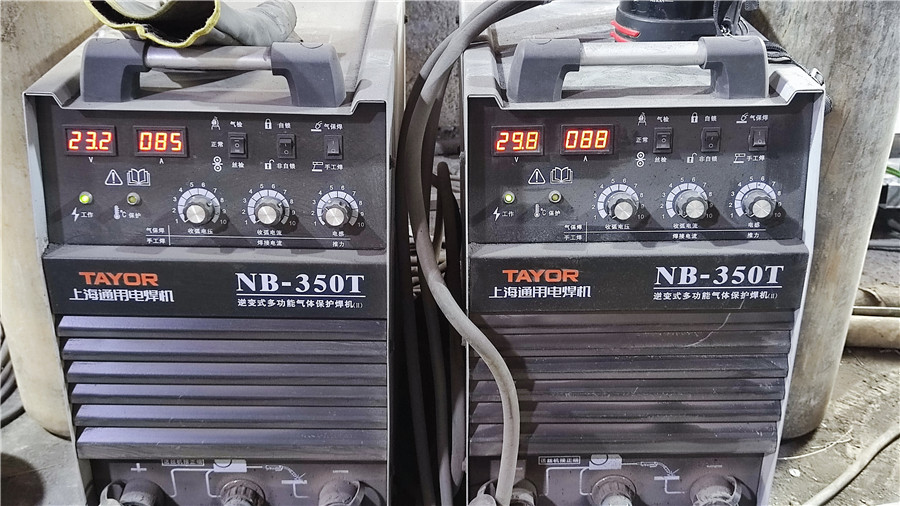 Welding machine
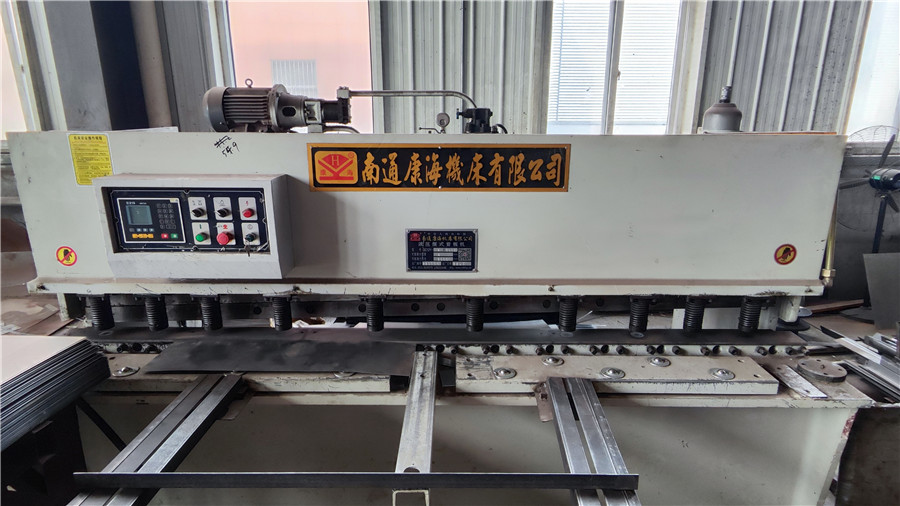 Shearing machine
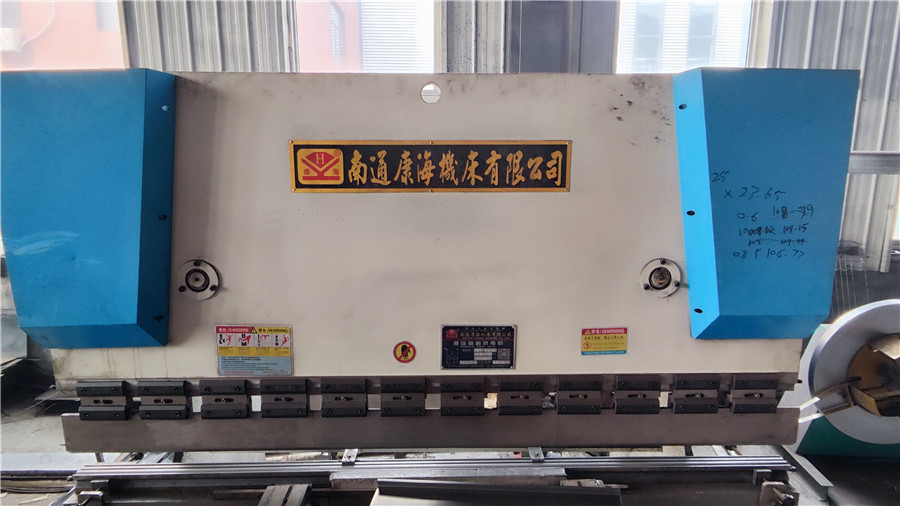 Bending machine
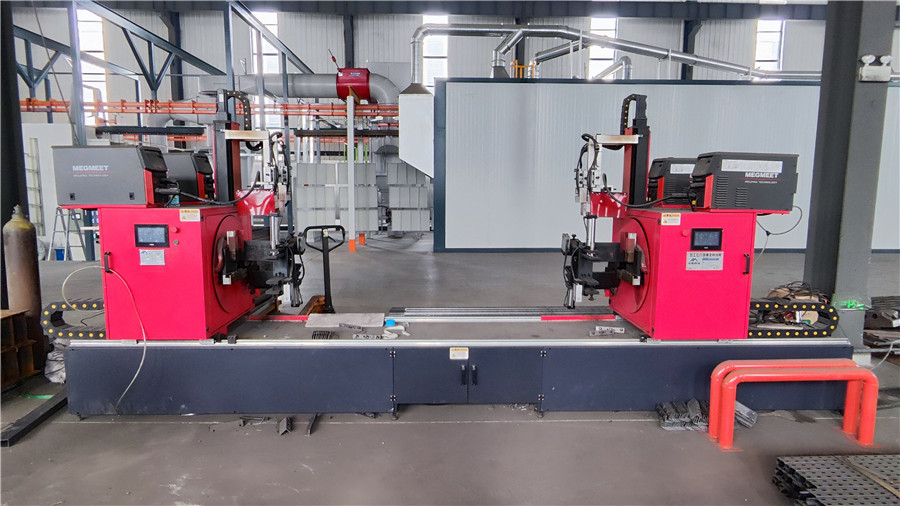 Automatic welding machine
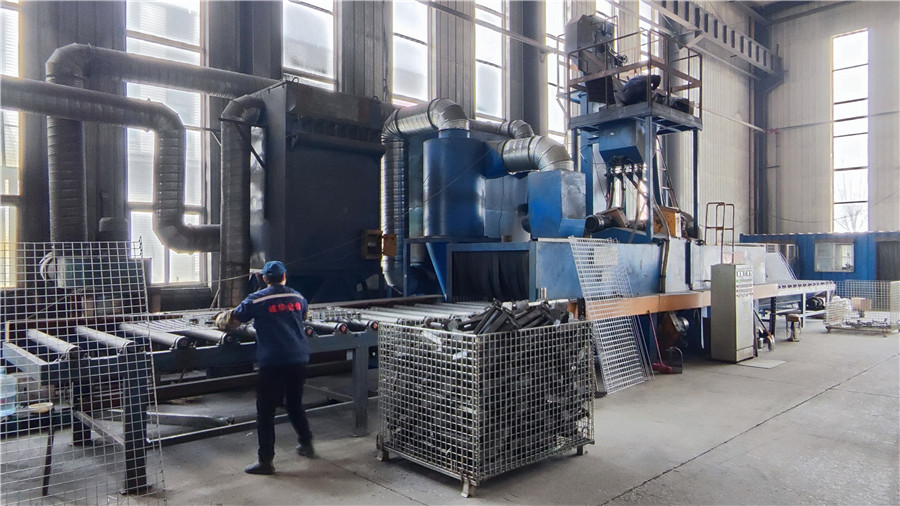 Shot-blasting machine
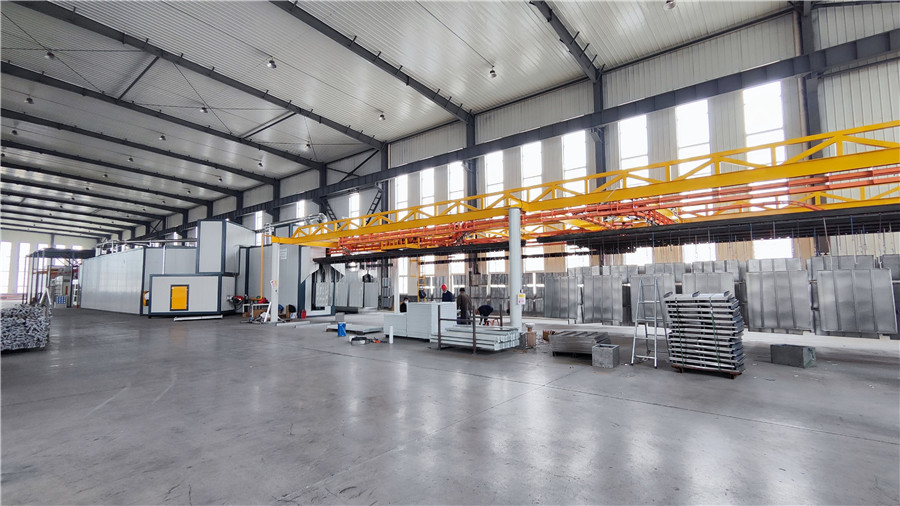 Spray molding line
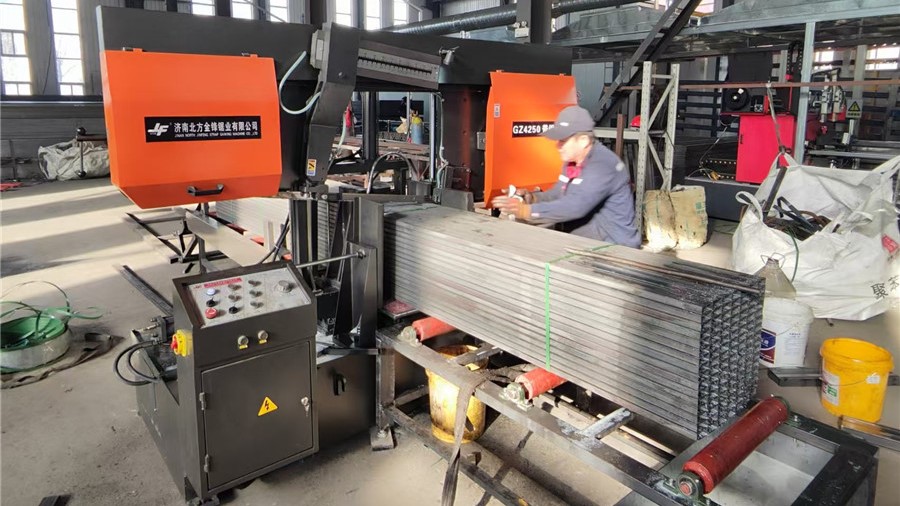 Sawing machine
Adapting physical hardware designs to distinct regional retail cultures
Retail design is highly localized. What works in a North American suburban hypermarket will not fit the physical constraints of a European historic city center boutique or a high-density Asian supermarket. Modern manufacturers must support massive OEM/ODM flexibility to accommodate these realities:
A double-layer surface treatment. First, a galvanized zinc layer is electrochemically applied to the steel, followed by an electrostatic powder coat. This provides industry-leading protection against rust in coastal regions or humid climates.
Custom wheels equipped with brake grooves designed specifically to lock into travelator pathways, ensuring that multi-level retail operations do not suffer runaway trolley accidents.
Mechanical coin-lock systems integrated directly into the handles of grocery cart fleets. This system encourages customers to return trolleys to designated bays, dramatically lowering replacement and labor costs.
Strategic tips for direct-to-factory sourcing and container optimization
For global supply chain directors, procuring grocery carts is a major logistics exercise. A standard 40ft High Cube (HQ) container can become costly if the nesting design of the shopping cart is not optimized. A high-density nesting design—where one cart slips deeply into another—can double the quantity of units shipped per container, effectively cutting ocean freight costs per unit in half.
When auditing factories, procurement specialists should verify if the manufacturer uses structural simulation software to model load stresses and test the longevity of the castor wheels. DirectRack's dedicated team of 35 R&D engineers creates custom structural calculation models to ensure that even under maximum weight distribution, the frame deflection remains well within safe parameters.
Expert insights on regulatory compliance, material testing, and logistical planning
CE certification confirms that the shopping carts meet European health, safety, and environmental standards. Specifically, it ensures compliance with mechanical safety norms like EN 1929-1, which governs physical stability, load capacities, child safety seats, protection against pinching/trapping points, and safe travelator integration.
DirectRack maintains 28 specialized QC inspectors. Testing includes X-ray analysis of weld seams to identify micro-voids, magnetic gauge testing of coating thickness, column compression testing to find the absolute crushing point, and beam deflection loading tests under 1.5x standard weight capacity to prevent bending in the field.
Thermoplastic Rubber (TPR) and Polyurethane (PU) are recommended. TPR castors provide quiet operation, high floor traction, and non-marking qualities, making them ideal for high-end supermarkets. PU castors are stiffer, offer higher load capacities, and are highly resistant to abrasion, making them optimal for heavy cash-and-carry warehouse carts.
Our engineers use dynamic nesting optimization designs. By tuning the basket taper angles and front-to-back chassis dimensions, the carts nest tightly together. This reduces shipping volume, allowing us to load up to 20-30% more units per 40ft HQ container compared to standard structural designs.
Yes. DirectRack has 35 senior R&D engineers offering full customization services. We support custom plastic part coloring, branded handle wraps, integrated logo locks, and custom powder coat colors matching RAL color systems to align with corporate retail branding.
Heavy-duty solutions designed for distribution hubs and modern retail environments
 DirectRack