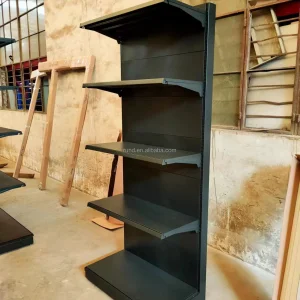
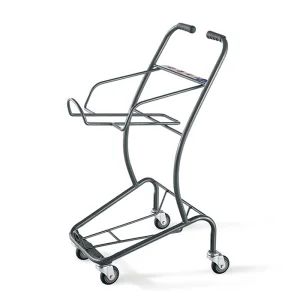
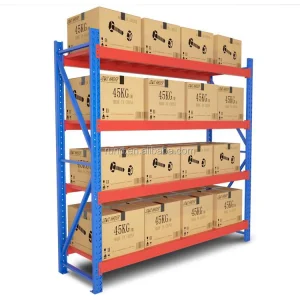
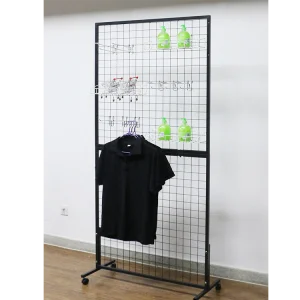
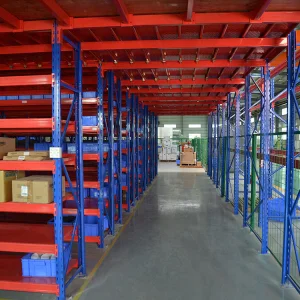
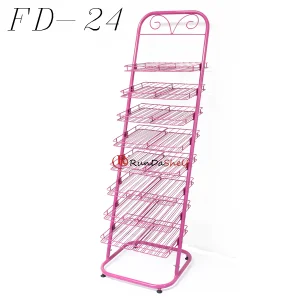
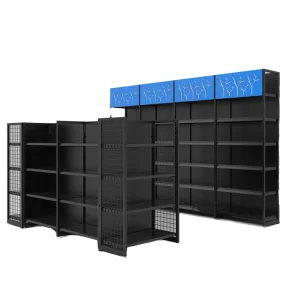
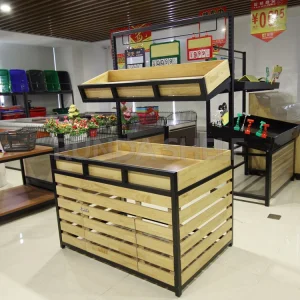
In modern supply chains and retail ecosystem infrastructures, Floor Stand Displays (FSDs) have evolved from simple merchandising racks to critical components of point-of-sale (POS) and inventory optimization. Globally, structural rigidity combined with spatial agility represents the cornerstone of industrial retail planning. Manufacturers are no longer just fabricating steel; they are designing structural solutions that control floor space dynamics, facilitate cross-docking operations, and optimize store traffic flow.
As global hypermarkets, warehouse clubs, and automated micro-fulfillment centers expand, FSDs must withstand rigorous load cycles while aligning with global safety frameworks. The structural stability of multi-tier systems, the deflection characteristics of shelf beams under static load, and the corrosion resistance of metal surfaces under varying environments are crucial considerations for global procurement managers and structural planners.
Utilizing certified Q235 and Q235B cold-rolled steel ensures high tensile strength, predictable bending moments, and structural reliability under maximum capacity. These materials comply with ASTM, EN, and GB specifications to guarantee long-term stability.
Adherence to AS4084 (Steel Storage Racking) and OSHA regulations prevents structural collapse. High-load components undergo rigorous X-ray weld diagnostics and destructive load testing to identify potential failure points before dispatch.
Behind every heavy-duty warehouse shelf and modular convenience store display lies advanced engineering. The structural integrity of modern racking systems relies on finite element analysis (FEA) to calculate stress distribution, load capacity limits, and seismic resistance.
By employing state-of-the-art cold roll-forming processes, raw steel is shaped into precise upright columns and boxed step beams. The geometry of the punching profile (such as teardrop or hexagonal holes) determines the mechanical locking strength of the safety pins and crossbeams. Additionally, the surface coating must resist moisture, abrasion, and chemicals. This is achieved through automated shot-blasting followed by electrostatic powder deposition, ensuring uniform thickness and long-lasting durability.
Our strategic partnerships with premium steel mills ensure that the structural integrity of our steel is verified by certified mill testing, guaranteeing minimal elemental variance and optimal structural properties.
Utilizing high-precision CNC punch presses allows for consistent hole patterns on upright columns, facilitating tool-free height adjustment and stable interlocking with beam connectors.
Automated MIG/TIG robotic weld cells ensure penetration depths that meet strict welding standards, eliminating human error and ensuring failure-free structural joints.
A one-size-fits-all approach is ineffective in global logistics and retail. Different vertical sectors require customized display and storage configurations:
Furthermore, local regulations influence material specifications and designs. For example, North American configurations must comply with RMI guidelines and OSHA standards, whereas projects in Australia and New Zealand require strict adherence to AS4084-2012 standards. As a result, our team works closely with global engineers to ensure compliance across all target markets.
Take a look inside our 25,000 square meter facility, where precision engineering meets high-volume manufacturing capabilities.
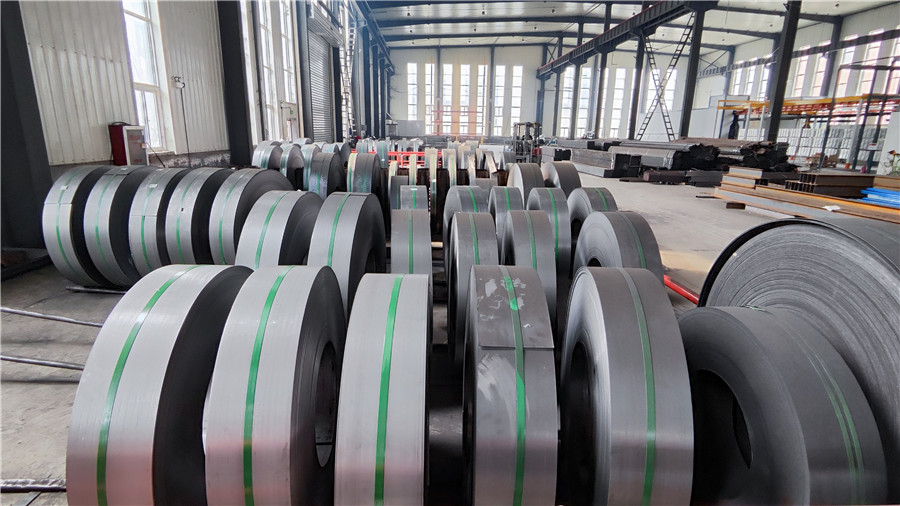
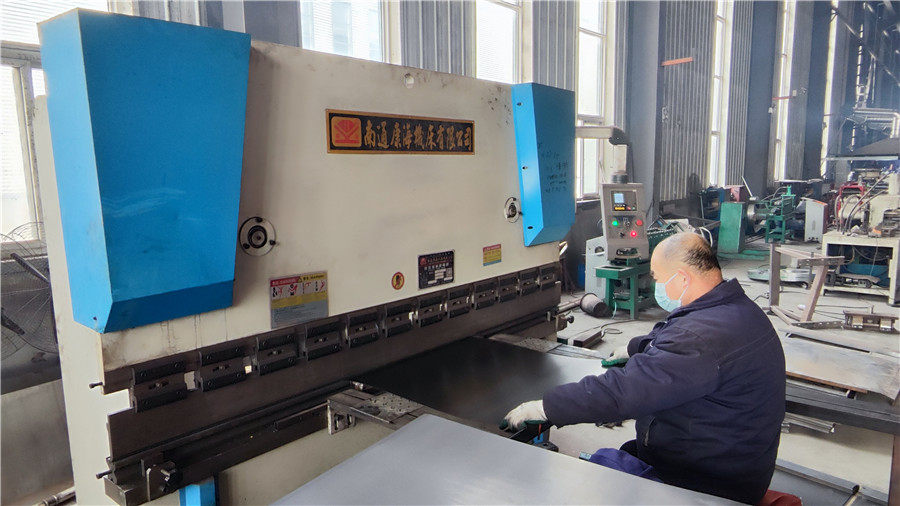
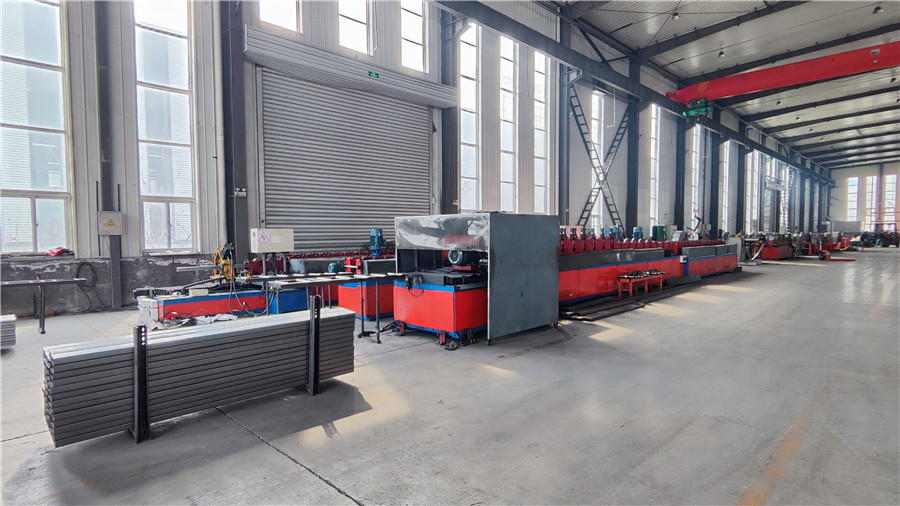
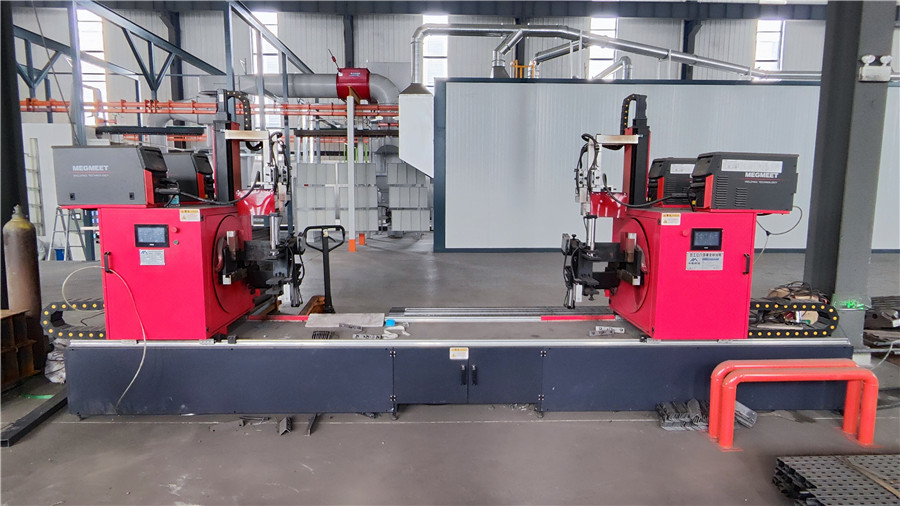
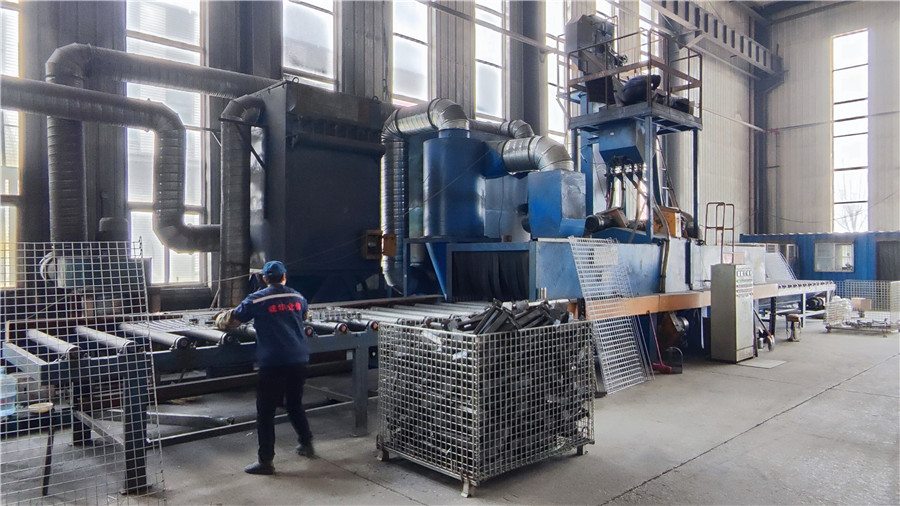
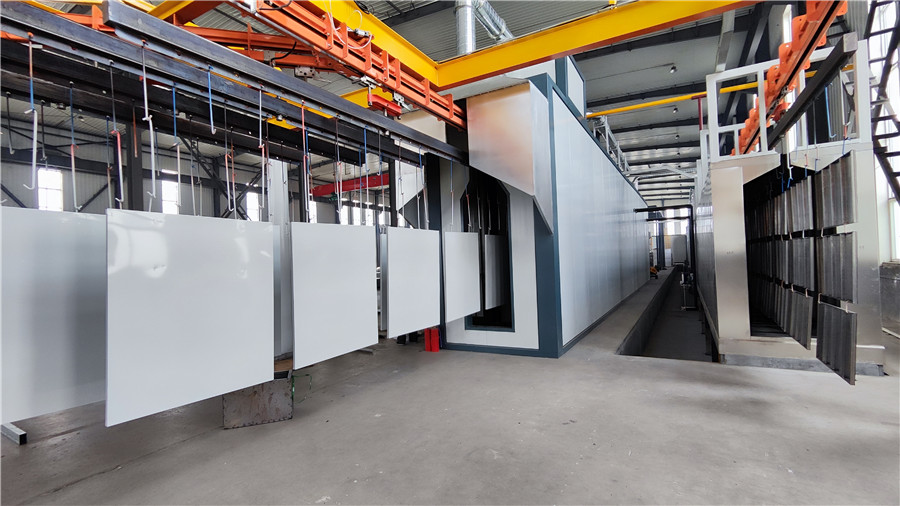
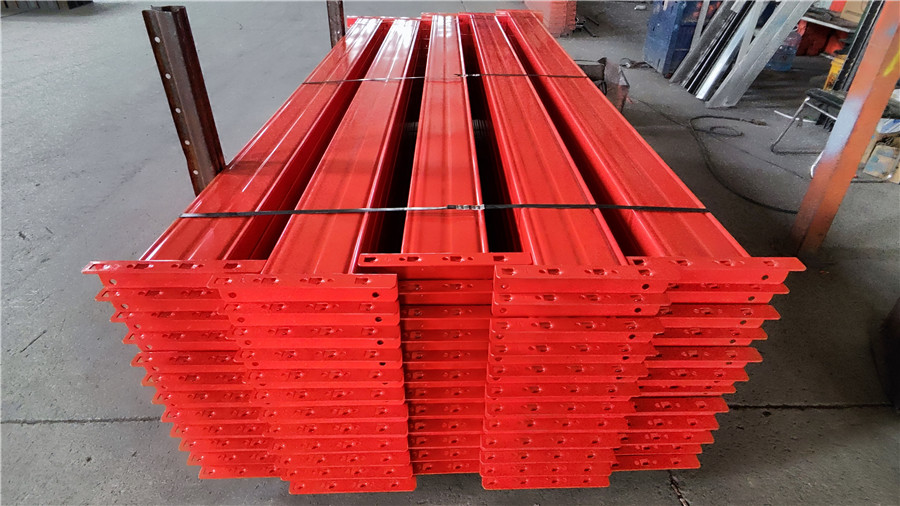
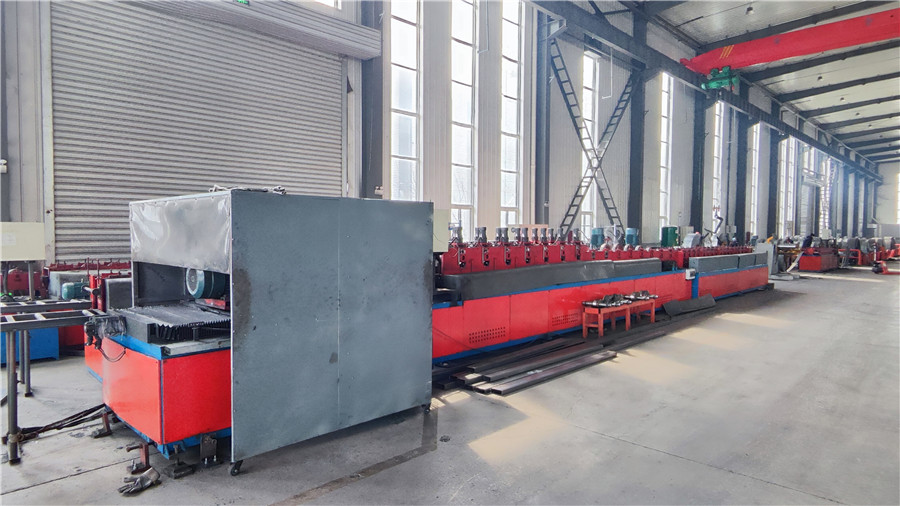
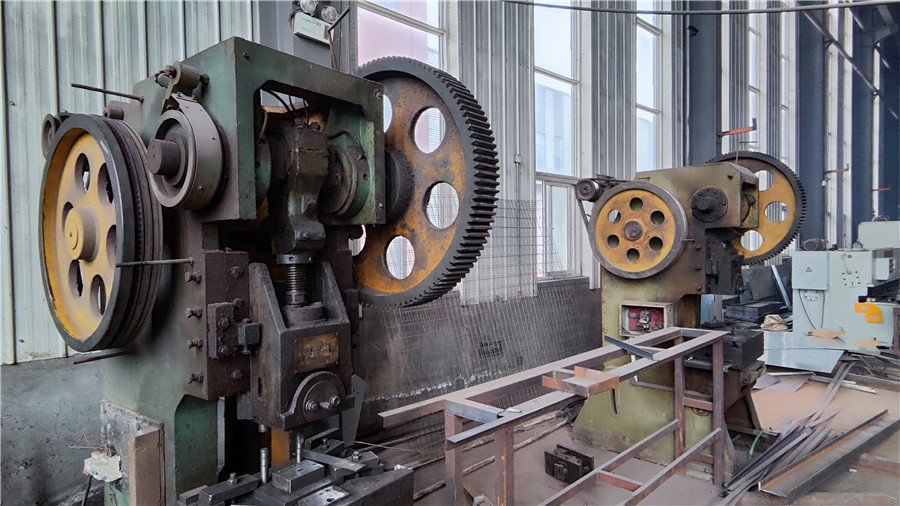
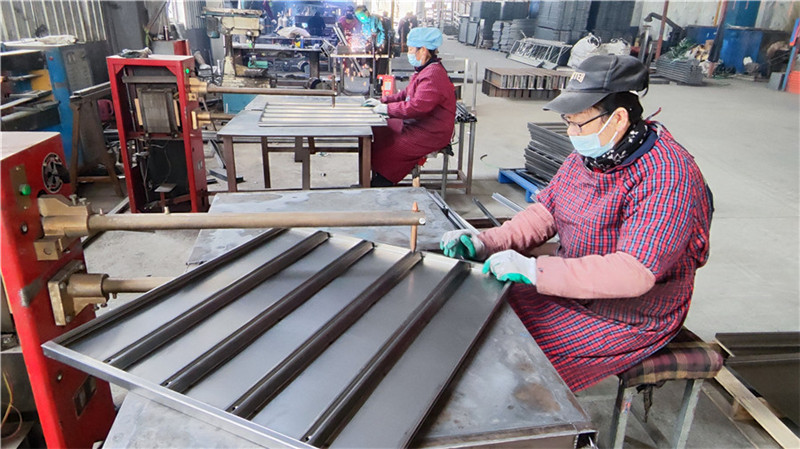
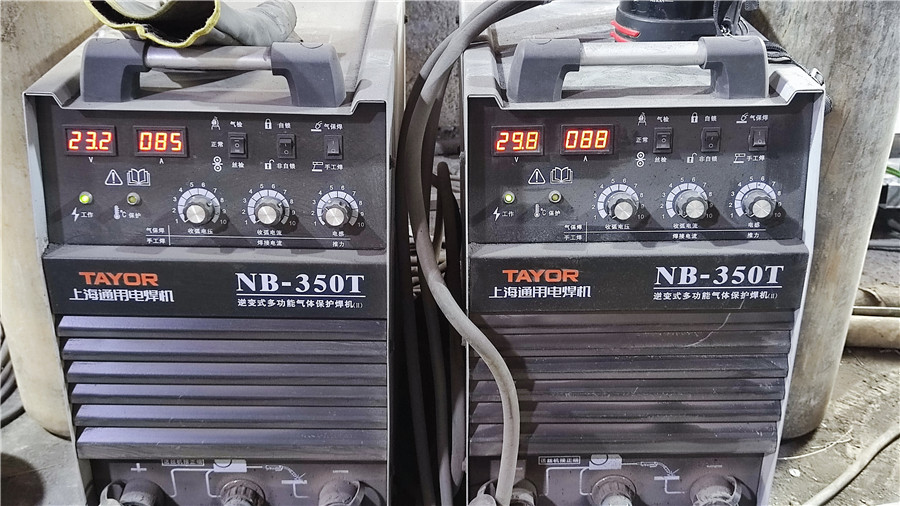
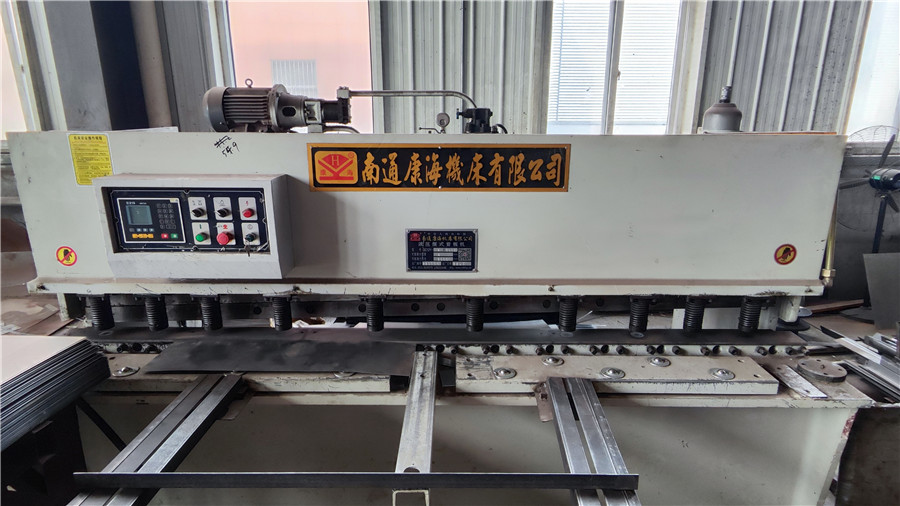
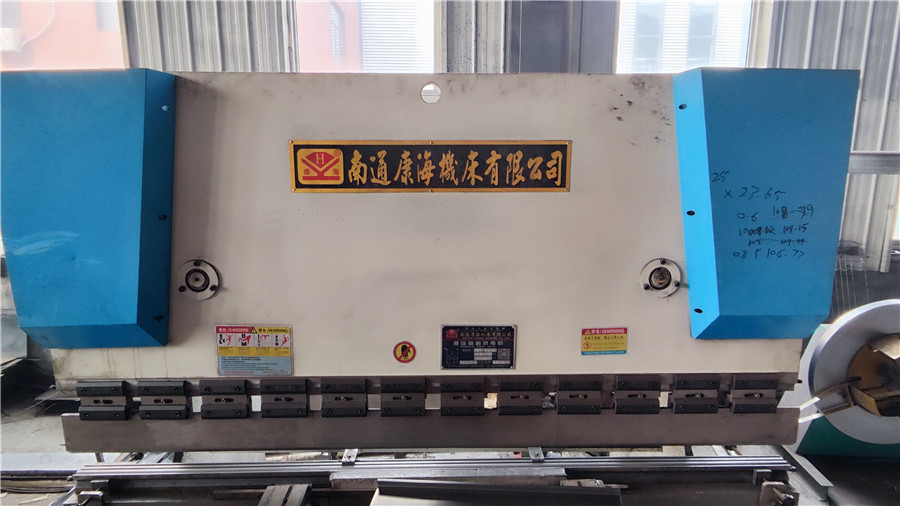
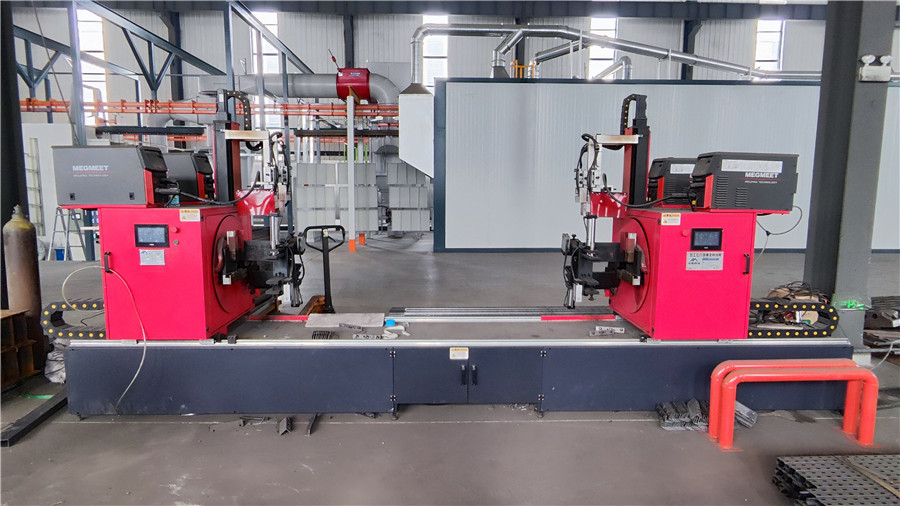
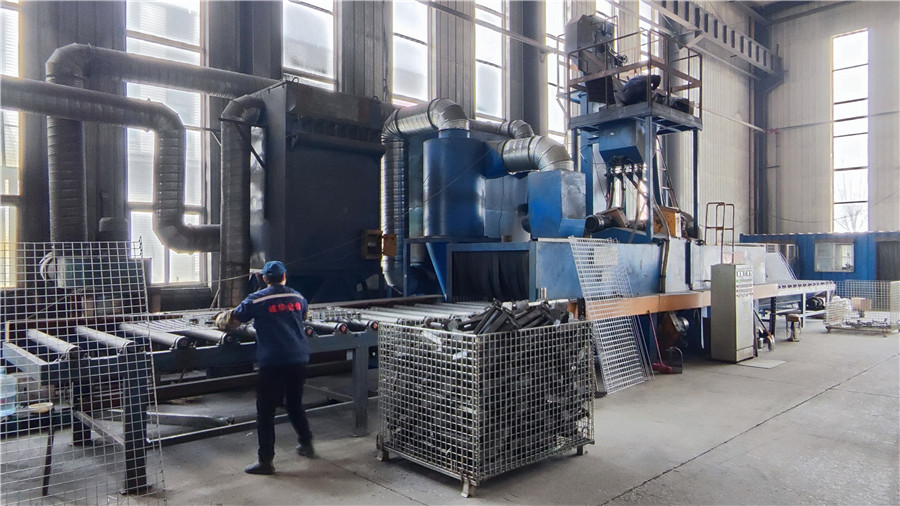
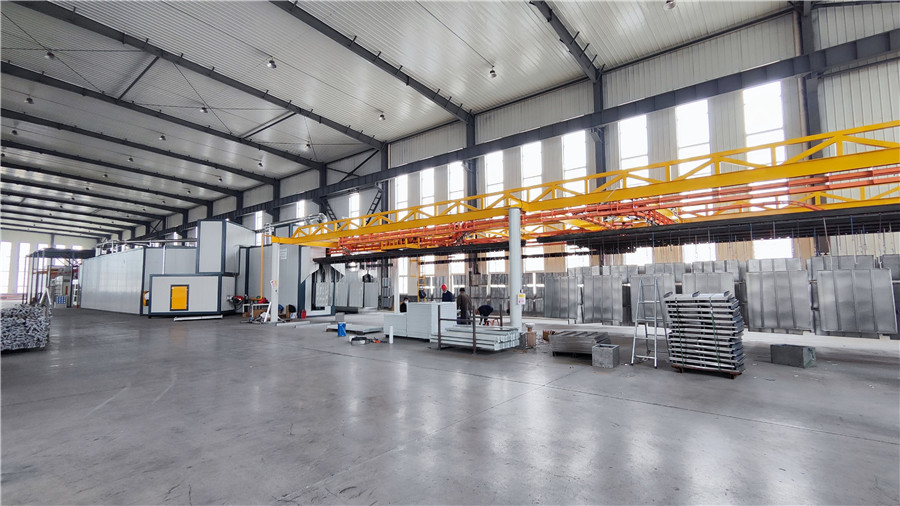
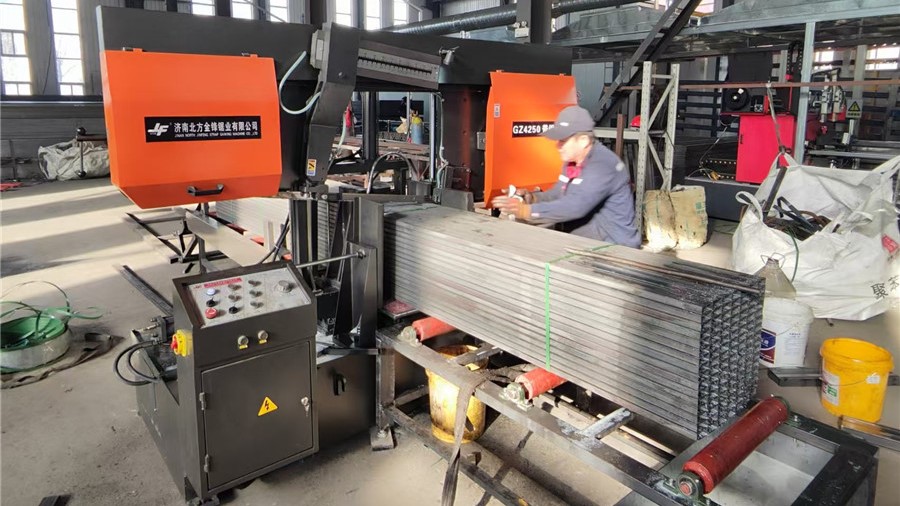
Established in 2016, Dongguan Dingguan Metal Products Co., Ltd. (operating globally under the brand DirectRack) is a technology-driven enterprise specializing in heavy-duty and light-duty storage system architectures. Strategically located in the industrial hub of Dongguan, Guangdong Province, we leverage over 10 years of structural design expertise and 8 years of international export experience.
Our operations are housed in a modern 25,000-square-meter facility, with an annual export volume exceeding $18 million USD. We supply reliable steel storage systems to logistics networks, wholesale hubs, and retail distribution centers worldwide.
Quality control is integrated throughout our manufacturing process. Managed by a team of 28 specialized QC inspectors, our operations comply with international AS4084, ISO9001, and OSHA standards. We perform X-ray weld seam analysis, magnetic coating thickness measurements, column compression destruction tests, and full-scale beam deflection tests to ensure defect-free shipments.
Additionally, our R&D team of 35 engineers utilizes advanced FEA modeling to develop customized storage solutions. Over the past year, we introduced 42 new structural designs to meet the requirements of modern automated warehouse environments.
The durability of a floor stand display depends on its underlying material science. Industrial racking systems rely on cold-rolled steel, which offers high yield strength and structural predictability.
During cold forming, the crystalline structure of the steel is aligned along the stress axis, increasing its resistance to plastic deformation. This process is essential for high-load retail shelves and industrial crossbeam systems, where load distribution must remain stable over years of constant operation.
Surface protection is equally critical. Exposure to humidity and mechanical wear can accelerate oxidation, leading to structural degradation. Our automated surface preparation process includes high-velocity abrasive shot-blasting, which removes mill scale and creates an optimal surface profile. This is followed by the electrostatic application of thermosetting powder, which is cured in a multi-zone temperature-controlled oven to create a highly durable barrier against impact and chemical exposure.
 DirectRack