Engineered for high-volume commercial environments, blending structural resilience with aesthetic utility.
A comparative analysis of manufacturing materials, system flexibilities, and B2B procurement logic in heavy-duty display racking.
In modern retailing, the physical store is evolving from a mere storage-and-sales point into a high-density, interactive product experience center. Standard pegboards have transcended simple perforated patterns into multi-material architectural installations. Globally, retail operations are shifting toward modular modularity. Metal perforated systems are taking precedence over conventional wooden pegboards owing to their superior strength-to-weight ratio, resilience against ambient humidity, and surface hardness that handles continuous accessory adjustments. China's high-tech metal manufacturing facilities have responded by integrating advanced CNC punching centers and high-efficiency powder coating operations to meet these global changes.
Large B2B corporate buyers from North America, Europe, and Australia demand strict quality conformity for their retail rollout plans. Standard criteria focus heavily on material compositions, specifically Q235B cold-rolled steel, which secures long-term structural integrity and resists structural fatigue. System compatibility is another focal point: hole shapes must accommodate multiple accessory hook standards (such as round, keyhole, and square configurations), ensuring flexible adaptation between different product dimensions. Additionally, modern procurement structures now mandate sustainable carbon-neutral manufacturing loops, RoHS-compliant powder formulations, and flat-pack shipping capabilities to lower logistics and warehousing costs.
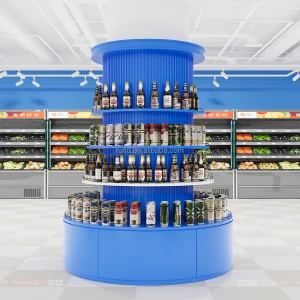
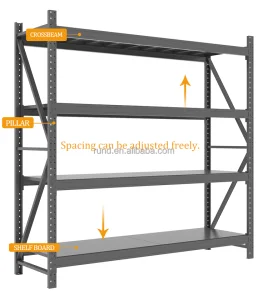
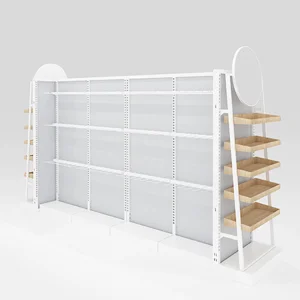
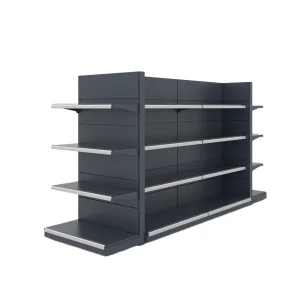
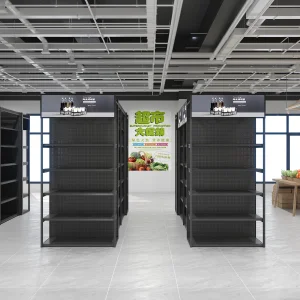
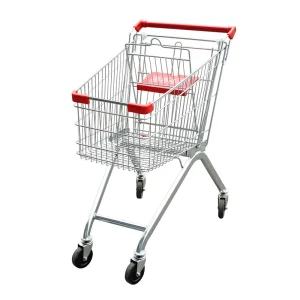
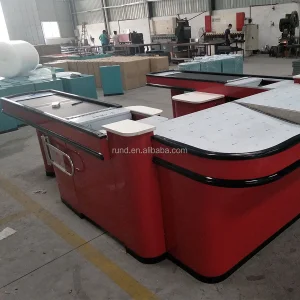
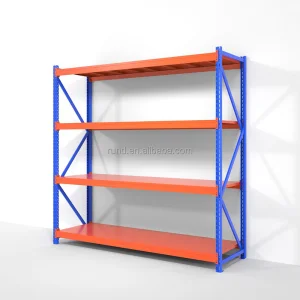
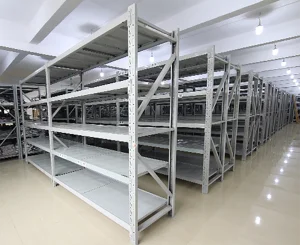
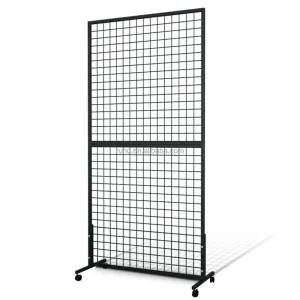
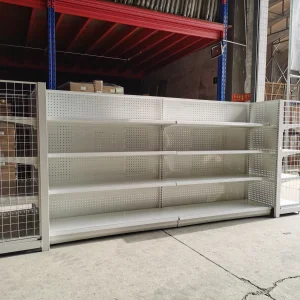
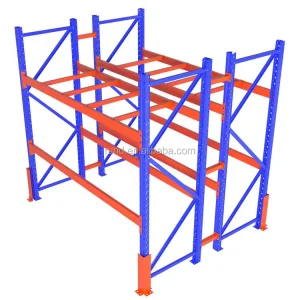
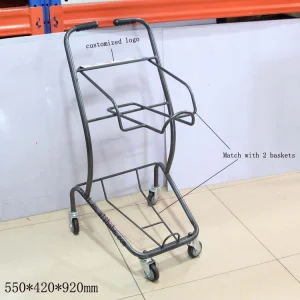
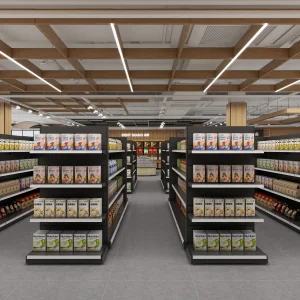
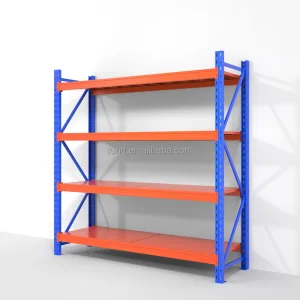
A comprehensive merchandising solution goes beyond standalone pegboards; it requires compatibility with general retail infrastructure. Our designs link pegboard back-panels with heavy-duty metal gondolas, mobile checkout counters, gridwall frames, and warehouse-grade pallet racking. This modular continuity allows retail spaces to transition seamlessly into micro-fulfillment backrooms. By maintaining standard pitch sizes across display components, retail managers can quickly repurpose fixtures, reducing the capital expenditure (CapEx) associated with store remodeling and ensuring high spatial efficiency in diverse retail environments.
A technology-driven warehouse and retail infrastructure enterprise located in Dongguan, Guangdong Province.
Founded in 2016, DirectRack leverages 10 years of structural engineering expertise and 8 years of international export background. Operating from a state-of-the-art 25,000 square meters manufacturing plant, we sustain an annual export revenue exceeding $18 million USD, supplying premium storage systems and heavy-duty retail fixtures to worldwide logistics networks and commercial centers.
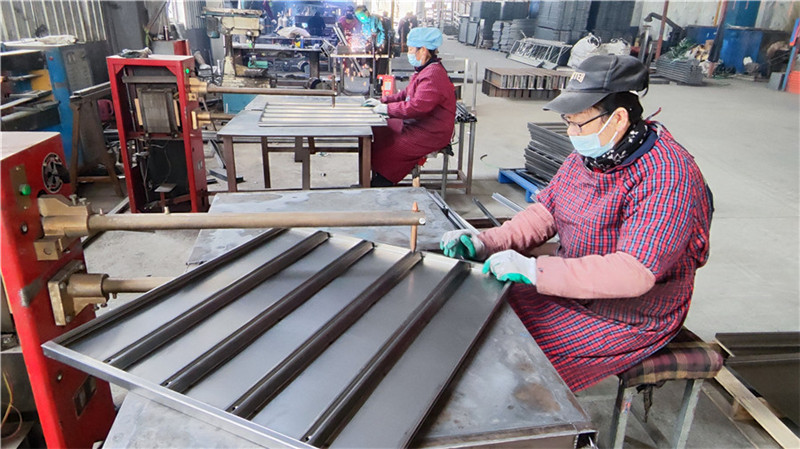
From structural steel sourcing to finished, powder-coated systems, precision is integrated into every phase.
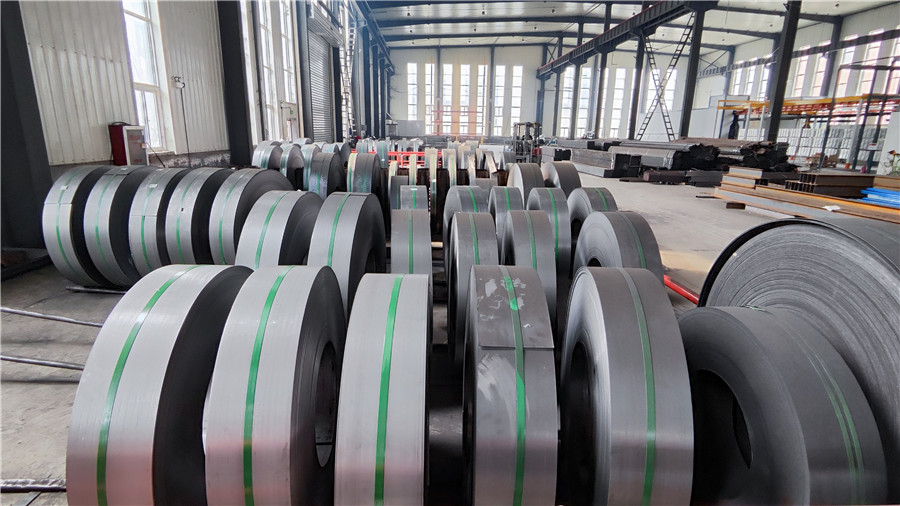
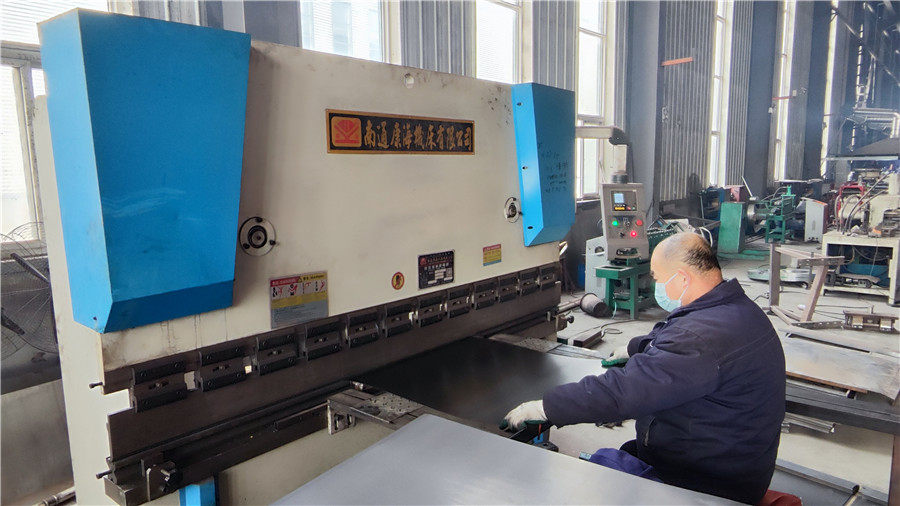
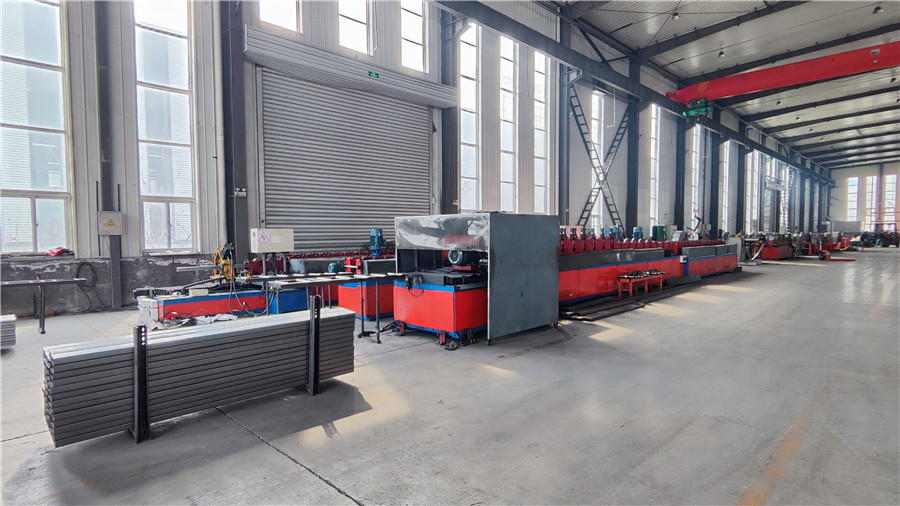
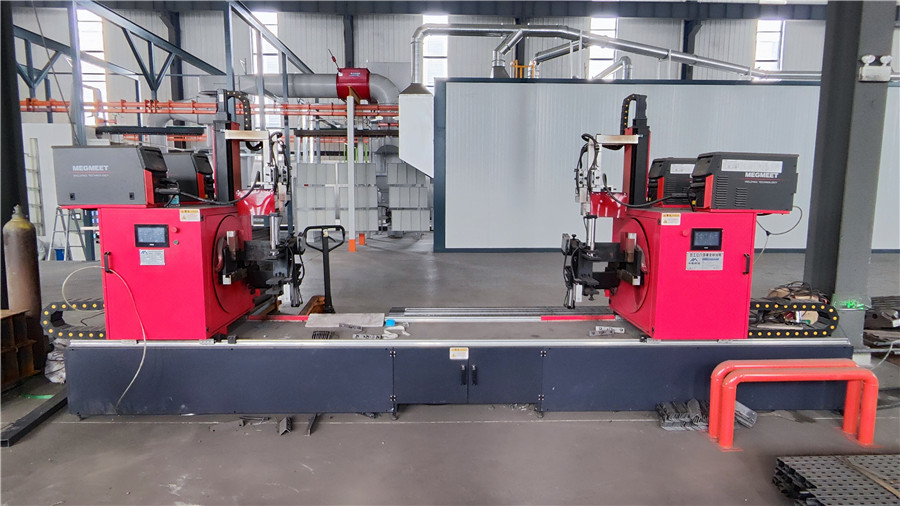
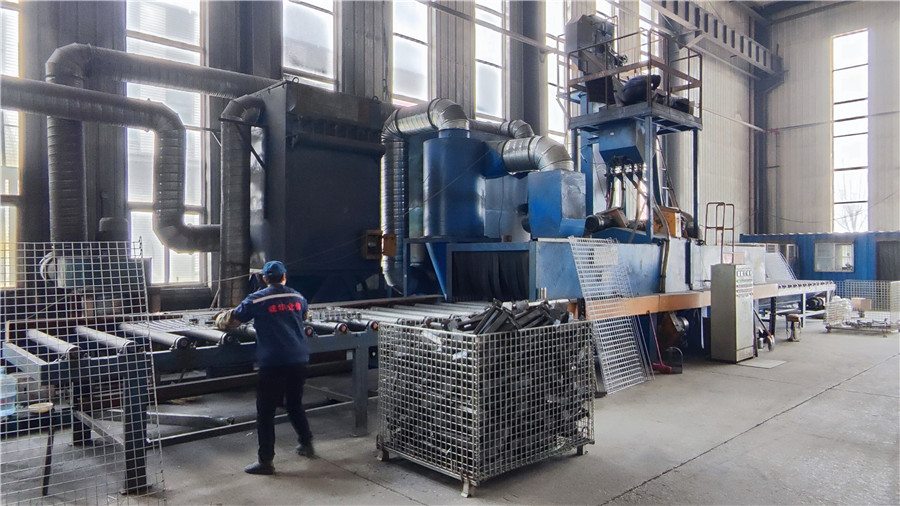
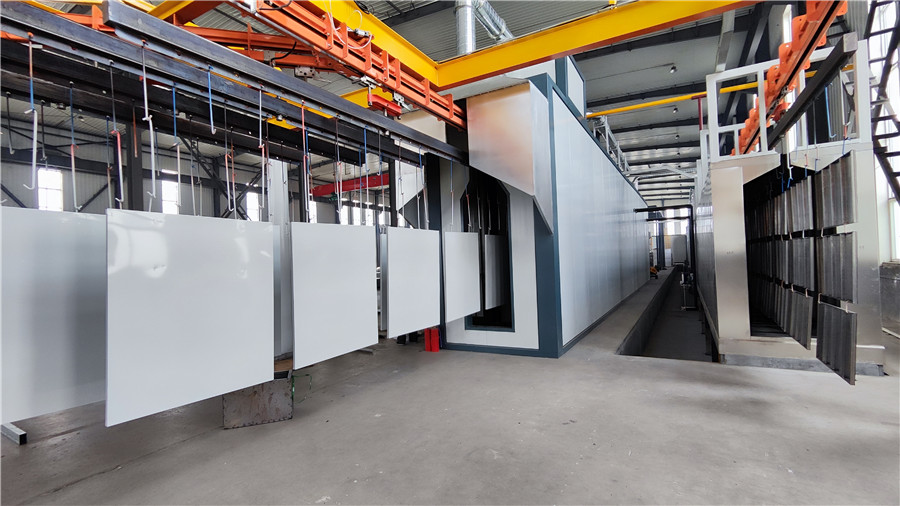
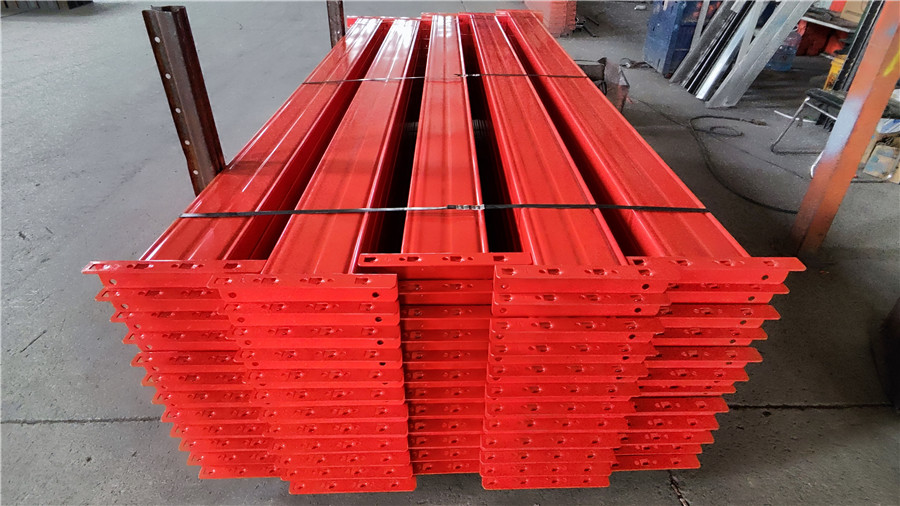
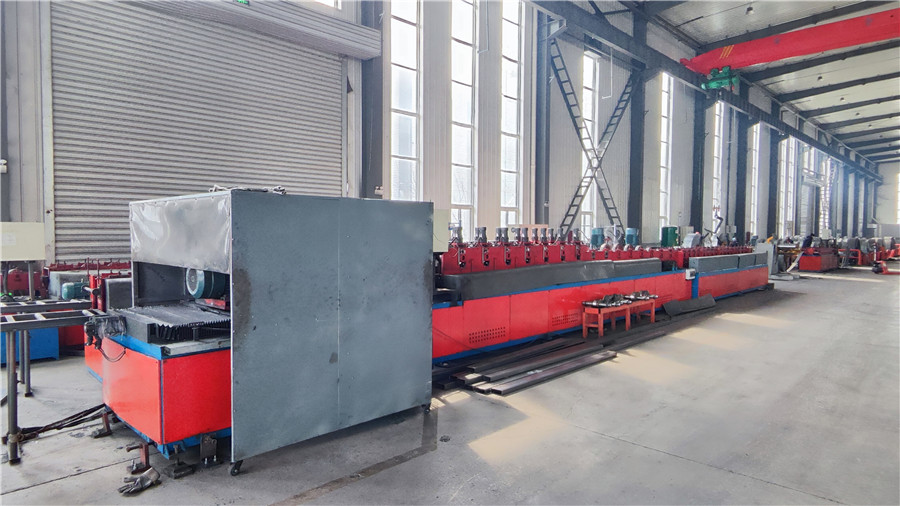
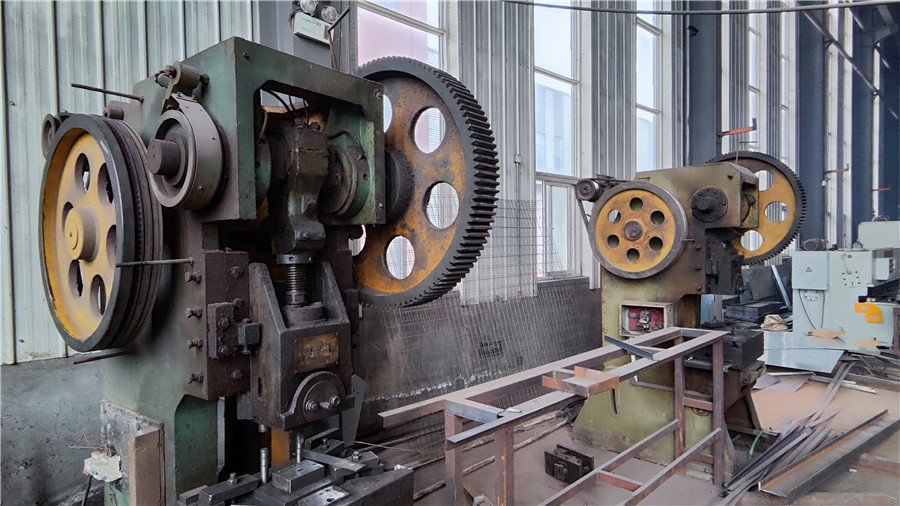
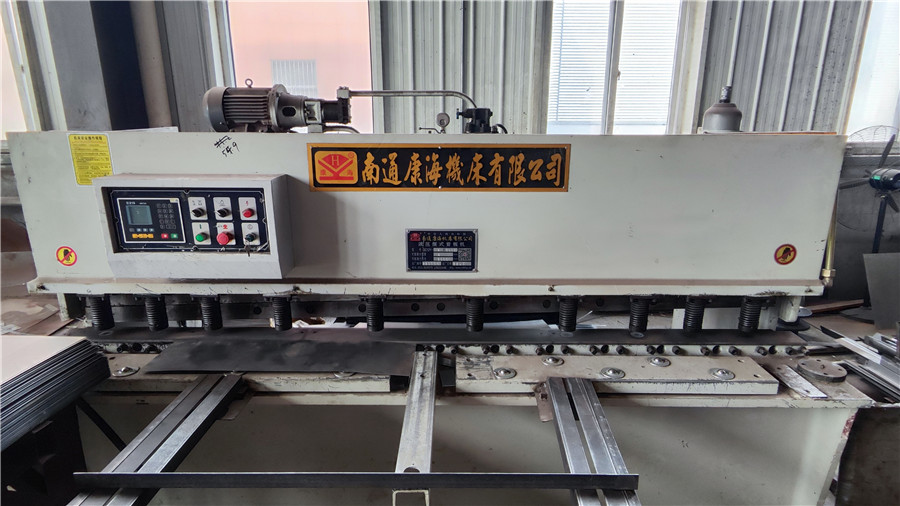
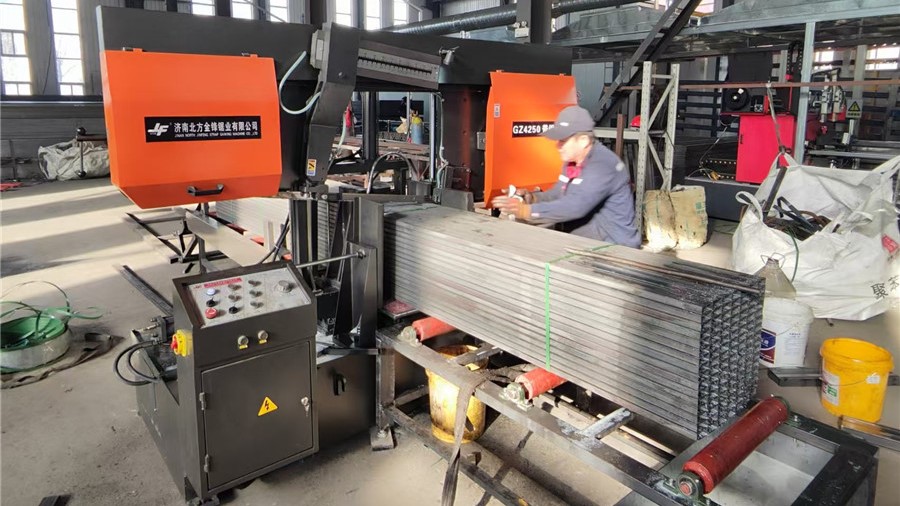
Equipped with heavy industrial machinery that ensures high output and tight dimensional tolerances.
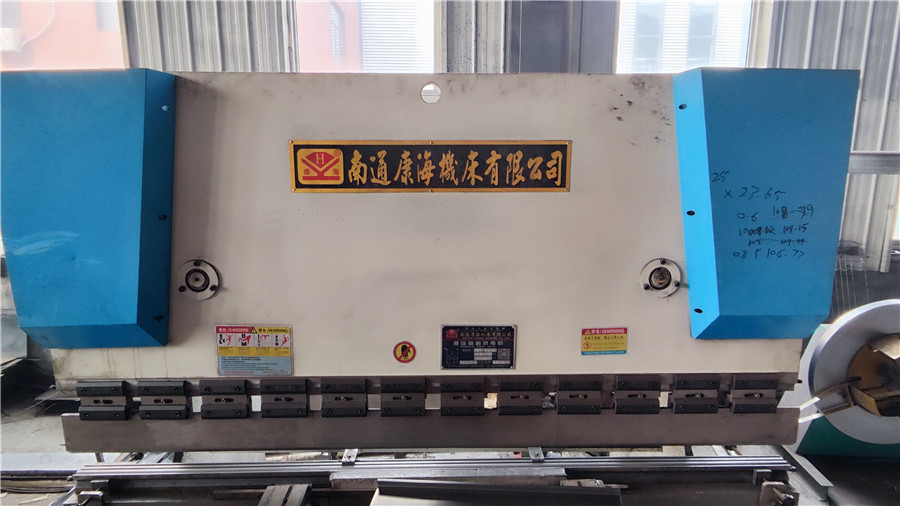
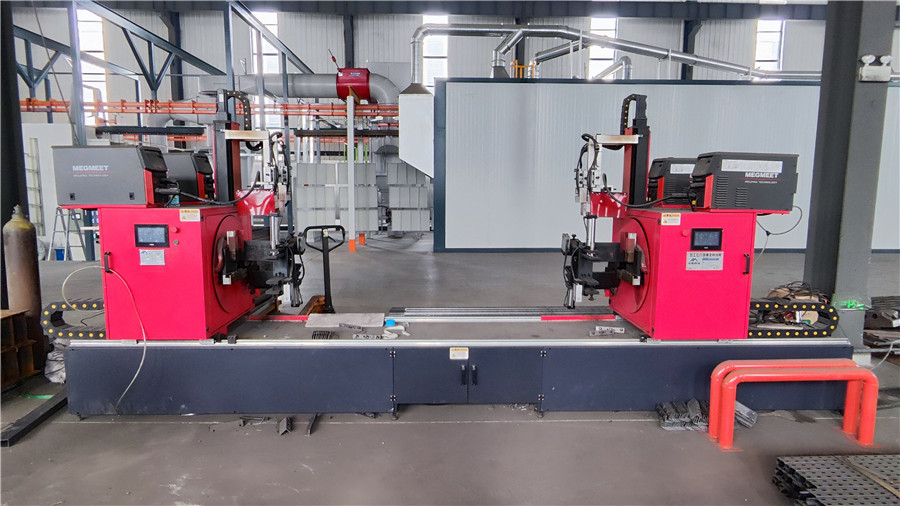
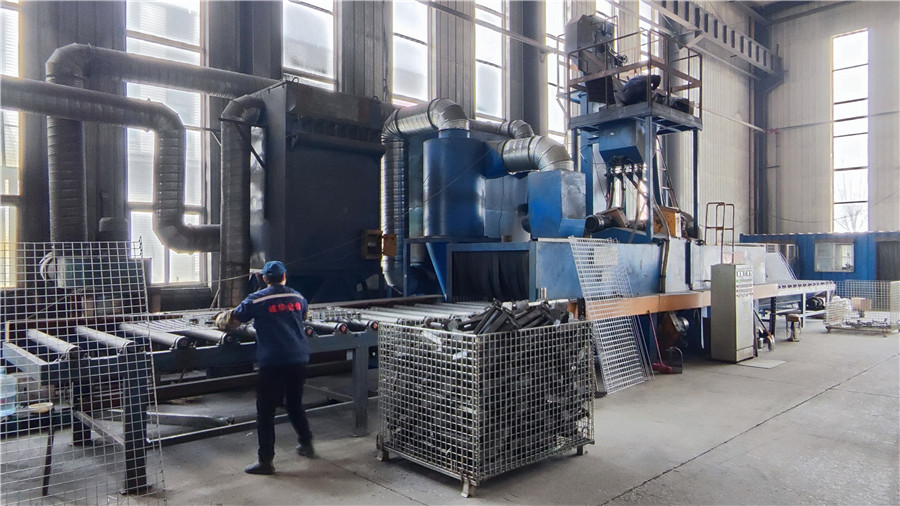
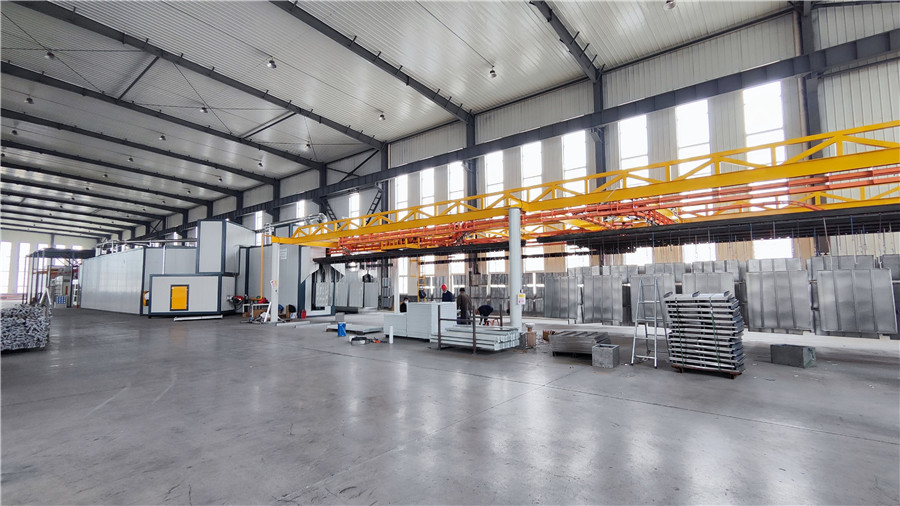
Our quality control framework adheres strictly to international AS4084 and OSHA safety standards. Backed by 28 certified quality inspectors, our verification procedures include:
Led by 35 senior R&D engineers, DirectRack designs dynamic structural models and modular systems tailored to client requirements. In the past year, we released 42 new product designs. Customization parameters include:
How DirectRack aligns with smart warehousing and automated retail logistics.
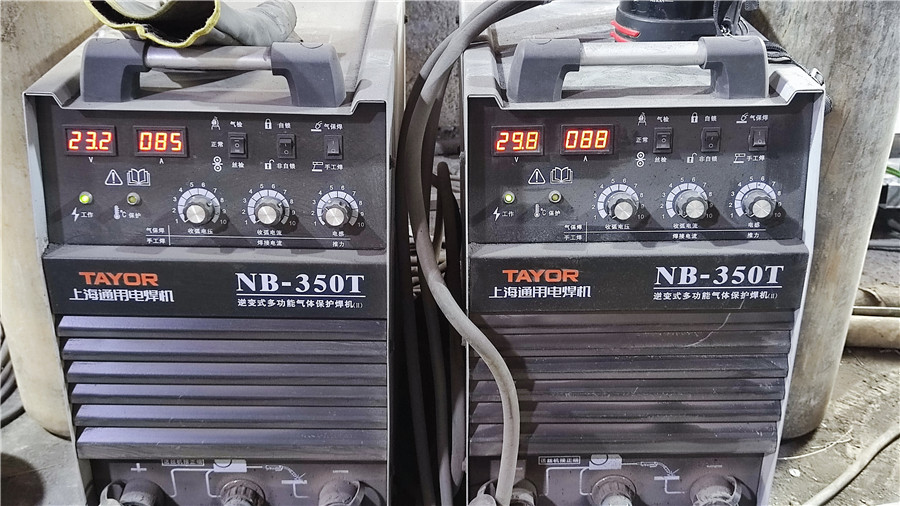
We are scaling our automated welding processes and installing robotic arms across our assembly lines. This reduces dimensional variance, ensuring that every pegboard panel maintains precise spacing and structural integrity.
Transitioning our entire powder-coating line to ultra-low VOC, heavy metal-free polymers. This aligns with strict environmental standards in the EU and North American markets while maintaining scratch and chemical resistance.
Developing display shelves equipped with integrated weight sensors and RFID channels. These components connect with modern WMS databases, helping retailers automate stock tracking directly from the shop floor.
Answers to common engineering and commercial procurement queries from international buyers.
We primarily use premium Q235B cold-rolled steel, which offers high yield strength and structural flexibility. Our manufacturing process ensures that even under constant load variations, the structural elements maintain their shape without bowing.
Every product series undergoes testing using our automated hydraulic press, simulating both distributed and point loads. Deflection margins are monitored to comply with the European FEM and Australian AS4084 guidelines.
Yes, our automated CNC punching machines can be configured for diverse hole configurations, including round, square, and keyhole slots. Standard pitches are available in 25mm, 50mm, and 1-inch increments to match varying hook standards.
Standard OEM/ODM orders are typically completed and ready for shipment within 20 to 30 days post-design sign-off. This timeline is supported by our established partnerships with 650 suppliers for raw steel and chemical powder coatings.
We utilize a multi-stage process starting with mechanical shot-blasting to strip rust and scale. This is followed by chemical degreasing, iron phosphating, and an electrostatic powder coat, resulting in a durable, scratch-resistant surface finish.
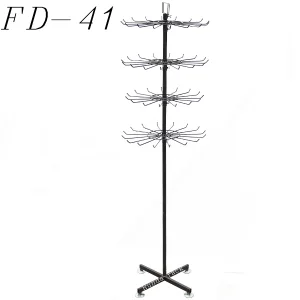
Heavy-duty storage units, dynamic rotating displays, and convenience store solutions.
 DirectRack