In the rapidly changing global supply chain, storage optimization is no longer just a facility concern—it is a critical driver of logistics velocity and structural safety. For warehouse designers, procurement managers, and large distribution facilities, sourcing high-performance racking is paramount. This whitepaper analyzes the technical, structural, and financial elements of sourcing custom OEM heavy duty storage racks from qualified manufacturing hubs, highlighting industry-standard specifications and critical procurement metrics.
Established in 2016, Dongguan Dingguan Metal Products Co., Ltd. (DirectRack) is a leading manufacturer of warehouse equipment, based in Dongguan, Guangdong Province. Combining 10 years of structural engineering expertise with 8 years of global export experience, our state-of-the-art facility features a 25,000 square meter manufacturing footprint, producing premium steel storage systems and customized display racks for international logistics hubs. With annual export revenues exceeding $18 million USD, our products support supply chains worldwide.
Modern industrial storage systems must support increasing dynamic weight loads and adapt to smart warehouse configurations. To optimize costs and improve efficiency, enterprise procurement strategies are transitioning from standard off-the-shelf shelving to customizable structural steel layouts.
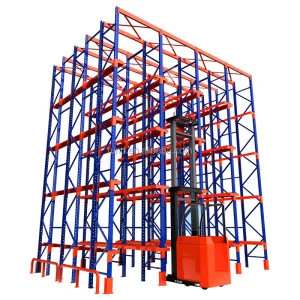
Real estate limitations have driven the adoption of high-bay installations and Very Narrow Aisle (VNA) configurations. System heights regularly exceed 12 meters, requiring precision engineering to ensure vertical stability, prevent column twisting, and limit beam deflection under heavy loads.
Automated Storage and Retrieval Systems (AS/RS) require tighter manufacturing tolerances (+/- 1mm structural deviation limit). Custom OEM manufacturers must use computer-controlled cold-roll forming to guarantee flawless alignment with robotic shuttle tracks and automated cranes.
Leading suppliers utilize certified Q235B and Q355B high-strength carbon steel. These steel grades provide optimal tensile strength and weldability, allowing racks to handle heavy loads (200kg to 5000kg per layer) while maintaining a balanced profile weight.
DirectRack maintains a dedicated team of 35 senior R&D engineers focused on structural calculations and custom system designs. Our dynamic CAD/SolidWorks design process and finite element analysis (FEA) simulate real-world physical stresses. This ensures safety margins under various conditions, including dynamic impacts, seismic activity, and temperature swings.
Using custom calculation models, we develop anti-seismic cross bracing and heavy-duty baseplate systems. These are engineered to meet specific regional building codes and withstand seismic activity in prone regions.
From beam-to-column interlocking connectors to custom upright profile thickness, we adapt dimensions (depth, width, and clear heights) to match unique pallet sizes and forklift configurations.
Our finishing line applies dynamic electrostatic powder coating and outdoor-grade hot-dip galvanization (HDG). These treatments protect steel from moisture, acidic goods, and sub-zero temperatures down to -30°C in cold storage facilities.
Our R&D team continuously updates our catalog to support modern supply chain developments. In the past year, we introduced 42 new product designs, meeting the needs of automated warehouses and custom display stores.
Our manufacturing plant uses automated production machinery to maintain high structural consistency. Each production stage—from raw material inspection to powder coating—follows standard, documented manufacturing steps.
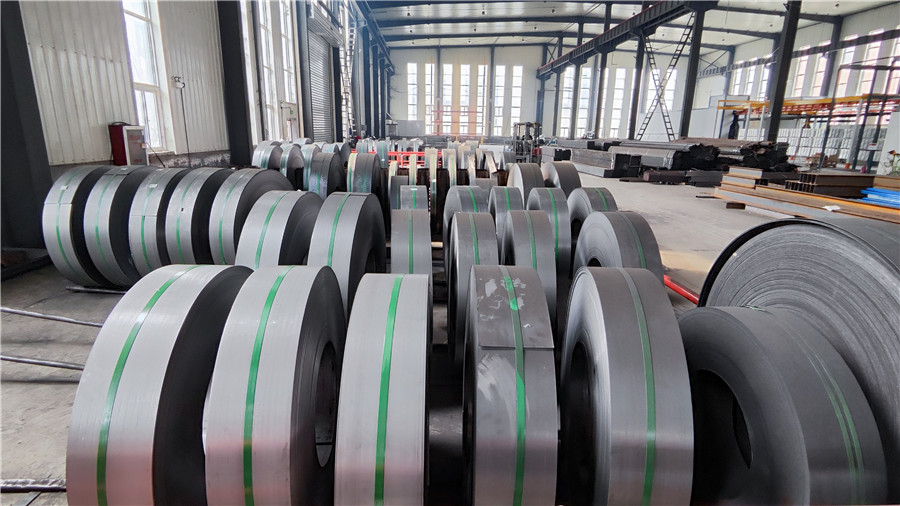
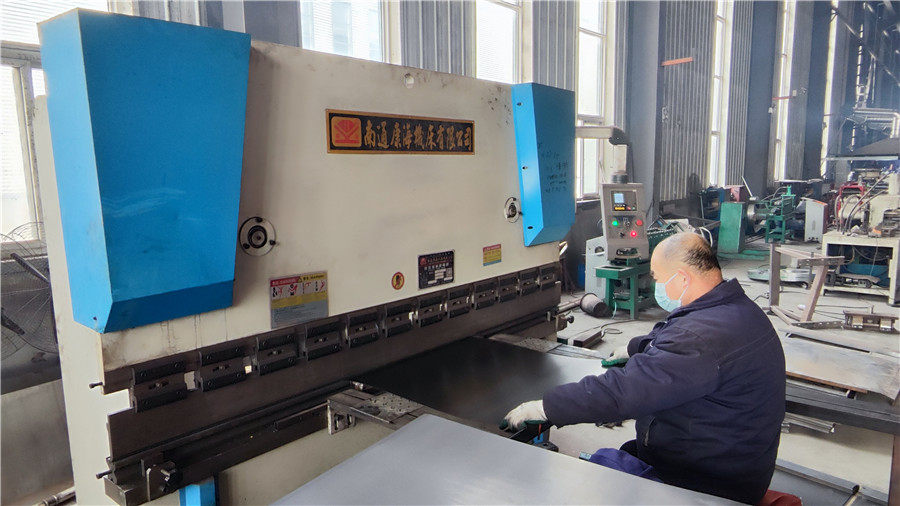
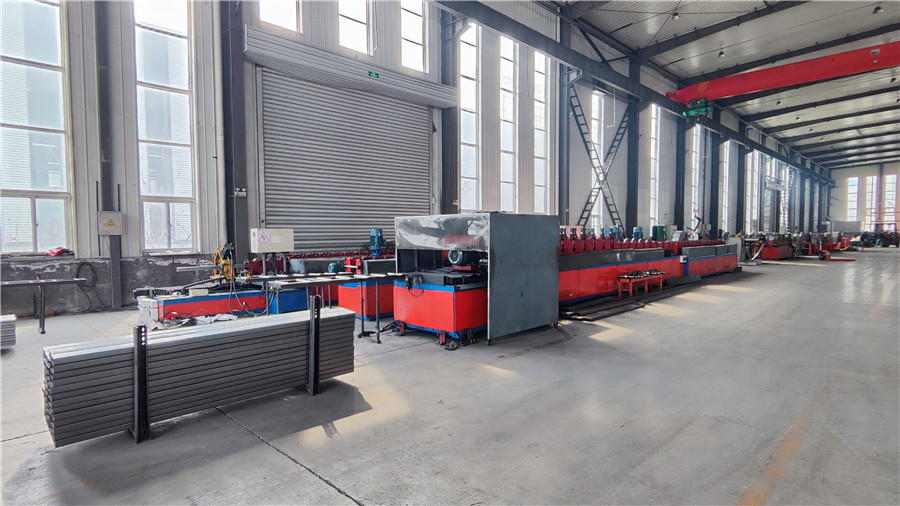
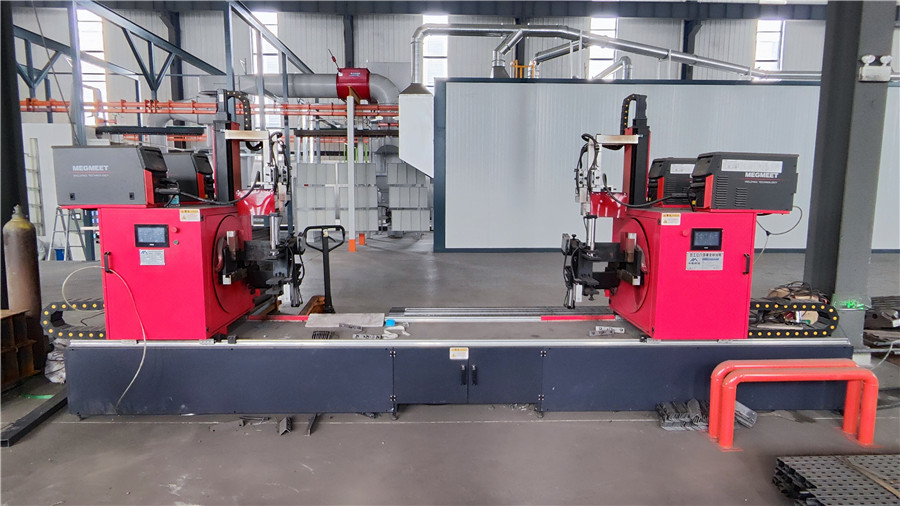
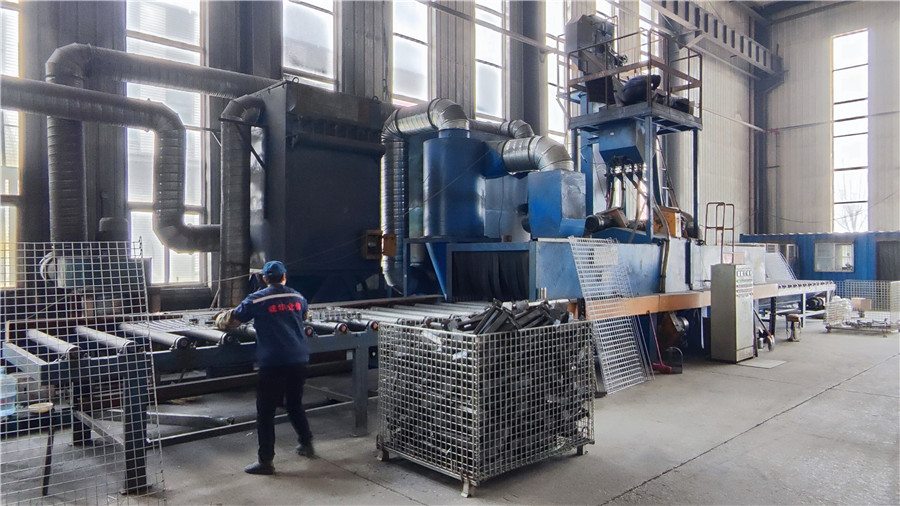
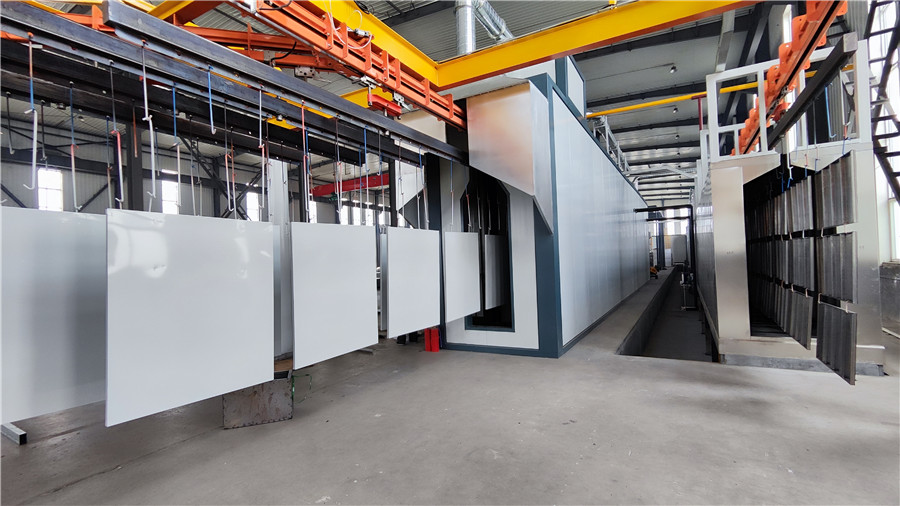
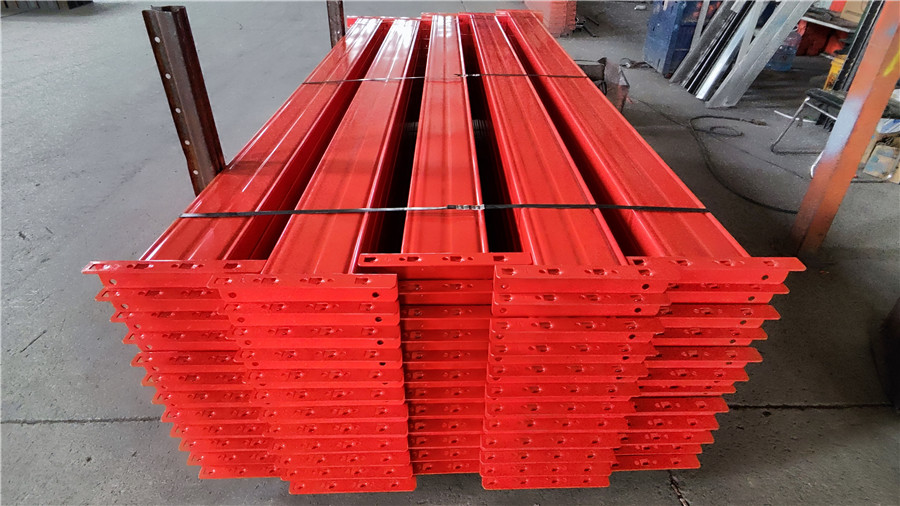
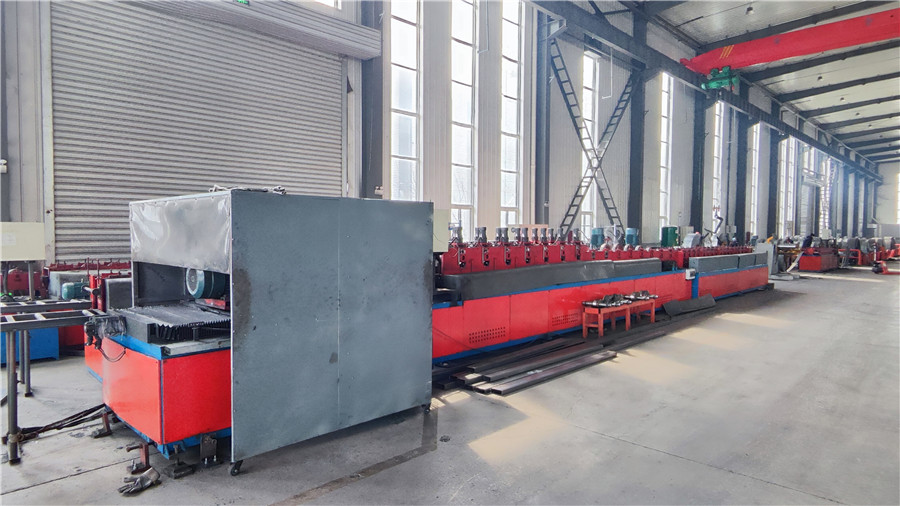
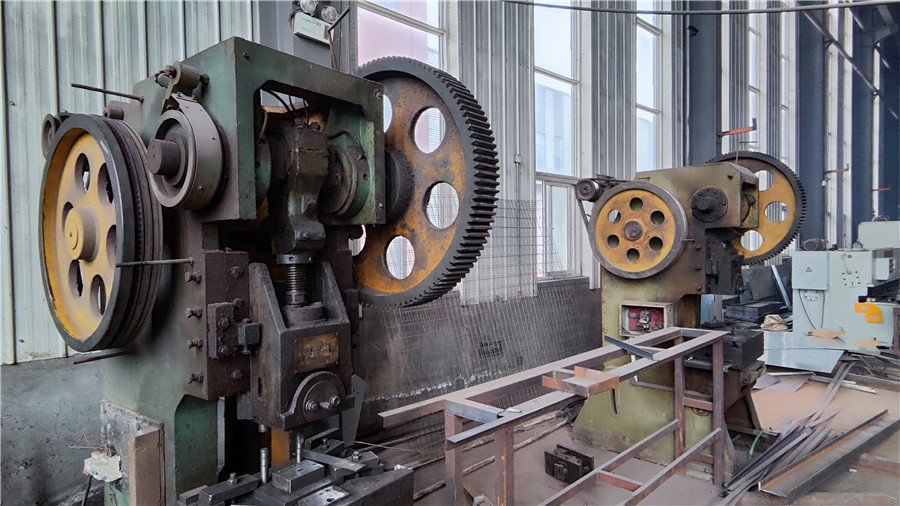
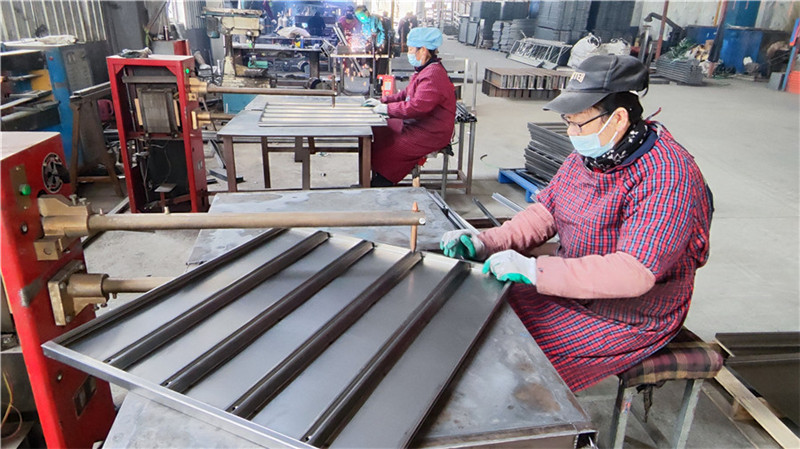
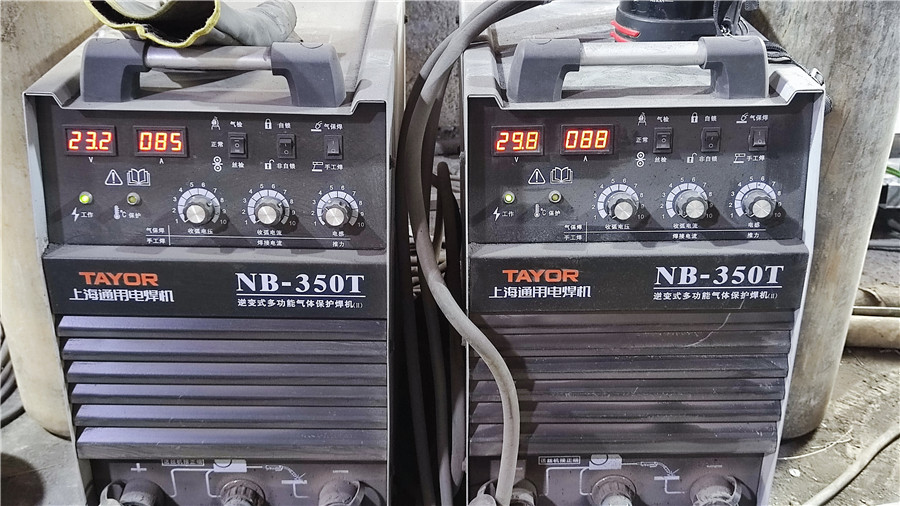
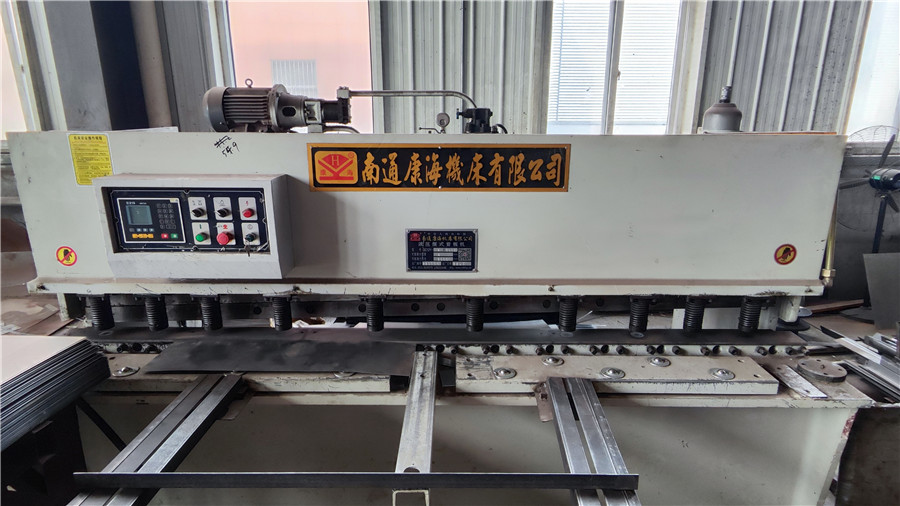
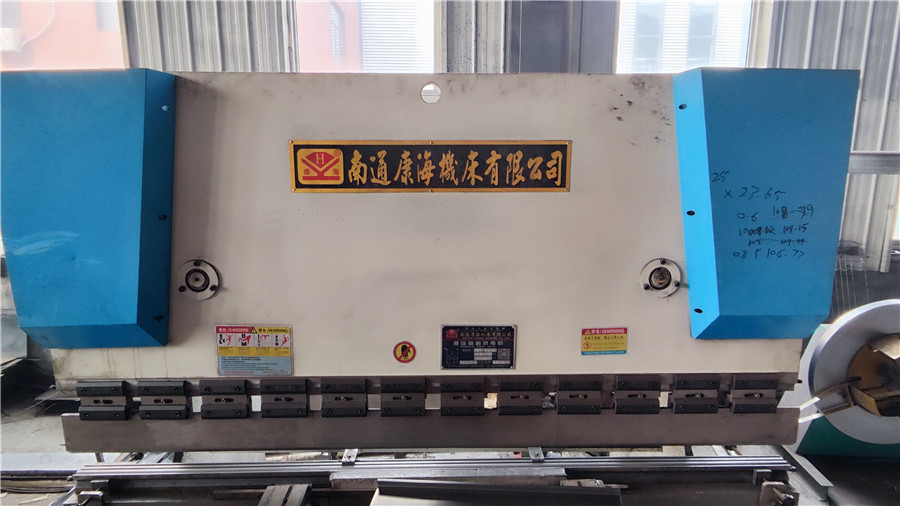
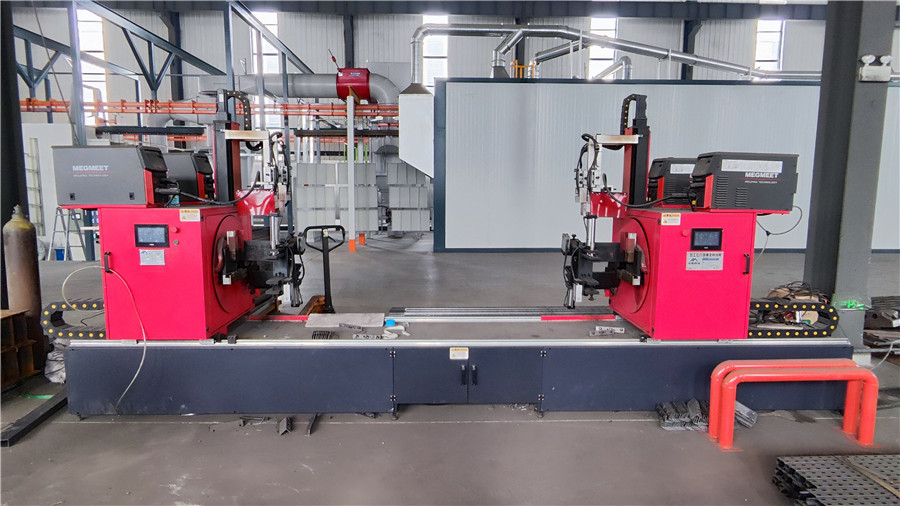
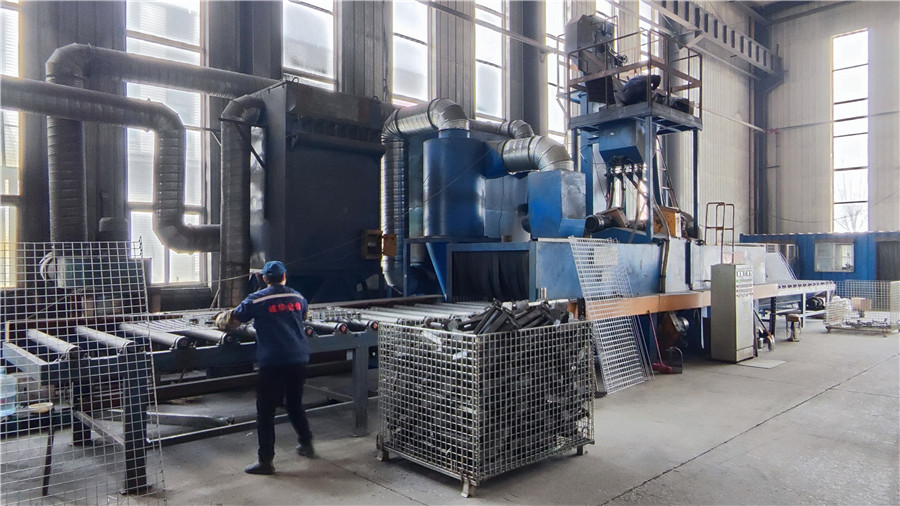
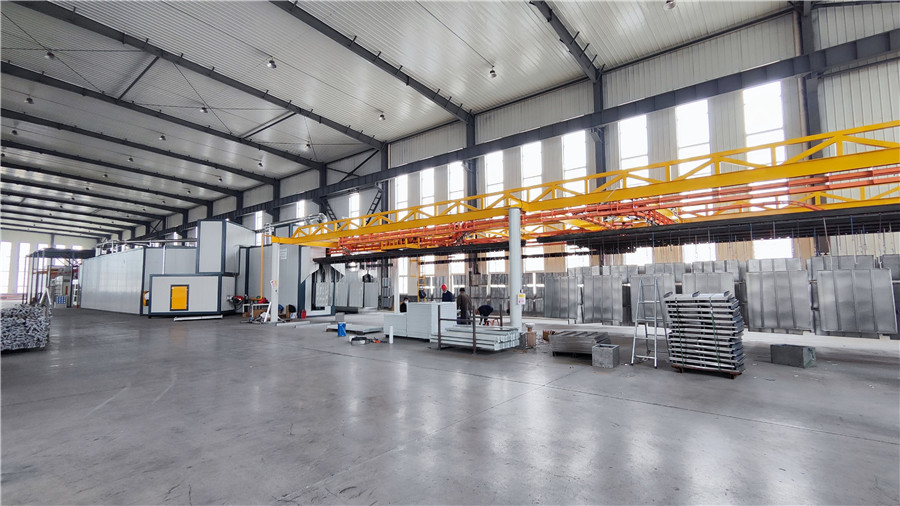
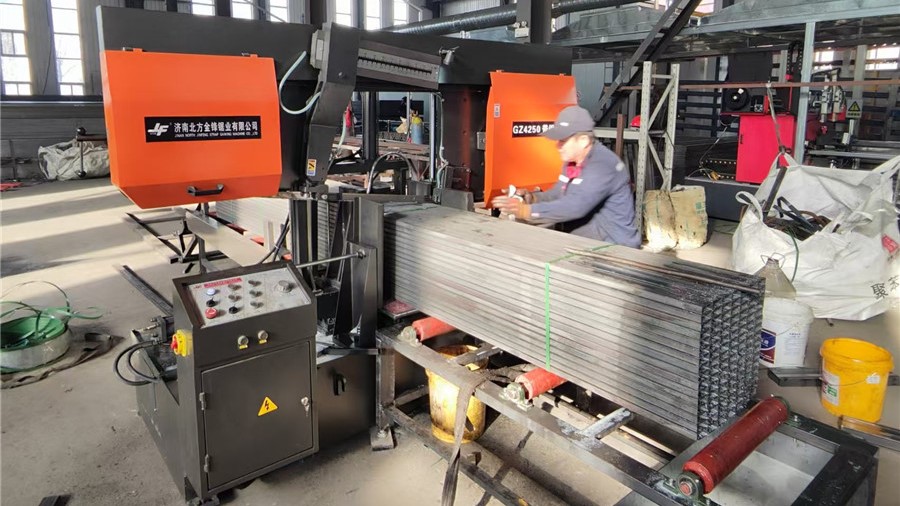
Our quality assurance process is managed by 28 specialized QC inspectors, ensuring compliance with international AS4084 (Australian racking standard) and OSHA (Occupational Safety and Health Administration) guidelines.
We conduct X-ray weld seam testing on primary load-bearing connections. This identifies internal voids or stress cracks, ensuring structural integrity under high loads.
Using magnetic thickness gauges, we verify that the protective powder coat measures between 60 to 90 microns. This ensures adequate corrosion resistance and durability in humid environments.
Hydraulic testing rigs apply loads exceeding capacity rating limits. This validates that beam deflection remains within standard safety thresholds (typically length/200).
Industrial storage systems must be tailored to the specific operating environments of different sectors. Our custom OEM engineering supports specialized configurations for key industries:
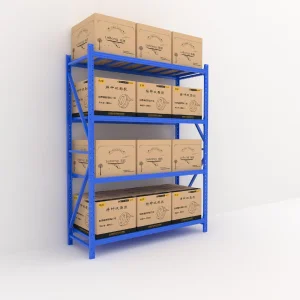
Designed for high inventory turnover, our heavy-duty selective pallet racks provide direct access to every pallet position. These systems are compatible with standard forklift attachments and optimize overall logistics flow.
Heavy-duty, long-span shelving handles concentrated loads, such as engine blocks and casting dies. Customized divider panels and side mesh protectors improve safety during loading and storage.
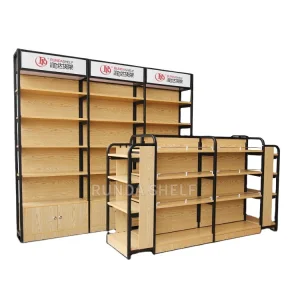
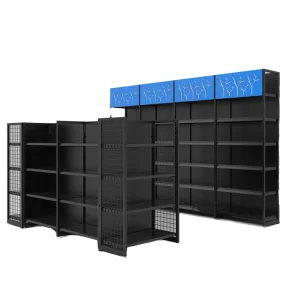
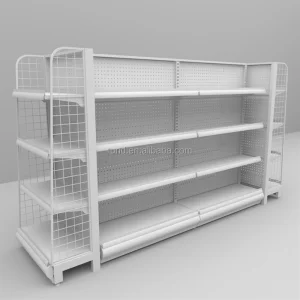
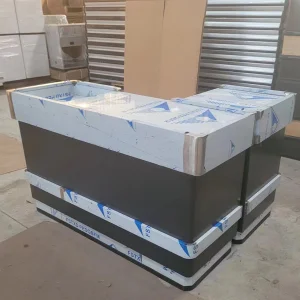
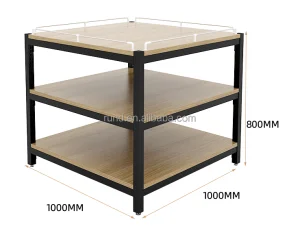
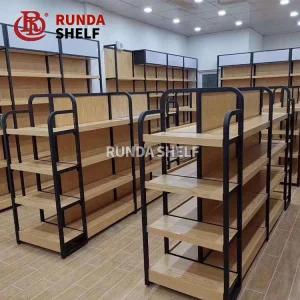
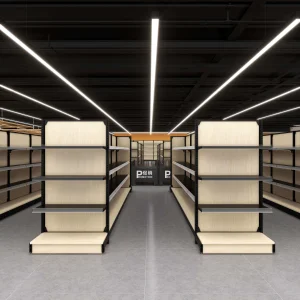
Combining steel structural strength with aesthetics, we manufacture double-sided wood-and-steel display shelving. These units integrate seamlessly with retail floor plans while maintaining high load capacities.
DirectRack serves a global network of partners, operating through integrated supply chains in key markets.
To prevent corrosion in high-humidity tropical climates, we utilize hot-dip galvanized finishes and corrosion-resistant coatings.
Systems are engineered to withstand ambient temperature fluctuations in non-air-conditioned warehouses, maintaining structural alignment under thermal expansion.
We design systems complying with regional seismic zoning regulations, incorporating reinforced baseplates and dynamic load frames.
Leveraging our strategic network of 650 supply chain partners, we manage lead times from raw material sourcing through container packing and final delivery. This helps minimize transportation costs and prevents transit delays.
Looking ahead, heavy-duty storage racking is incorporating digital monitoring and smart technologies. DirectRack is developing systems designed to integrate with automated and IoT-enabled warehouse environments:
We are testing structural strain sensors embedded within primary support beams. These transmit weight data to Warehouse Management Systems (WMS) to prevent overloading and uneven weight distribution.
Using warehouse spatial data, we design racking configurations that support variable density storage, allowing operators to adjust spacing dynamically for changing stock needs.
We are integrating lower-emission powder formulations and energy-efficient curing processes into our spray-molding lines, reducing the carbon footprint of our manufacturing process.
 DirectRack