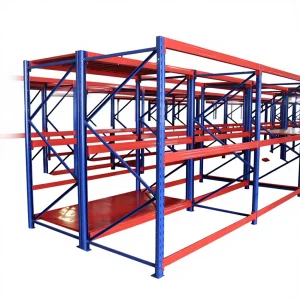
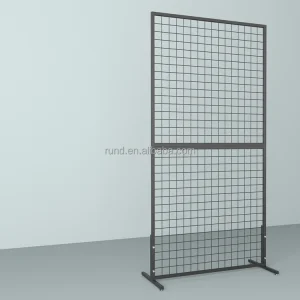
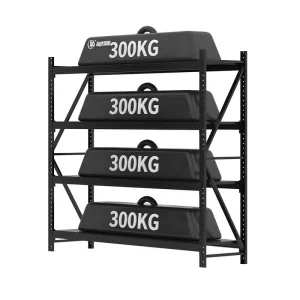
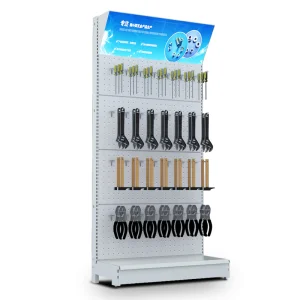
Behind our global export operations is a systemized infrastructure structured to withstand high-volume B2B needs, heavy freight requirements, and meticulous quality demands.
The global warehousing and logistics ecosystem is undergoing a dramatic shift toward high-density optimization. Rapid industrialization, soaring industrial land valuations, and the exponential growth of e-commerce are forcing supply chain networks to re-evaluate their floor-space efficiencies. Traditional static storage models, characterized by wide aisles and fixed structural components, are increasingly proving to be capital-inefficient. This has catalyzed the evolution and widespread adoption of mobile storage units and dynamic racking systems.
Modern mobile storage developments rely on lateral and longitudinal density maximization. By integrating electric drive systems, automated guide paths, and highly robust mechanical frames, these units transform static storage aisles into dynamic, accessible zones on demand. The primary drivers behind this mechanical evolution are the optimization of cold storage environments—where temperature control overhead demands the absolute highest volumetric utilization—and the adoption of Automated Guided Vehicles (AGVs) and Autonomous Mobile Robots (AMRs) that interface seamlessly with flexible, track-mounted systems.
A primary directive for modern logistics managers is minimizing the physical footprint of storage infrastructure. Studies indicate that transitioning from traditional Selective Pallet Racking (SPR) to Mobile Pallet Racking (MPR) can reduce the overall warehouse floor space requirements by up to 45% to 50%, while maintaining or even increasing total pallet capacity by 80% to 100%. This footprint reduction translates directly to structural cost savings, lowered utility consumption, and optimized forklift routing paths.
Cold chain facilities represent some of the most expensive industrial real estate to operate. The energy demand required to keep sub-zero spaces operational makes space utilization a critical performance indicator (KPI). Mobile storage units designed for cold chain environments must utilize special grades of structural steel—primarily Q235B or Q345B steel alloys—that maintain high-tensile ductility and resist low-temperature embrittlement. Anti-corrosive powder coatings and advanced hot-dip galvanized finishes ensure the racking withstands high condensation levels without structural degradation.
Industrial storage units are subjected to strict deflection limits defined by AS4084 and FEM 10.2.02. When calculating the deflection profile under maximum load, the safe deflection limit must not exceed L/200 (where L is the span of the beam). Substandard steel structures fail under dynamic mobile environments due to vibration-induced stress cycles, making high-tensile raw steel sourcing a non-negotiable metric for global procurement managers.
International procurement managers from retail distribution networks, automotive component warehouses, and FMCG wholesale groups follow rigorous validation criteria. The key concern in purchasing mobile storage units from overseas exporters is the assurance of structural integrity and regional building code compliance (such as seismic zoning regulations in California, USA, or structural calculations in accordance with Eurocode 3 in Europe).
When selecting an OEM/ODM mobile storage unit exporter, procurement professionals focus heavily on:
Different industries require specifically calibrated metal storage configurations. Our OEM/ODM capabilities bridge the gap between architectural layout requirements and structural limits.
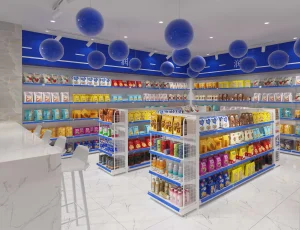
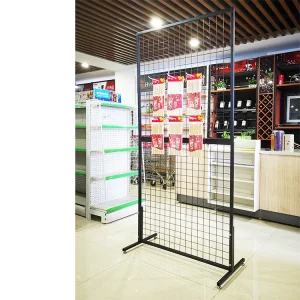
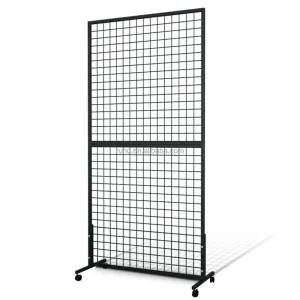
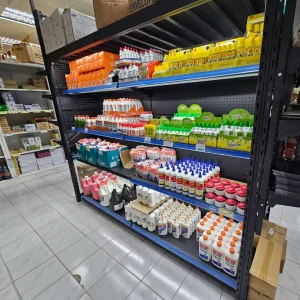
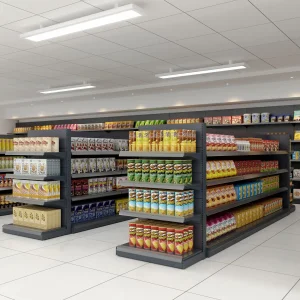
Optimized for high turnover rates, utilizing lightweight, modular retail rack configurations, gridwall wire systems, and adjustable mezzanine racks that support swift picking workflows and variable SKU densities.
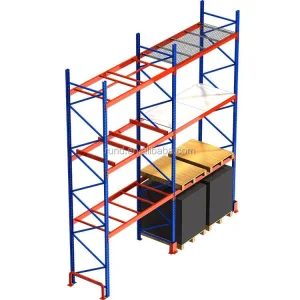
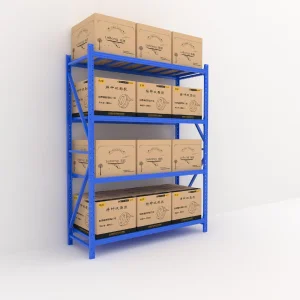
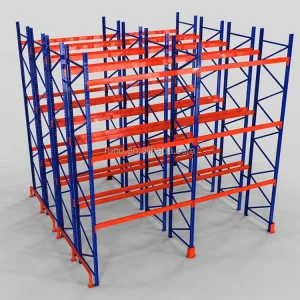
Heavy-duty steel storage racking systems supporting capacities up to 1000kg+ per beam level. Features drop-in adjustable beams, anti-collapse backing meshes, and reinforced upright columns for forklift-driven environments.
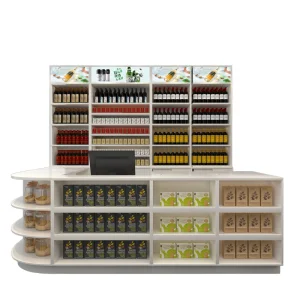
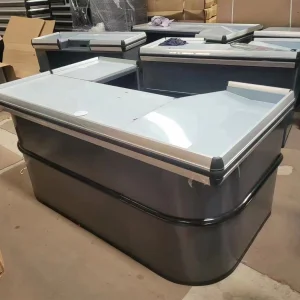
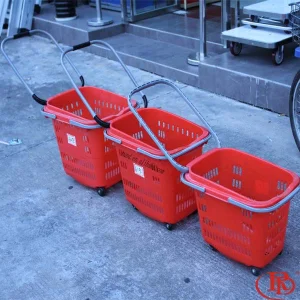
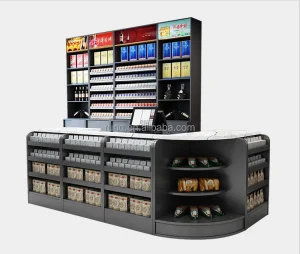
Custom store-front shelving, checkout counter configurations, heavy-duty display gondolas, and space-saving mobile wire storage racks that balance structural strength with customer-facing aesthetic design.
Founded in 2016, Dongguan Dingguan Metal Products Co., Ltd. (DirectRack) is a technology-driven warehouse equipment enterprise located in Dongguan, Guangdong Province. Leveraging 10 years of industry expertise and 8 years of international export background, the company operates a state-of-the-art manufacturing plant covering 25,000 square meters of building area. Our annual export revenue consistently exceeds $18 million USD, supplying premium steel storage systems to worldwide logistics networks.
Our operational model is built around technical customization and manufacturing precision. By coupling advanced steel processing lines with a dedicated engineering design team, we provide client-tailored OEM and ODM warehousing products. Our distribution lines cater to high-demand environments globally, including major storage facilities, commercial storefronts, and automated industrial warehouses.
Innovation is at the core of our business model. Spearheaded by 35 senior R&D engineers, DirectRack provides dynamic structural calculation models and fully bespoke modular storage designs. Our custom options feature customizable shelf depth/height ratios, multi-tier mezzanine configurations, anti-seismic bracing, and custom RAL color palettes. In the previous year, we successfully introduced 42 new product designs to meet evolving automated warehouse demands.
DirectRack maintains strict quality governance enforced by 28 specialized QC inspectors. Our quality control framework adheres to international AS4084 and OSHA safety standards. Our standard product inspection methods include X-ray weld seam analysis, coating thickness measurement via magnetic gauge, column compression destruction tests, and full-scale beam deflection loading tests to ensure zero-defect delivery.
| Testing Attribute | Methodology Applied | Target Compliance / Standard | QC Frequency |
|---|---|---|---|
| Weld Seam Integrity | Ultrasonic & X-Ray Defect Analysis | Zero internal porosity / ANSI AWS D1.1 | Batch Sampling (Every 50 Units) |
| Powder Coat Thickness | Magnetic Induction Digital Gauge | Minimum dry film thickness > 70μm | 100% End-of-Line Verification |
| Load Deflection Performance | Hydraulic Deflection Load Test Jig | Safe limit < L/200 under 1.5x safe load | Pre-shipment Sample Audit |
| Steel Grade Verification | Spectrometric Chemical Analysis | Q235B / Q345B Steel Grade Certifications | Incoming Raw Material Receipt |
From incoming raw steel inspection to computerized dynamic bending, automated welding, and electrostatic powder coating lines, every stage is executed in-house at our 25,000m² manufacturing hub.
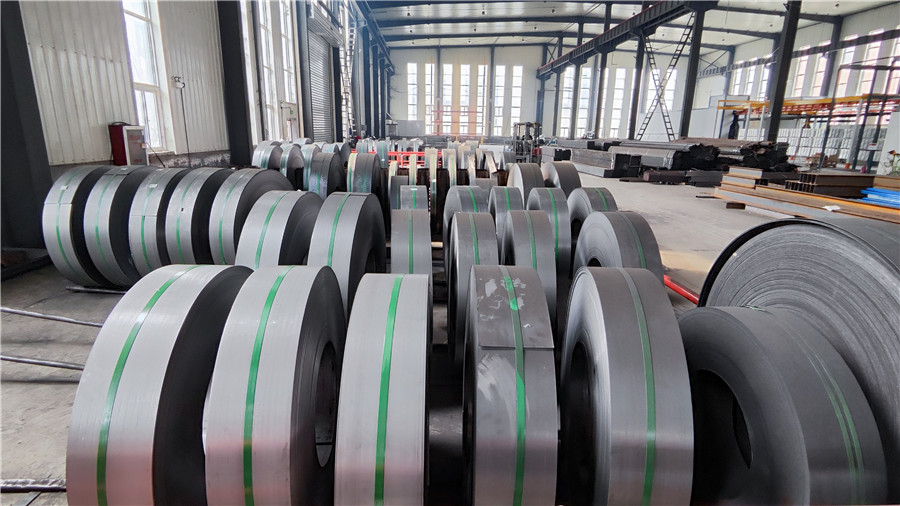
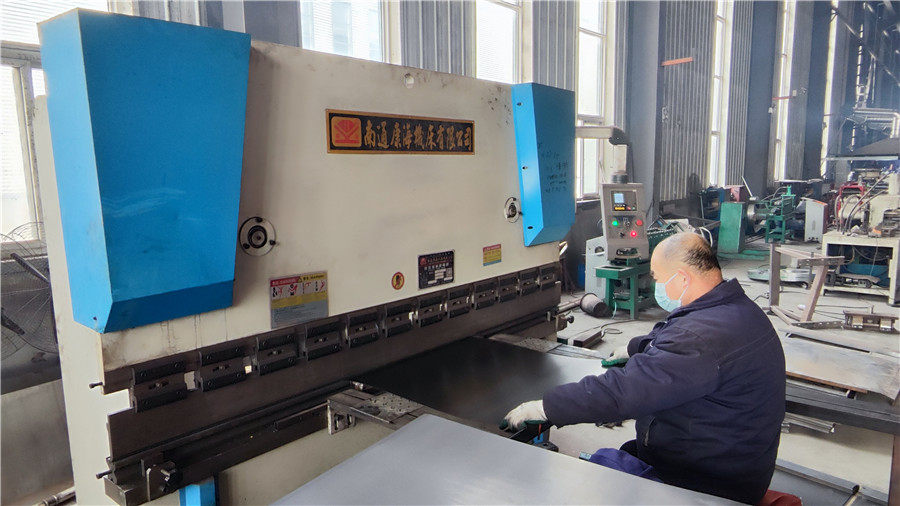
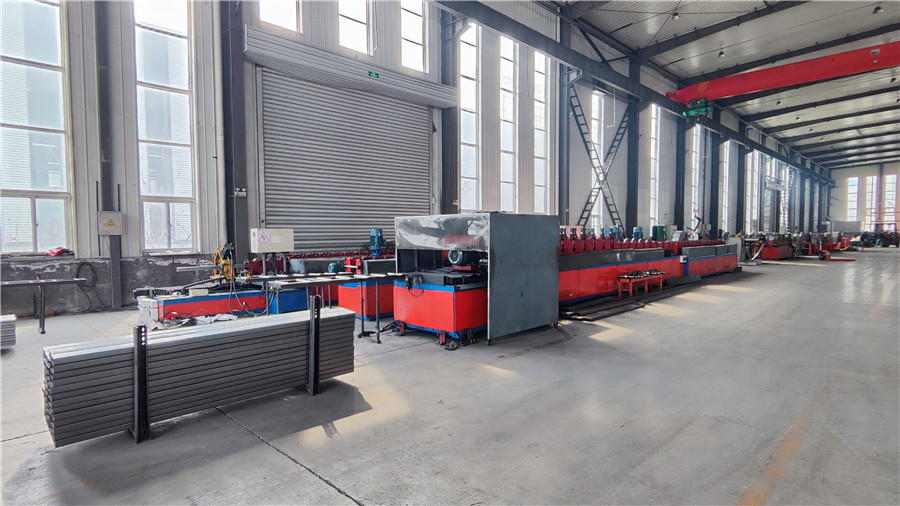
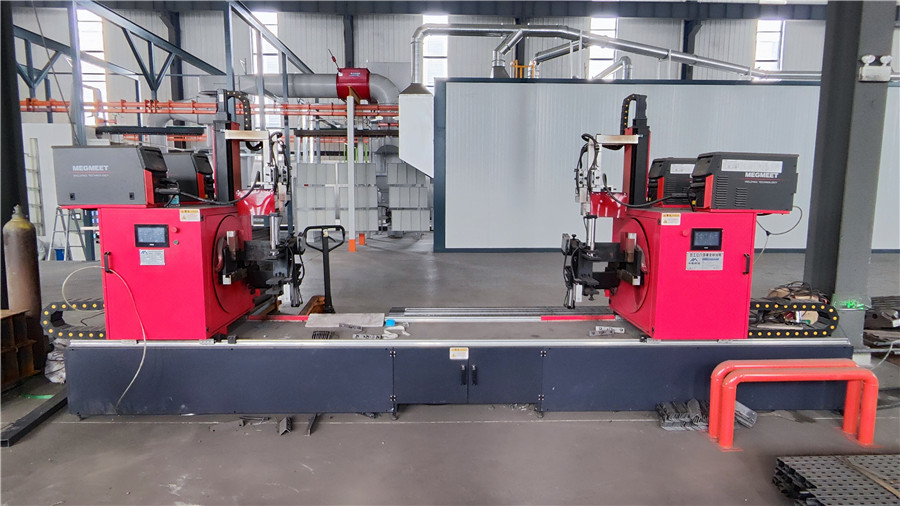
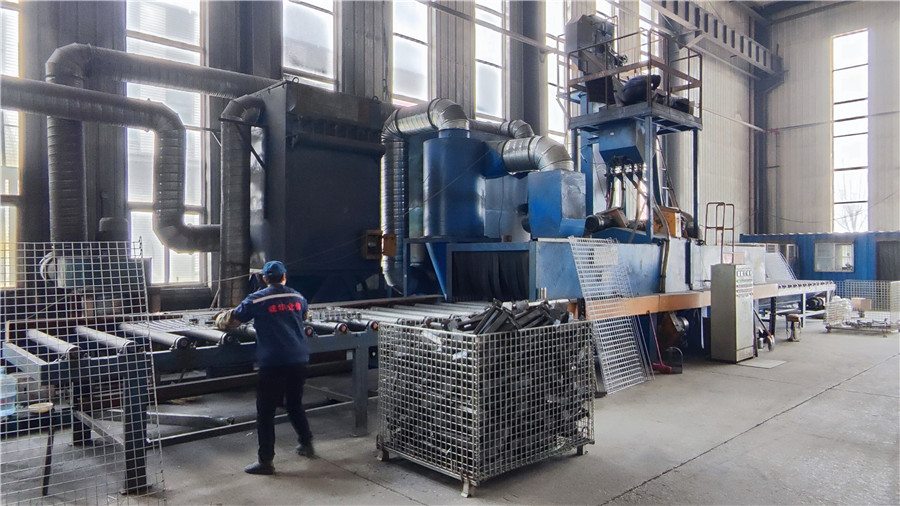
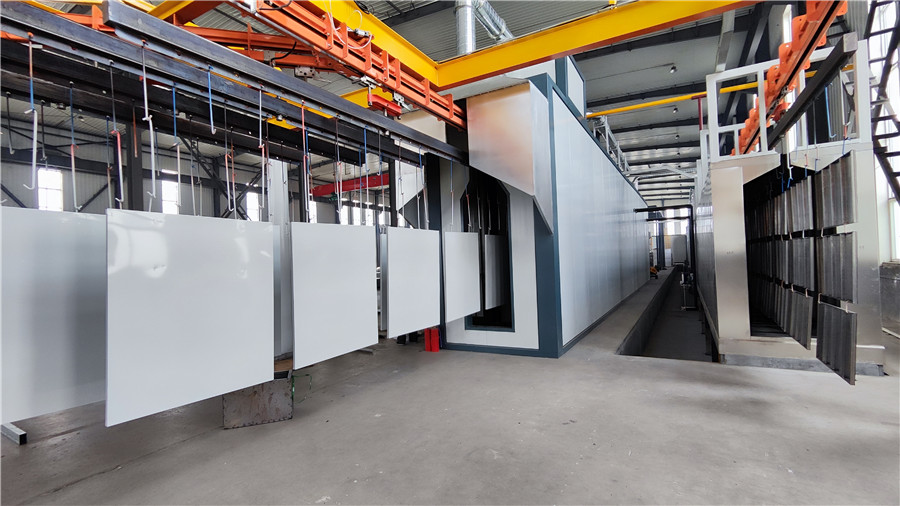
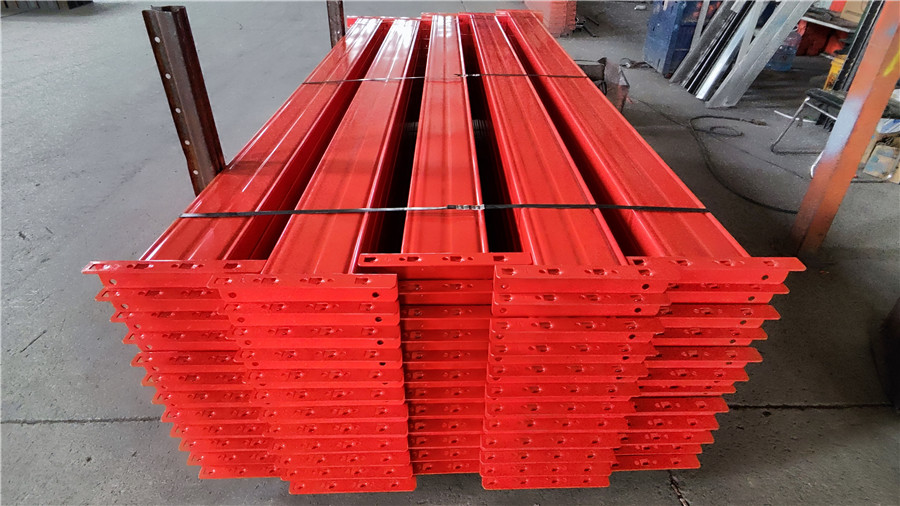
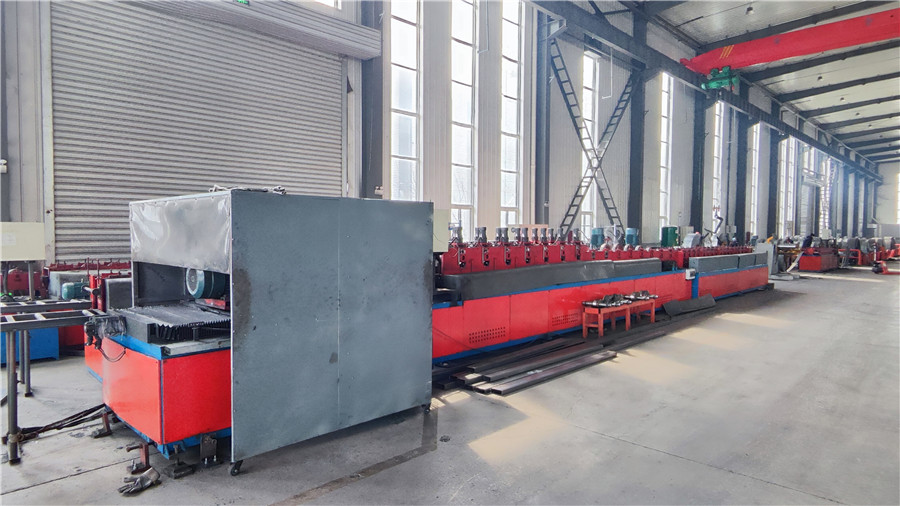
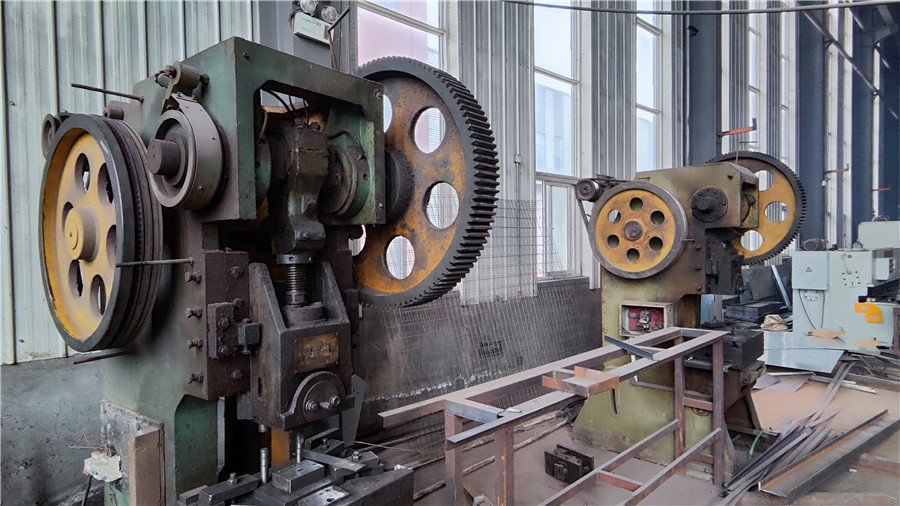
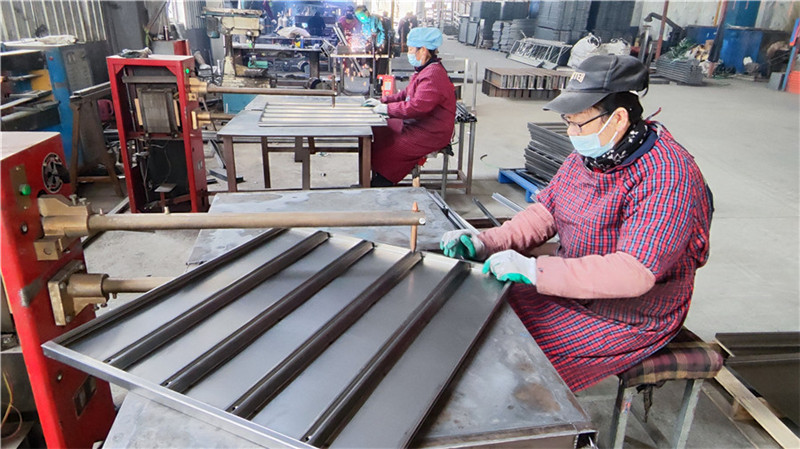
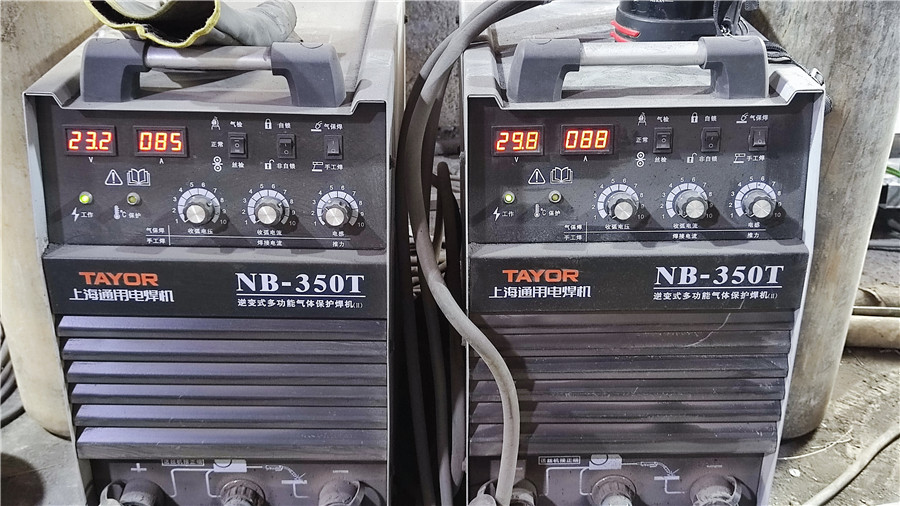
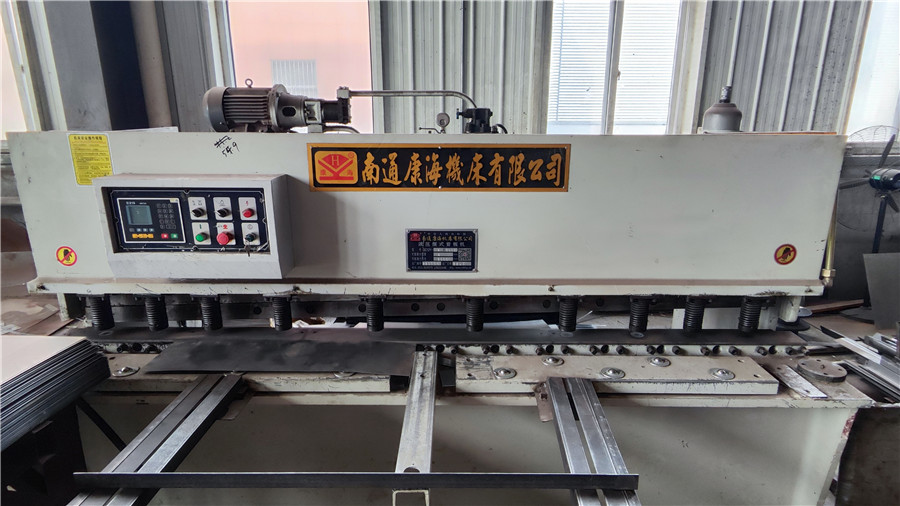
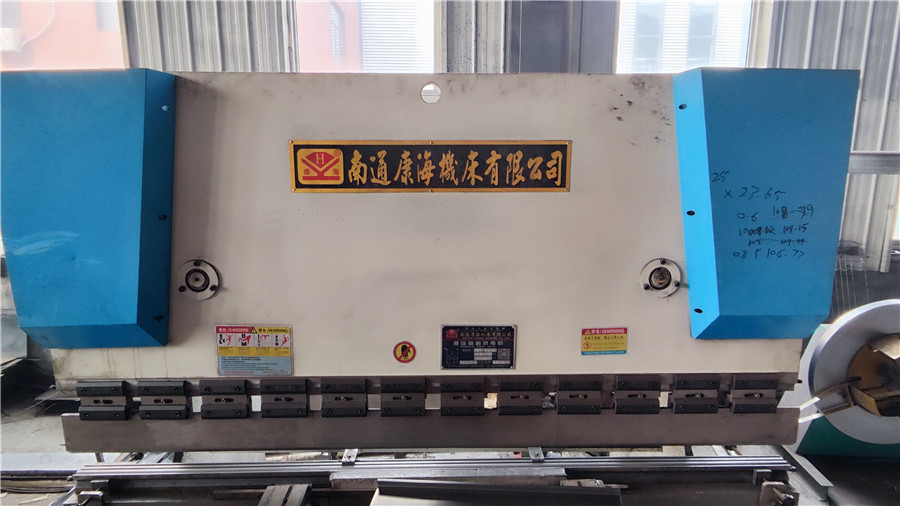
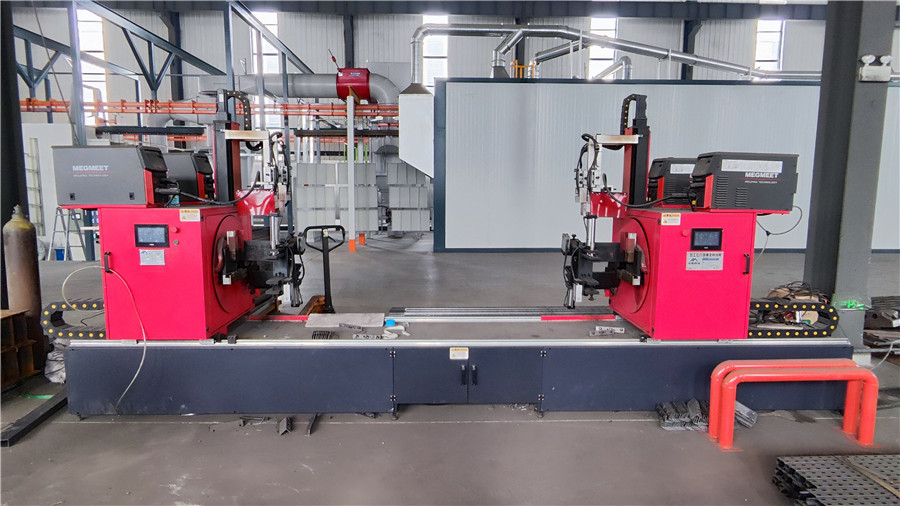
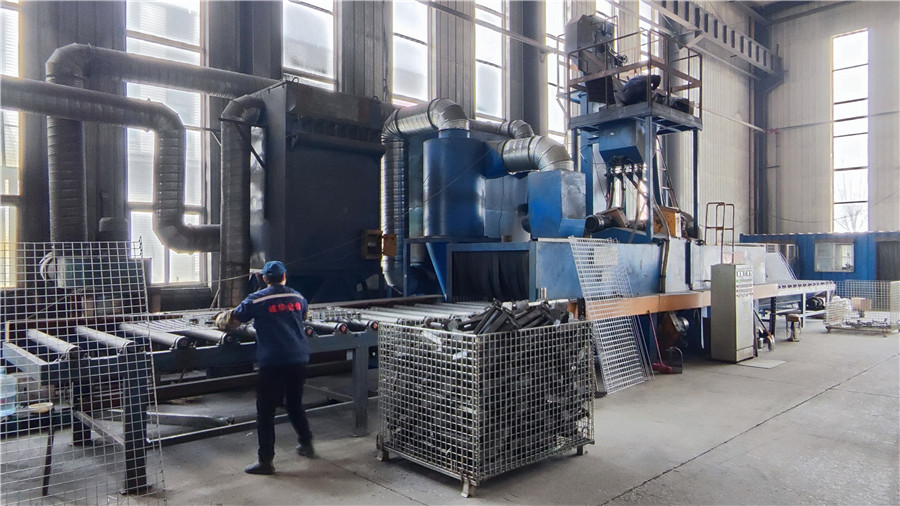
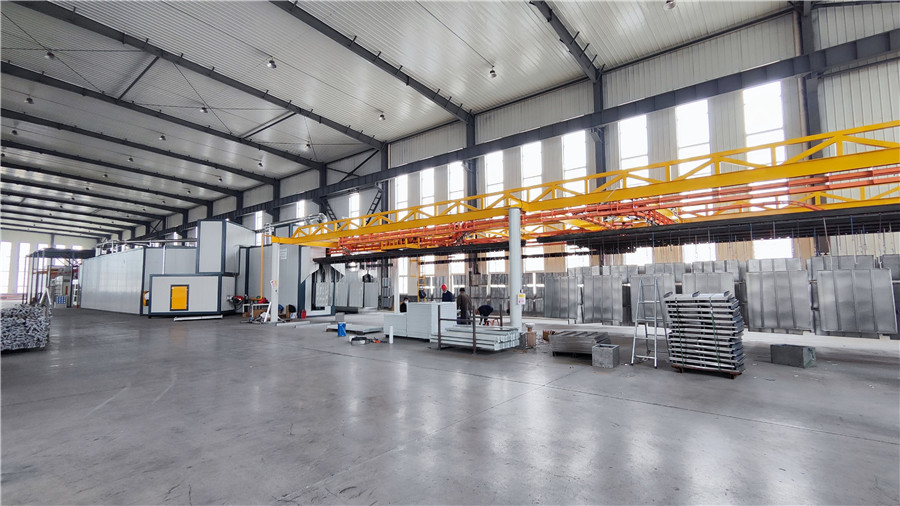
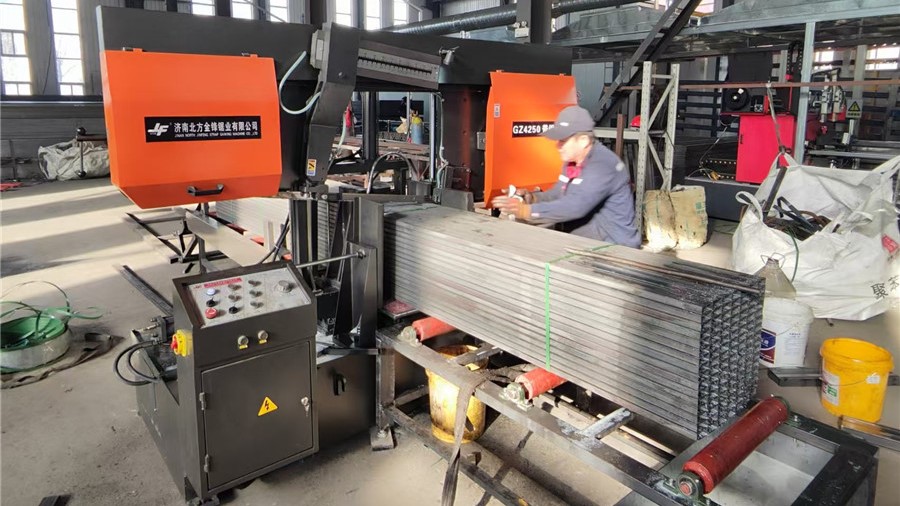
Utilizing a seamlessly integrated OEM/ODM trade background, DirectRack has established strategic alliances with 650 supply chain partners across raw steel sourcing and automated surface treatment industries. Our primary export markets include Southeast Asia, the Middle East, and South America. Our main client types range from retail distribution facilities and automotive parts warehouses to commercial FMCG wholesale hubs.
Exporting structural steel systems requires meticulous coordination of customs documentation, localized regulatory certifications, and physical shipping configurations. Because freight costs form a significant portion of warehouse infrastructure capitalization, DirectRack optimizes our product configurations for density during maritime transport. Dynamic knockdown components, nested column packing profiles, and modular palletization ensure maximum volume occupancy per 40HQ container, lowering landed costs for international distributors.
As the storage industry transitions toward fully digitalized logistics ecosystems, the technical path of our mobile storage design focuses on intelligent system integration:
 DirectRack