Explore our high-performance structural configurations tailored for retail centers, warehouses, and global distribution hubs.
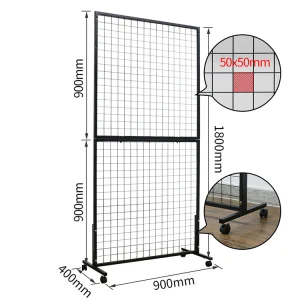
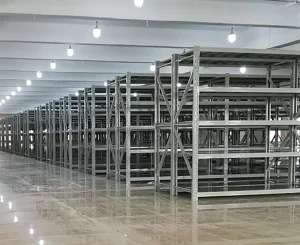
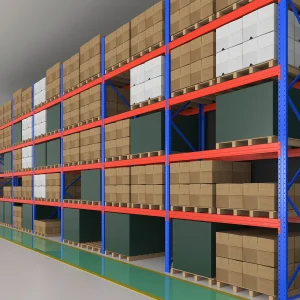
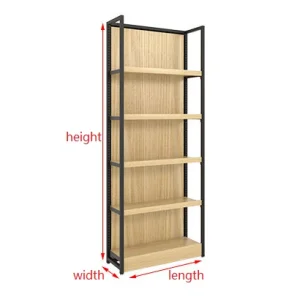
A corporate analytical overview of structural storage infrastructure, space optimization algorithms, and global OEM/ODM manufacturing capability.
In the modern corporate logistics landscape, structural space utilization is no longer a matter of basic warehousing—it is a critical driver of supply chain throughput, workplace safety, and bottom-line margin retention. Established in 2016, Dongguan Dingguan Metal Products Co., Ltd. (DirectRack) has positioned itself at the intersection of metallurgical innovation and structural engineering. Operating a 25,000 square meter state-of-the-art facility in the global industrial hub of Dongguan, Guangdong Province, DirectRack fuses 10 years of structural engineering expertise with 8 years of international trade history to design, prototype, and manufacture premium storage systems.
Our operational model is built entirely on providing measurable structural value. By maintaining strategic, long-term alliances with over 650 supply chain partners across premium steel mills and automated finishing plants, we guarantee that all components exhibit maximum tensile strength, predictable loading vectors, and reliable lifecycle behavior under heavy cyclic loads. We serve leading retail distribution facilities, high-density automotive component warehouses, and vast FMCG wholesale distribution nodes across Southeast Asia, the Middle East, and South America, delivering over $18 million USD in annual engineered racking exports.
"DirectRack’s design philosophy centers on the integration of high-performance physical metallurgy with custom structural geometry. Every upright frame, support bracket, and horizontal beam is optimized using Finite Element Analysis (FEA) to maximize cubic capacity while minimizing raw structural weight, ensuring peak performance under all seismic and loading dynamics."
Understanding how multi-tier retail systems, automated fulfillment layouts, and seismic engineering requirements are reshaping B2B procurement.
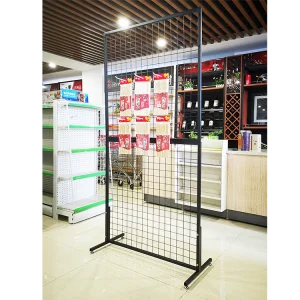
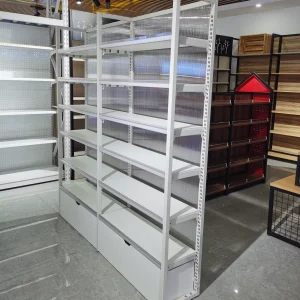
Modern distribution complexes and high-density retail environments face volatile inventory shifts. Static shelving structures lead to costly dead-space. Our engineering department designs wall-mounted systems with micro-adjustable slot pitches, allowing rapid, tool-free vertical and horizontal configuration changes to accommodate varying SKU dimensions.
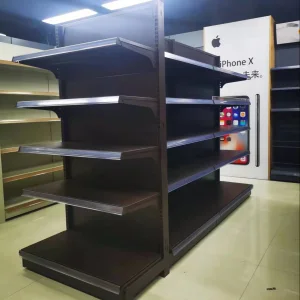
In retail displays and order-fulfillment centers, picker fatigue directly reduces cycle time. Modern designs blend high-grade cold-rolled steel channels with tactile timber panels and integrated LED routing. This hybrid presentation strategy creates premium, customer-facing touchpoints while retaining heavy-duty industrial weight capacities.
With tightening international building codes (e.g., IBC, Eurocode 8), wall shelving systems must withstand multi-directional kinetic energy during seismic occurrences. We incorporate high-ductility anchor plates, heavy-gauge steel backing brackets, and custom anti-seismic cross-bracing that dampens shock waves, mitigating structural collapse risk.
How global supply chain officers and warehouse operational leads can eliminate hidden costs during industrial storage sourcing.
B2B procurement of structural racking is frequently plagued by a misaligned focus on initial unit cost rather than Total Cost of Ownership (TCO). A lower purchase price from non-certified facilities often leads to devastating hidden operational costs, including field-welding corrections, premature finish peeling leading to structural rust, installation delays, and failure to pass local safety inspections. Leading supply chain directors prioritize key engineering metrics to verify structural integrity:
| Evaluation Parameter | Common Low-Tier Supplier Performance | DirectRack Industrial Standards | Enterprise Operational Benefit |
|---|---|---|---|
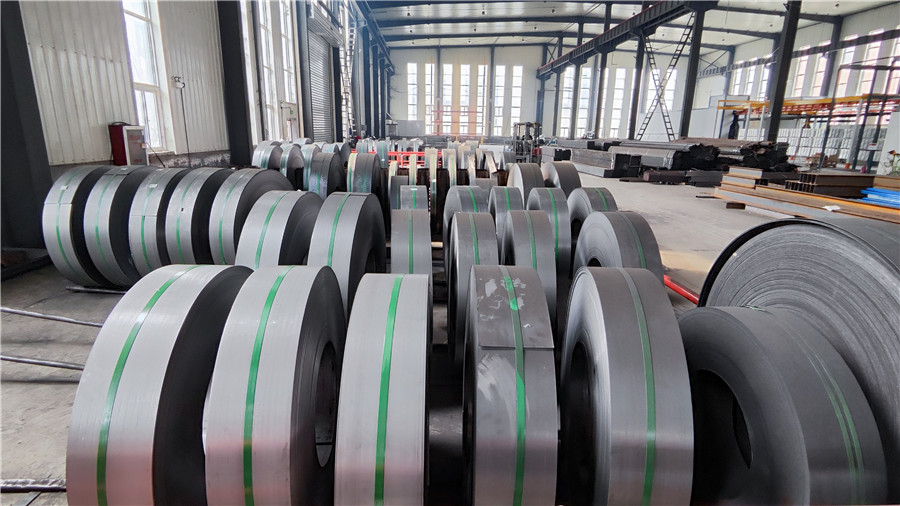
| Raw Material Sourcing | Recycled, uncertified scrap melt with high impurities | Q235B & Q355B structural steel certified by premium mills | Uniform yield strength, predictable deformation boundaries, and superior weld penetration. |
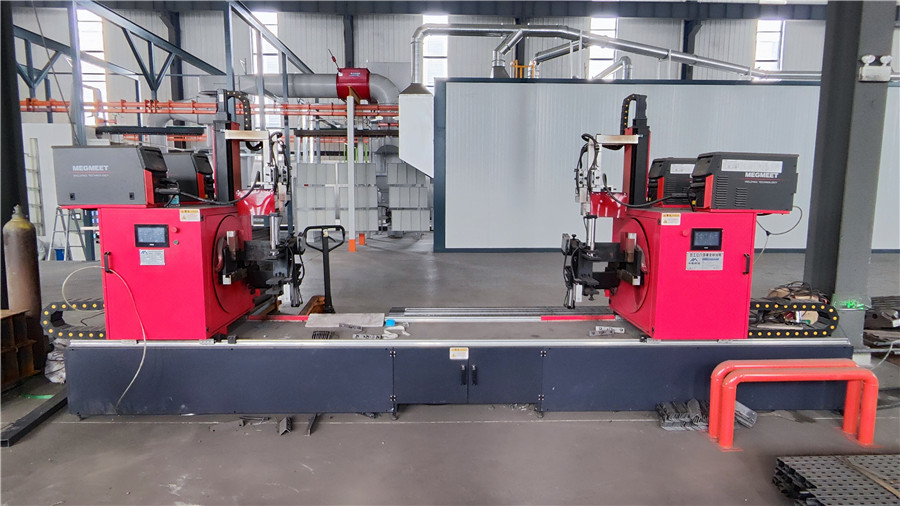
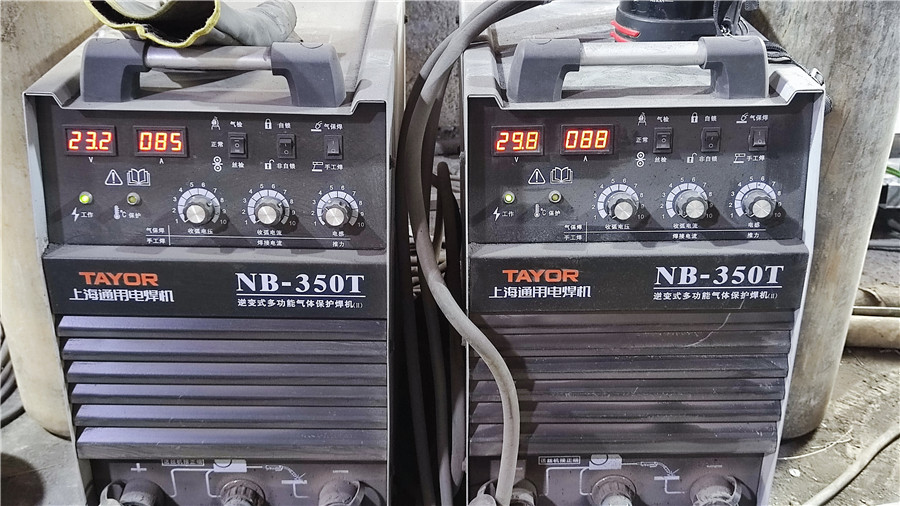
| Welding Quality Control | Manual welding with micro-voids, slag inclusions | Automated OTC robotic welding with 100% penetration checks | Eliminates structural joint failure under extreme shear and compressive loads. |
| Surface Protection | Low-micron paint spray with poor adhesion (chips easily) | Electrostatic epoxy powder coating (thickness > 80 microns) | Resists mechanical scraping from heavy forklift activity and prevents chemical oxidation. |
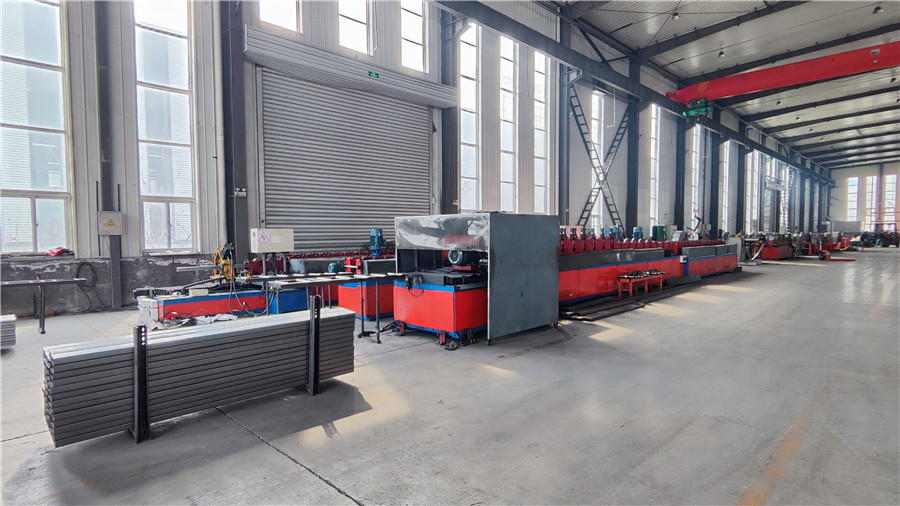
| Dimensional Tolerance | +/- 2.0mm resulting in poor alignment on site | CNC precision punching (+/- 0.2mm tolerance) | Guarantees rapid modular assembly and uniform load distribution. |
| Compliance Verification | Self-declared capacity statements without raw data | Independent load testing (AS4084, OSHA, FEM compliant) | Ensures immediate building certification and zero liability exposure. |
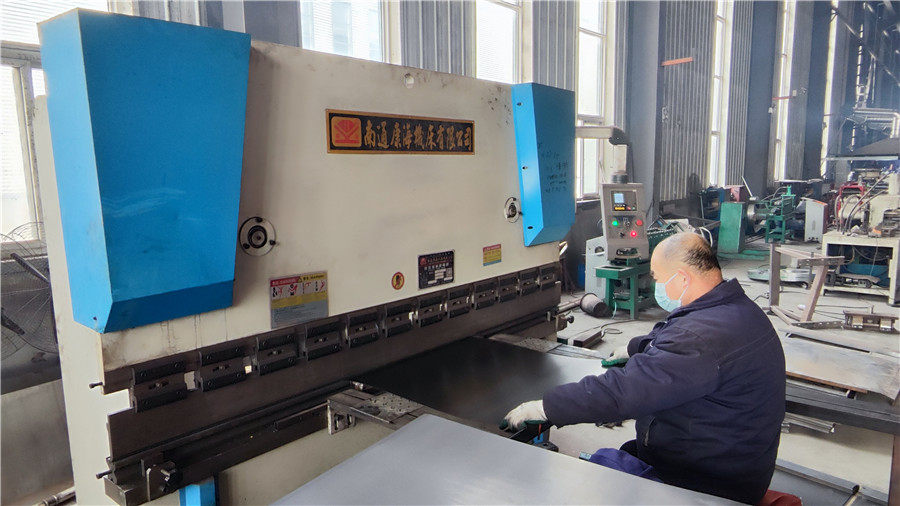
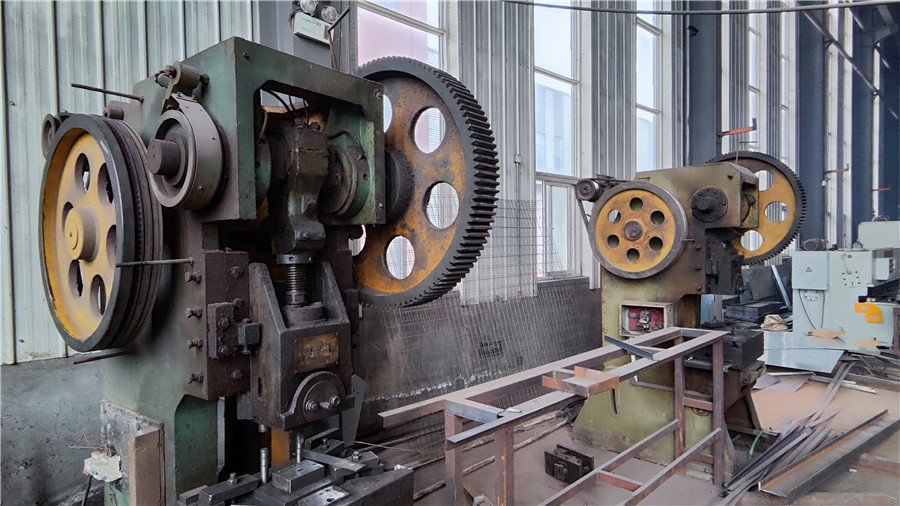
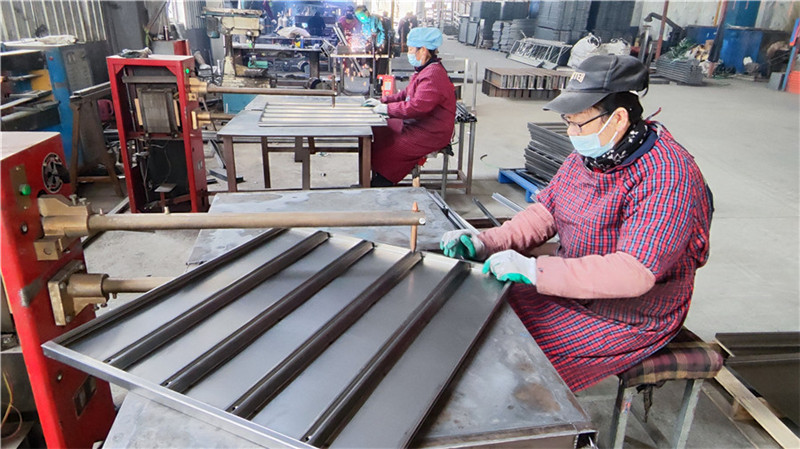
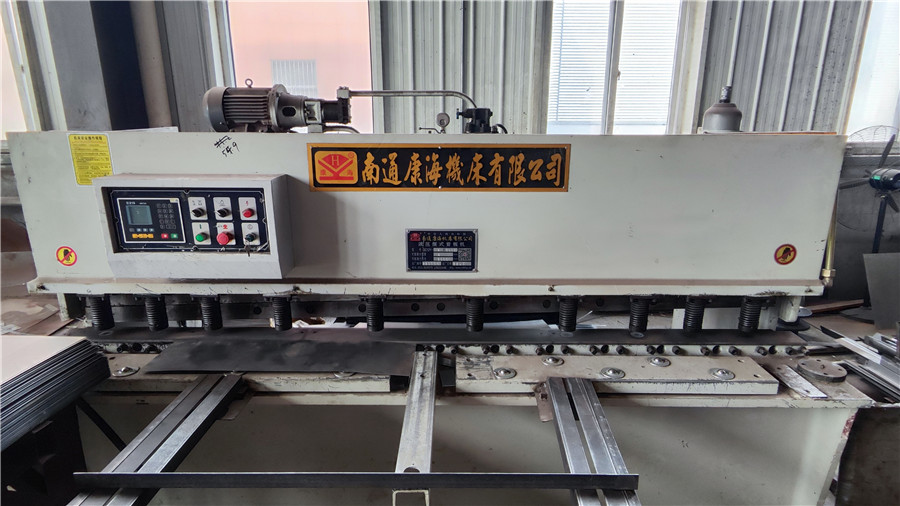
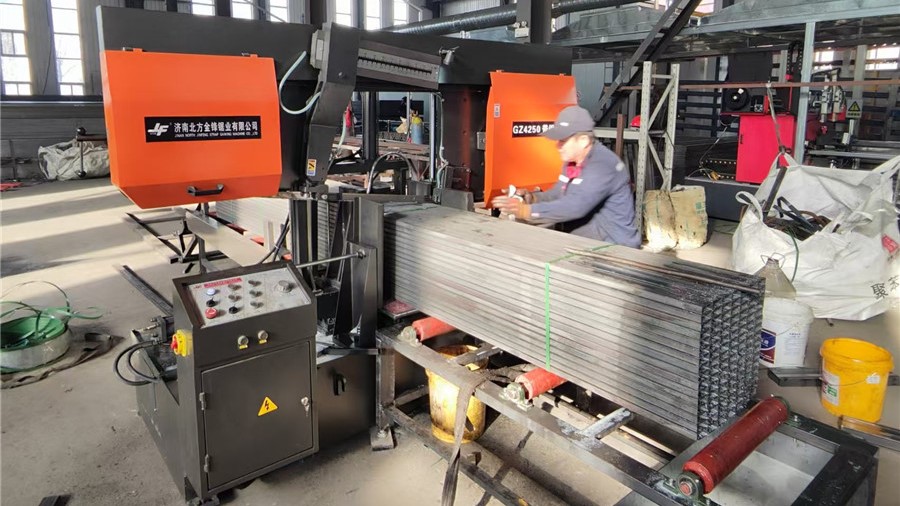
A step-by-step showcase of our automated metal fabrication facility, from raw coil slitting to electrostatic powder coating.
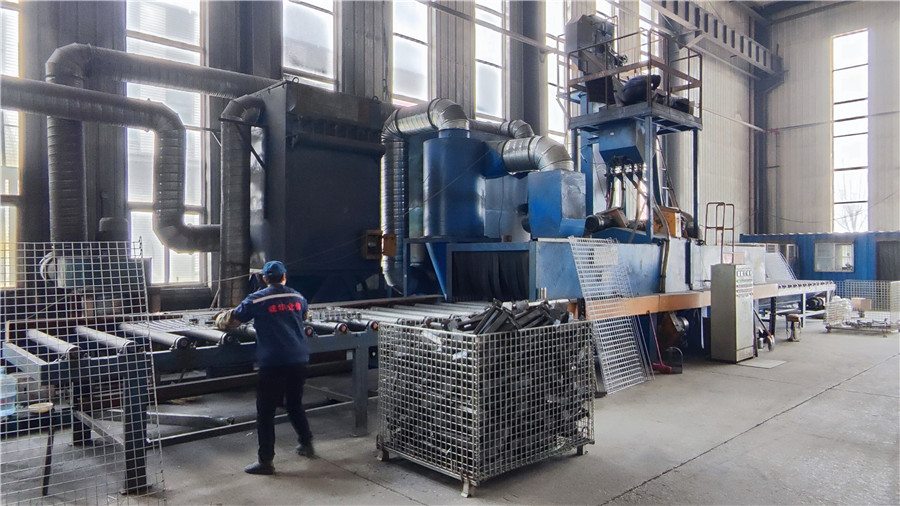
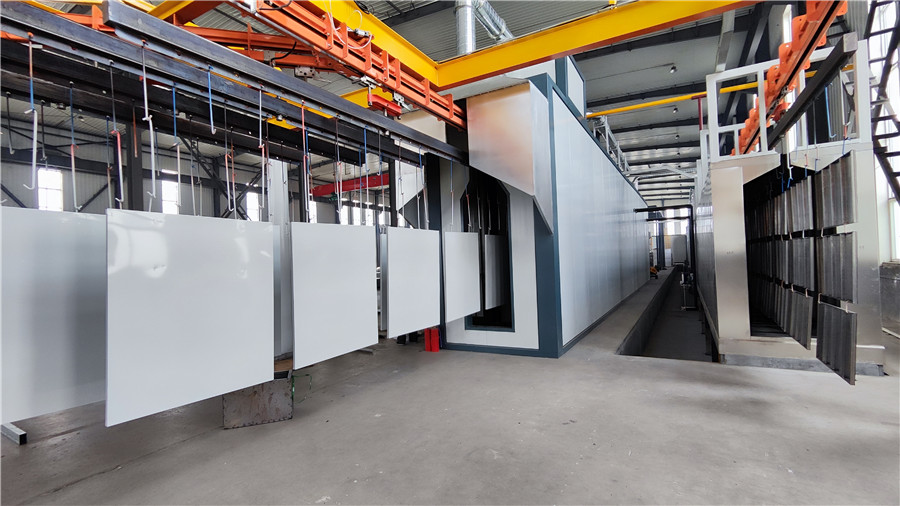
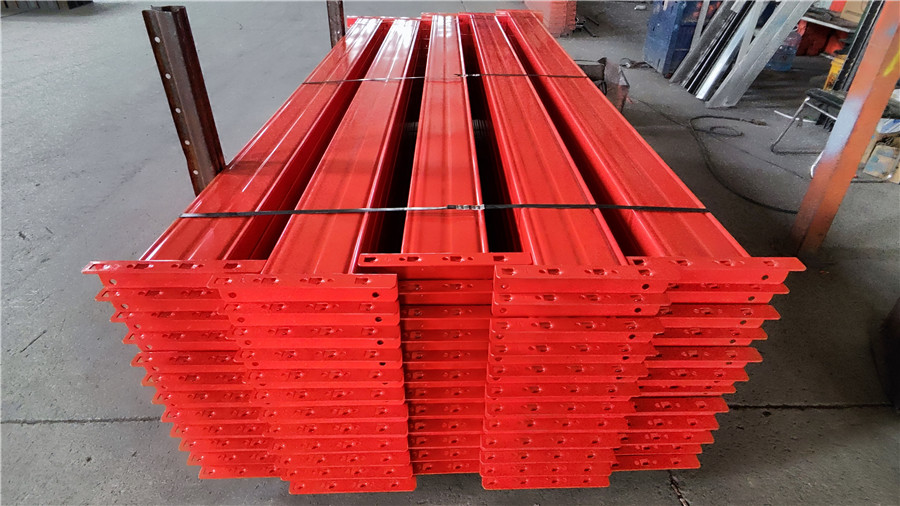
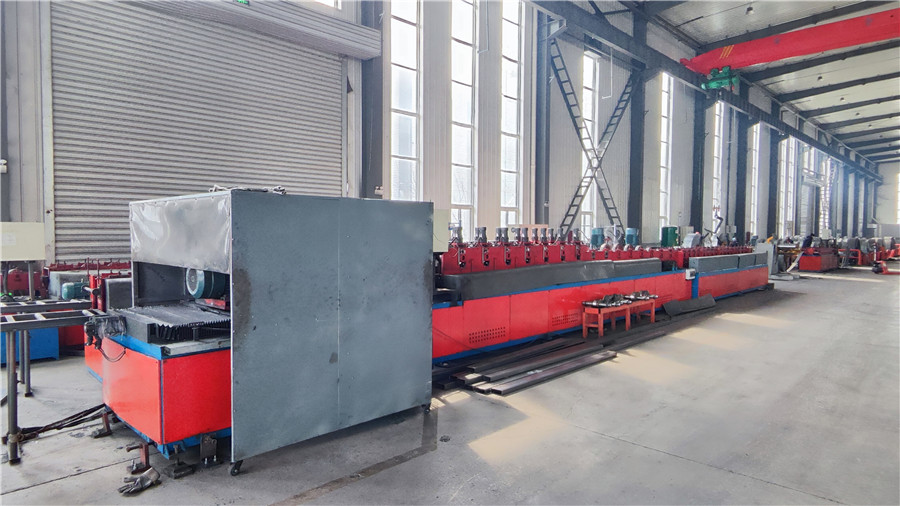
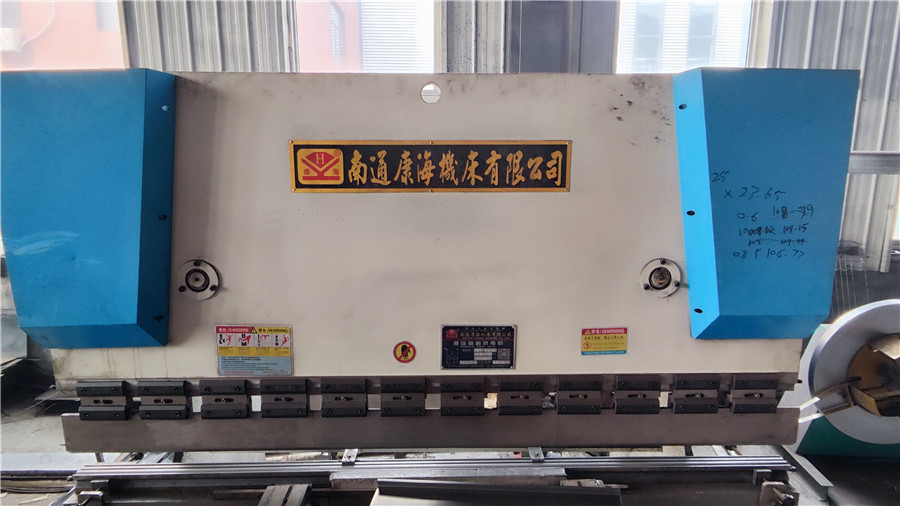
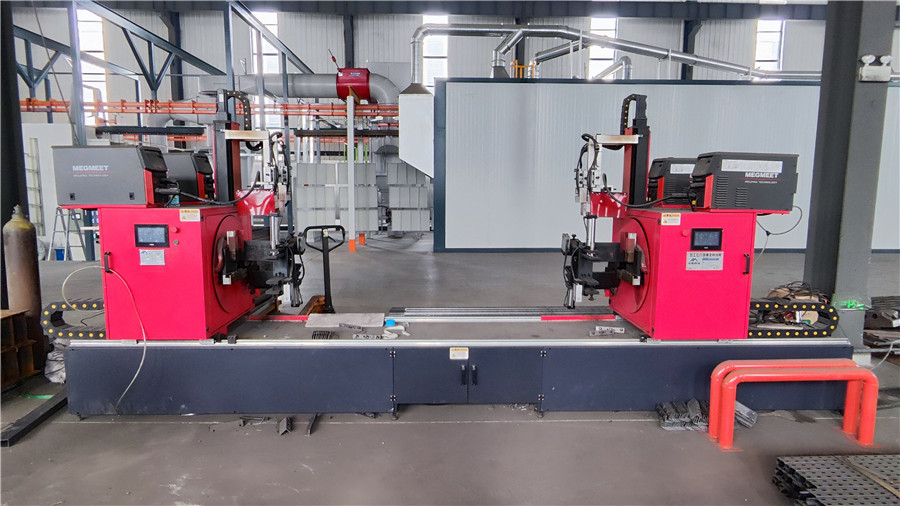
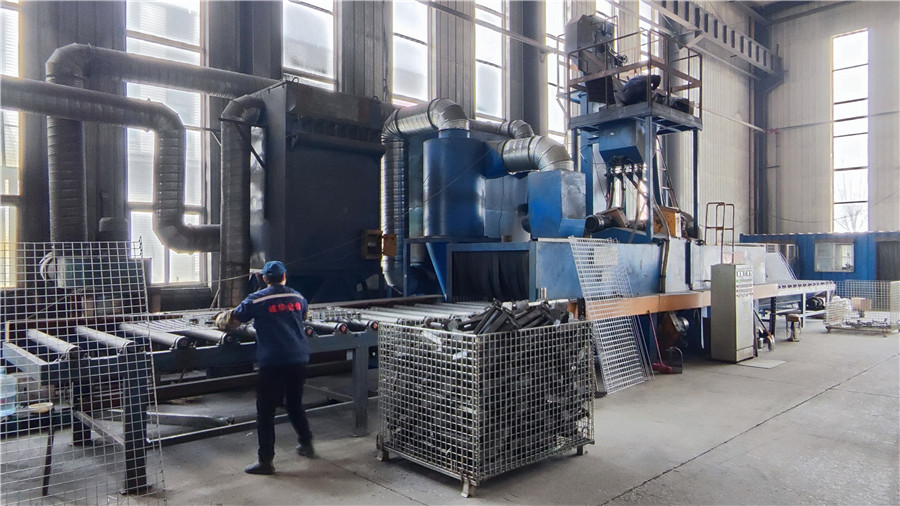
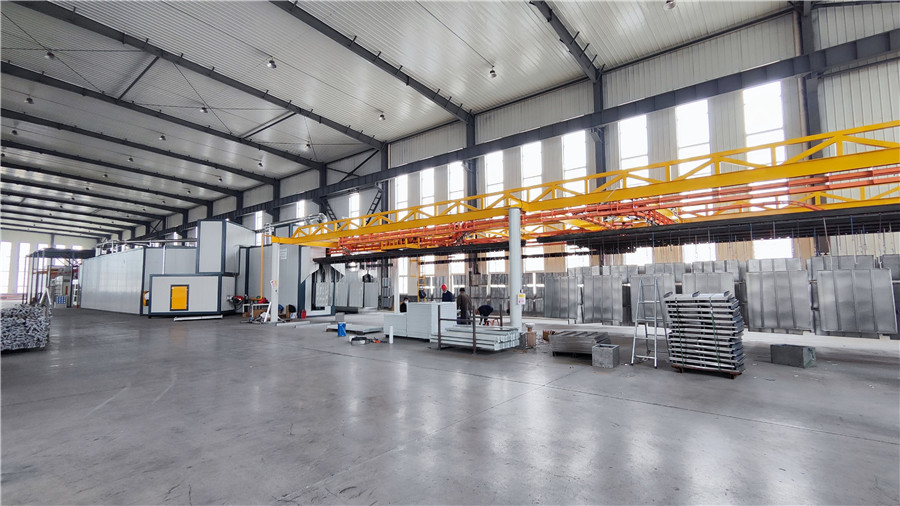
A breakdown of our metallurgical validation protocols to guarantee AS4084 and OSHA compliance.
To eliminate structural deviation in high-load scenarios, DirectRack maintains a dedicated, independent quality governance department composed of 28 specialized Quality Control (QC) inspectors. Unlike basic dimensional spot-checking, our structural validation framework consists of four primary metallurgical and physical stress testing routines, ensuring every batch complies strictly with international AS4084 and OSHA guidelines:
Our inspectors run non-destructive X-ray examinations along critical weld seams (specifically where connectors meet horizontal beams). This process scans for microscopic internal porosity, cracking, or incomplete root fusion, verifying a zero-defect joint connection.
To prevent localized rust that could weaken structural members over decades, magnetic-induction gauges monitor dry-film thickness. This step guarantees that a uniform, impact-resistant epoxy barrier is maintained over every single square millimeter of steel.
During testing, physical upright profile samples are subjected to crushing vertical forces inside our hydraulic testing machines. This process allows engineers to document actual buckling points and verify that our material safety margins exceed nominal load ratings by a minimum factor of 1.5.
Full-scale horizontal beam assemblies are mounted onto test rigs and subjected to continuous vertical loads. Electronic laser-displacement sensors measure the elastic deflection limit (typically L/200), ensuring the structures support their dynamic capacities without permanent deformation.
A forward-looking perspective on how DirectRack is integrating ASRS, IoT tracking sensors, and green steel alloys into our future pipelines.
As logistics operations transition toward automated warehousing, static metal frames are evolving into interactive hardware systems. Spearheaded by our team of 35 senior R&D engineers, DirectRack is actively developing a technology roadmap to support the smart distribution centers of tomorrow. We successfully brought 42 new product designs to market last year, and our engineering pipeline continues to focus on three core areas:
Modern Automated Storage and Retrieval Systems (ASRS) require sub-millimeter tolerances from racking structures. We are redesigning our roll-formed upright channels to interface with laser-guided robotic shuttles and automated cranes. This setup minimizes alignment errors and ensures smooth, continuous system operation.
Our research and development team is testing bracket designs with integrated micro-strain gauges. These integrated sensors collect structural load data in real time, alerting operations managers to overloaded sections or potential structural damage before safety is compromised.
To support global carbon-reduction initiatives, we are partnering with leading green steel mills. By utilizing low-carbon scrap melt steel alongside bio-polymeric powder coat finishes, we can significantly lower the carbon footprint of our racking systems while maintaining their high structural performance.
Get answers to common engineering, regulatory, and customization questions from our global partners.
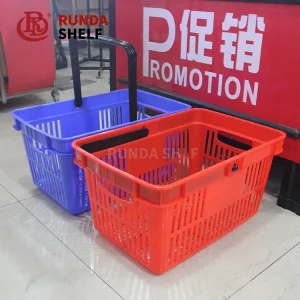
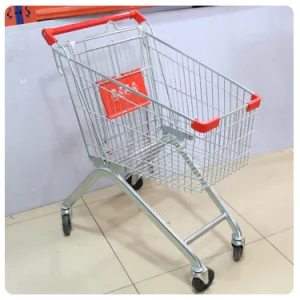
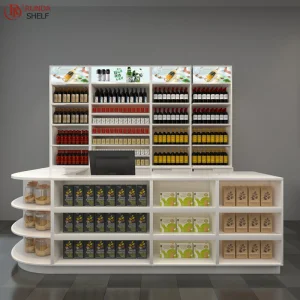
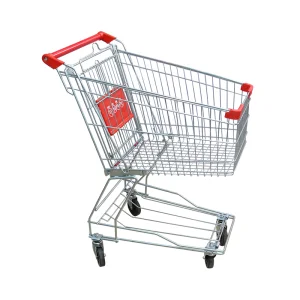
Explore our structural handling racks, shopping carts, checkout counters, and versatile point-of-sale fixtures.
 DirectRack