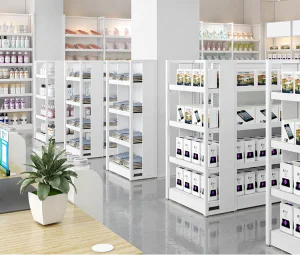
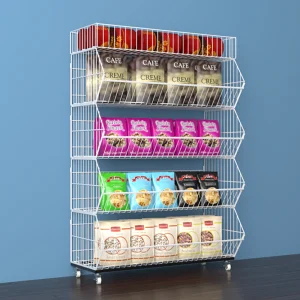
Engineered to maximize storage efficiency, retail display visibility, and heavy-duty load parameters
Analyzing the critical convergence of structural steel engineering, storage optimization, and logistics velocity
In the contemporary B2B supply chain ecosystem, the movement of components and consumer-packaged goods (FMCG) relies on highly engineered interfaces. At this nexus lies the integration of industrial display totes and high-density racking networks. No longer treated as passive holding vessels, modern display totes and modular rack interfaces function as active nodes within automated logistics. Their design directly influences load throughput, automated storage and retrieval system (ASRS) compatibility, and safety compliance across global distribution hubs.
As micro-fulfillment centers expand closer to metropolitan areas, the demand for versatile totes that transition from distribution warehouses straight to retail aisles has increased. This dual-use capability requires containers and shelving systems with exceptional physical endurance—such as Q235B structural steel reinforcement—while preserving the visual clarity needed for front-of-house store presentations. The market has moved beyond standardized plastic storage to encompass complex structural designs incorporating anti-static properties, multi-tiered security features, and optimized nesting footprints that save space when returning empty units.
Reduces return logistics overhead by up to 70% with tapered configurations that stack securely when empty.
Incorporates shock-resistant polymers and heavy-duty steel interfaces to mitigate impact damage from forklifts.
Features standardized base profiles designed for compatibility with conveyor tracks, roller decks, and robotic grippers.
A decennial history of structural steel excellence, quality control benchmarks, and custom manufacturing capacity
Founded in 2016, Dongguan Dingguan Metal Products Co., Ltd. (DirectRack) is a technology-driven warehouse equipment enterprise located in Dongguan, Guangdong Province. Leveraging 10 years of industry expertise and 8 years of international export background, the company operates a state-of-the-art manufacturing plant covering 25,000 square meters of building area. Our annual export revenue consistently exceeds $18 million USD, supplying premium steel storage systems and display interfaces to worldwide logistics networks.
Quality Assurance & Testing Standards: DirectRack maintains strict quality governance enforced by 28 specialized QC inspectors. Our quality control framework adheres to international AS4084 and OSHA safety standards. Our standard product inspection methods include X-ray weld seam analysis, coating thickness measurement via magnetic gauge, column compression destruction tests, and full-scale beam deflection loading tests to ensure zero-defect delivery.
Global Trade & Supply Chain: Utilizing a seamlessly integrated OEM/ODM trade background, DirectRack has established strategic alliances with 650 supply chain partners across raw steel sourcing and automated surface treatment industries. Our primary export markets include Southeast Asia, the Middle East, and South America. Our main client types range from retail distribution facilities and automotive parts warehouses to commercial FMCG wholesale hubs.
R&D & Customization Capabilities: Innovation is at the core of our business model. Spearheaded by 35 senior R&D engineers, DirectRack provides dynamic structural calculation models and fully bespoke modular storage designs. Our custom options feature customizable shelf depth/height ratios, multi-tier mezzanine configurations, anti-seismic bracing, and custom RAL color palettes. In the previous year, we successfully introduced 42 new product designs to meet evolving automated warehouse demands.
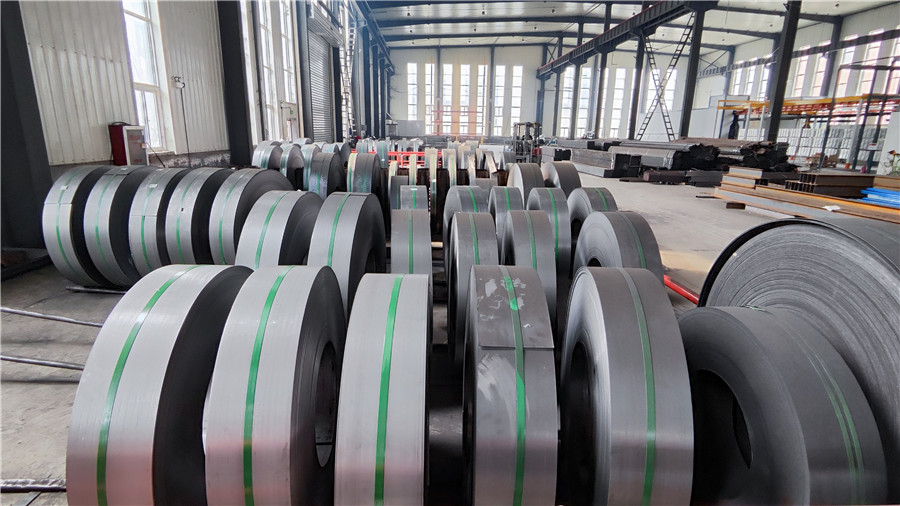
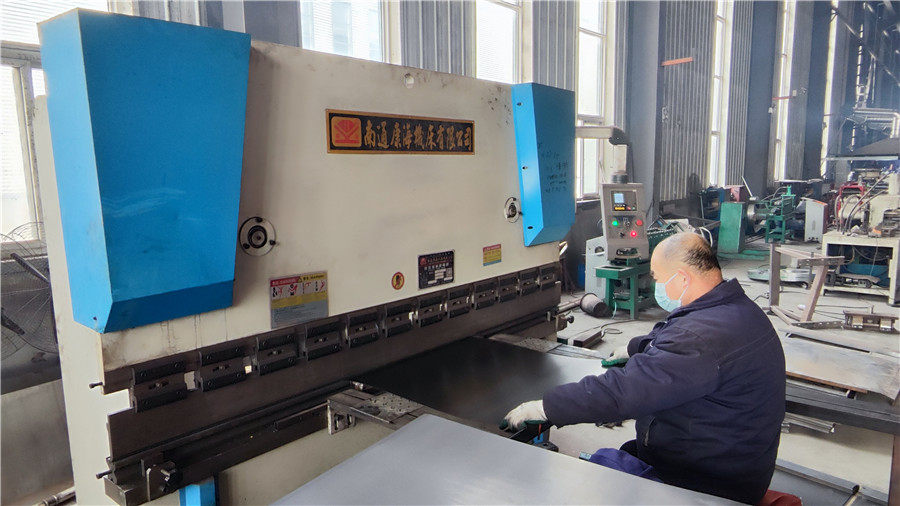
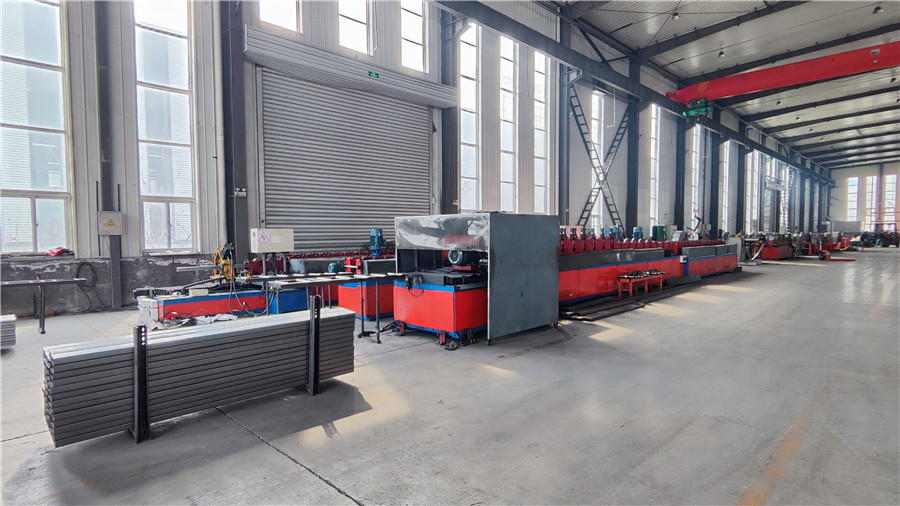
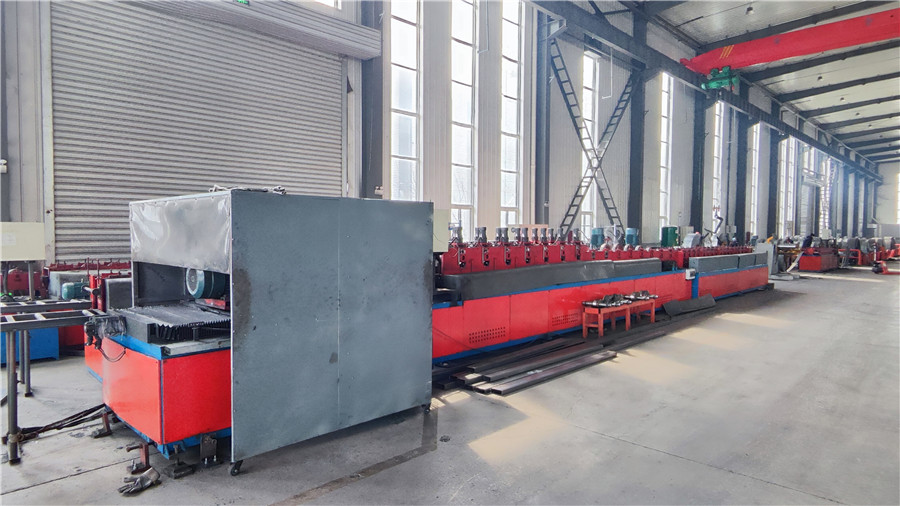
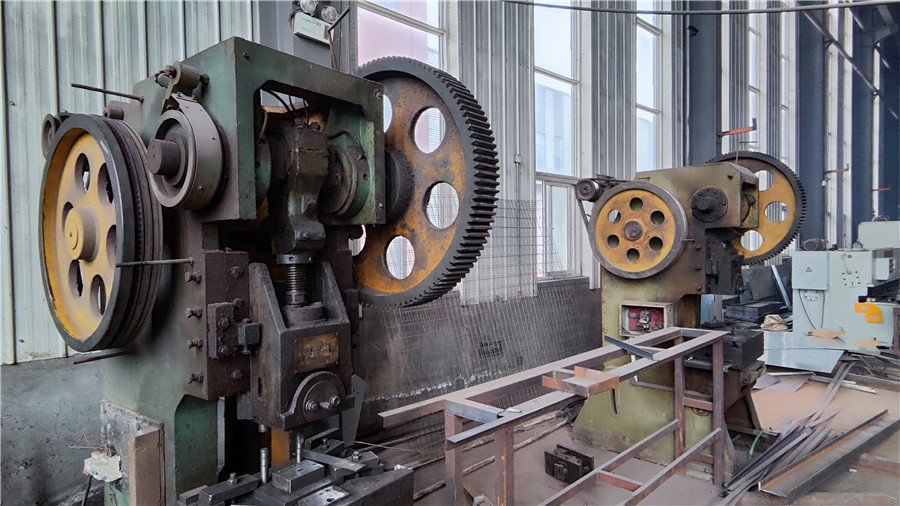
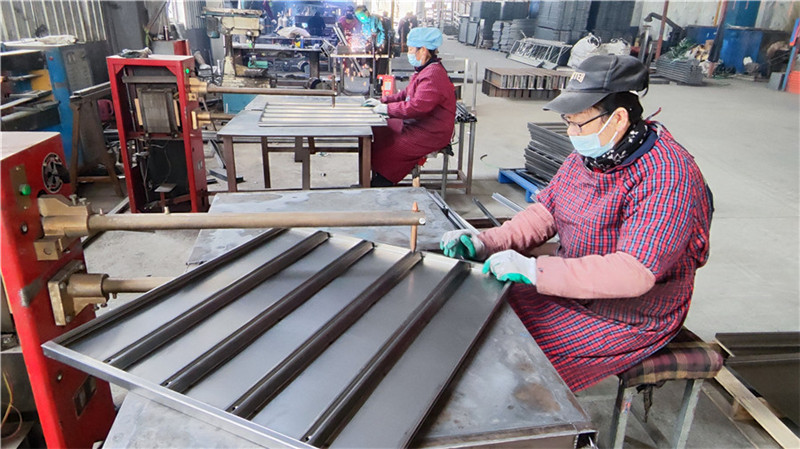
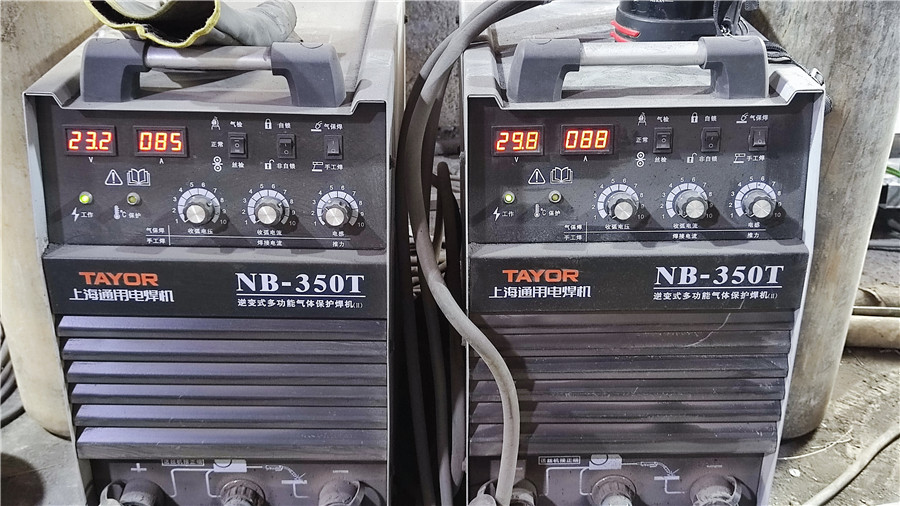
Visualizing our industrial-grade manufacturing steps, computerized machinery, and metal treatment capabilities
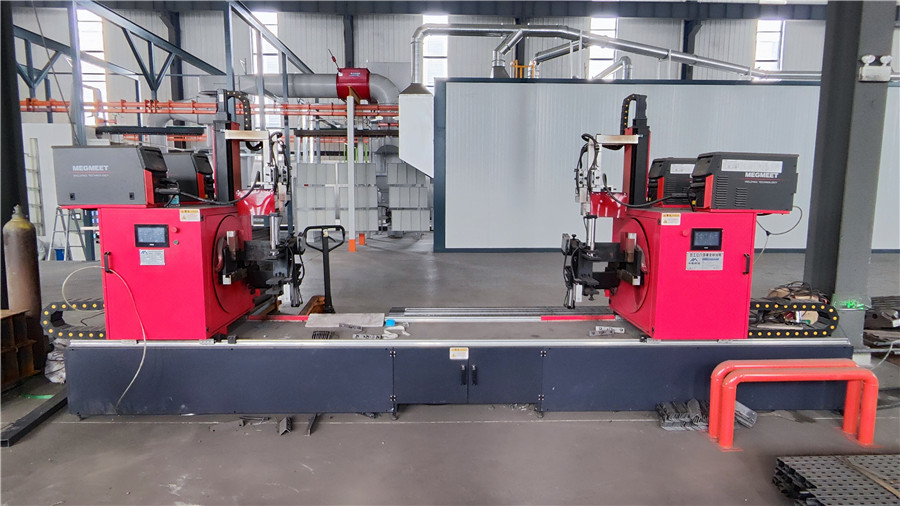
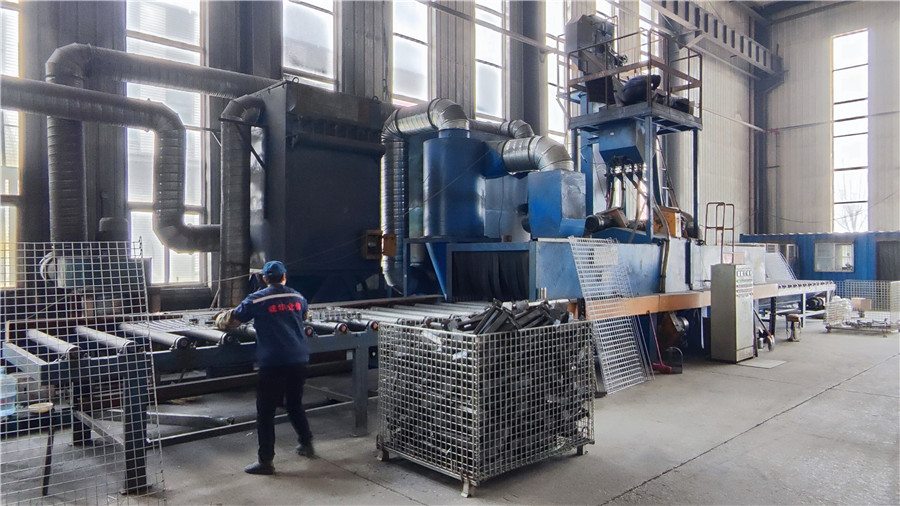
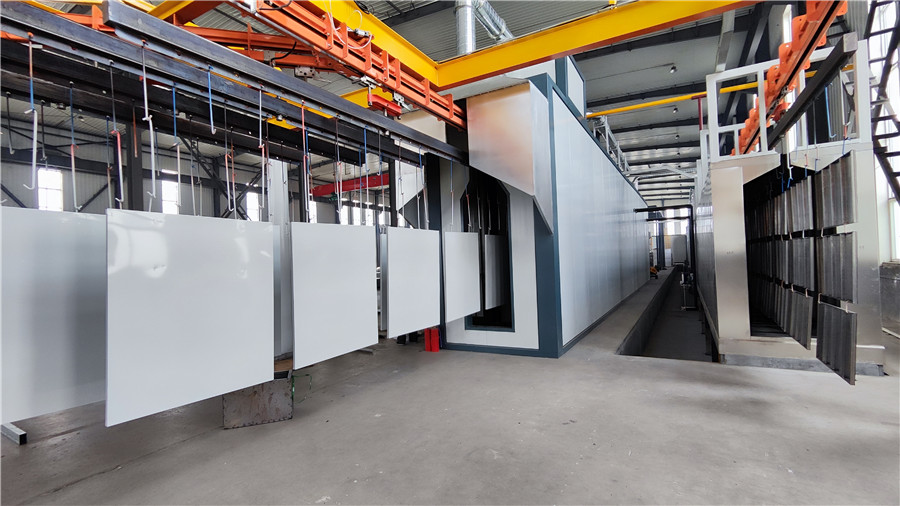
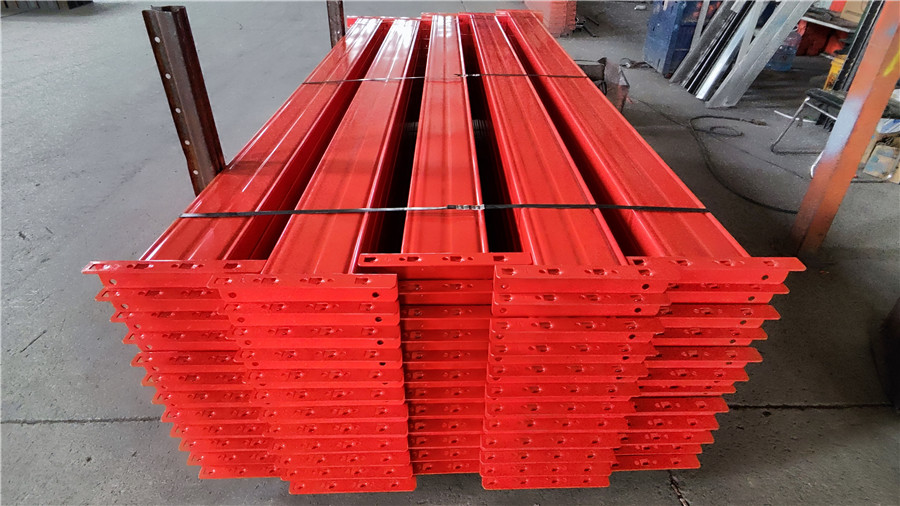
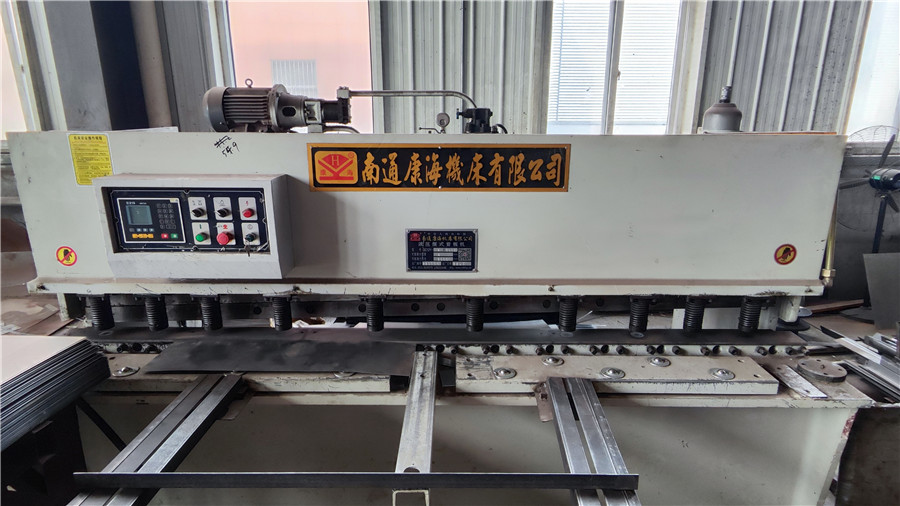
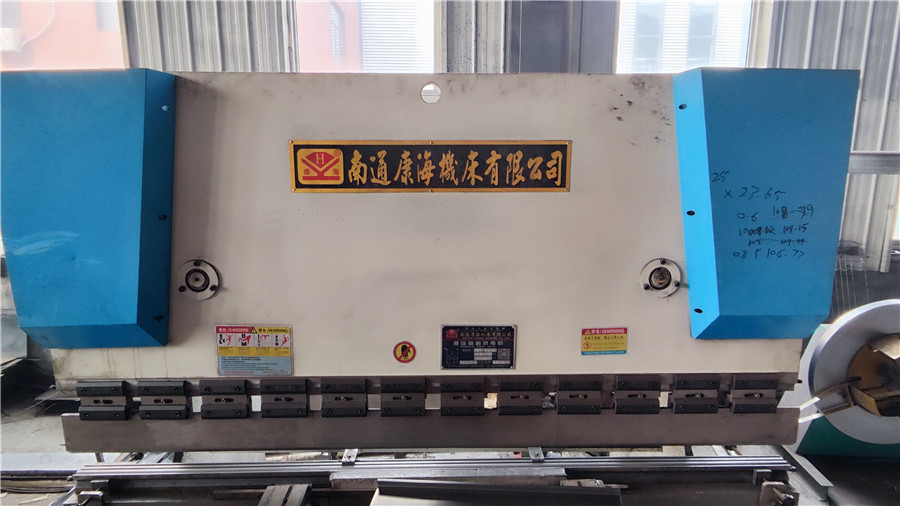
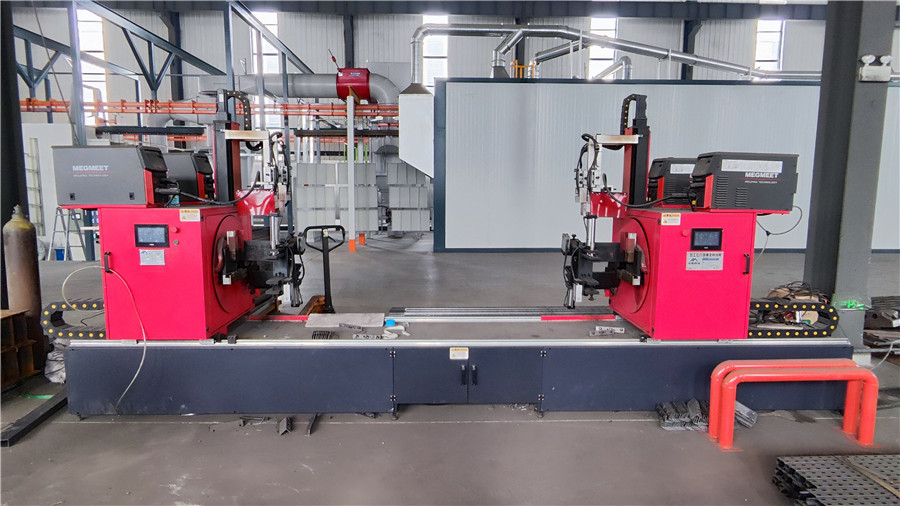
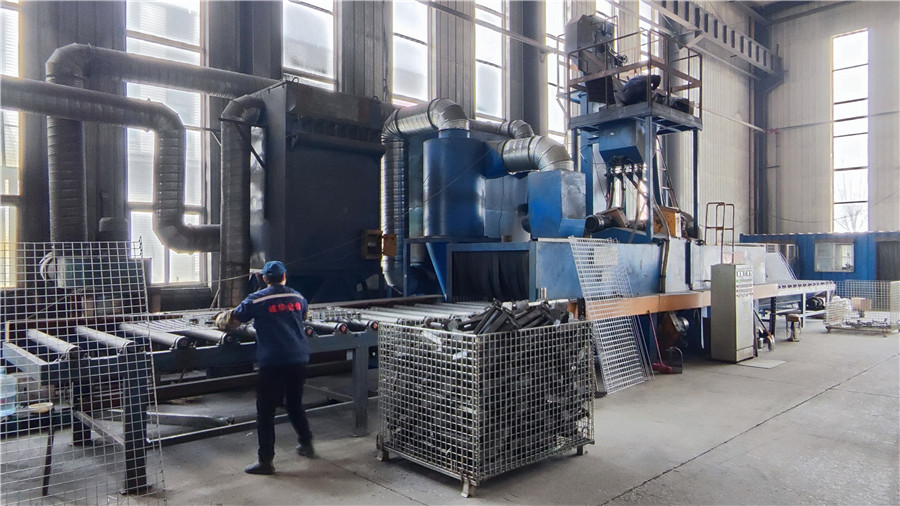
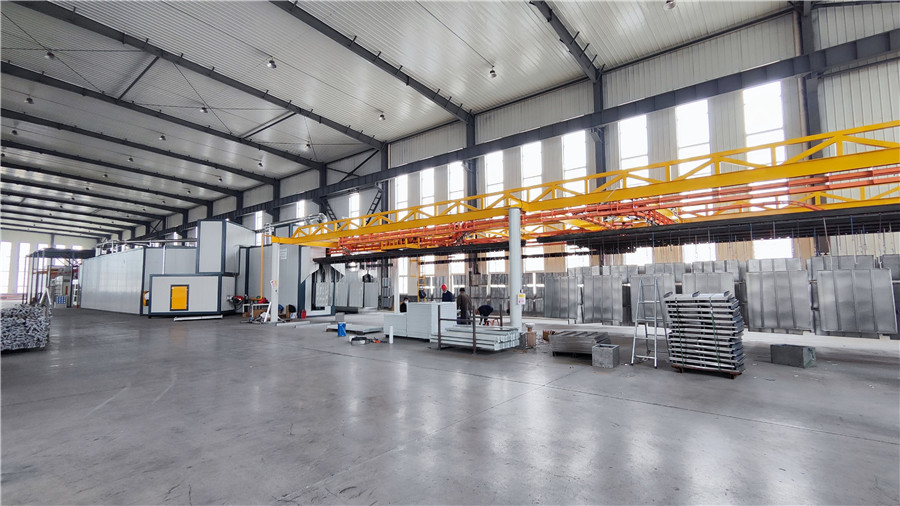
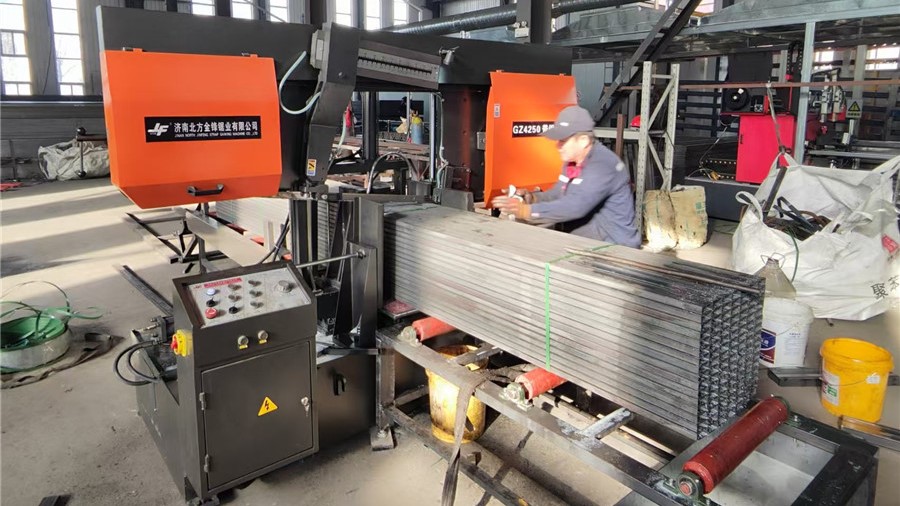
How customized racking and display tote integrations solve specialized warehouse challenges worldwide
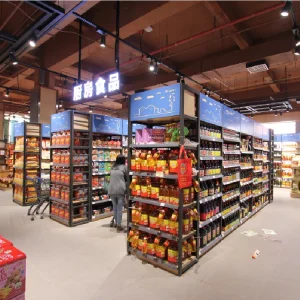
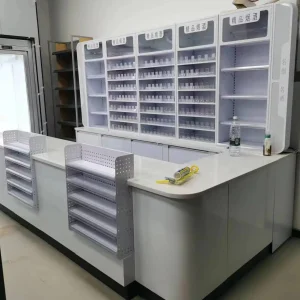
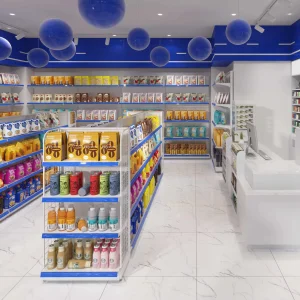
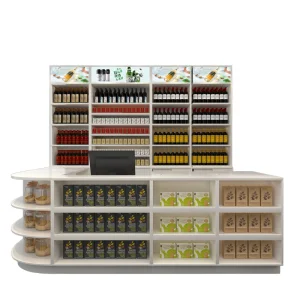
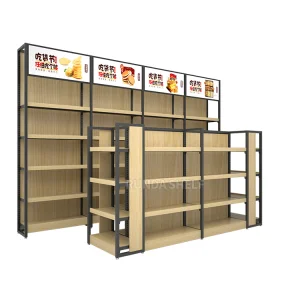
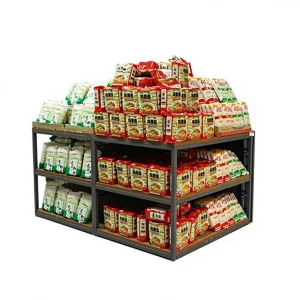
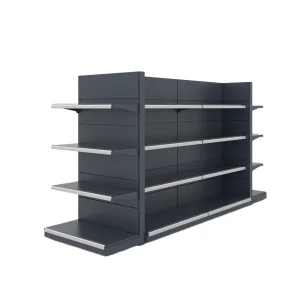
High-density supermarket checkout counters and modular black gondola shelving systems form the backbone of retail layouts. By integrating double-sided Q235B steel structures with customized wood-grain profiles, retail chains maximize customer dwell time and optimize space efficiency at point-of-sale areas. This design provides high weight capacity for bulky goods while allowing easy visual restocking.
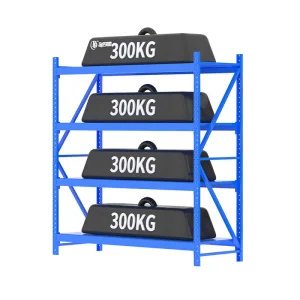
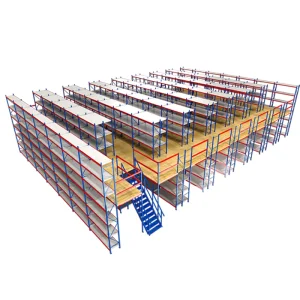
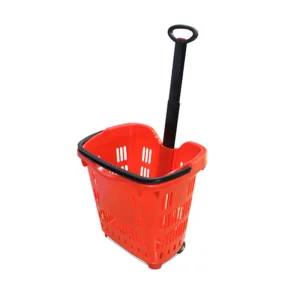
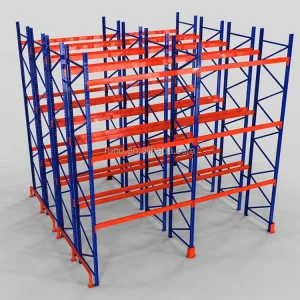
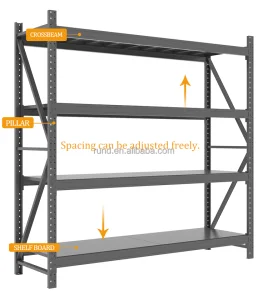
Automotive parts and heavy machinery require heavy-duty storage racks designed to support loads exceeding 1,000 kg per level. Multi-tier mezzanine storage configurations utilize vertical warehouse height, doubling floor capacity without changing the building footprint. Under-beam spaces are configured for heavy-duty plastic display totes to house smaller parts, ensuring smooth supply chain operations.
Cold chain facilities require materials that resist cracking and warping down to -40°C. Standard shelving systems are powder-coated with heavy-duty anti-corrosive finishes, and matched with food-grade HDPE display totes that feature perforated walls for airflow. These components prevent moisture buildup and ensure cold air circulates evenly around perishables.
Modern e-commerce hubs require automated material flow solutions. High-density steel racking systems serve as the structural framework for crane systems and automated shuttles. Standardized display totes act as the transport medium, moving along complex conveyor lanes and utilizing reinforced bases to prevent deflection under heavy weight.
How automation, IoT integration, and ESG compliance are redefining the next generation of warehouse ecosystems
The global material handling industry is undergoing a digital transformation. Driven by labor shortages and the demand for faster order fulfillment, companies are adopting automated technologies. This shift has changed the design requirements for display totes and racking systems: equipment must now integrate seamlessly with IoT networks and robotic handling systems.
Key technological developments include:
A checklist for procurement officers to verify structural safety, compliance standards, and production quality
Purchasing warehouse and display equipment involves long-term operational investments. Buyers must look beyond the initial purchase price and evaluate key performance metrics to ensure safety, reliability, and low total cost of ownership (TCO).
| Evaluation Parameter | Target Specification | Operational Value |
|---|---|---|
| Steel Grade & Quality | Q235B High-Tensile Carbon Steel | Ensures high weight capacity and resists structural deformation under load. |
| Safety Certifications | AS4084, OSHA, CE compliant | Meets workplace safety standards and minimizes liability risks. |
| Surface Coating | Electrostatic Powder Coating (>60 microns) | Provides scratch resistance, prevents rust, and extends product lifespan. |
| Custom Engineering | 3D CAD modeling, FEA stress analysis | Customizes layouts to fit specific facility dimensions and maximize storage density. |
Expert answers addressing load capacities, material characteristics, safety checks, and international supply logistics
We use Q235B high-tensile carbon steel, an industry-standard steel for heavy-duty structural applications. It provides balanced weldability, mechanical strength, and ductility, allowing racks to support heavy loads without permanent deformation.
Our quality control team uses standardized testing protocols, including X-ray weld seam analysis, magnetic gauge coating checks, column compression testing, and full-scale deflection tests under load. All structural designs are calculated to meet AS4084 and OSHA safety standards.
Yes. Our team of 35 R&D engineers provides custom structural design services. We calculate frame loads and adapt dimensions (height, depth, span) and color palettes (RAL standard colors) to match your facility requirements.
Depending on complexity and order size, manufacturing takes 20 to 35 days from technical drawing approval. Our location in Dongguan near major shipping ports (Shenzhen and Guangzhou) allows for efficient export logistics to North America, South America, Europe, and Asia.
Shot-blasting removes rust, scale, and surface contaminants from raw steel. This process prepares the surface for powder coating, ensuring strong paint adhesion and rust prevention in humid warehouse environments.
We apply a multi-stage pretreatment process followed by an electrostatic powder coating, cured at high temperatures. For extreme environments, we offer hot-dip galvanizing, which provides long-term protection against rust in wet or freezing conditions.
Following AS4084 guidelines, the maximum deflection limit for beams is L/200 (where L is the span length) under nominal load. Our engineering team checks structural safety factors to ensure configurations remain well below this threshold.
We provide comprehensive 3D assembly guides, structural layout drawings, and video instructions. For large installations, our engineers can offer remote support or on-site supervision to ensure frames are built and aligned correctly.
High-capacity storage systems engineered for safety and space optimization
 DirectRack