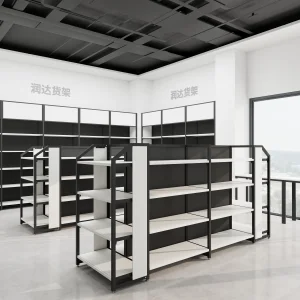
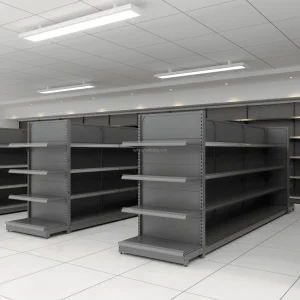
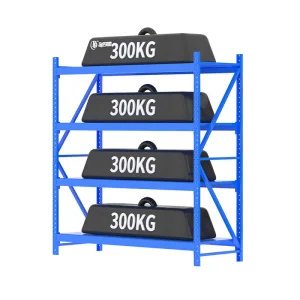
Engineered for immediate configuration, outstanding load capacities, and structural compliance in Northern Vietnam's industrial parks.
The Greater Hanoi region, encompassing pivotal economic corridors such as Bac Ninh, Hung Yen, Hai Phong, and Vinh Phuc, has solidified its position as one of Southeast Asia's fastest-growing manufacturing and logistics nodes. Propelled by bilateral trade agreements and a profound structural shift in global supply chains (popularly framed as the 'China+1' strategy), Northern Vietnam's industrial zones have absorbed unprecedented foreign direct investment (FDI). Electronics conglomerates, high-tech semiconductor units, heavy automotive assemblers, and massive third-party logistics (3PL) providers have set up high-output operations here.
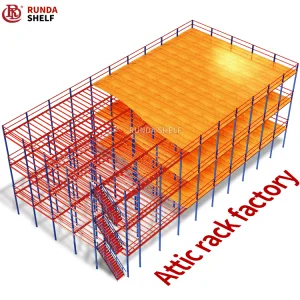
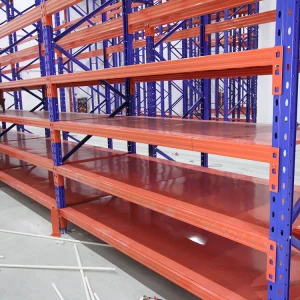
However, this rapid escalation of industrial activity has triggered a steep surge in commercial real estate costs. Industrial land rental rates in Hanoi and its surrounding areas are rising at compound annual growth rates (CAGR) exceeding 8-12%. Consequently, expanding a warehouse footprint horizontally is no longer financially viable for most enterprises. Maximizing volumetric utilization of existing footprints has transformed from a mere optimization initiative into a critical commercial survival strategy. This is where heavy-duty attic shelves (also known as multi-tier mezzanine floors or structural steel platforms) step in as the most capital-efficient and structurally sound answer for warehouse managers across Hanoi.
Information Gain Metric: Standard horizontal warehouses utilize only 30% to 40% of their actual vertical clearance volume. By deploying precision-engineered structural attic shelves, vertical volumetric usage shoots up to 85%+, effectively doubling or tripling available storage without altering the building's physical footprint.
As premier attic shelf exporters supplying Hanoi, our structural engineers analyze specific industrial contexts to design systems that match local needs. Here are the primary sectors driving mezzanine adoption in the region:
The electronics manufacturing ecosystem demands rigorous electrostatic discharge (ESD) prevention, cleanroom compatibility, and high-density, multi-SKU storage. Attic shelf installations in these facilities feature custom composite steel grid floor panels with dynamic ventilation to prevent particulate buildup. Handrails and kickplates are grounded, and walkways support small-parts bins alongside automated vertical conveyors.
E-commerce operations process massive item volumes daily, requiring dynamic picking paths. Multi-tier mezzanines divide high-clearance warehouses into separate levels for sorting, packing, and temporary storage. Integrated slides, loading gates, and conveyor chutes allow workers to move items between levels, minimizing transit times and reducing reliance on forklift trucks.
Automotive components vary widely in weight and volume. Large engine parts require high weight-bearing capacities, while smaller fasteners demand dense shelving arrays. Heavy-duty structural attic shelves support loads up to 1,500 kg per square meter. Standard racking and wide-span platforms combine to support heavy loads safely on the lower levels while reserving upper tiers for lighter assembly items.
Vietnam's textile exports rely heavily on fast inventory turnover. Heavy fabrics and finished goods require ventilated shelves to prevent moisture buildup in Hanoi's humid climate. Our epoxy powder-coated attic shelves resist rust and allow constant air circulation, preserving fabric quality and maximizing warehouse space.
A detailed technical comparison of structural specifications, testing standards, and compliance features.
| Technical Parameter | DirectRack Structural Attic Mezzanines | Standard Local Racking Alternatives | Operational Impact for Hanoi Warehouses |
|---|---|---|---|
| Steel Grade | Q235B / Q355B High-Tensile Structural Steel | Recycled or lower grade Q195 Steel | Ensures load safety margins under heavy loads |
| Load Deflection Limit | L/200 to L/300 (Exceeds FEM & AS4084) | L/150 or undocumented | Prevents structural deformation and sag over time |
| Seismic Coefficient | Designed to resist up to Class 7 seismic events | No dynamic seismic analysis | Crucial for Northern Vietnam's geotechnic profiles |
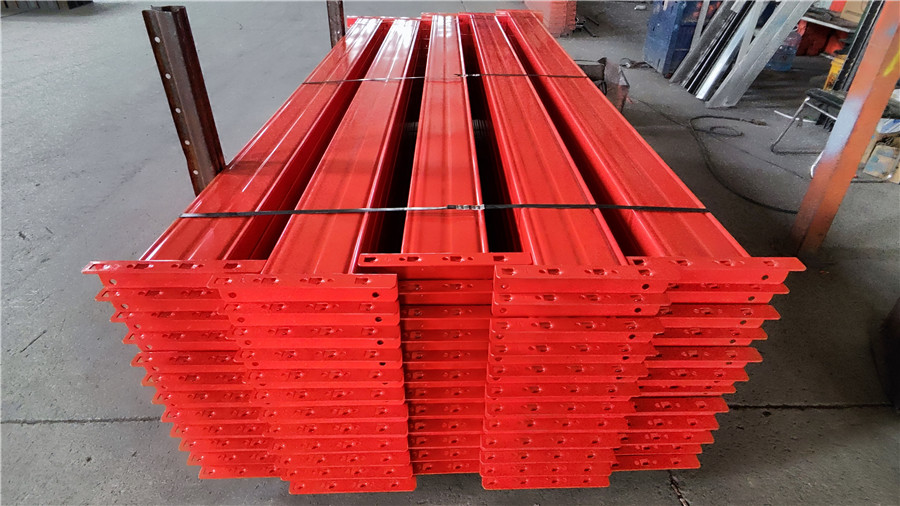
| Surface Protection | 60-80 Micron Epoxy Powder, UV-stabilized curing | Basic wet paint spray or thin powder coating | Resists high relative humidity without rust |
| Import Compliance | Form E Certificate (0% Import Duty under ACFTA) | Variable / non-compliant paperwork | Eliminates 10-15% import tariffs for local buyers |
From an engineering standpoint, an attic shelf is not simply a static set of frames and beams; it is a complex structural platform subject to dynamic, dead, and wind loads. Designing systems for Vietnam's industrial hubs requires analyzing several critical engineering parameters:
Every attic shelf project designed by DirectRack undergoes advanced structural simulation. Using finite element modeling (FEM) software, our engineers input factors like column spacing, floor thickness, bracing locations, and localized weight profiles. This simulation determines stress distribution patterns, ensuring no single structural joint is exposed to fatigue limits.
Under standard operating procedures, structural beams must exhibit minimal vertical displacement. The allowable deflection is governed by the formula:
Where w represents the uniformly distributed load (UDL), L is the clear span length between upright columns, E is the modulus of elasticity of structural steel (approx. 200 GPa), and I is the moment of inertia of the beam profile. By keeping beam deflection strictly under L/200 (or L/300 for sensitive electronics facilities), we protect the structural floor from long-term fatigue, squeaking, and weld degradation.
Unlike flat southern provinces, Northern Vietnam features active seismic faults. DirectRack designs integrate dynamic diagonal bracing across the X and Y axes, anchored to baseplates with M16 chemical anchor bolts. We verify structural integrity through full-scale column compression testing and weld analysis using non-destructive testing (NDT).
Procuring logistics infrastructure for Vietnam involves balancing geographical proximity, cost efficiency, and manufacturing capacity. Partnering with a China-based manufacturer like DirectRack offers distinct operational advantages over local domestic fabricators:
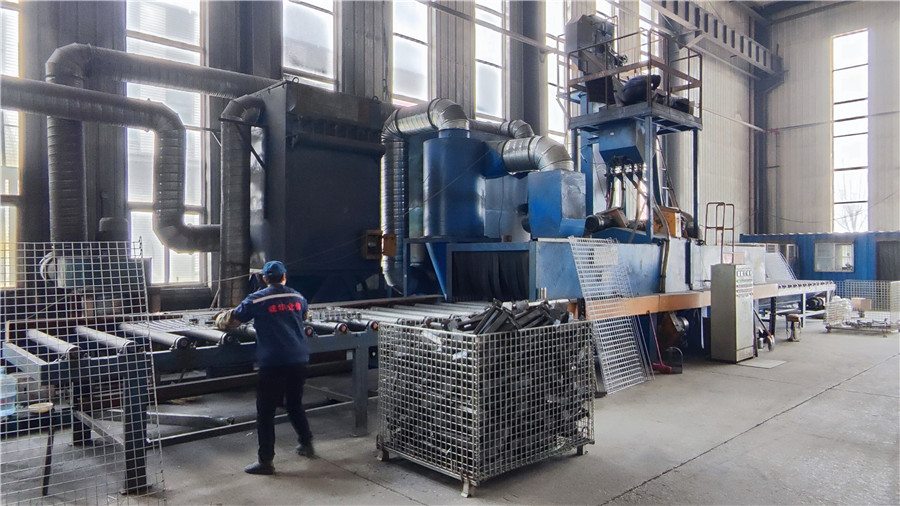
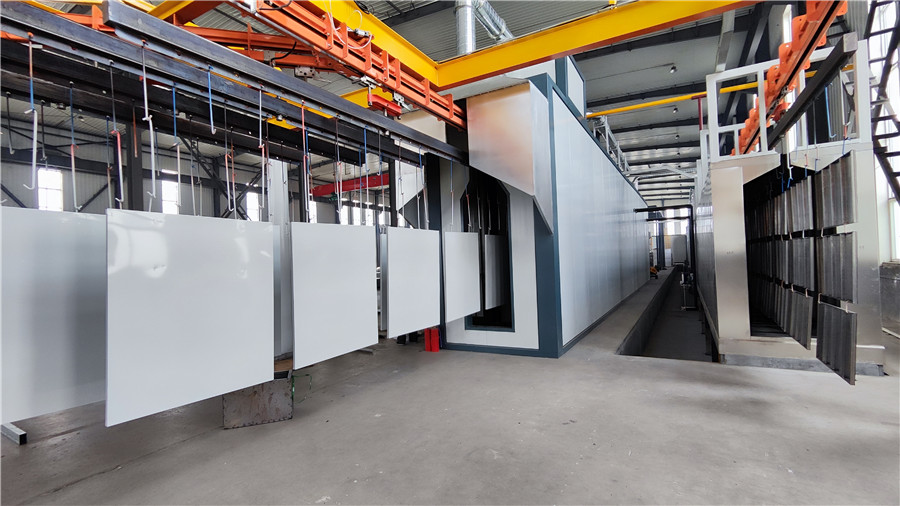
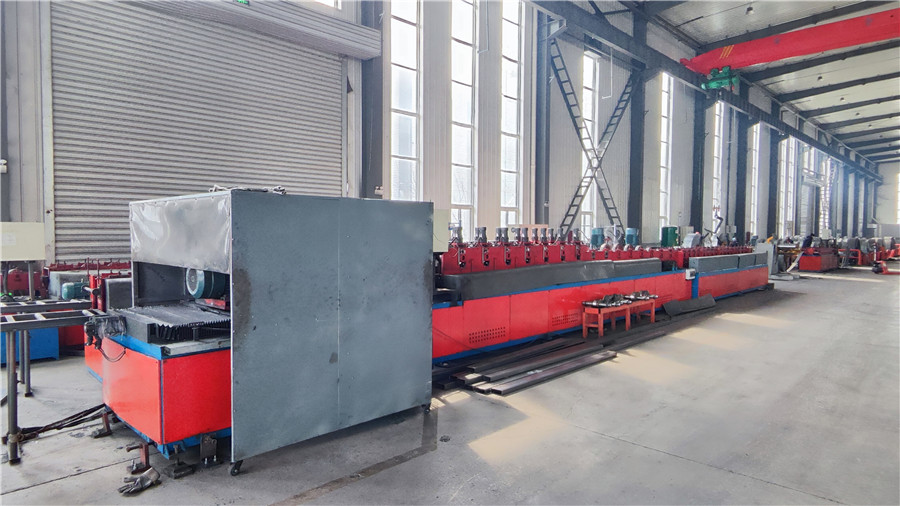
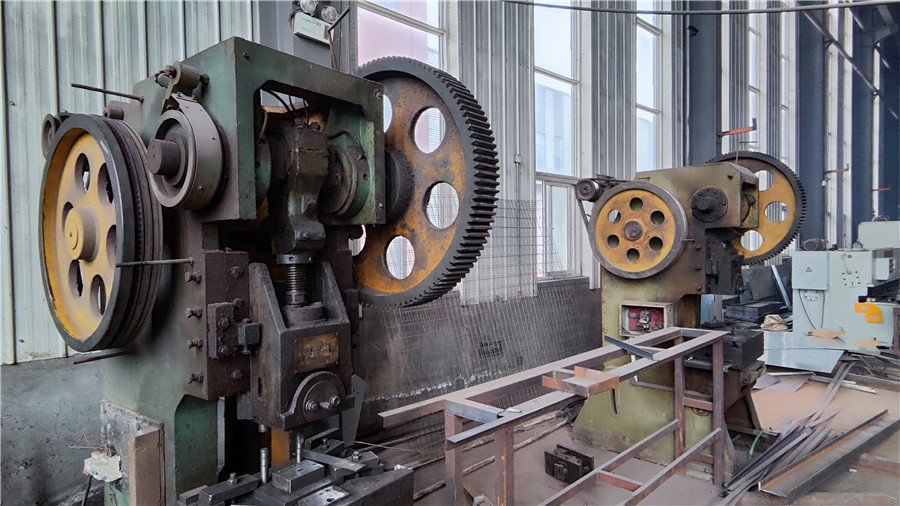
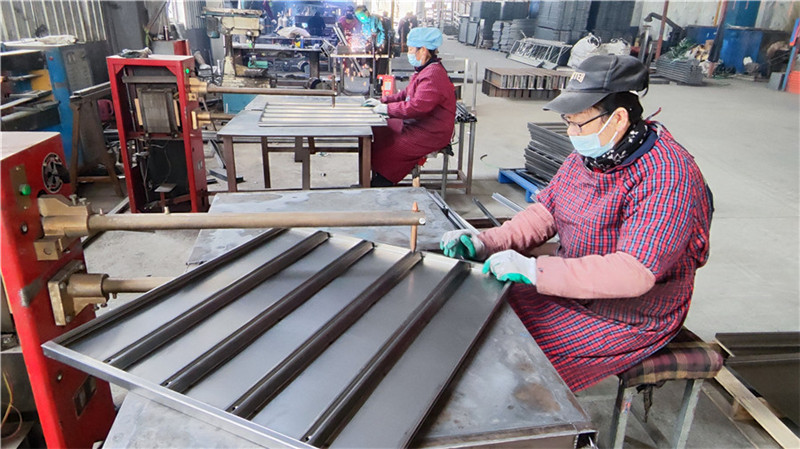
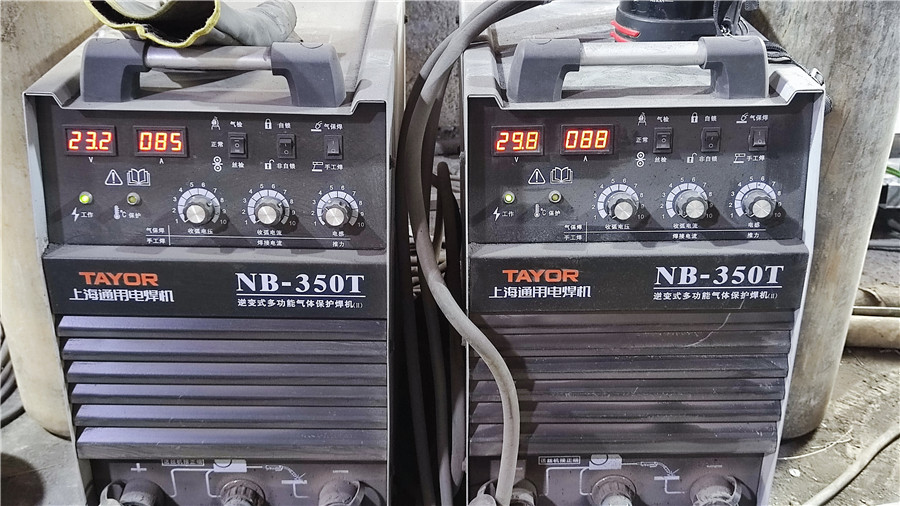
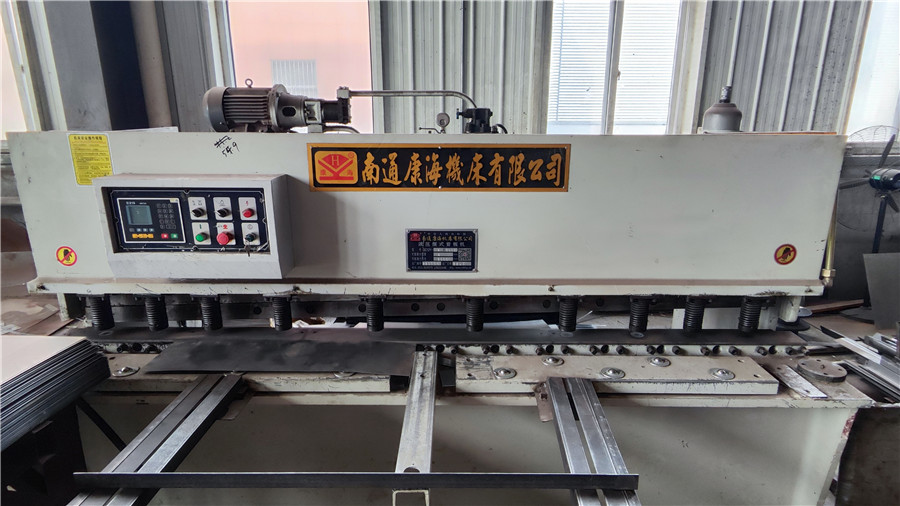
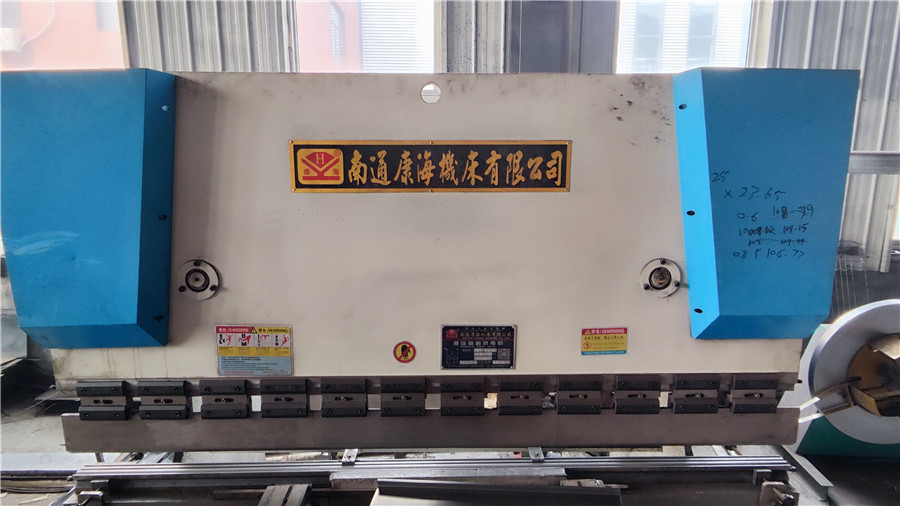
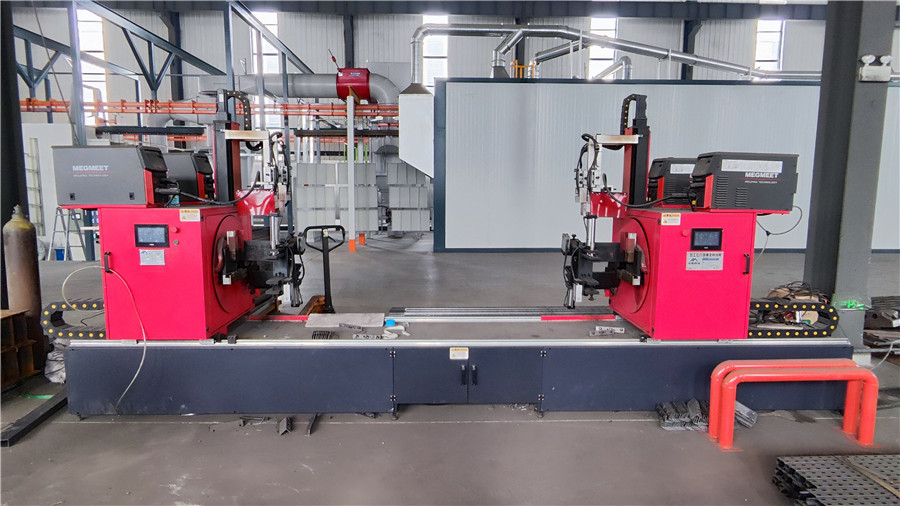
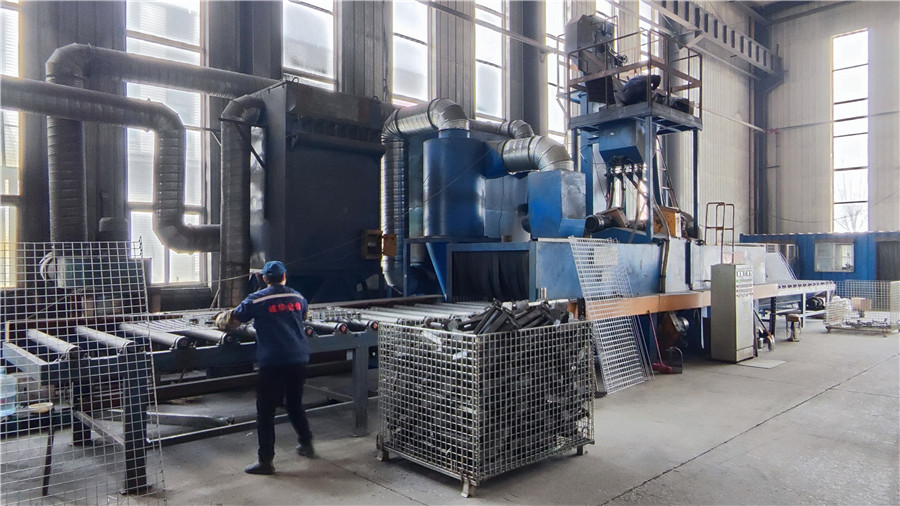
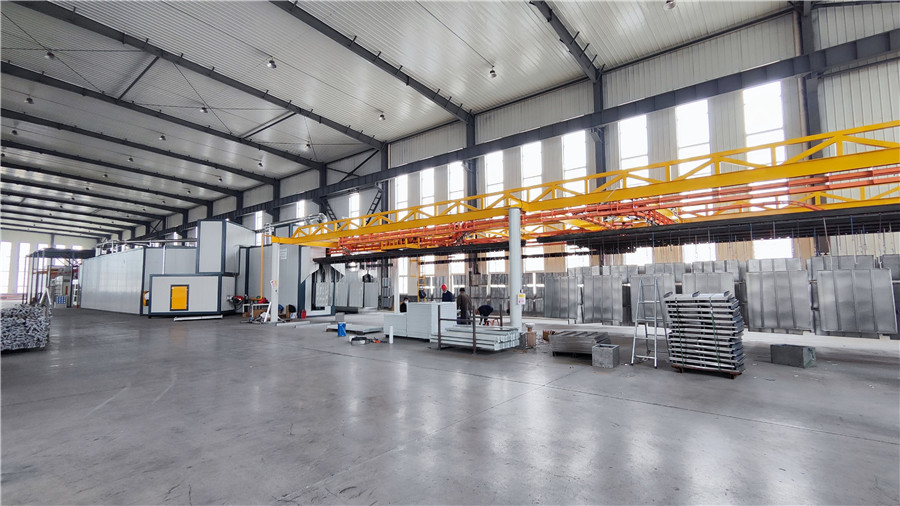
Every step of our production process is monitored by 28 QC inspectors to guarantee AS4084 and OSHA compliance.
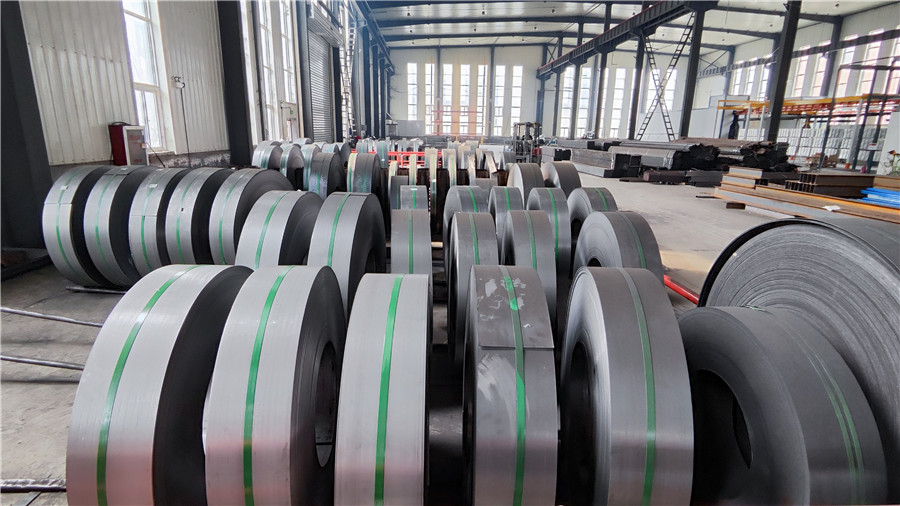
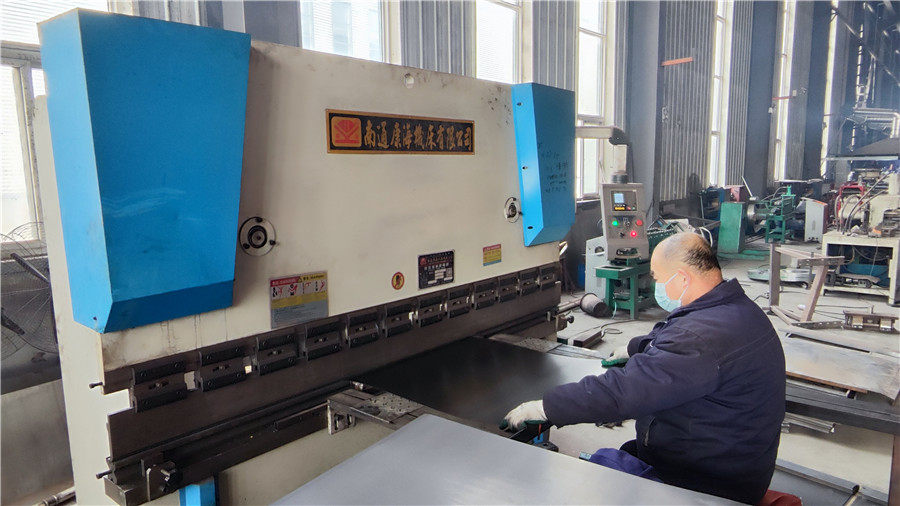
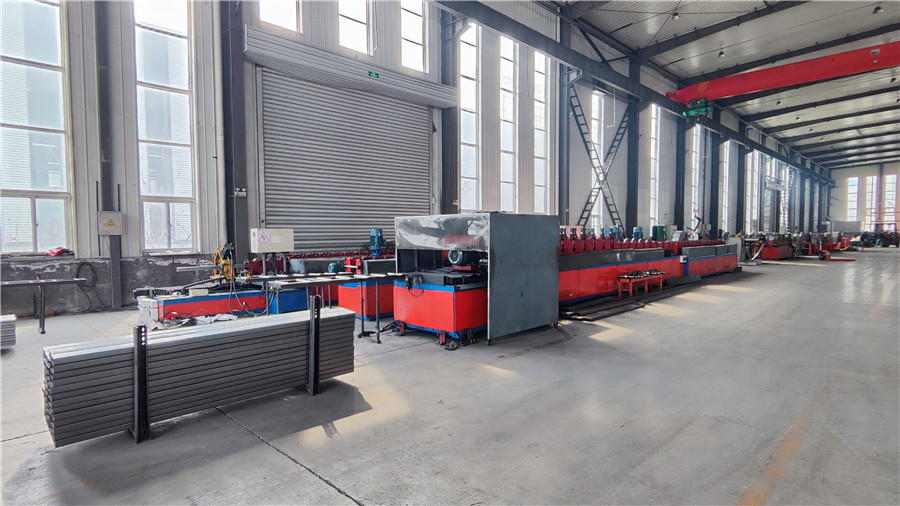
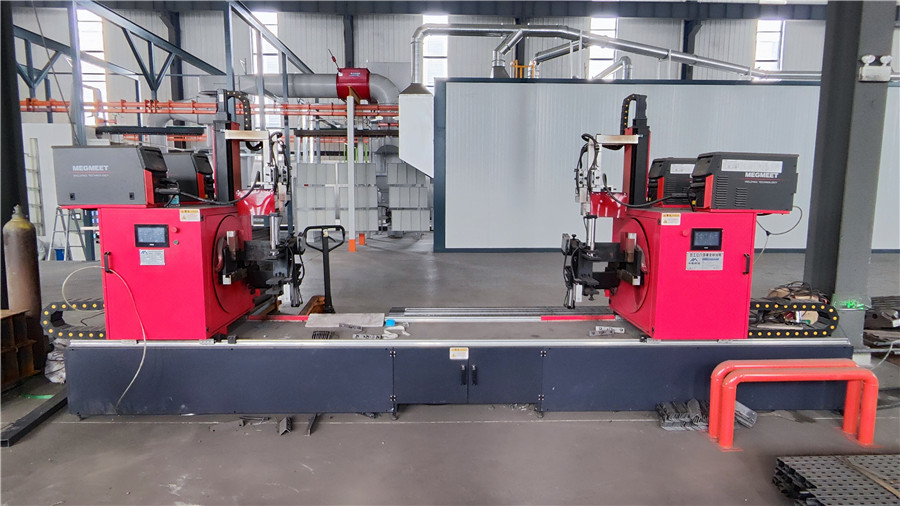
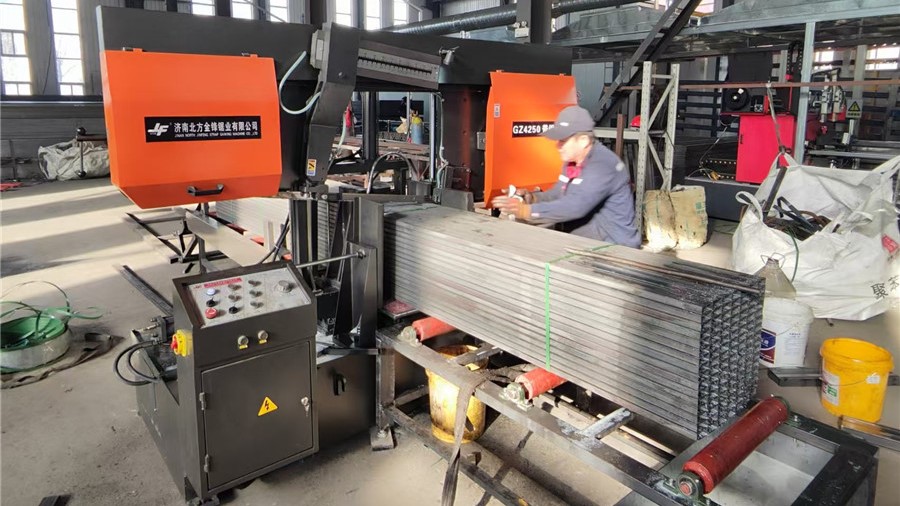
Deploying large-scale racking in operating warehouses requires careful planning to prevent business disruption and ensure structural safety. DirectRack provides end-to-end engineering support, including layout design and field installation guidelines, to streamline the process for our clients in Hanoi:
Before production begins, we build a 3D structural model of your warehouse space. Our engineers verify column placement, aisle widths, forklift turning radii, and overhead clearance parameters. This detailed planning ensures the final system integrates seamlessly with your existing layout.
Our quality assurance framework includes comprehensive testing at each production stage. We conduct column compression tests, beam deflection loading trials, X-ray weld seam analysis, and coating thickness measurements with magnetic gauges. This rigorous process helps us deliver zero-defect systems that meet international safety standards.
We provide step-by-step installation manuals, structural loading charts, and detailed assembly drawings. For complex projects in locations like Bac Ninh and Hung Yen, we can dispatch remote installation coordinators to guide local assembly crews, verify torque specs, and audit baseplate alignments before the system goes live.
E-E-A-T Principle Verification: Our design, testing, and production methods align with AS4084-2012 (Australian Standard for Steel Storage Racking) and FEM 10.2.02 (European Federation of Materials Handling). This ensures all structural designs meet strict global safety and reliability requirements.
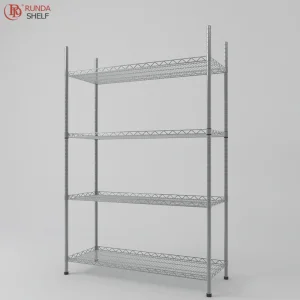
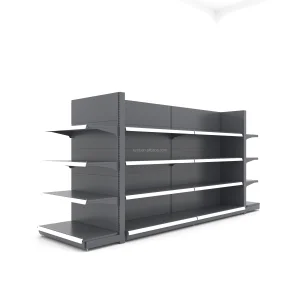
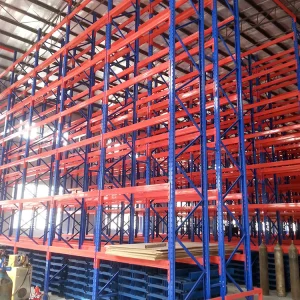
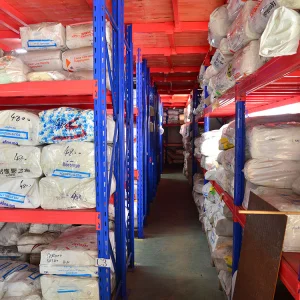
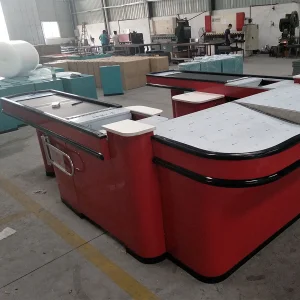
Explore our full line of storage racks, retail shelving, and specialized warehouse components.
Receive a free spatial assessment, detailed CAD layouts, and a direct quotation from our R&D engineering office within 24 hours.
Send Inquiry Now DirectRack