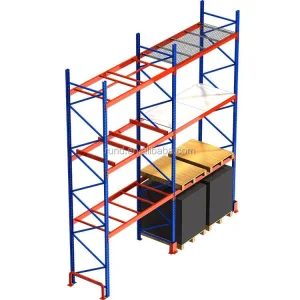
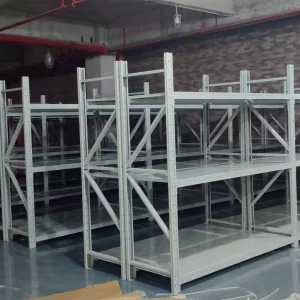
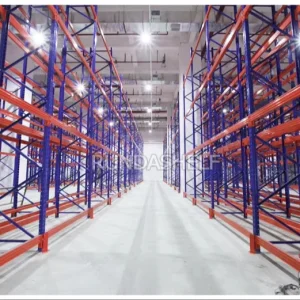
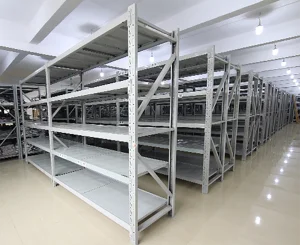
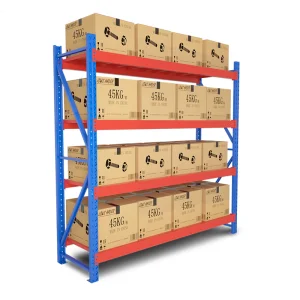
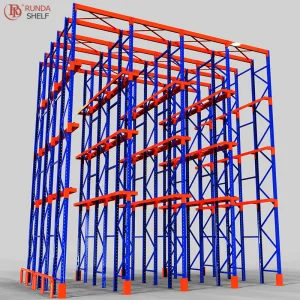
Engineered for Manila's demanding logistics corridors. Fully adjustable structural configurations optimized for quick assembly and max safety.
Metro Manila, as the economic heartbeat of the Philippines, is undergoing a rapid spatial and structural transition. Driven by the explosive growth of e-commerce, third-party logistics (3PLs), cold-chain expansion, and domestic manufacturing, the demand for industrial space has outstripped available land supply. As land values soar in historic manufacturing hubs like Valenzuela, Caloocan, and Pasig, industrial enterprises are forced to shift focus: **vertical optimization has transitioned from a design option to an absolute operational necessity.**
Selecting a beam shelf (pallet racking) system in Manila is not merely a purchasing decision; it is a critical engineering exercise. Industrial structures in the Philippines must contend with severe seismic activities (National Structural Code of the Philippines Zone 4 classification) and extreme humidity levels that accelerate steel oxidation. This white paper details the engineering paradigms, compliance frameworks, and supply-chain logistics that procurement managers and operations directors must evaluate when sourcing structural beam shelving systems for the Manila metropolitan area.
The logistics ecosystem of the Greater Manila Area is divided into distinct structural nodes, each demanding specialized storage configurations:
Note on Cold Chain Demands: With the Philippine government's focus on agricultural food security, Manila has seen an influx of modern cold storage investments. Cold storage utilities require high-density structural steel capable of maintaining structural elasticity at temperatures down to -30°C.
Manila is geographically positioned along the West Valley Fault and the Philippine Trench. According to the National Structural Code of the Philippines (NSCP 2015), Metro Manila is designated as Zone 4, requiring the highest level of seismic design parameters. Standard static load calculations used in seismically stable regions are fundamentally unsafe for installation here.
When designing beam shelves for Manila, structural engineers calculate the seismic shear forces acting on the racking columns. The upright frames must feature expanded footprint baseplates (often minimum 10mm thickness) anchored using heavy-duty, torque-controlled mechanical or chemical anchor bolts embedded deep into the concrete slab.
Cheap steel lacks the necessary yield strength and ductility to survive a seismic event. Our manufacturing facility uses high-tensile structural steel (primarily **Q235B and Q355B** steel grades). Under load, these grades exhibit optimal elasticity and yield-to-tensile ratios, ensuring that the racking system absorbs and dissipates ground motion energy during an earthquake without suffering catastrophic brittle failure.
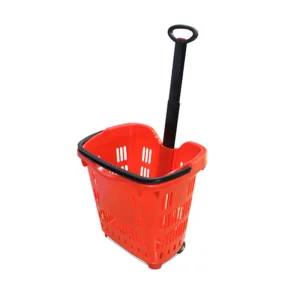
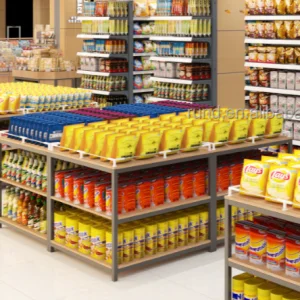
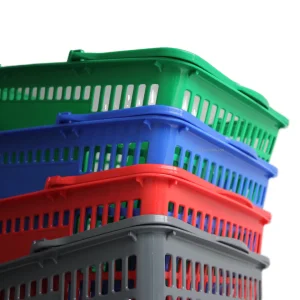
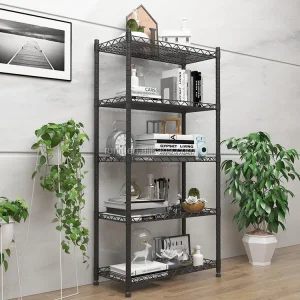
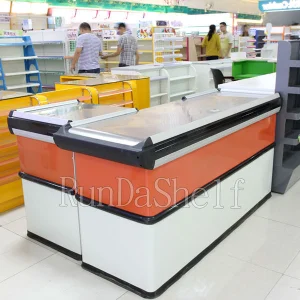
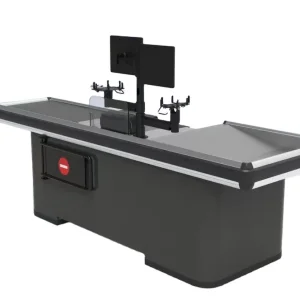
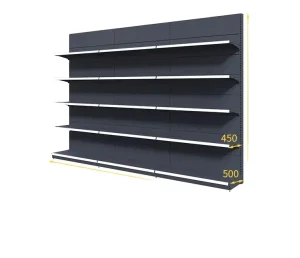
Designed to bridge the gap between front-end commercial retail spaces and back-end inventory operations.
Take a look inside DirectRack's advanced 25,000㎡ manufacturing facility. Every component goes through a standardized 17-step processing and quality-validation cycle.
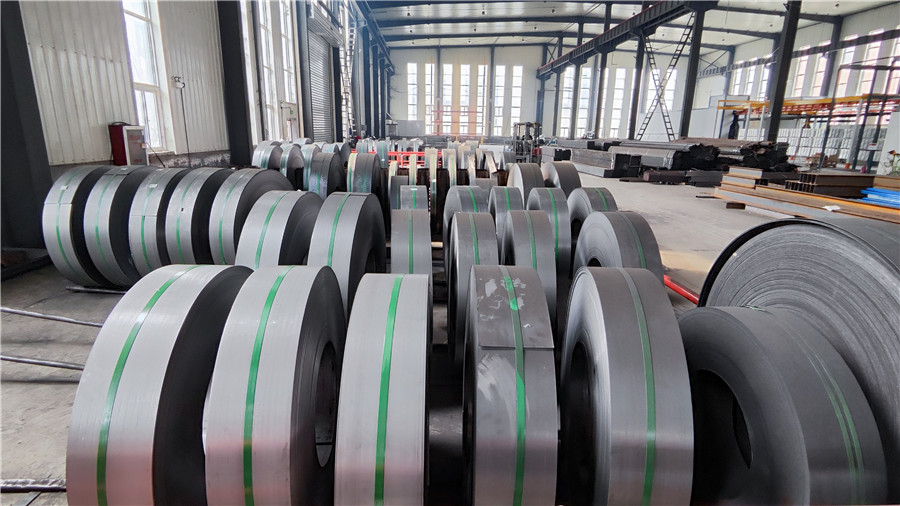
Raw materials
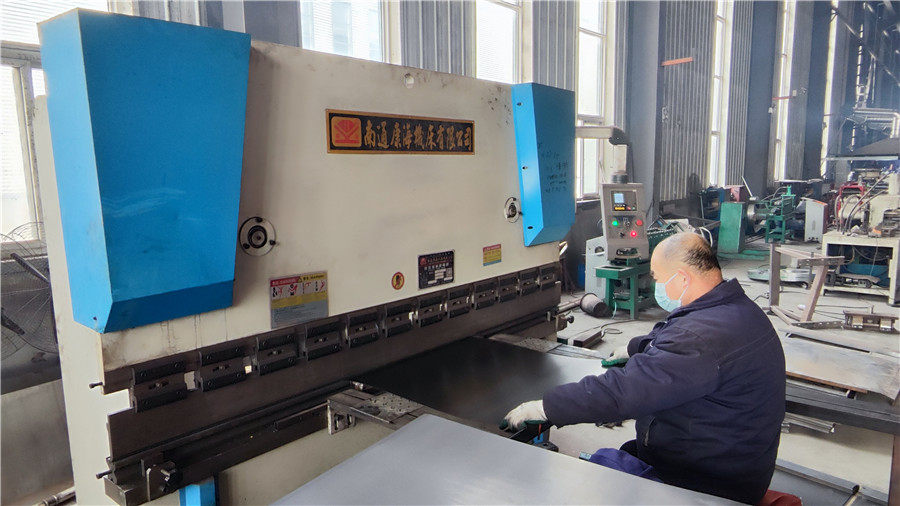
Bending
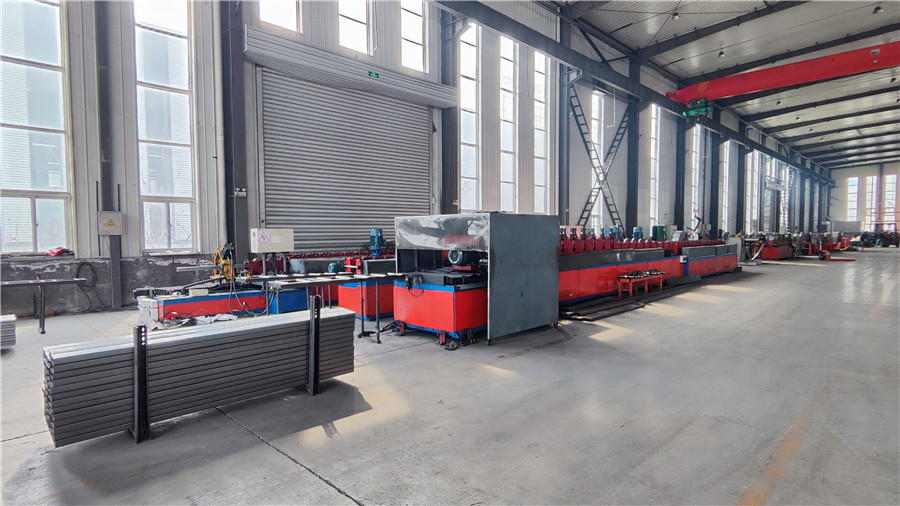
Forming
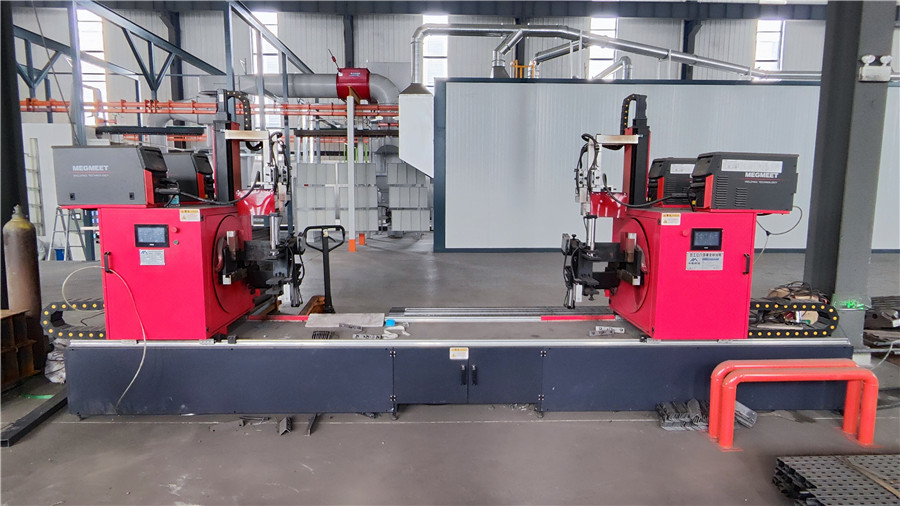
Welding
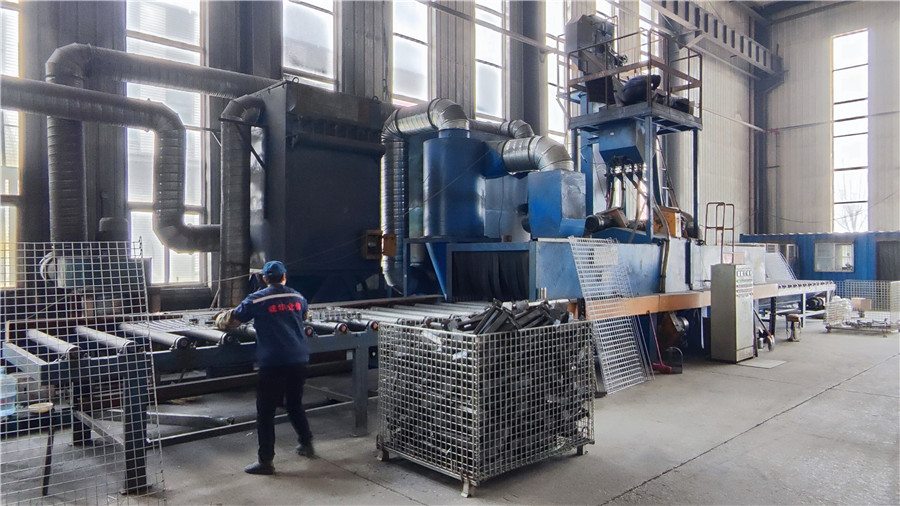
Shot-blasting
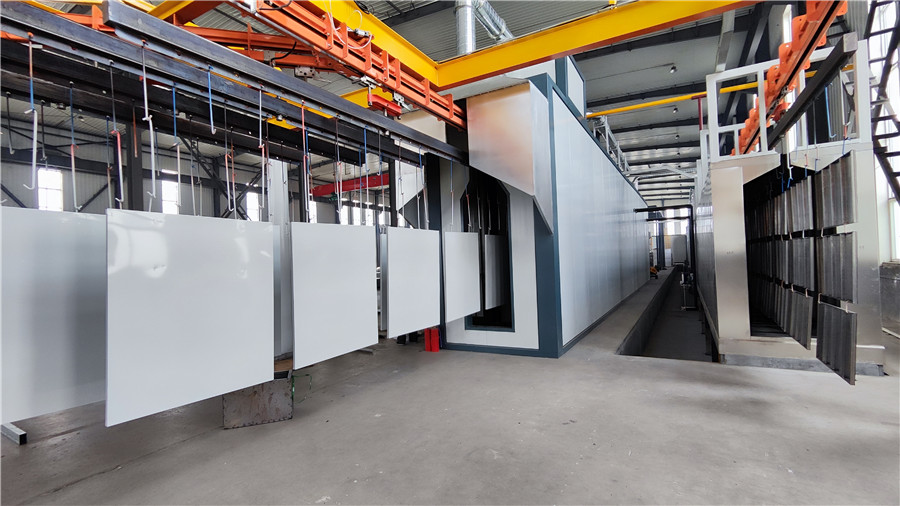
Spray molding
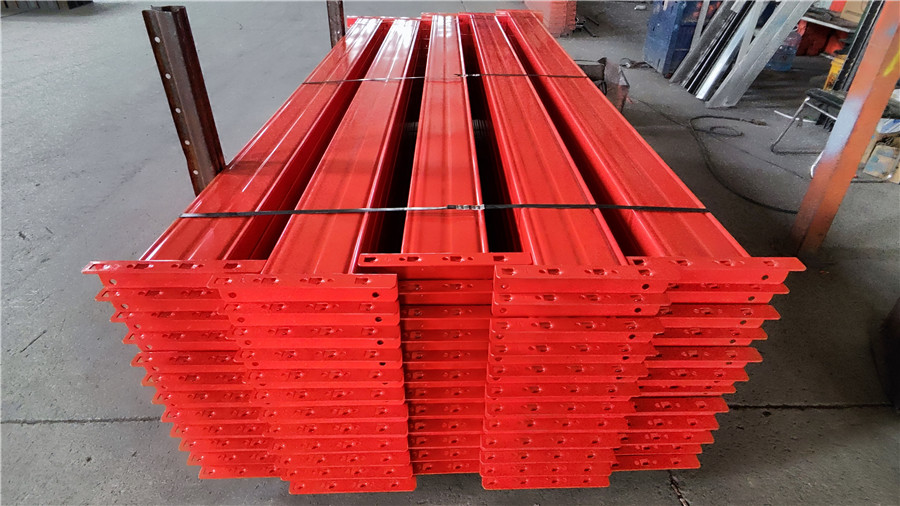
Finished products
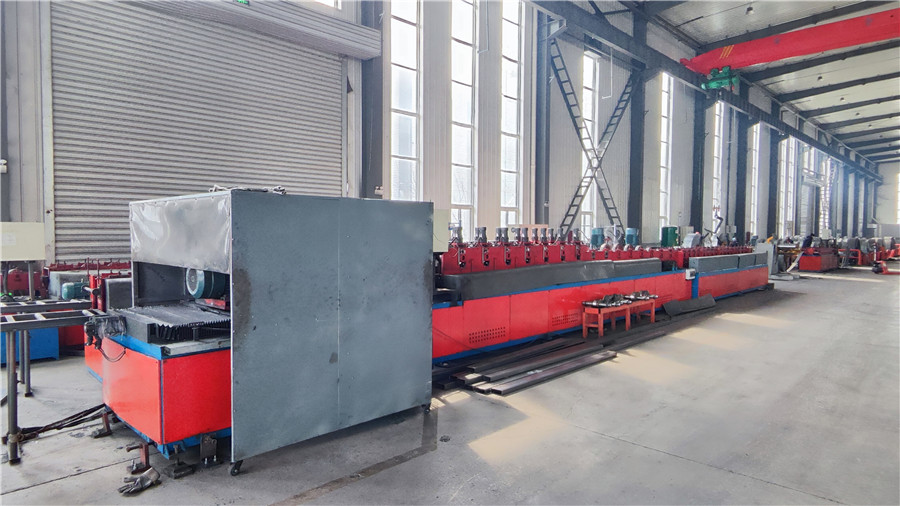
Forming machine
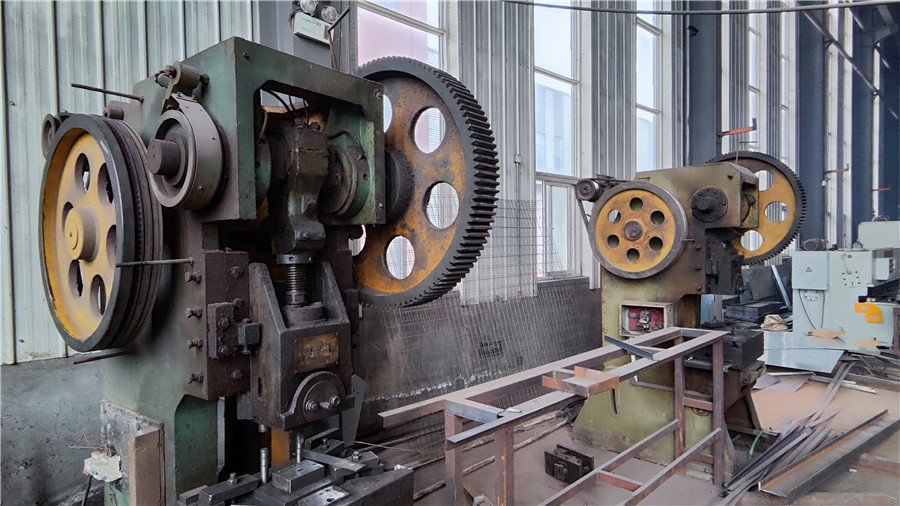
Punching machine

Mash welding machine

Welding machine

Shearing machine

Bending machine

Automatic welding machine

Shot-blasting machine

Spray molding line

Sawing machine
For industrial procurement teams in Manila, structural reliability is the key factor in risk mitigation. Dongguan Dingguan Metal Products Co., Ltd. (DirectRack) maintains a strict, multi-phase quality governance protocol managed by 28 specialized QC inspectors. Every manufacturing run must clear five distinct engineering verification milestones before being cleared for export packing:
Heavy-duty load-bearing beams are welded to connector claws. Poor penetration or internal porosity can result in structural failure under loading. We use advanced non-destructive X-ray diagnostics on random weld samples to ensure 100% metallurgical union, matching the standards defined in the AWS D1.1/D1.1M Structural Welding Code.
Manila's coastal atmospheric conditions are highly corrosive, with average relative humidity levels hovering around 80%. Racks are treated with electrostatic powder coating. Using digital magnetic thickness gauges, our QC team verifies a minimum thickness of 60 to 80 microns across all steel profiles to prevent rust and chemical degradation.
In our in-house testing laboratory, upright frames are subjected to vertical compression tests until failure. This process verifies that the load limits of the column geometry exceed the nominal capacity rating by a factor of 1.5, matching AS4084-2012 (Australian Steel Storage Racking Standard) safety indices.
Beams are loaded to their rated capacities (ranging from 1,000kg to 4,000kg per pair) to map vertical deflection. The maximum allowable deflection is structurally constrained to L/200 (where L is the span length). Any variation beyond this threshold triggers immediate production line calibration.
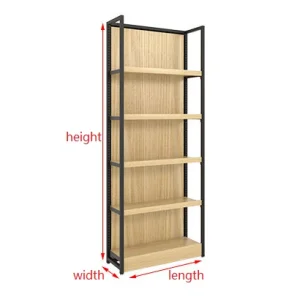
Our team is led by **35 senior R&D engineers** who utilize advanced finite element method (FEM) software to model structural loads based on specific floor plans. We don't just supply static dimensions; we design and customize:
Explore our full line of industrial and retail logistics hardware. Built from premium steel and engineered for durability.
Sourcing industrial beam shelves directly from our Dongguan facility delivers significant cost efficiencies, but it requires a clear logistics roadmap. Here is the step-by-step import layout:
Cargo dispatched from our factory is routed through the **Port of Shenzhen (Yantian or Shekou)** or **Nansha Port**. Under standard ocean freight conditions, transit times to the **Port of Manila (North or South Harbor)** range from **5 to 9 days**. This short transit window makes the South China supply corridor highly efficient compared to sourcing from European or North American partners.
All import shipments to the Philippines must pass through the **Bureau of Customs (BOC)**. Standard imports of steel storage systems require:
While purchasing from middle-man distributors within Metro Manila offers faster delivery for small, standard orders, large industrial developments (above 200 pallet positions) benefit significantly from factory-direct sourcing. Sourcing directly from our Dongguan facility saves 25% to 40% on material costs, allowing you to invest in thicker steel gauges and custom seismic bracing systems.
Key technical and commercial answers for warehouse managers and procurement professionals in the Philippines.
 DirectRack