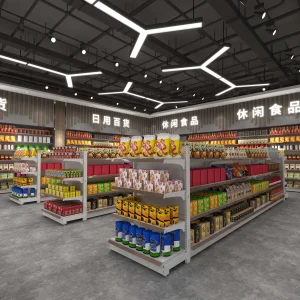
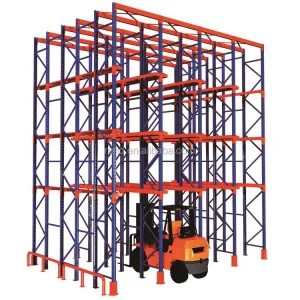
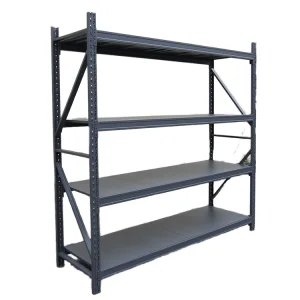
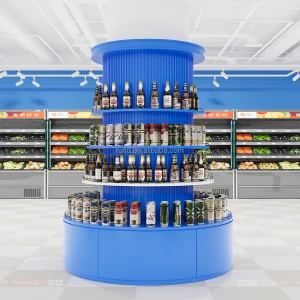
Engineered to comply with local King County storage regulations, maximizing vertical density and floor efficiency.
Seattle, Washington, stands as the commercial heart of the Pacific Northwest (PNW). Anchored by the Port of Seattle and proximity to major global logistics corridors in Kent Valley and King County, the region demands an exceptionally robust warehouse and retail storage infrastructure. With the local economy driven by global aerospace manufacturing, tech giants, specialized e-commerce micro-fulfillment centers, and high-density retail spaces, standard off-the-shelf storage systems are no longer sufficient. Customization has become a critical operational necessity.
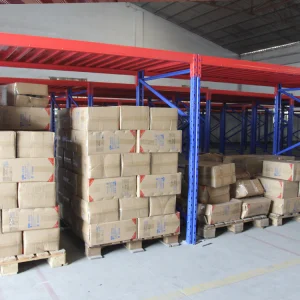
For warehousing operations in South Seattle, Kent, and Tacoma, physical space comes at a premium. Optimizing the vertical space of 30-foot to 40-foot clear-height structures requires specialized selective pallet racking, structural steel platforms, and narrow-aisle systems. These structures must comply with strict Washington State Building Codes (WAC) and local seismic anchoring guidelines. This environment demands that customized shelves manufacturers provide certified design computations, verified weld profiles, and thick-gauge steel profiles designed to support heavy dynamic loads without structural failure.
On a global scale, the industrial shelving and retail display sector is undergoing a profound technological transformation. The rapid growth of omnichannel retail has driven global warehouse integration toward automation, including AS/RS (Automated Storage and Retrieval Systems), shuttle racking systems, and smart pick-to-light configurations. These modern setups require manufacturing tolerances of less than +/-1.5mm—a standard that conventional manual production shops cannot achieve.
Furthermore, sustainability and environmental compliance have become key corporate procurement requirements globally. Enterprise buyers now require steel sourcing verification, non-toxic and low-VOC powder coatings, and designs optimized for circular economy recycling. At the same time, regional logistics configurations are shifting from mass-standardized storage to high-SKU, high-rotation modular shelving that can be reconfigured dynamically as market demand evolves.
Founded in 2016, Dongguan Dingguan Metal Products Co., Ltd. (DirectRack) is a technology-driven manufacturing enterprise headquartered in Dongguan, Guangdong Province. With over 10 years of domestic engineering expertise and an 8-year international export background, we design, verify, and export structural steel racking systems directly to distributors, contractors, and end-users in Seattle and across North America.
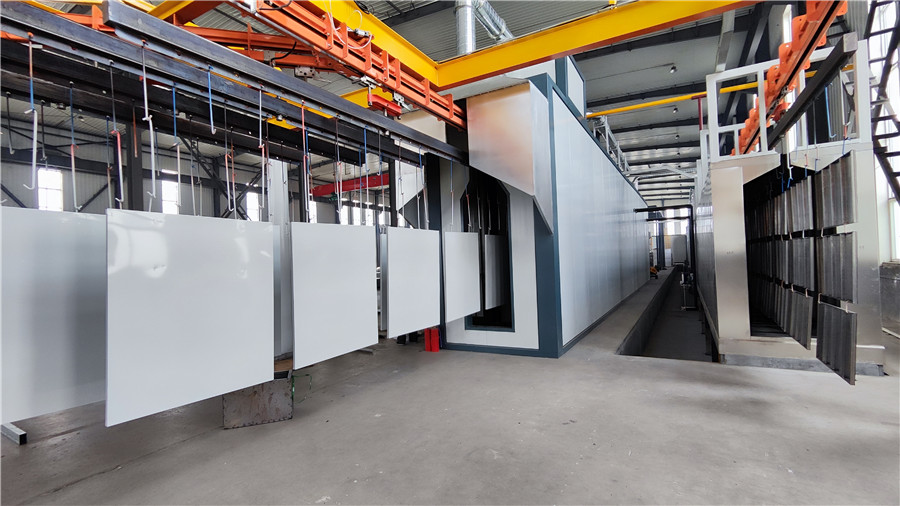
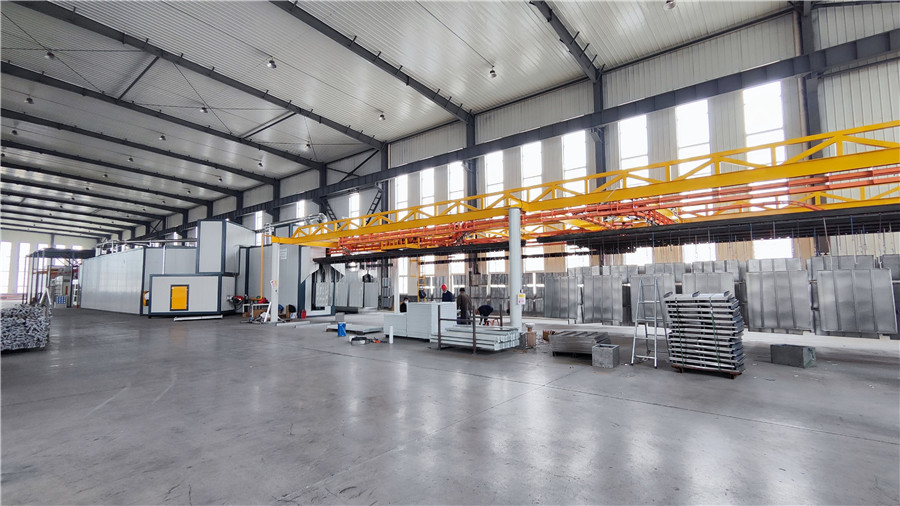
Our facility spans a 25,000 square meter footprint, allowing us to maintain an annual export capacity exceeding $18 million USD. We work with a network of over 650 reliable raw-material and tooling supply partners. Our core capabilities include advanced structural engineering, robotic laser profiling, automated powder-coating lines, and strict quality control processes.
To ensure our products comply with American and international standards, our structural calculations align with RMI (Rack Manufacturers Institute) guidelines, and our quality processes are certified to AS4084 and OSHA safety standards.
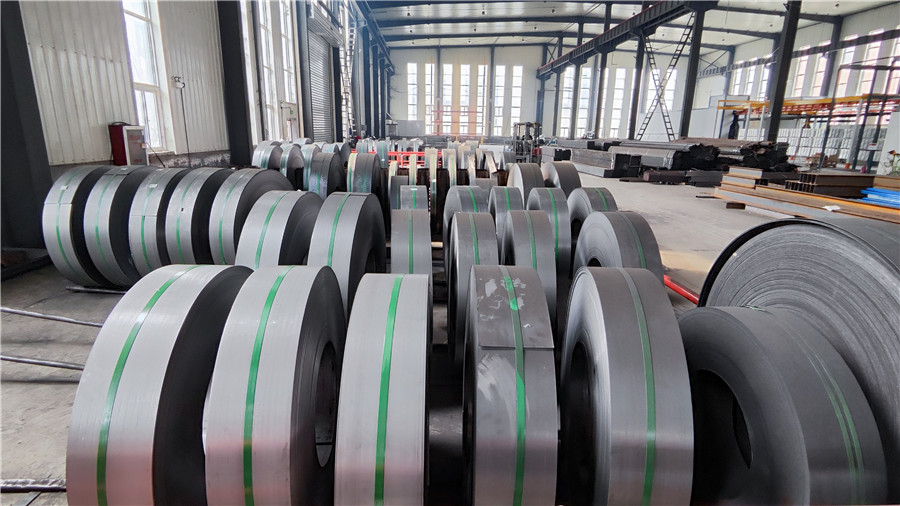
Sourcing industrial-grade shelving from China offers significant advantages in cost management, production scale, and material quality. Our facility utilizes cold-rolled steel coils from top-tier domestic mills, ensuring consistent yield strengths of Q235B and Q355B (equivalent to ASTM A36 and A572 Grade 50). This high-quality steel provides the load-bearing performance required for heavy-duty industrial storage.
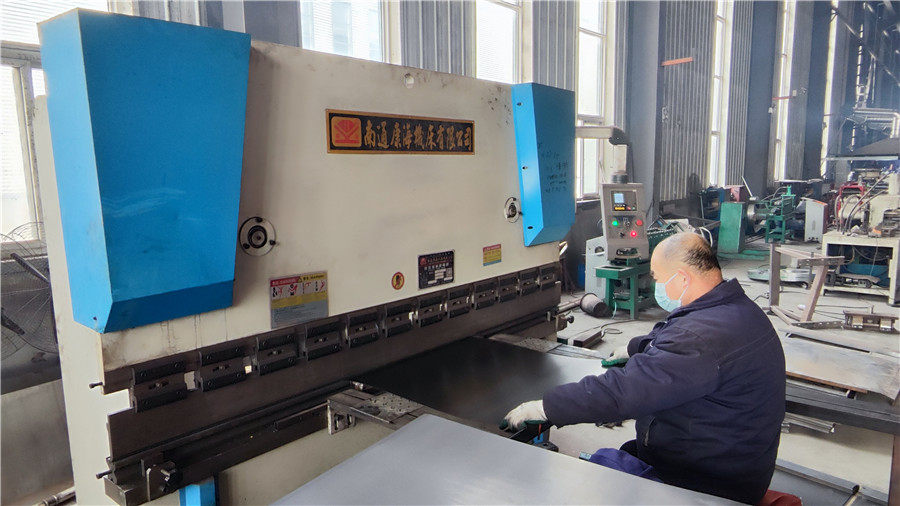
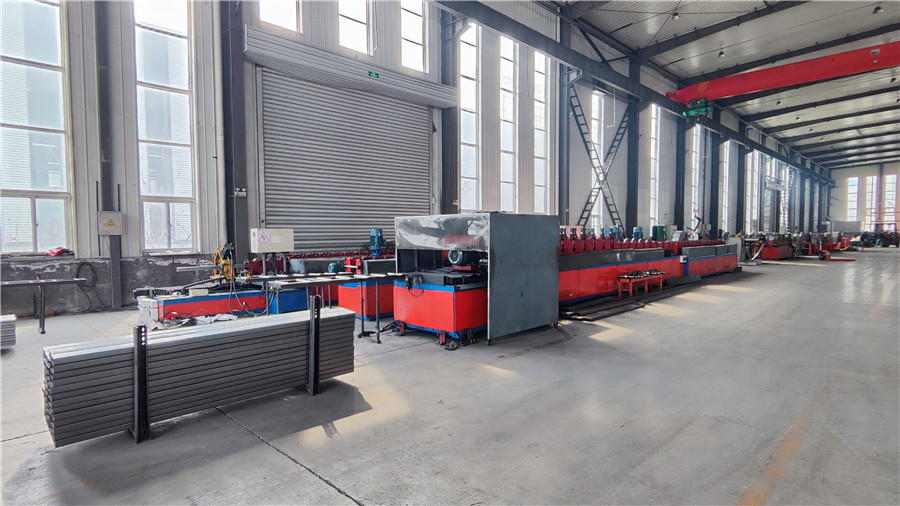
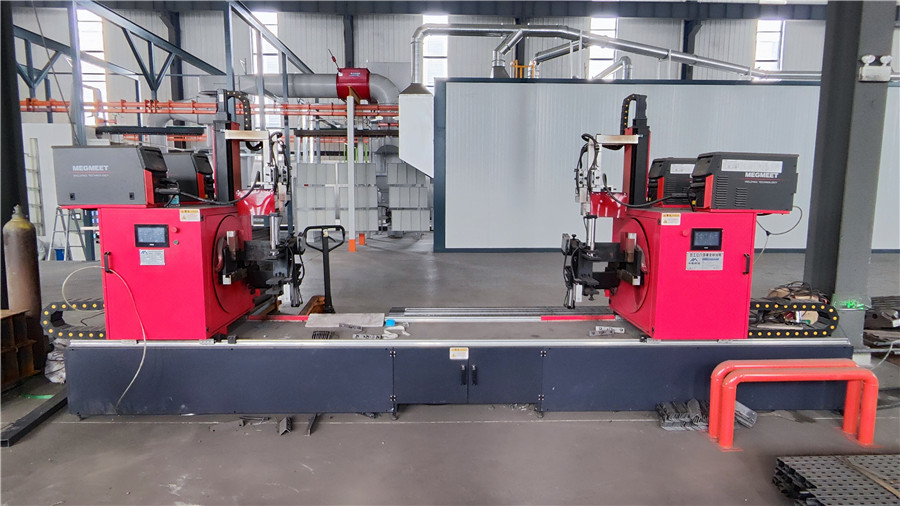
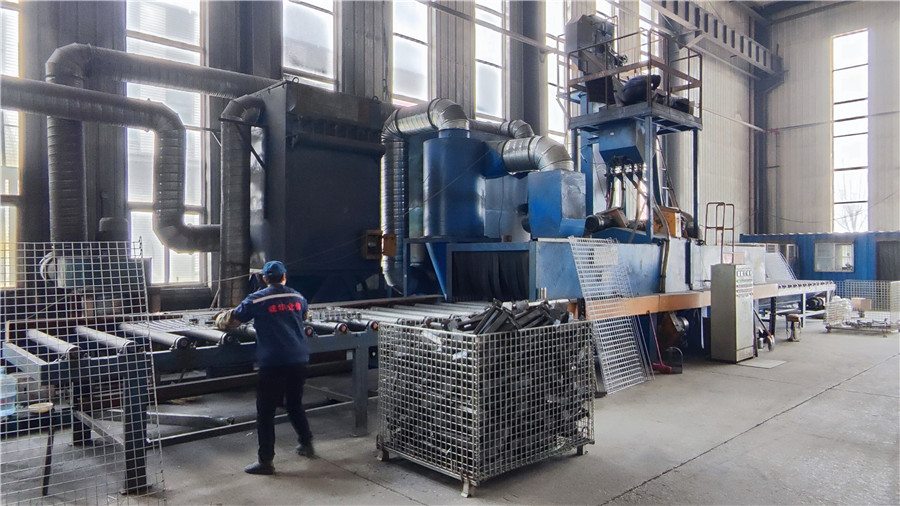
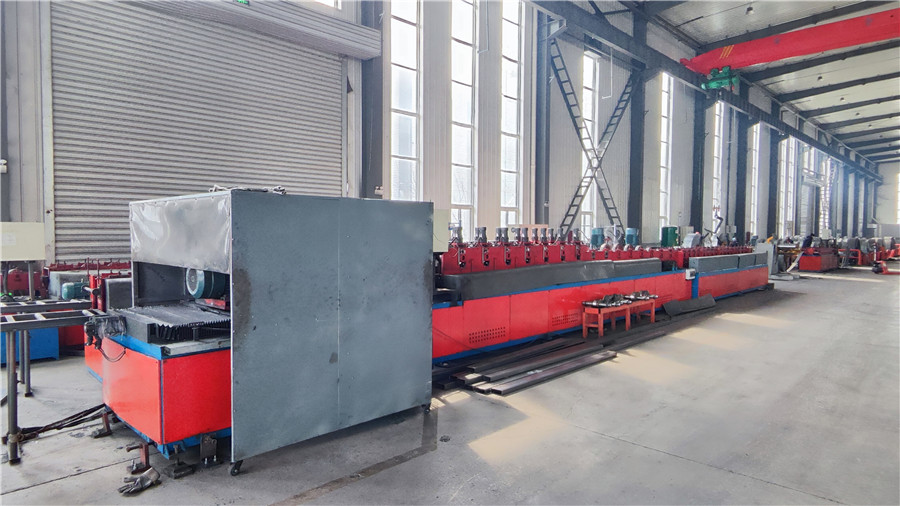
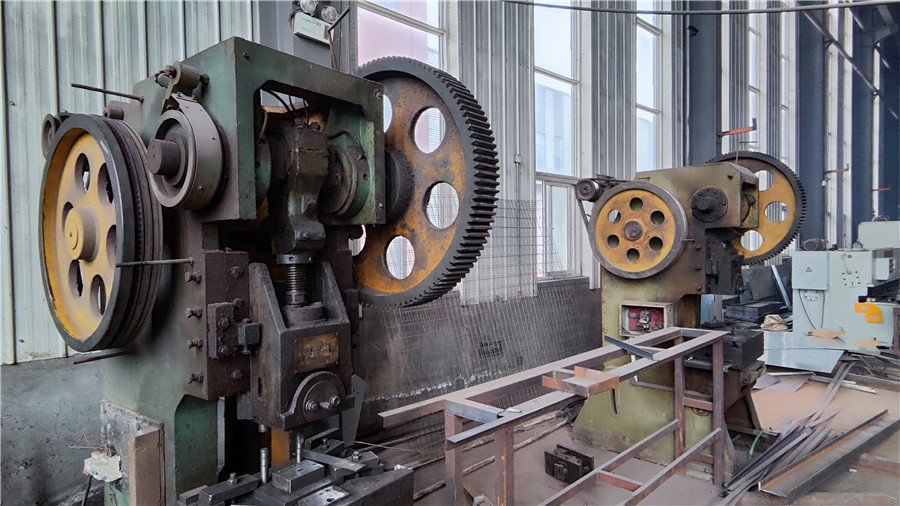
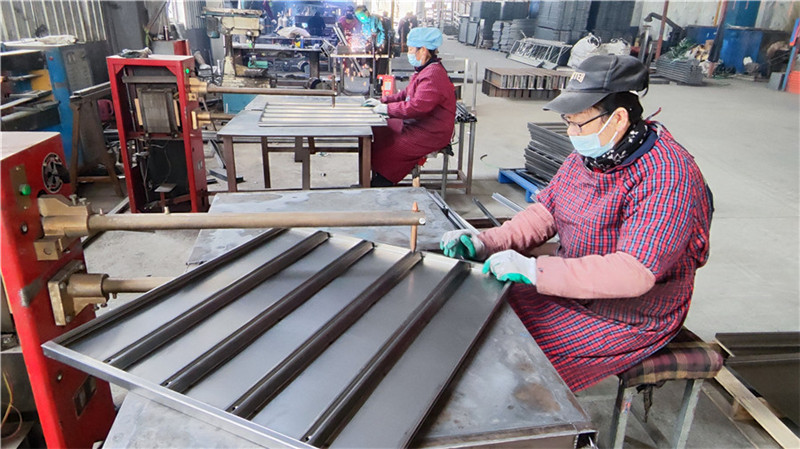
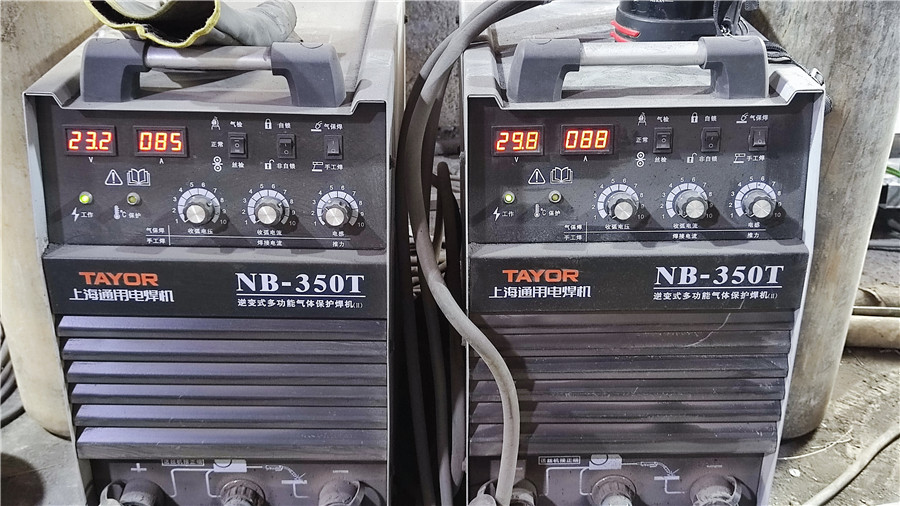
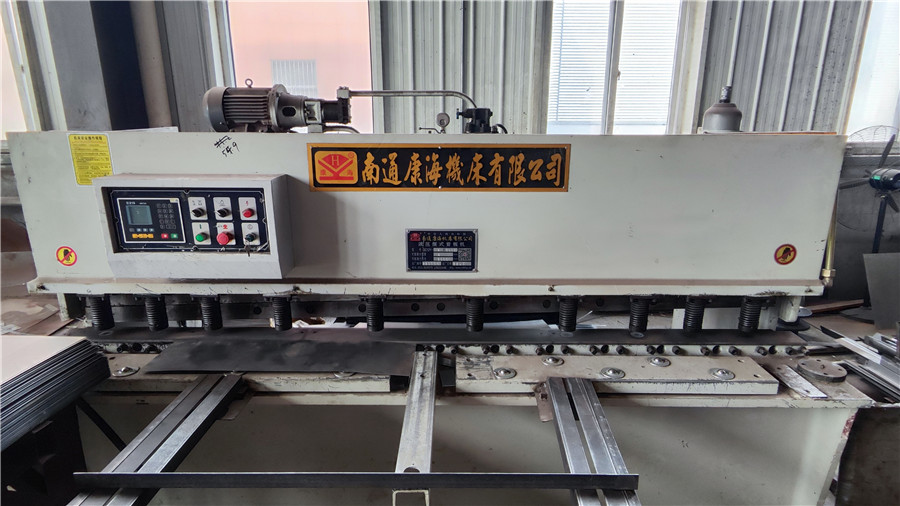
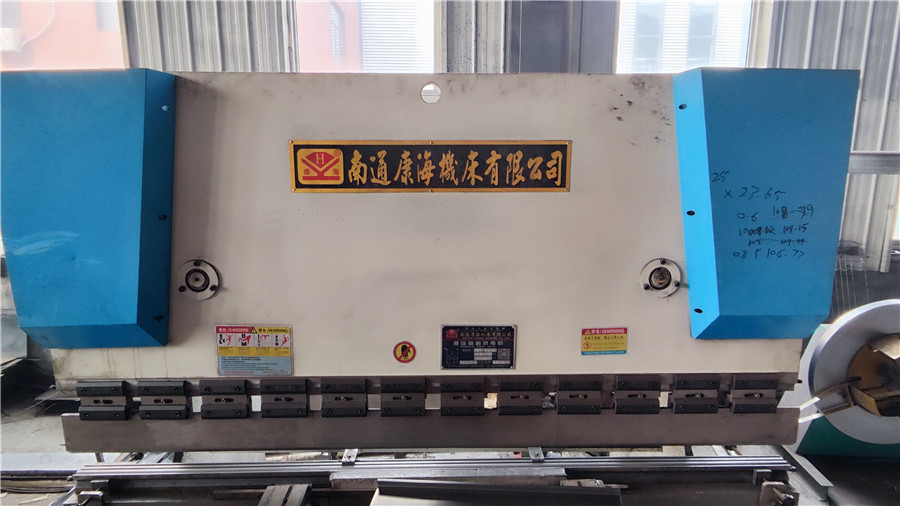
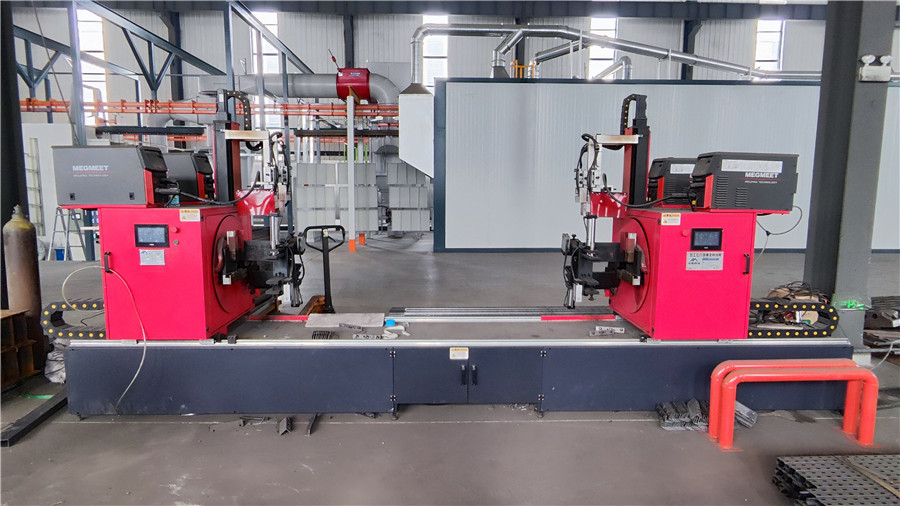
Our automated production floor includes high-speed roll-forming machines, multi-point CNC punching machines, and robotic welding stations. These advanced tools allow us to achieve high structural precision while minimizing labor-related variations.
Seattle’s location on the Cascadia Subduction Zone requires all structural storage equipment to meet strict seismic safety criteria. When designing pallet racking systems for Seattle installations, our engineering team utilizes finite element analysis (FEA) to simulate local seismic events. This process helps us size vertical uprights, baseplates, and bracing components to handle maximum horizontal load shifts.
Our quality assurance program is managed by 28 dedicated quality inspectors. These team members conduct regular material testing, including X-ray weld inspection, magnetic coating thickness testing, column compression tests, and full-scale beam deflection tests.
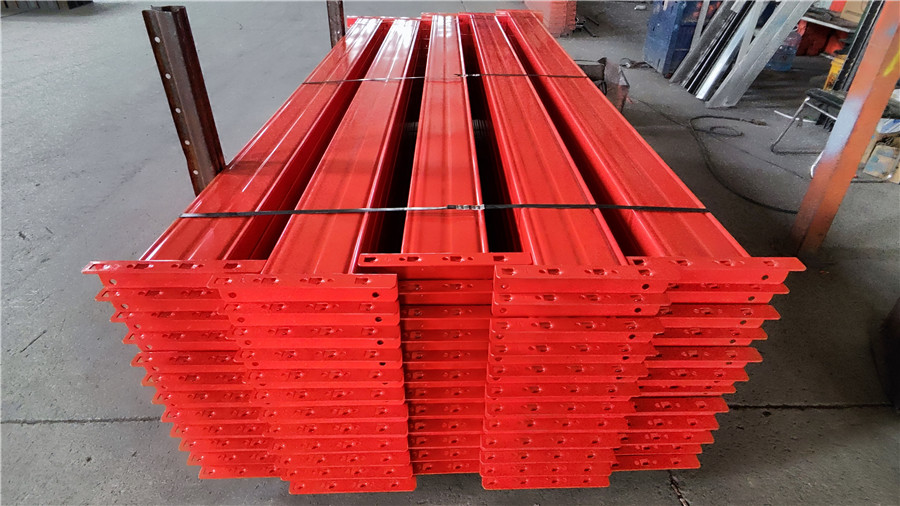
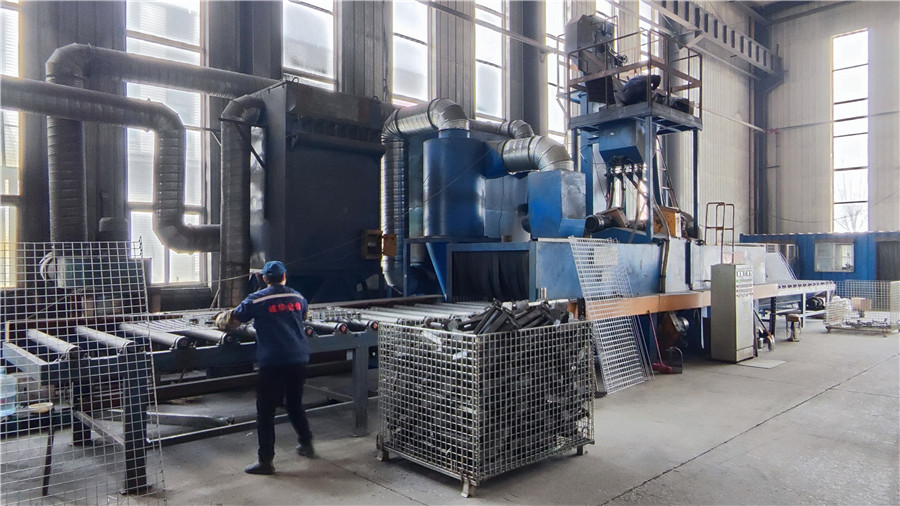
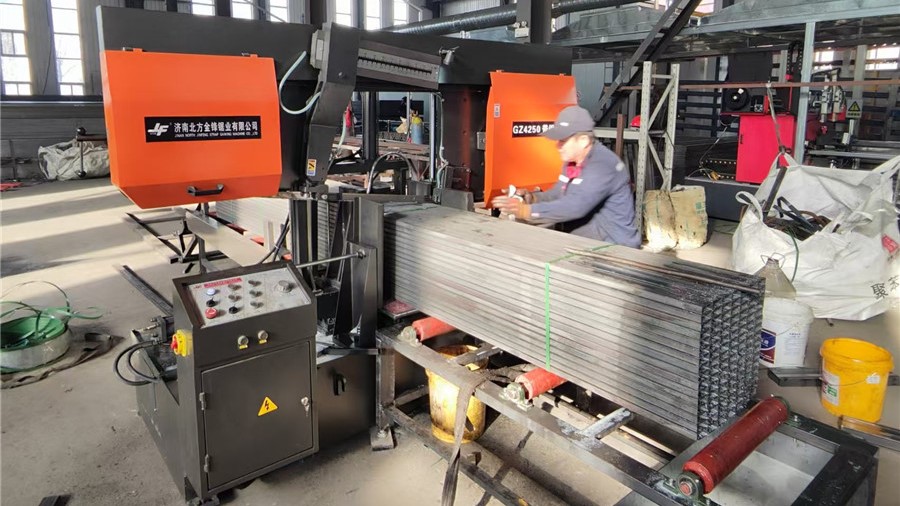
A look inside our 25,000㎡ facility, showing the manufacturing steps from raw steel to finished storage systems.
Different business models in King and Pierce counties require distinct storage configurations. Our engineering team designs solutions tailored for these specific applications:
Due to local weather and humidity levels, steel racking systems in port areas are susceptible to corrosion. We supply hot-dip galvanized and stainless-steel storage structures that resist saltwater corrosion and withstand freezing temperatures down to -30°C.
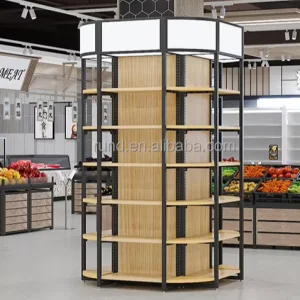
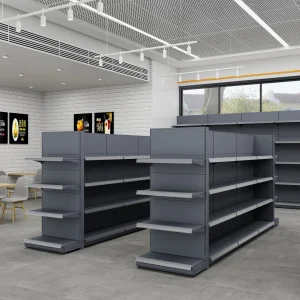
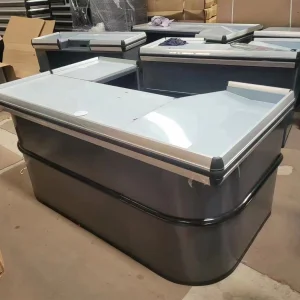
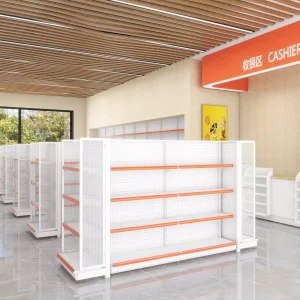
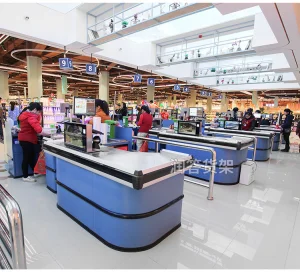
For operations like urban grocery delivery hubs in Seattle, space optimization is key. We design modular, high-capacity retail racking and checkout stations compatible with electronic barcode systems, fast-sorting conveyors, and automated picking devices.
To support high SKU turnover and rapid picking workflows in regional distribution centers, we construct customized multi-tier mezzanine floor layouts and heavy-duty structural steel platforms to maximize floor space utilization.
Overseas sourcing requires careful management of shipping timelines and logistics. DirectRack addresses these challenges through structured operations and proactive planning:
Answers to common technical, logistics, and compliance questions regarding customised shelving systems for the Seattle market.
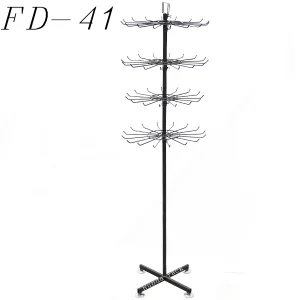
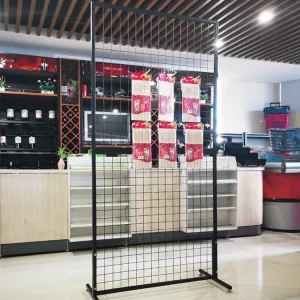
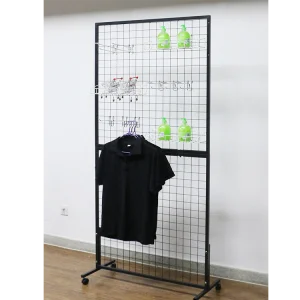
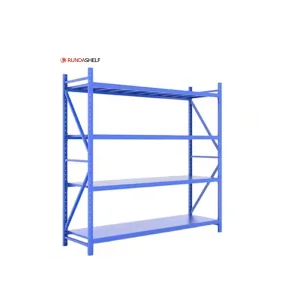
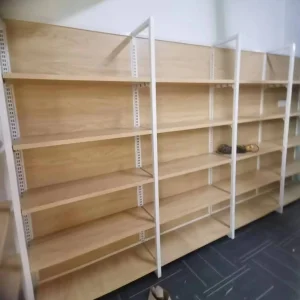
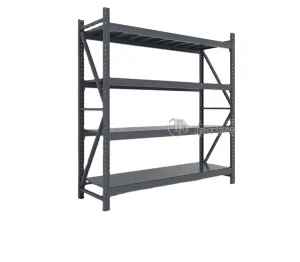
A complete selection of storage, retail displays, and backdrop systems designed for modern facilities.
In high-density industrial storage, even minor structural variations can impact safety. For warehouses in the PNW region, design parameters must specify that deflection under maximum uniform load does not exceed 1/180 of the clear span of the beam. This requires detailed structural modeling and design calculation.
Our standard testing process checks beam deflection using a hydraulic loading testing rig. Standard procedures include checking weld seams for micro-fissures and inspecting powder-coat thickness (maintaining a target range of 60 to 90 microns) using a digital magnetic gauge. This consistent execution helps prevent oxidation in humid marine or cold-storage facilities.
Additionally, our 35 senior R&D engineers design customized upright column cross-sections with multiple return bends. This structural design increases resistance to local buckling under axial compression, improving structural performance during seismic loads.
Industrial tire racks, stainless steel food-grade shelving, and customized retail setups.
Get in touch with our engineering team for customized configurations, detailed CAD designs, seismic certification parameters, and container-direct price quotes.
 DirectRack