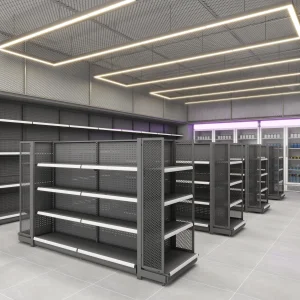
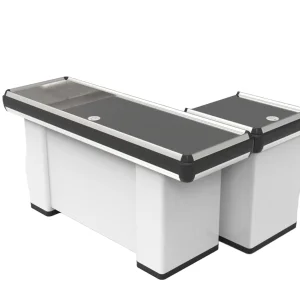
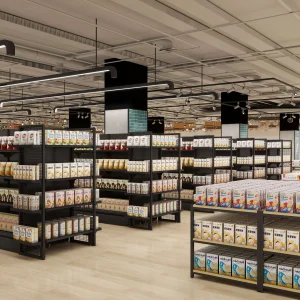
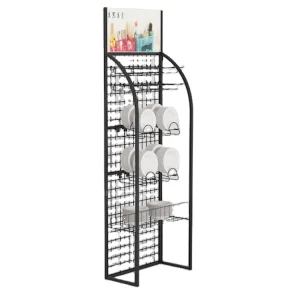
Engineered for durability, modular optimization, and visual merchandising efficiency.
The Australian retail and logistics landscape is undergoing a significant transformation. With major grocery conglomerates like Coles, Woolworths, ALDI, and IGA expanding their footprint, and the rise of massive home improvement hubs like Bunnings, the demand for high-strength, flexible, and compliant retail display systems has surged. Today’s retail layout is no longer just about shelving; it is about maximizing consumer engagement, optimizing space utilization, and complying with stringent local safety regulations.
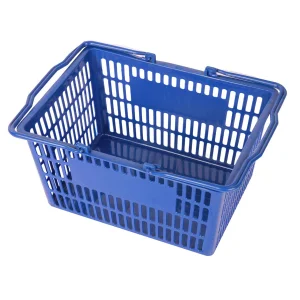
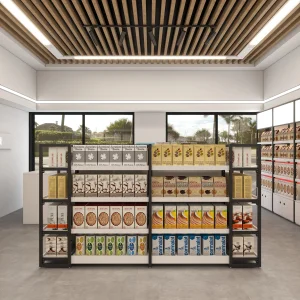
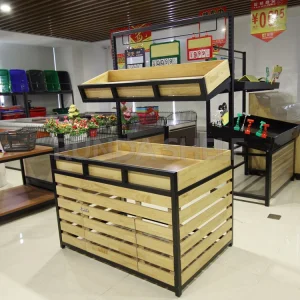
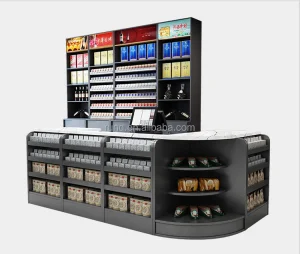
At the core of this transition is the Promotion Table and modular shelving systems. These fixtures serve as high-conversion touchpoints placed strategically in high-traffic transition zones (often termed "action alleys" or checkout zones). These promotion tables must handle continuous impact from shopping trolleys, heavy product stacking, and frequent reconfiguration without showing structural wear or compromising on aesthetic presentation.
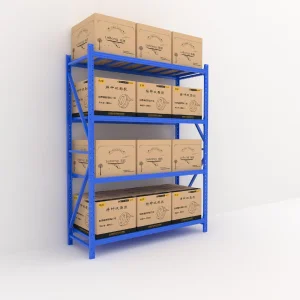
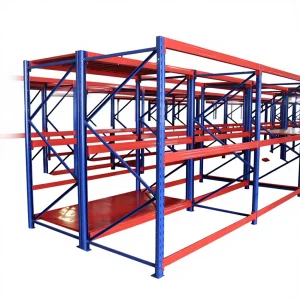
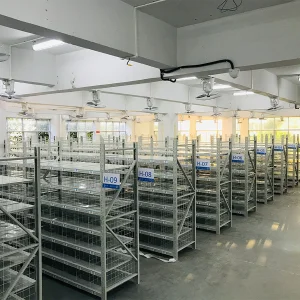
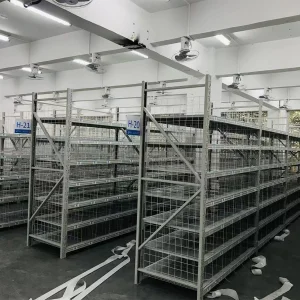
Concurrently, industrial sectors in major logistics corridors—such as Western Sydney (Kemps Creek, Horsley Park), Melbourne's Western Suburbs (Truganina, Derrimut), and Brisbane's Trade Coast—require robust warehouse storage systems capable of matching high-density distribution models. These facilities require direct-access cantilever systems, heavy-duty adjustable steel racking, and versatile mesh-back gondolas to handle bulk inventory efficiently.
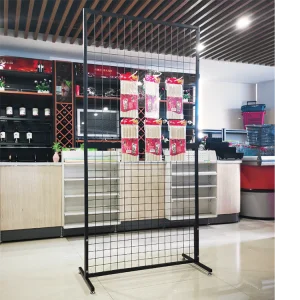
Modern physical retail requires a semantic approach to layout design. Just as search engines analyze user intent, physical retail spaces align shelving systems to consumer behaviors. Fast-moving consumer goods (FMCG) require double-sided gondolas and quick-access promotion tables that reduce friction. High-value cosmetics demand aesthetic wire mesh displays and rose-gold accent containers that signal premium quality. Fresh produce zones depend on wood-steel combinations that evoke organic trust while maintaining the hygienic cleanability of plastic and powder-coated steel.
Understanding this semantic intent allows Australian commercial entities to source systems engineered for specific customer pathways. Sourcing directly from certified international manufacturing plants allows developers, store designers, and supply chain managers to obtain custom configurations designed for the specific physical demands of Australian retail outlets.
In Australia, safety compliance is a non-negotiable legal requirement. The primary standard governing commercial racking systems is AS 4084-2012 (Steel Storage Racking). Any industrial rack, mezzanine structure, or commercial shelving unit installed in a professional setting must withstand rated weight limits under both static and dynamic loading. Sourcing non-compliant shelving exposes business operators to massive liabilities under SafeWork Australia regulations.
DirectRack manufactures storage systems utilizing high-tensile Q235B structural carbon steel. This steel grade offers excellent weldability, toughness, and yield strength, making it ideal for warehouse storage racks and heavy-duty retail shelves. The steel profile is further treated using shot-blasting, acid-washing, and electrostatic powder coating to ensure resistance to rust, corrosion, and everyday mechanical abrasions.
Founded in 2016, Dongguan Dingguan Metal Products Co., Ltd. (DirectRack) is a technology-driven warehouse equipment enterprise located in Dongguan, Guangdong Province. Leveraging 10 years of industry expertise and 8 years of international export background, the company operates a state-of-the-art manufacturing plant covering 25,000 square meters of building area.
Our annual export revenue consistently exceeds $18 million USD, supplying premium steel storage systems to worldwide logistics networks. DirectRack maintains strict quality governance enforced by 28 specialized QC inspectors. Our standard product inspection methods include X-ray weld seam analysis, coating thickness measurement via magnetic gauge, column compression destruction tests, and full-scale beam deflection loading tests to ensure zero-defect delivery.
Send Inquiry NowUtilizing a seamlessly integrated OEM/ODM trade background, DirectRack has established strategic alliances with 650 supply chain partners across raw steel sourcing and automated surface treatment industries. Our primary export markets include Southeast Asia, the Middle East, and South America, serving retail distribution, automotive parts, and FMCG wholesale hubs.
A transparent view of our technology-driven processes ensuring structural integrity at every stage.
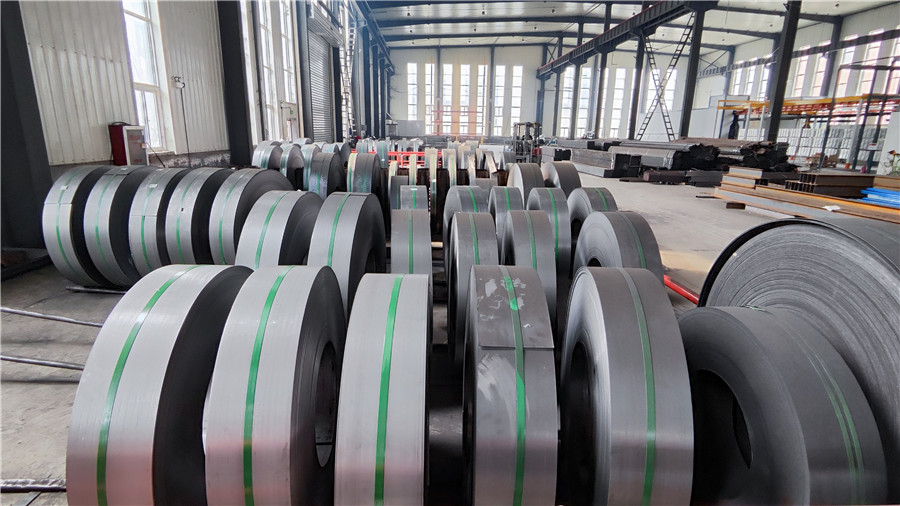
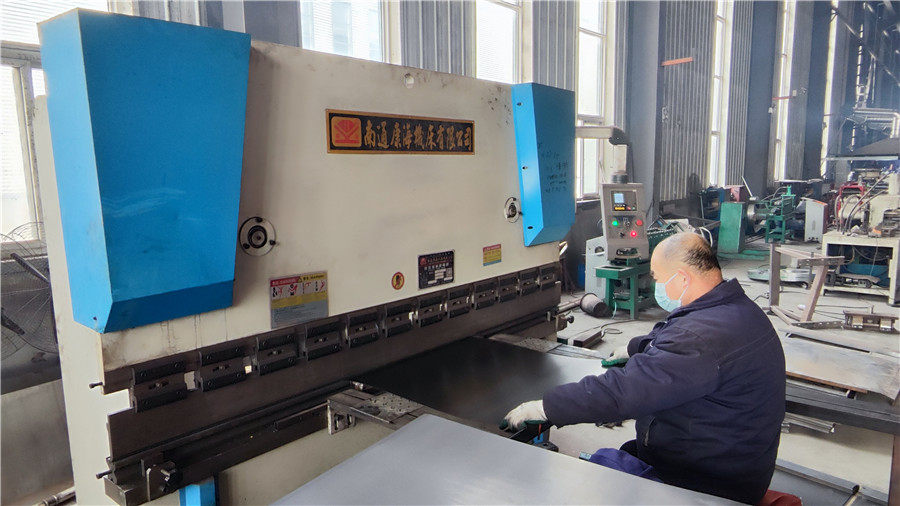
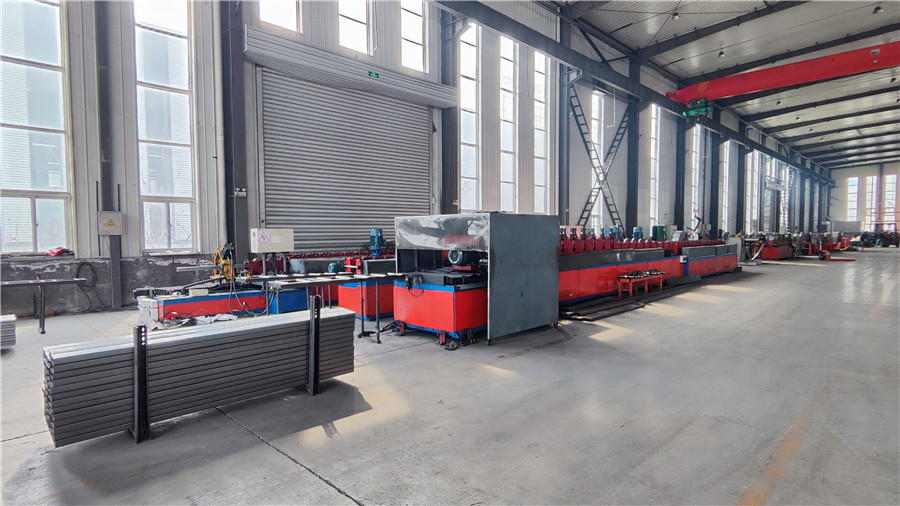
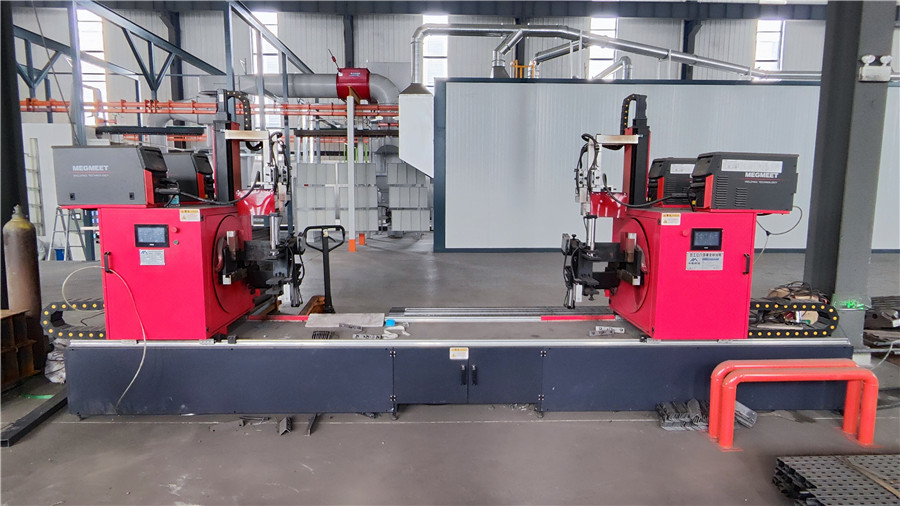
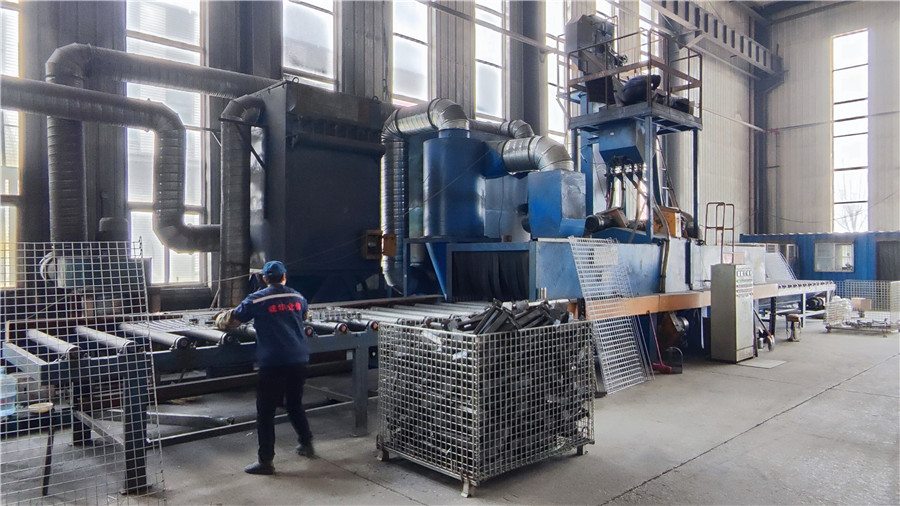
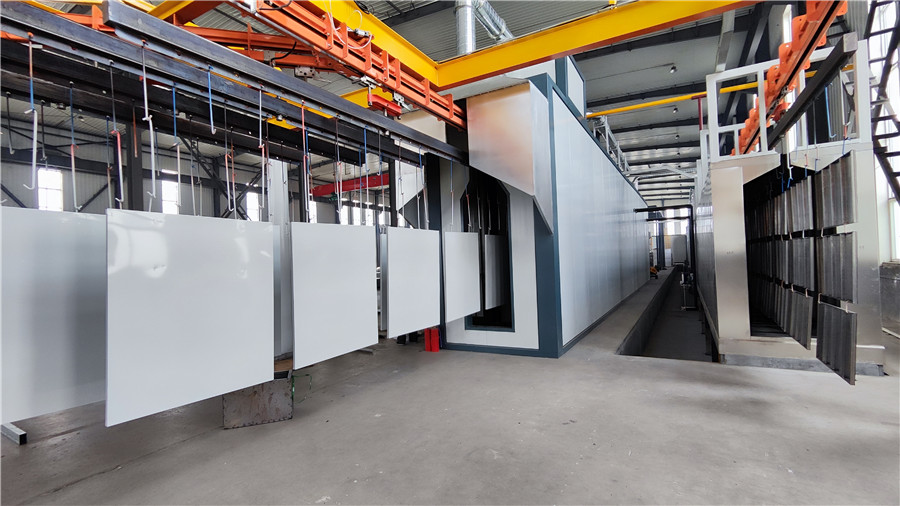
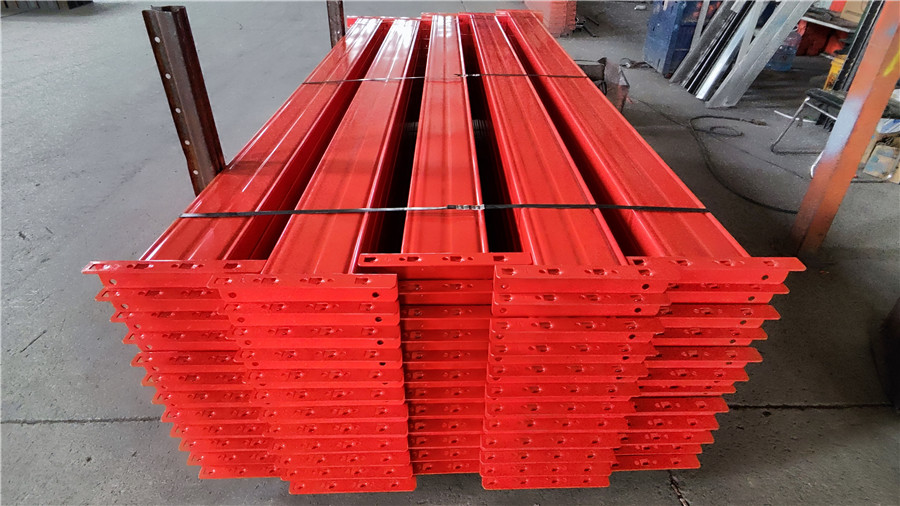
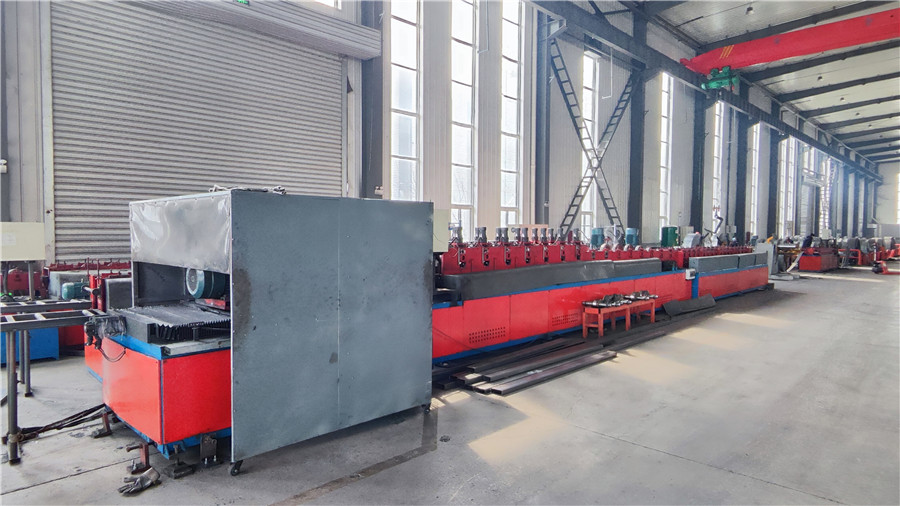
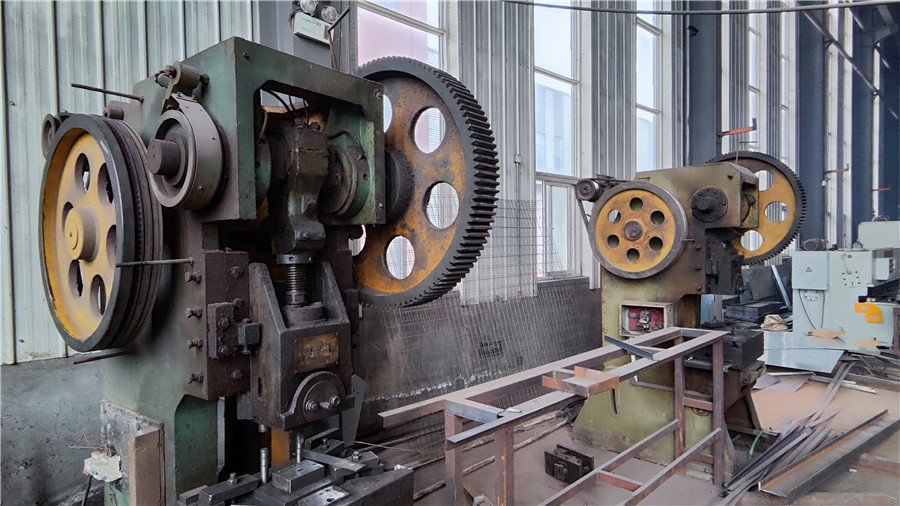
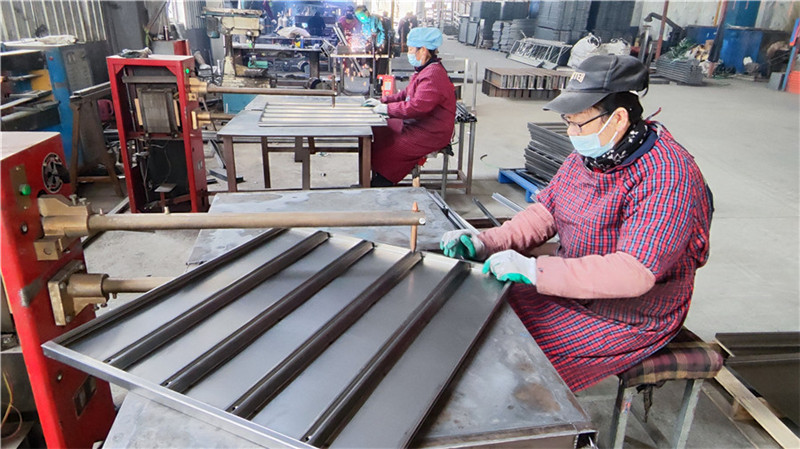
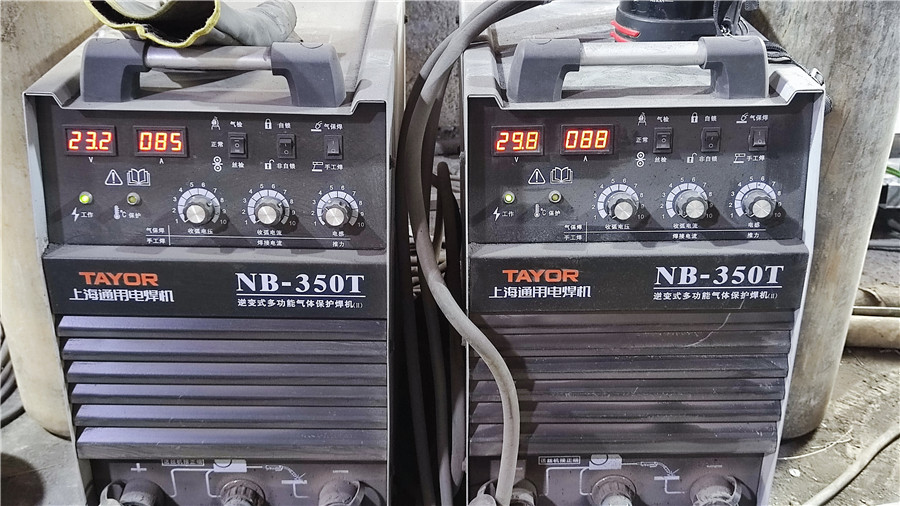
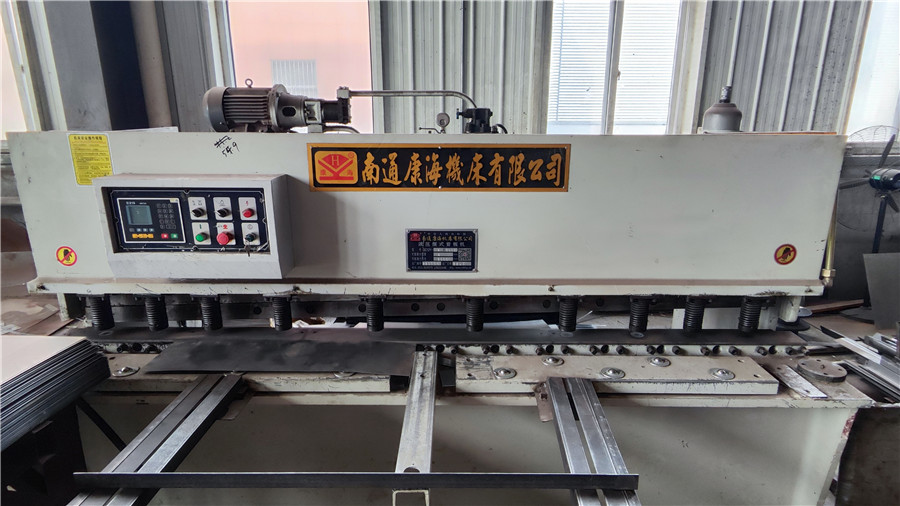
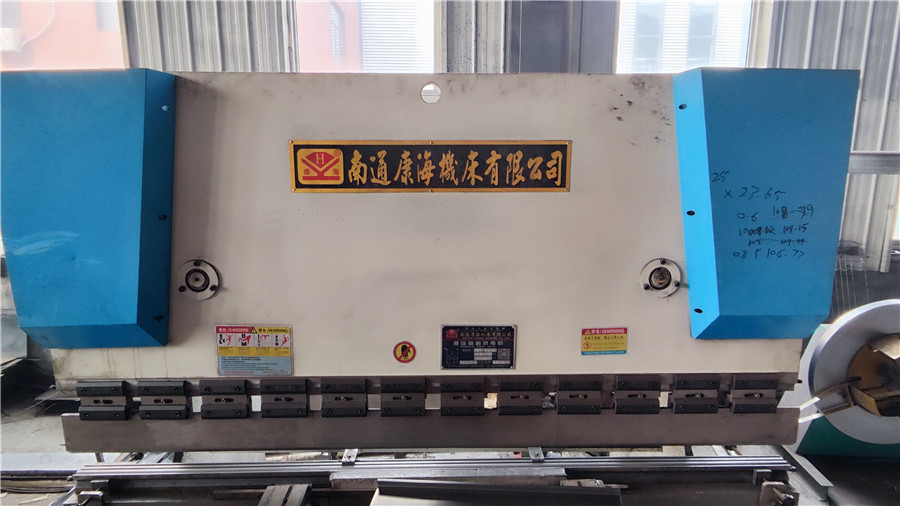
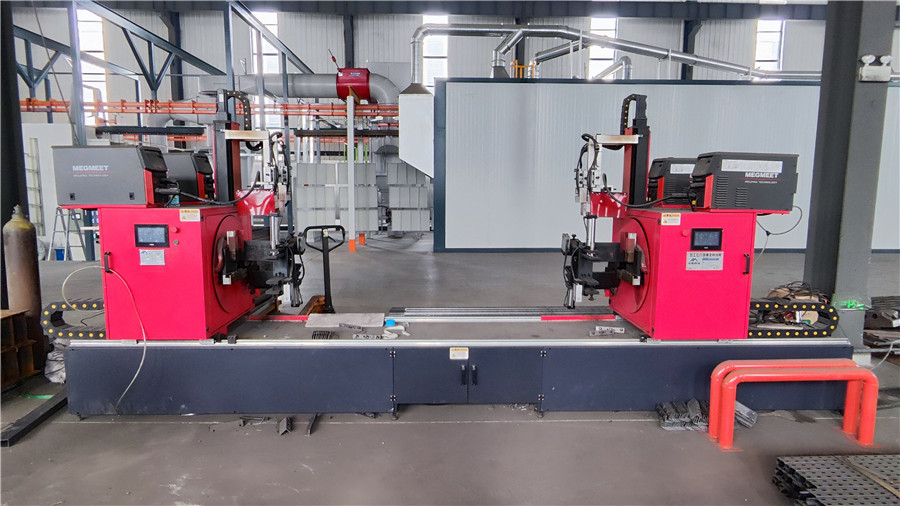
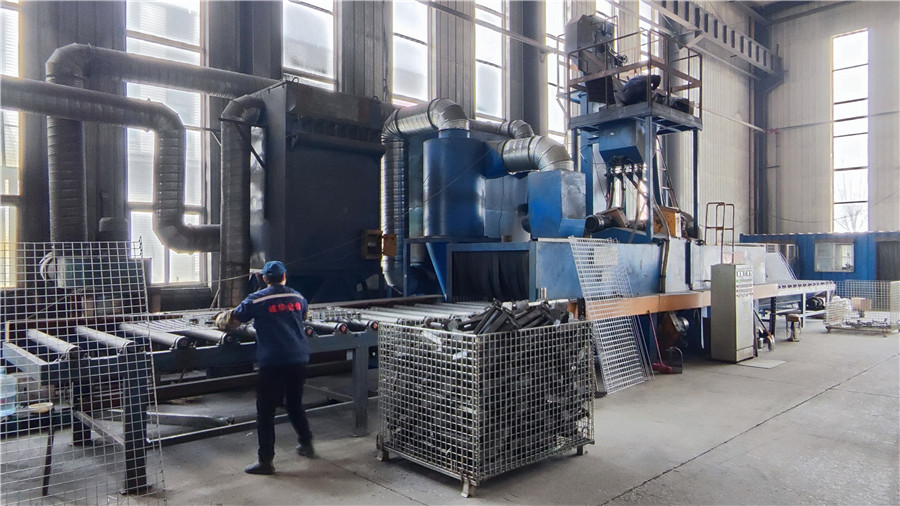
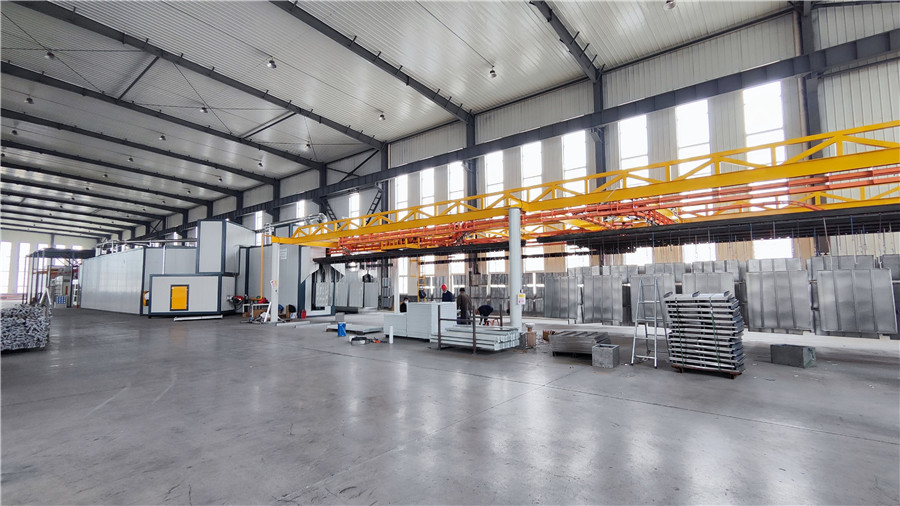
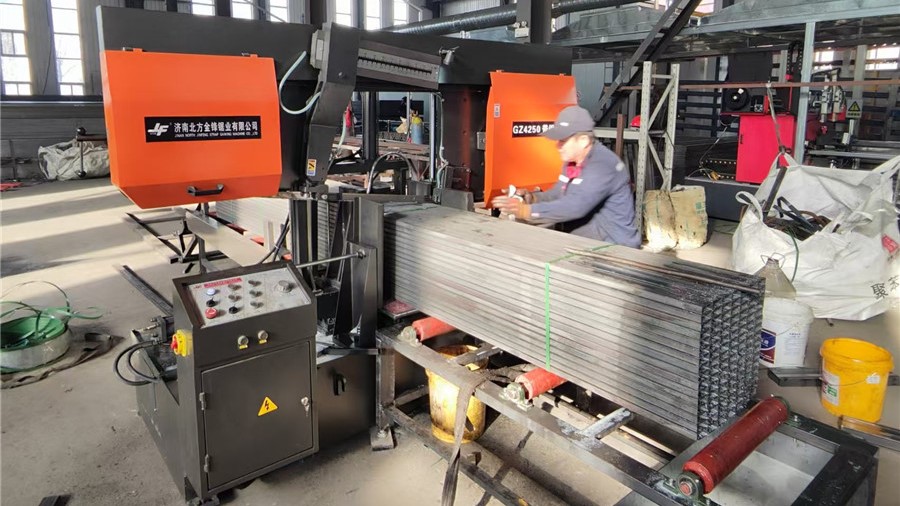
Managing retail networks across cities like Melbourne, Sydney, Brisbane, and Perth presents unique operational challenges. High local labor costs require installations that are rapid, self-locking, and require minimal upkeep. Furthermore, Australia's varied climates, from the humid tropics of Queensland to the dry conditions of South Australia, require corrosion-resistant surface coatings.
To address these environmental factors, DirectRack utilizes a dual treatment process. Every component is subjected to shot-blasting to remove mill scale, oil, and superficial rust. We then apply an electrostatic powder coating to create a non-porous barrier resistant to chemicals, abrasion, and thermal shifts. Additionally, for wet areas or cold-storage environments, we supply hot-dip galvanized finishes.
Importing structural components from China to Australian ports (Port Botany in Sydney, Port of Melbourne, and Port of Brisbane) requires precise documentation. This includes providing compliance testing certificates, material grade specifications, packing lists, and sea-freight packaging designs.
DirectRack provides full-service logistical preparation, ensuring that bundles are packed on heavy-duty steel pallets or robust wooden crates, preventing transit damage during sea voyages. Each component is labeled to match custom layout drawings, facilitating easy unpacking and rapid onsite assembly by Australian installation teams.
The future of commercial shelving is modular and automated. To meet these emerging demands, DirectRack is developing systems designed to integrate with automated storage and retrieval systems (ASRS) and autonomous mobile robots (AMRs).
By refining the geometric profiles of upright frames, we optimize load-to-weight ratios, ensuring high stability while using less raw material. This aligns with global carbon-reduction initiatives and supports green building certifications across modern distribution hubs.
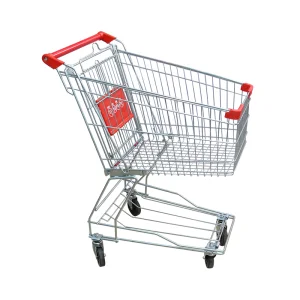
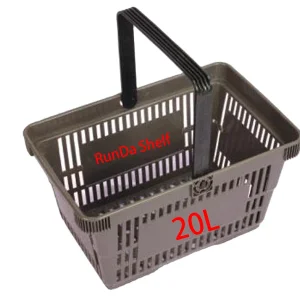
High-capacity shelving, retail checkout systems, and storage units designed for Australian industrial standards.
Answers to common questions regarding logistics, engineering compliance, and customization.
Yes, our industrial racks and structural shelving systems are engineered to meet the requirements of the AS 4084-2012 (Steel Storage Racking) standard. We perform Finite Element Analysis (FEA) and physical testing to verify load limits, seismic resilience, and safety configurations.
Our systems are manufactured from high-quality Q235B structural carbon steel. This grade provides the optimal balance of tensile strength, ductility, and weld integrity required for heavy-duty applications.
Standard manufacturing ranges from 20 to 30 days depending on order size and customization requirements. Ocean transit to major Australian ports, including Sydney, Melbourne, Brisbane, and Fremantle, generally takes between 12 to 18 days.
Yes, we provide full customization for dimensions, colors (matching RAL systems), load capacities, and materials. We also offer options combining natural timber inserts with steel frames for premium grocery and cosmetics displays.
Our facility operates under an ISO-certified quality framework managed by 28 QC inspectors. We perform routine raw material testing, structural compression checks, and weld integrity analysis to ensure consistent quality.
 DirectRack