Explore our structural storage solutions designed to align with Massachusetts warehouse fire, seismic, and regulatory standards.
In the context of modern supply chains, the efficiency of industrial warehousing determines a business's operational success. The Boston metropolitan area, historically key to trade and logistics, is undergoing a major logistical transition. Driven by the expansion of biotechnology, pharmaceutical manufacturing, advanced cold storage facilities, and urban micro-fulfillment requirements, the local demand for specialized storage infrastructure is growing. This whitepaper analyzes the challenges of the New England industrial real estate market and outlines how direct manufacturing partnerships with Chinese factories optimize capital expenditure (CAPEX) while maintaining regulatory compliance.
The New England warehousing sector, centered in Greater Boston, has unique structural constraints. Industrial properties inside the Route 128 loop and the I-95/I-495 corridors are characterized by high lease rates, historically low vacancy, and age-related physical limitations. Many facilities in East Boston, Chelsea, and South Boston are older brick-and-beam properties with low ceiling clearances, inconsistent floor-load capacities, and irregular column spacings.
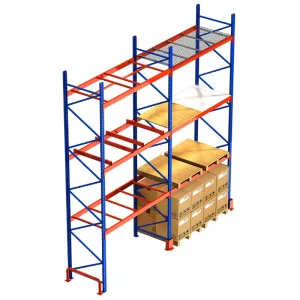
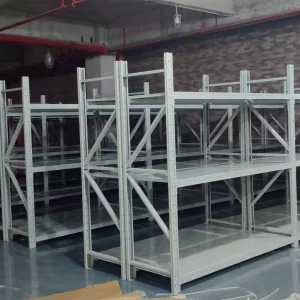
To operate profitably under these real estate conditions, companies must shift from horizontal space consumption to vertical density optimization. Deploying dynamic multi-tier mezzanines, structural rack designs, and robot-ready racking systems becomes a strategic necessity rather than a structural option. Every square meter of floor space must deliver high yield. Custom rack dimensions, narrow-aisle engineering, and reliable load ratings are critical to turning outdated layouts into efficient distribution centers.
The global steel racking market requires a balance of raw material grade consistency, processing precision, and cost control. As Western materials costs fluctuate, global logistics coordinators look to established industrial production clusters in China. The Pearl River Delta, specifically Dongguan and Shenzhen, represents a highly integrated manufacturing base for structural storage solutions.
Chinese steel mills and automated factories offer distinct production advantages:
Customizing storage designs to match regional commercial challenges and compliance standards.
Boston's life sciences sector, centered in Kendall Square, Cambridge, requires highly sterile, moisture-resistant, and climate-controlled storage solutions. Our warehouse mezzanine and racking platforms utilize specialized stainless steel and durable polymer configurations to resist corrosion and structural breakdown at sub-zero temperatures. From vaccine storage facilities to cleanroom logistics, our custom structural components comply with hygiene standards and thermal stability requirements.
Request Cold Storage Design SheetAll commercial storage rack installations exceeding 8 feet in height within Suffolk County and the Greater Boston Area must comply with the Massachusetts State Building Code (780 CMR) and the Rack Manufacturers Institute (RMI) standards. Our structural designs feature enhanced anchor plates, reinforced bracing, and engineered calculation reports to withstand localized seismic load requirements.
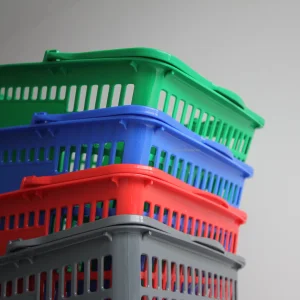
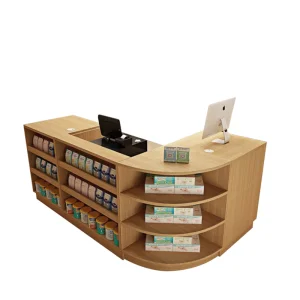
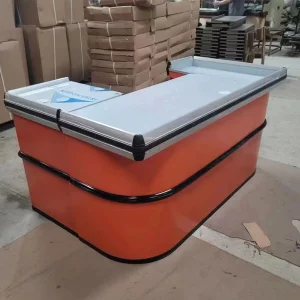
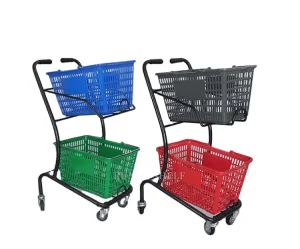
As e-commerce demand increases, distribution operations are moving closer to the city center. Fast-moving urban fulfillment relies on dense product sorting and automated logistics. Modern facilities deploy structural mezzanines and adjustable rack-robot interfaces to increase storage density. Integrating vertical product zones with high-performance rolling carts, cash wrap setups, and checkout bays allows operators to speed up throughput in constrained urban locations.
Explore E-commerce System LayoutsModern Boston warehouses use autonomous mobile robots (AMRs) and automatic storage retrieval systems (AS/RS). These systems require precise structural tolerances, flat shelving decks, and stable floor systems. We manufacture heavy-duty racking columns with a high degree of dimensional consistency to prevent automated equipment collisions or tracking errors.
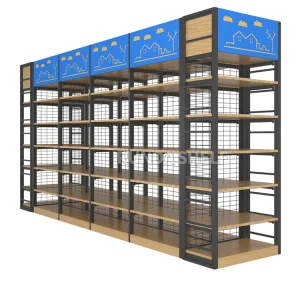
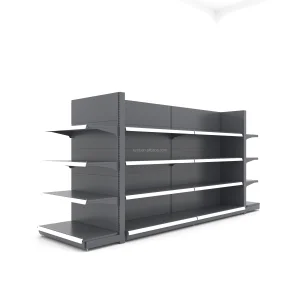
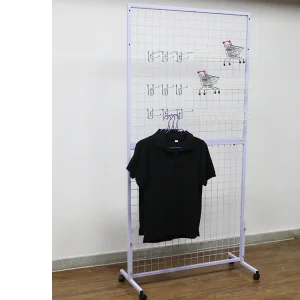
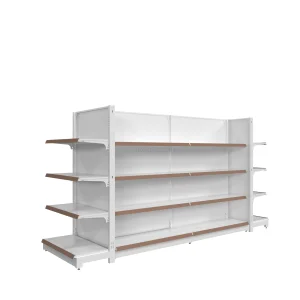
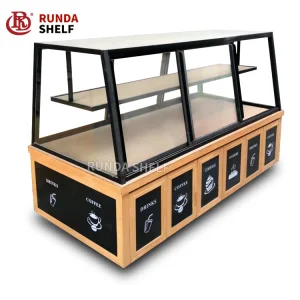
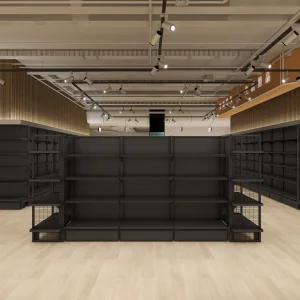
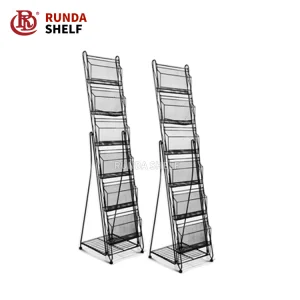
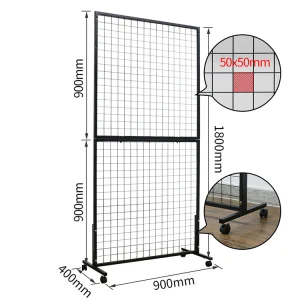
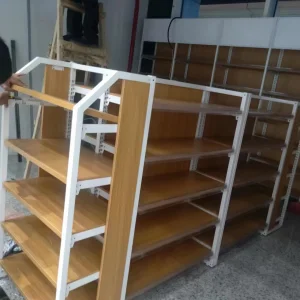
Commercial shelving and modular display racks for supermarket, convenience store, and retail environments.
State-of-the-art production facilities, strict quality testing, and comprehensive OEM/ODM supply chain integration.
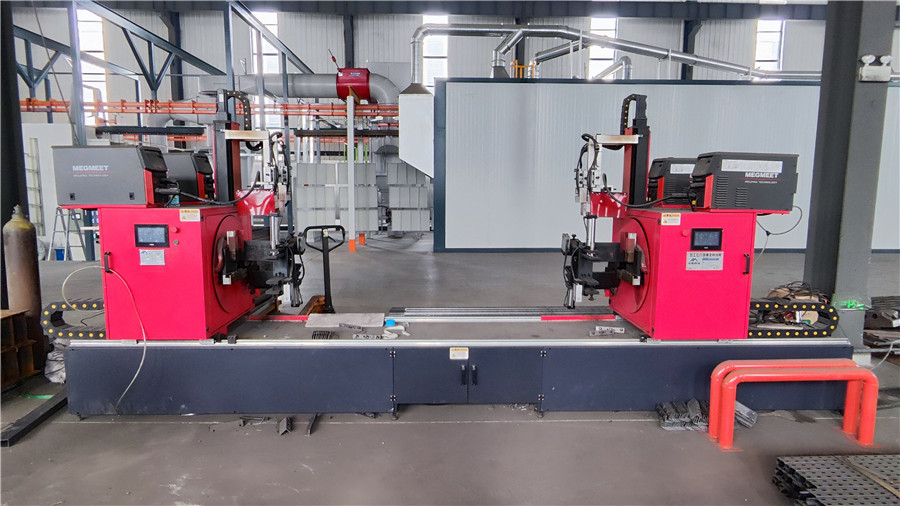
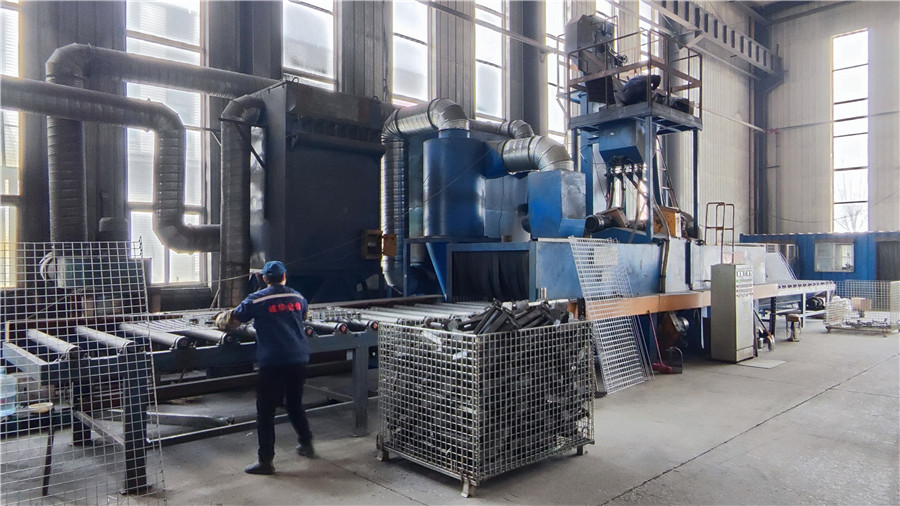
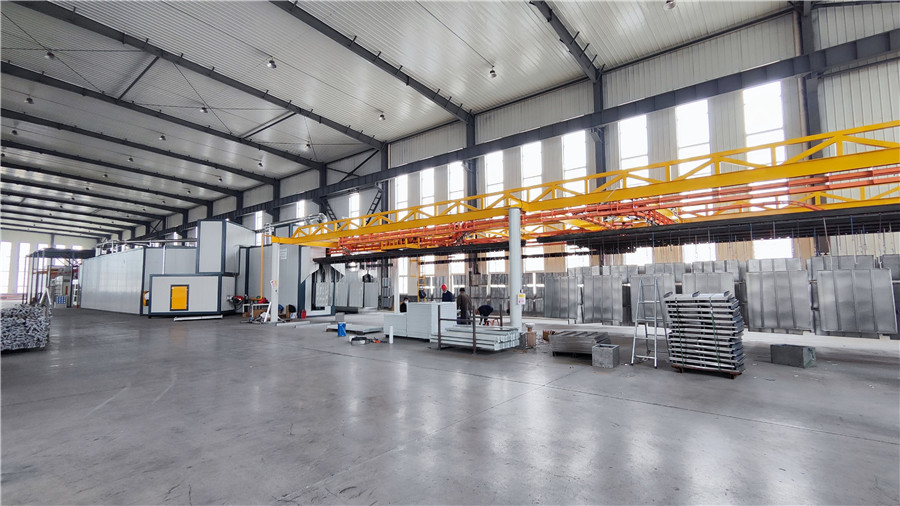
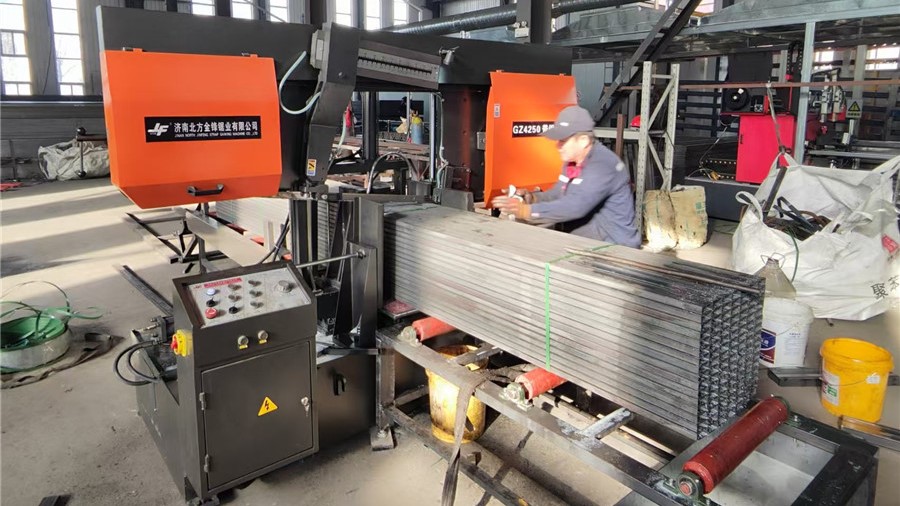
Founded in 2016, Dongguan Dingguan Metal Products Co., Ltd. (DirectRack) is a technology-driven warehouse equipment enterprise located in Dongguan, Guangdong Province. Leveraging 10 years of industry expertise and 8 years of international export background, the company operates a state-of-the-art manufacturing plant covering 25,000 square meters of building area. Our annual export revenue consistently exceeds $18 million USD, supplying premium steel storage systems to worldwide logistics networks.
Quality Assurance & Testing Standards: DirectRack maintains strict quality governance enforced by 28 specialized QC inspectors. Our quality control framework adheres to international AS4084 and OSHA safety standards. Our standard product inspection methods include X-ray weld seam analysis, coating thickness measurement via magnetic gauge, column compression destruction tests, and full-scale beam deflection loading tests to ensure zero-defect delivery.
Global Trade & Supply Chain: Utilizing a seamlessly integrated OEM/ODM trade background, DirectRack has established strategic alliances with 650 supply chain partners across raw steel sourcing and automated surface treatment industries. Our primary export markets include Southeast Asia, the Middle East, and South America. Our main client types range from retail distribution facilities and automotive parts warehouses to commercial FMCG wholesale hubs.
R&D & Customization Capabilities: Innovation is at the core of our business model. Spearheaded by 35 senior R&D engineers, DirectRack provides dynamic structural calculation models and fully bespoke modular storage designs. Our custom options feature customizable shelf depth/height ratios, multi-tier mezzanine configurations, anti-seismic bracing, and custom RAL color palettes. In the previous year, we successfully introduced 42 new product designs to meet evolving automated warehouse demands.
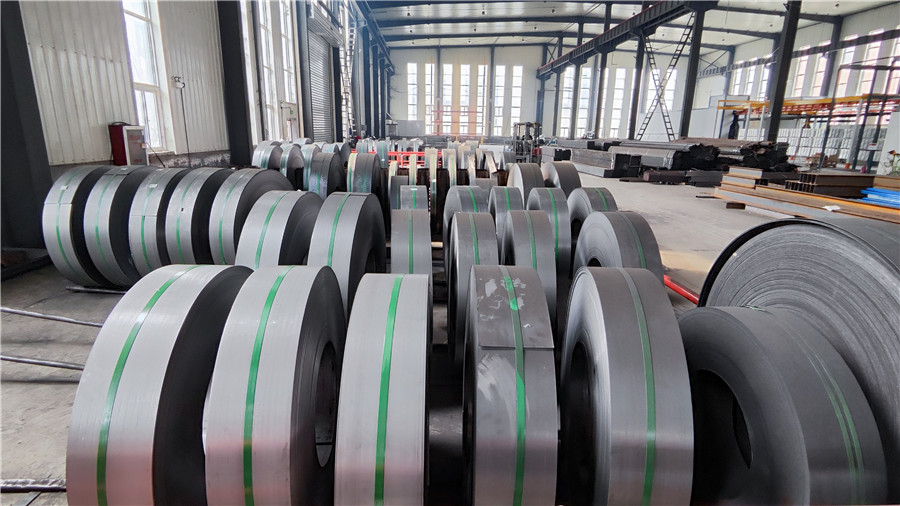
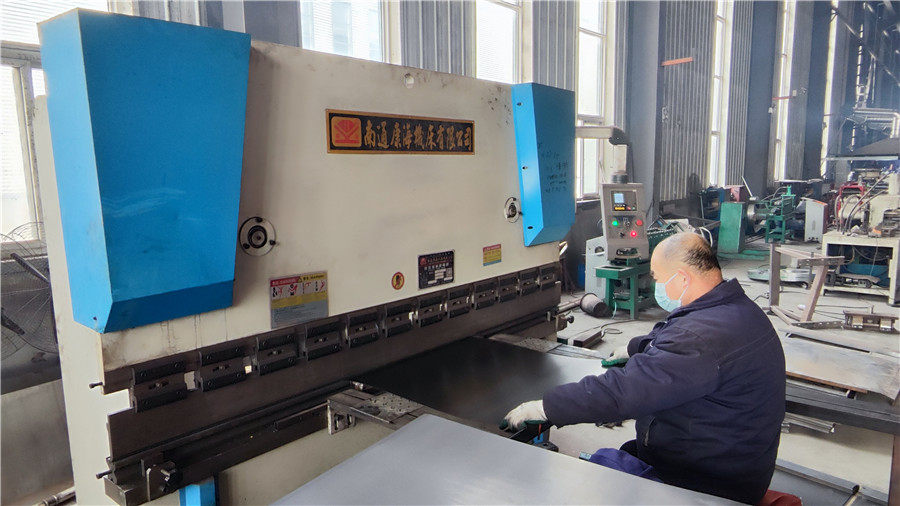
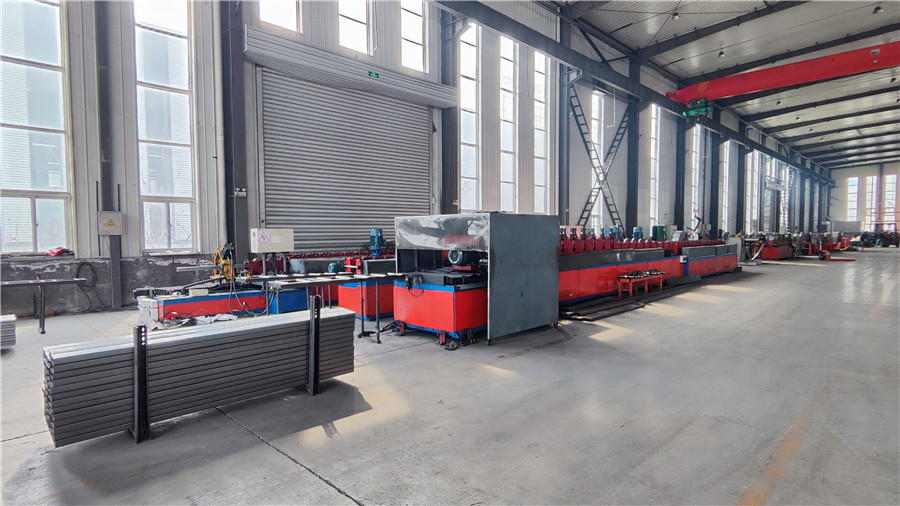
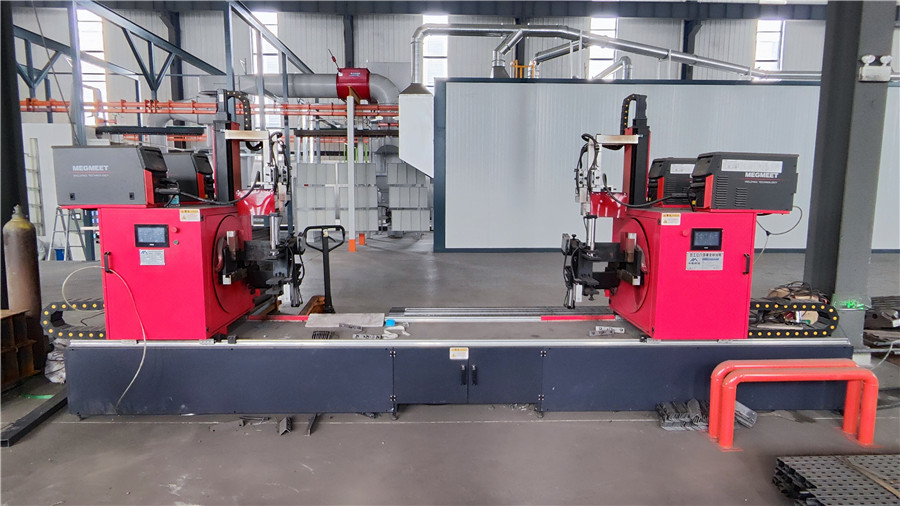
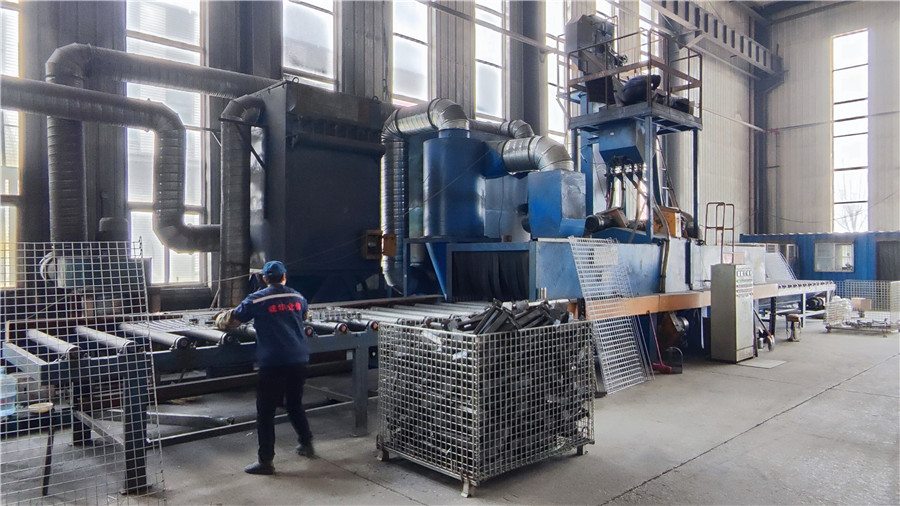
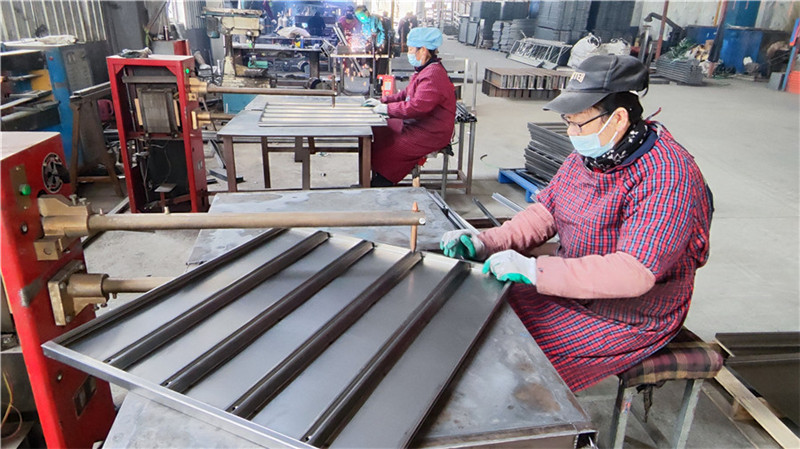
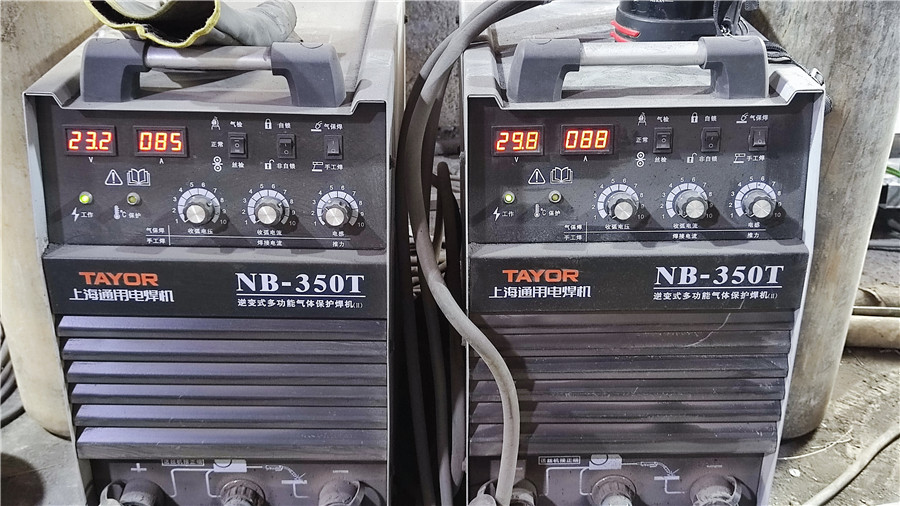
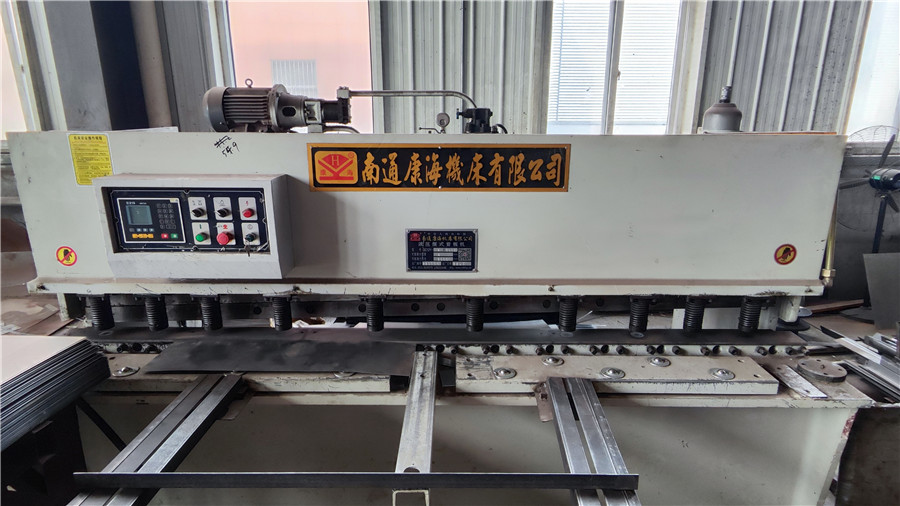
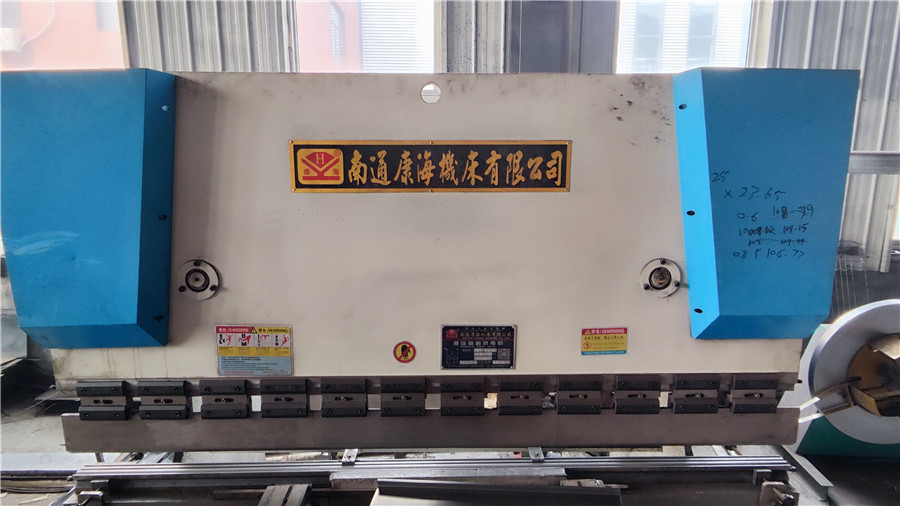
A detailed view of our automated manufacturing plant, raw material processing, and quality control systems.
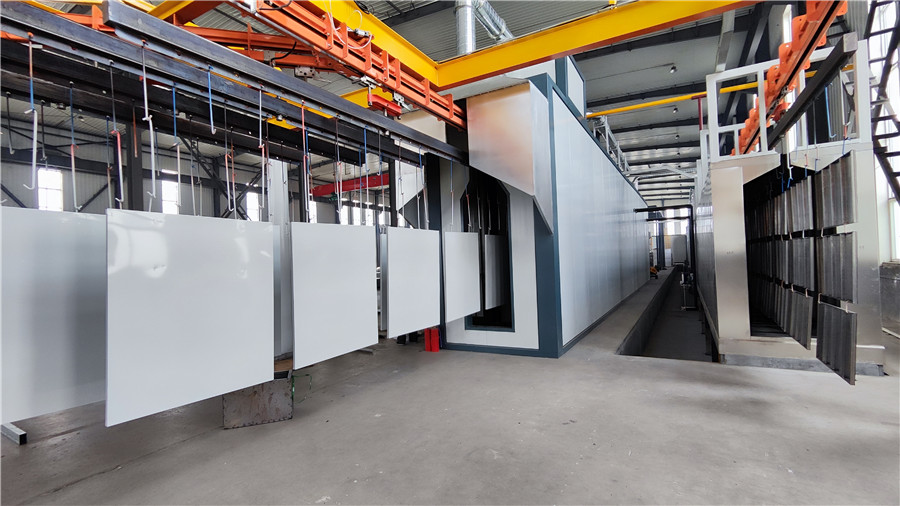
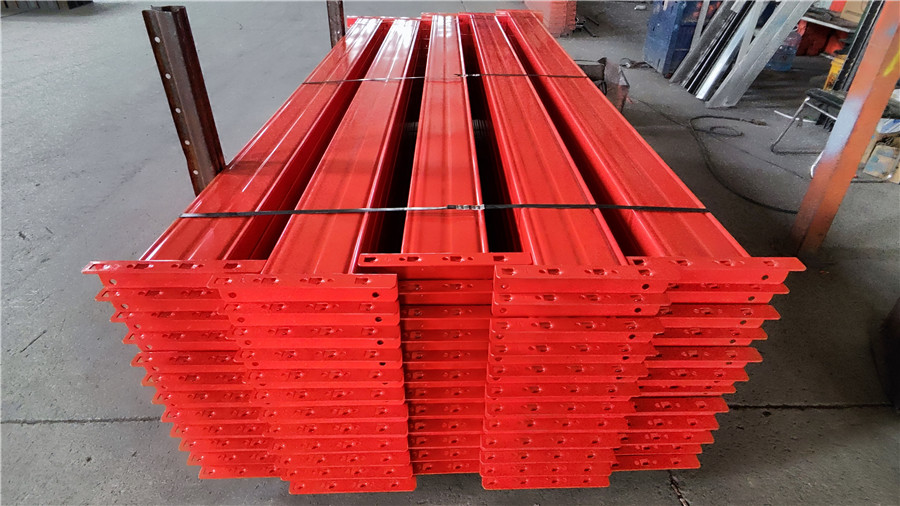
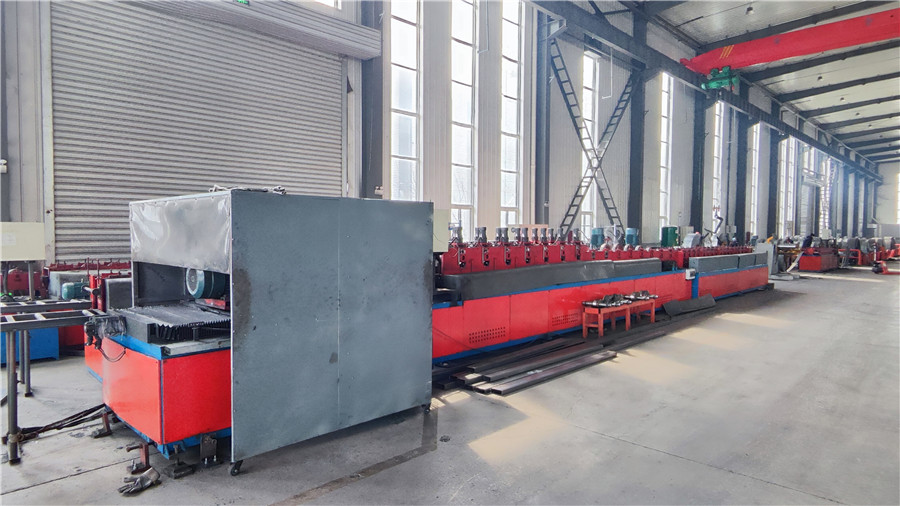
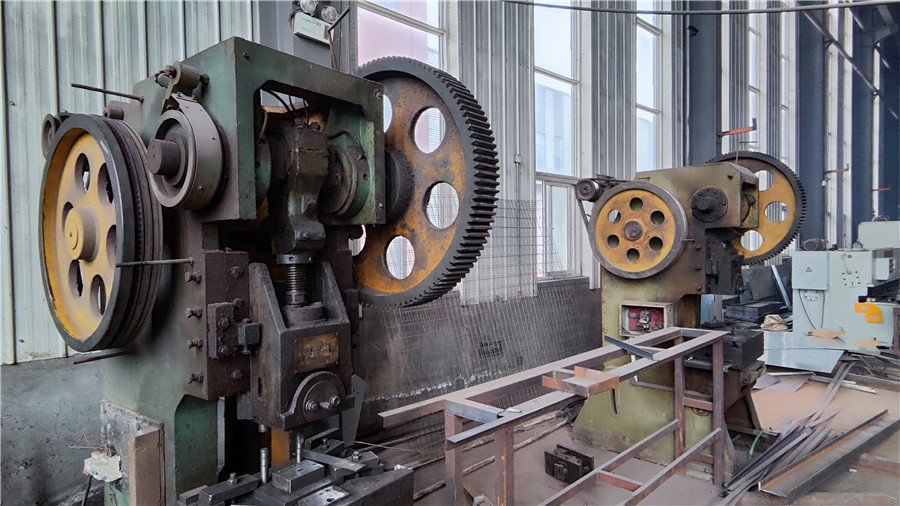
Purchasing warehouse racking systems internationally requires careful consideration of structural reliability. Defective products can lead to mechanical failure or safety issues. A solid sourcing strategy evaluates both the total cost of ownership (TCO) and quality assurance processes.
Key checkpoints for international buyers include:
Shipping logistics from southern Chinese ports (Shenzhen, Guangzhou) to Boston, Massachusetts, require strategic route planning. Shipments destined for New England are typically routed via the Panama Canal directly to Conley Terminal at the Port of Boston, avoiding West Coast rail transfers and reducing drayage costs.
To maximize cargo capacity, packaging must be optimized. Heavy upright frames are nested together, and box beams are bundle-packed with protective padding. DirectRack optimizes load distribution within 40ft High Cube containers, minimizing freight costs per metric ton. Our logistics team handles customs paperwork, Bill of Lading documentation, and coordinates delivery with local Boston transport partners.
Providing direct, technical answers to common queries regarding custom storage rack design, standards compliance, and shipping logistics.
Explore our complete catalog of modular retail racks, checkouts, and custom grocery store fixtures.
 DirectRack