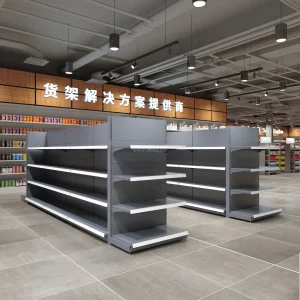
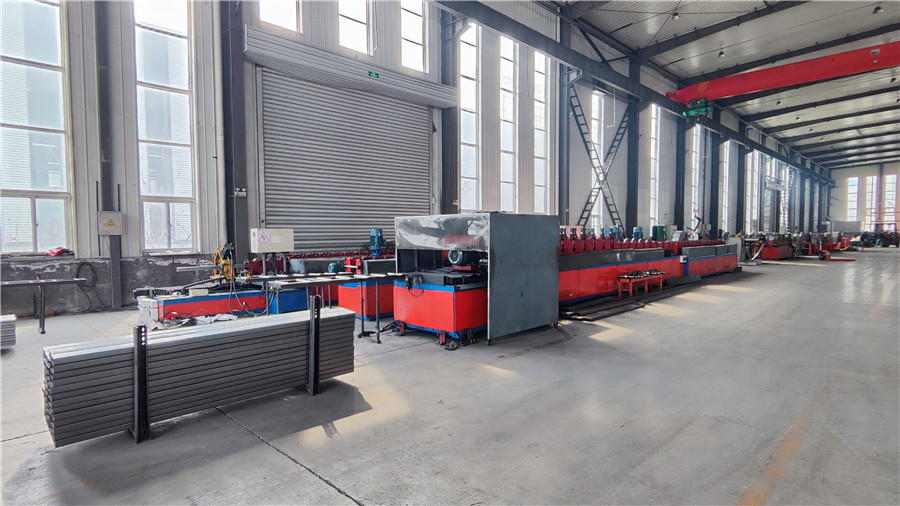
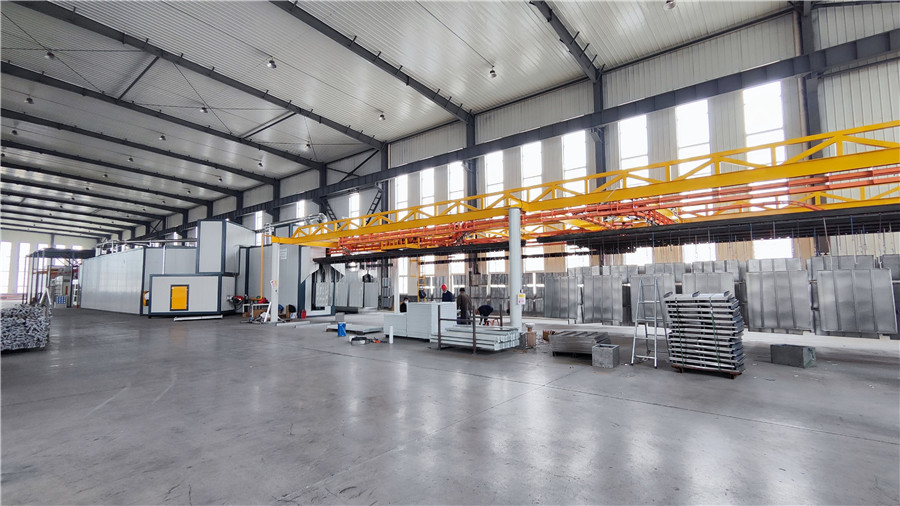
Founded in 2016, Dongguan Dingguan Metal Products Co., Ltd. (DirectRack) is a technology-driven warehouse equipment enterprise located in Dongguan, Guangdong Province. Leveraging 10 years of industry expertise and 8 years of international export background, the company operates a state-of-the-art manufacturing plant covering 25,000 square meters of building area. Our annual export revenue consistently exceeds $18 million USD, supplying premium steel storage systems to worldwide logistics networks.
DirectRack maintains strict quality governance enforced by 28 specialized QC inspectors. Our quality control framework adheres to international AS4084 and OSHA safety standards. Our standard product inspection methods include X-ray weld seam analysis, coating thickness measurement via magnetic gauge, column compression destruction tests, and full-scale beam deflection loading tests to ensure zero-defect delivery.
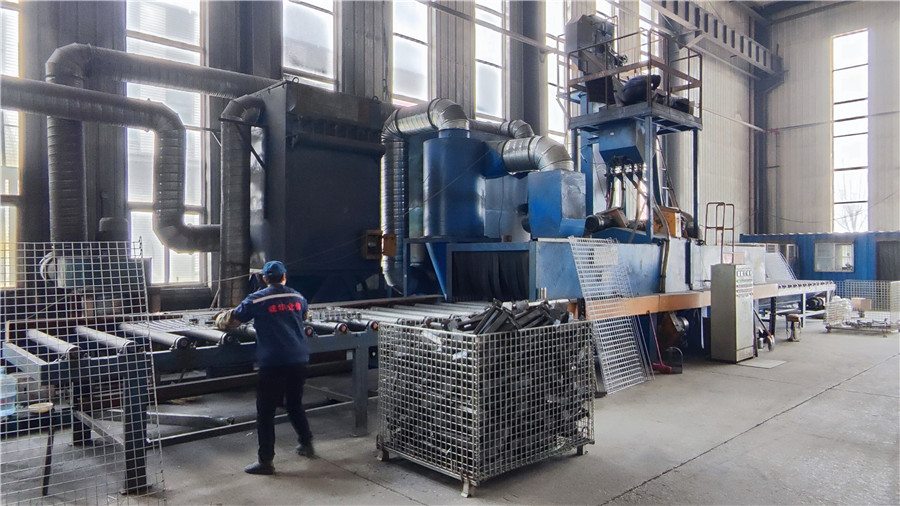
Utilizing a seamlessly integrated OEM/ODM trade background, DirectRack has established strategic alliances with 650 supply chain partners across raw steel sourcing and automated surface treatment industries. Our primary export markets include Southeast Asia, the Middle East, and South America. Our main client types range from retail distribution facilities and automotive parts warehouses to commercial FMCG wholesale hubs.
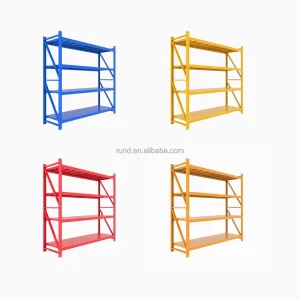
Innovation is at the core of our business model. Spearheaded by 35 senior R&d engineers, DirectRack provides dynamic structural calculation models and fully bespoke modular storage designs. Our custom options feature customizable shelf depth/height ratios, multi-tier mezzanine configurations, anti-seismic bracing, and custom RAL color palettes. In the previous year, we successfully introduced 42 new product designs to meet evolving automated warehouse demands.
The global industrial shelving and warehouse racking sector represents the physical backbone of the international supply chain. Valued at over USD 10.5 billion, the market continues to expand under the pressure of rapid e-commerce penetration, containerized shipping dynamics, and high-density inventory protocols. Across regional markets—specifically within North America, Western Europe, and Asia-Pacific—warehouse operators face a dual pressure: optimizing horizontal footprint while scaling vertical space limits.
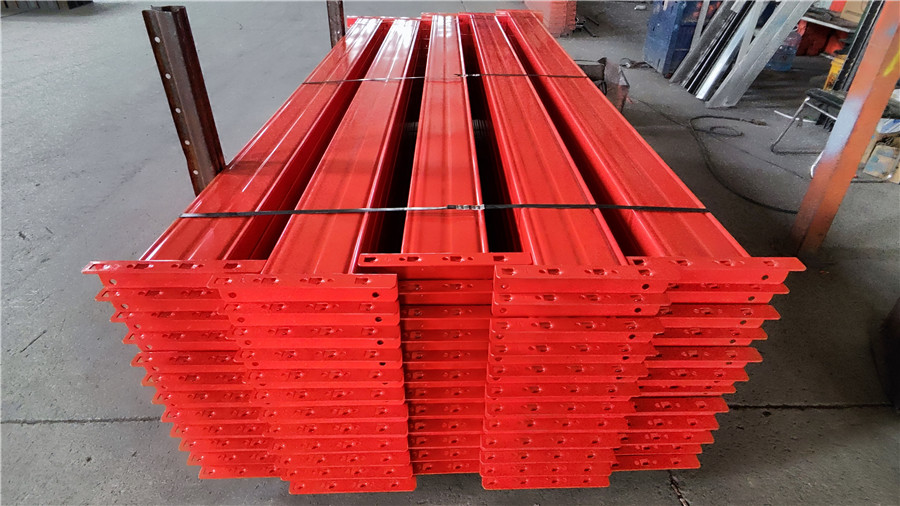
The transition toward micro-fulfillment centers in highly populated urban nodes has altered traditional racking configurations. Heavy-duty structures are no longer viewed merely as passive iron frames; they are now engineered dynamically as modular structural frameworks designed to integrate seamlessly with robotic systems. Exporters from APAC hubs, particularly regions like Guangdong, have leveraged advanced metalwork ecosystems to deliver high-quality, cost-competitive structural steel racks. These systems satisfy demanding structural criteria (such as yield strengths of Q235B and Q355B steel) that are crucial for high-risk seismic zones.
Modern industrial racking is undergoing a paradigm shift driven by technological convergence. Key trends include:
Traditional static racking is increasingly replaced by Automated Storage and Retrieval Systems (ASRS). These setups demand extremely low tolerances—often less than ±1.5mm deflection limits over long spans. Flatness and structural rigidity must meet stringent FEM (Fédération Européenne de la Manutention) 10.2.02 codes.
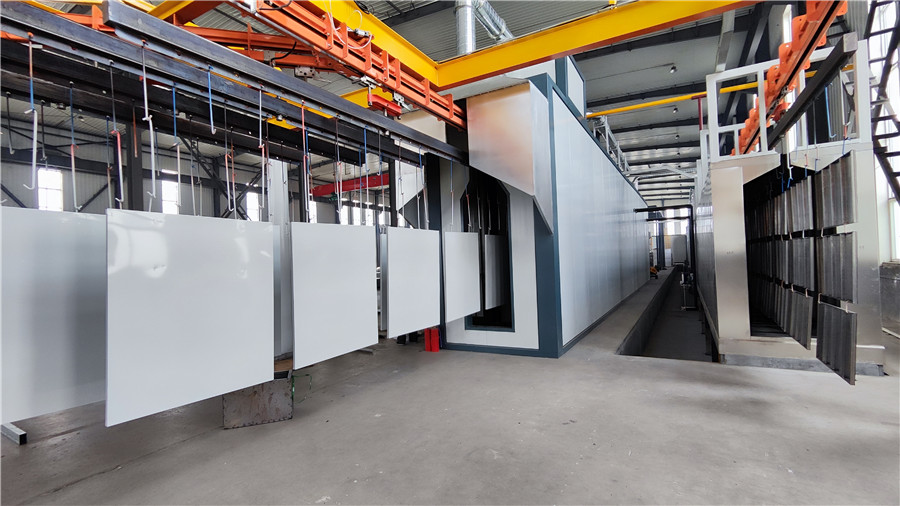
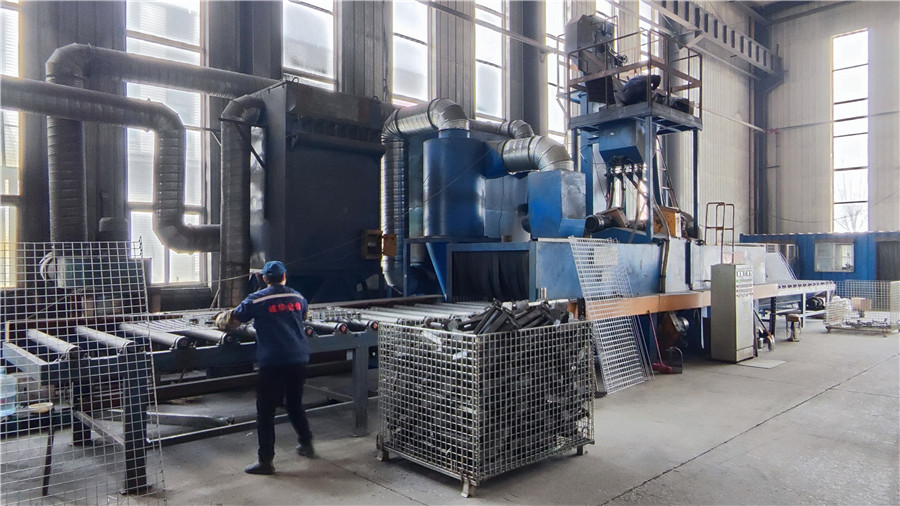
Compliance with international environmental benchmarks has pushed leading exporters to shift toward lead-free, low-VOC electrostatic powder coatings. Corrosion resistance under high-humidity environments (determined by ASTM B117 salt spray testing standards reaching 500+ hours) is a major requirement for global distribution clients.
Earthquake-prone regions like Chile, Peru, and parts of the Middle East mandate structural analysis certified by RMI (Rack Manufacturers Institute) and AS4084 standards. Anti-seismic base plates, custom brace profiles, and heavy-duty frame configurations are dynamically modeled before fabrication to prevent progressive collapse under lateral load stresses.
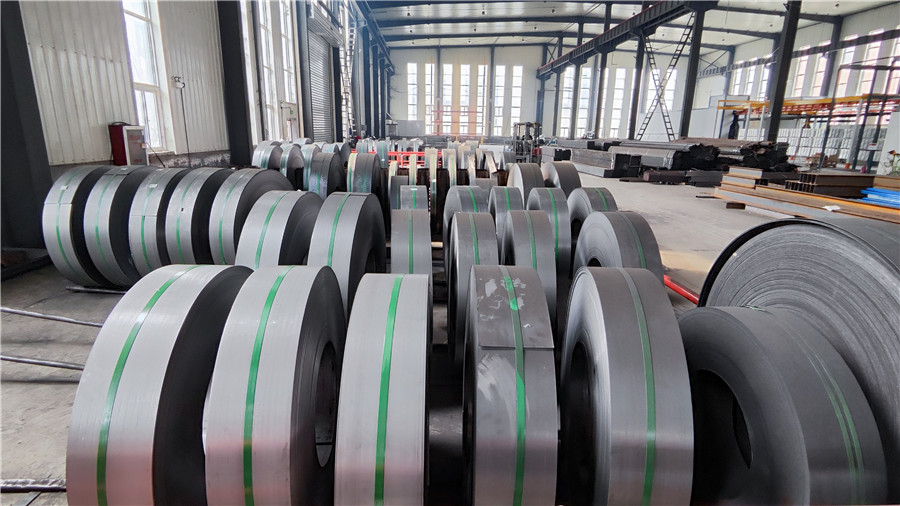
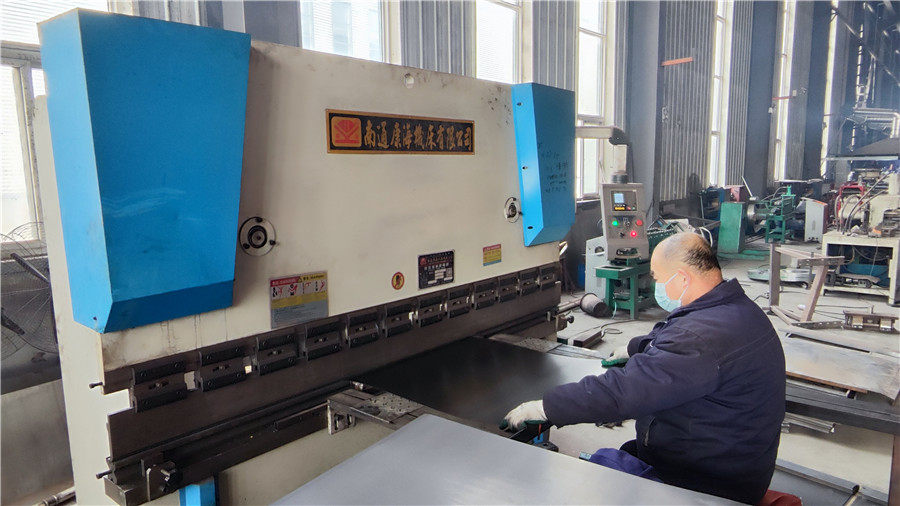
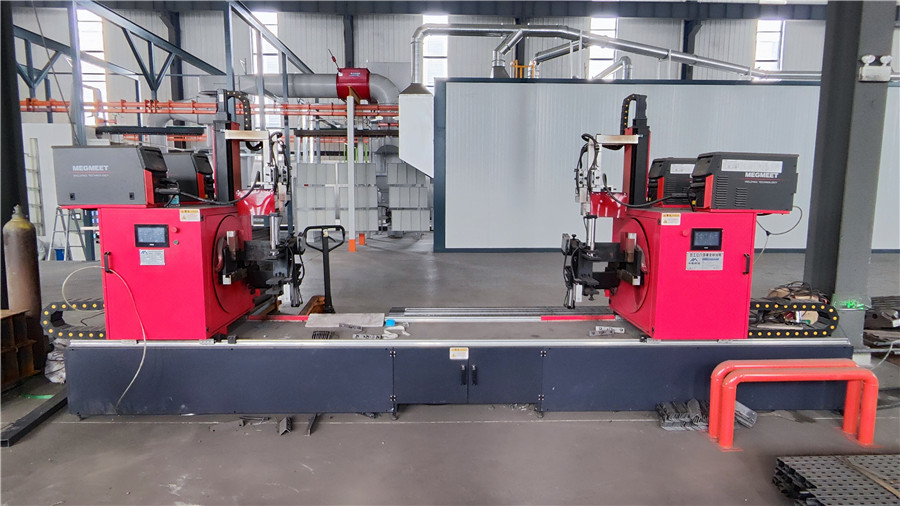
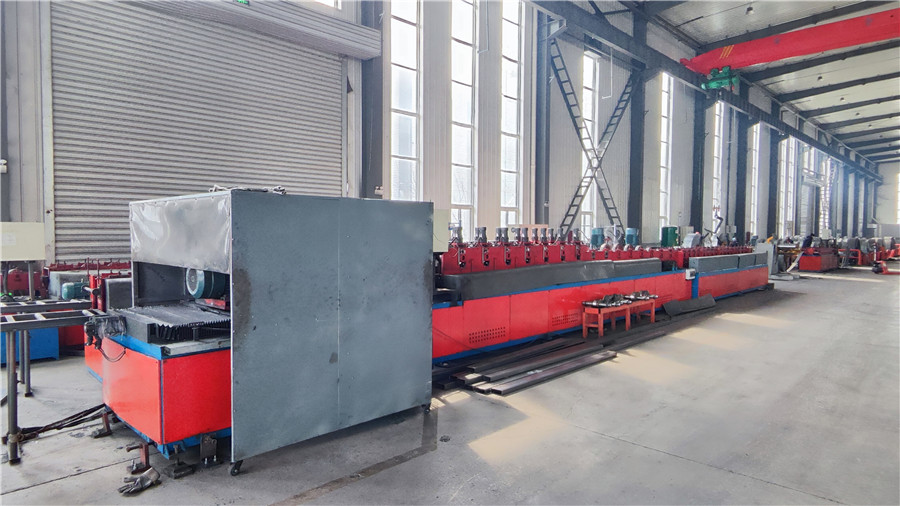
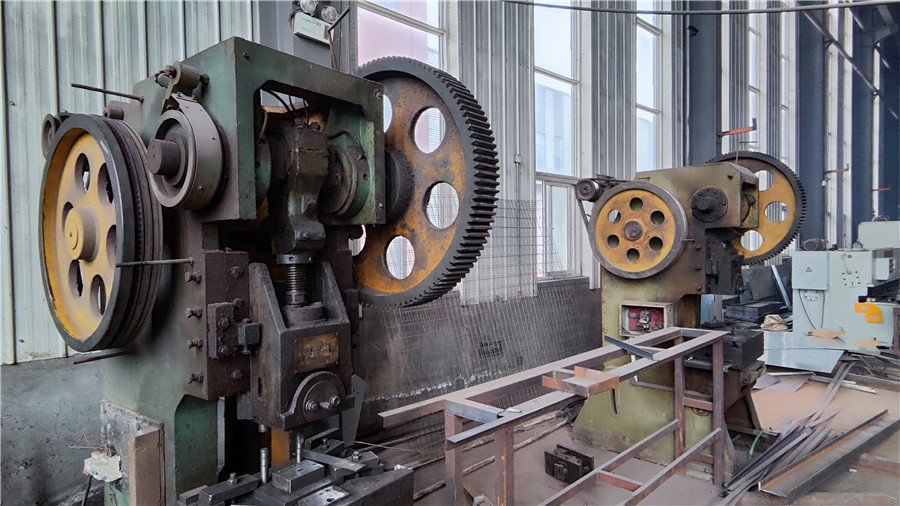
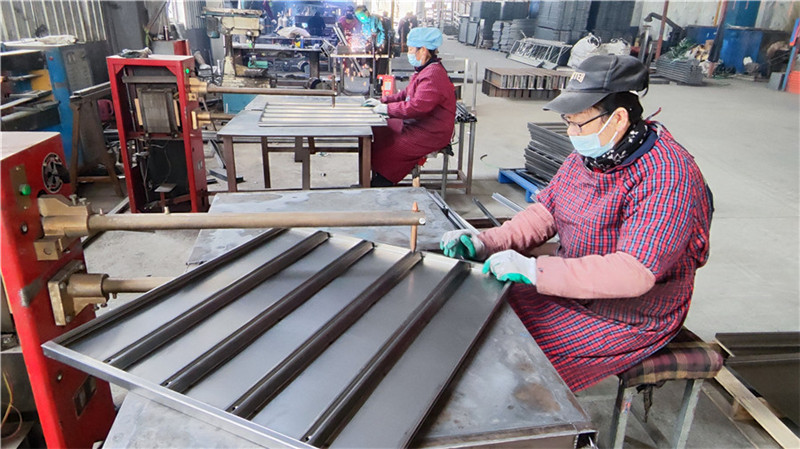
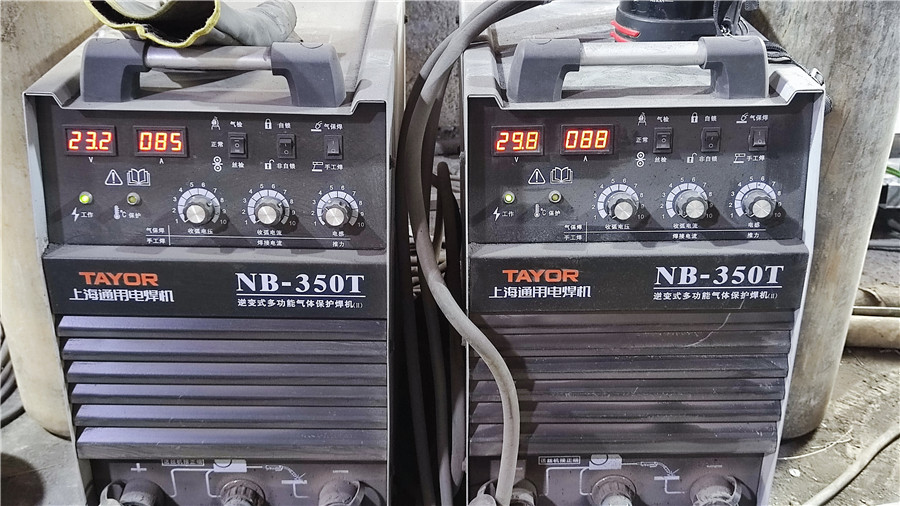
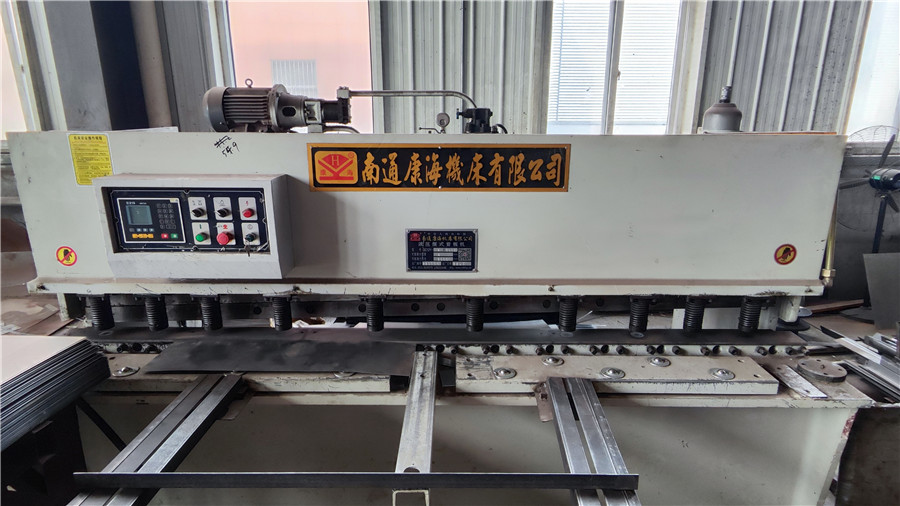
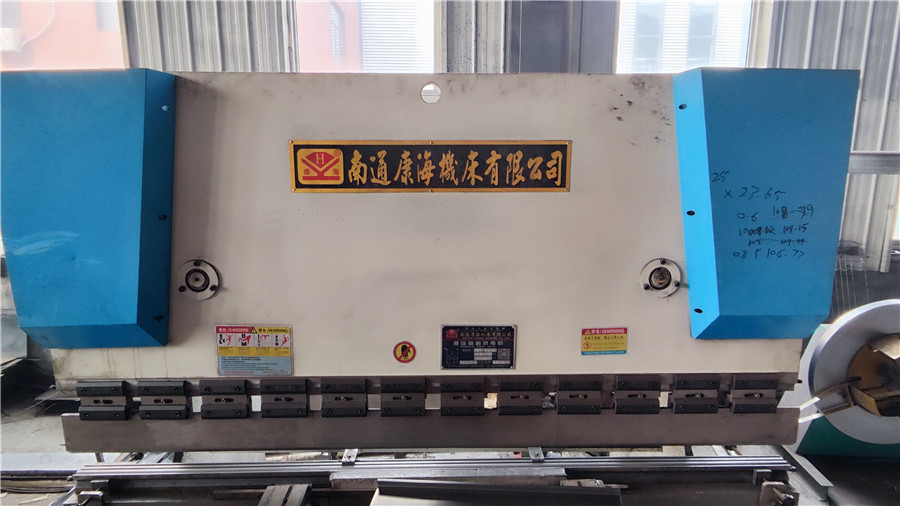
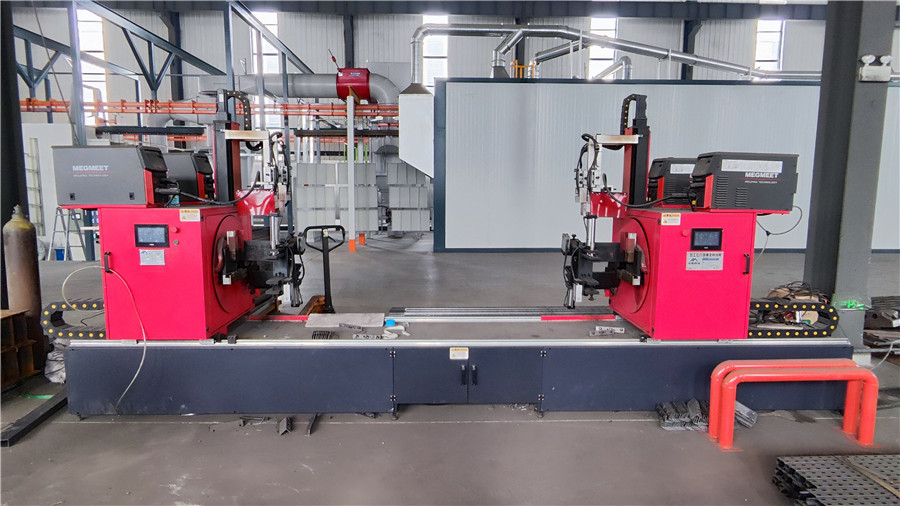
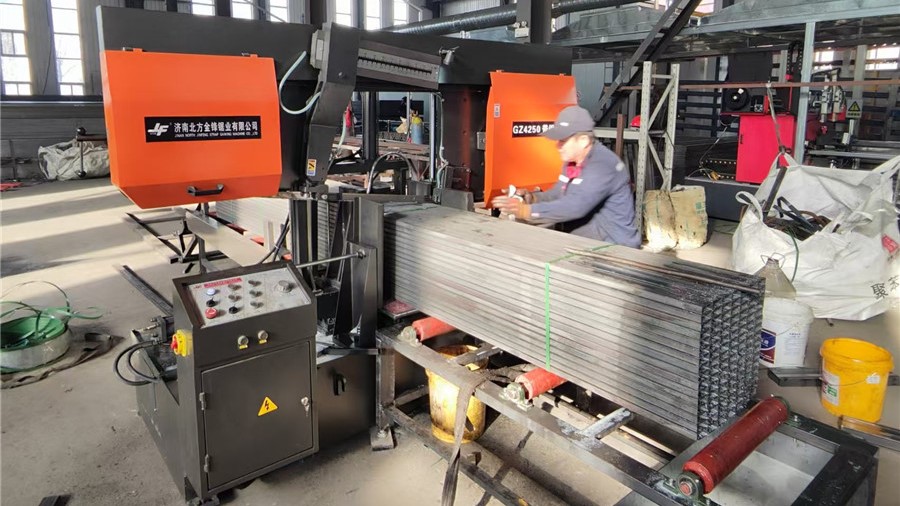
Developing highly reliable racking systems requires a comprehensive testing regime. High-grade raw material coil feeds are monitored using spectral analysis to ensure consistent carbon and manganese composition. DirectRack's engineering division models load stresses using Finite Element Method (FEM) software. The fabrication cycle uses automatic multi-point welding lines that guarantee uniform throat thickness on connector clips, eliminating cold weld defects.
Future technological milestones focus on the development of smart racking columns embedded with strain gauge sensors. These real-time structural health monitoring networks report excessive column deflections or accidental forklift impact signals directly to a Central Warehouse Management System (WMS). This mitigates catastrophic storage failures and enhances onsite occupational health safety.
 DirectRack