DirectRack
1. Executive Summary & Semantic Architecture of Modular Racking
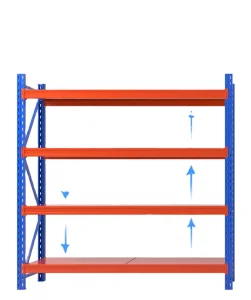
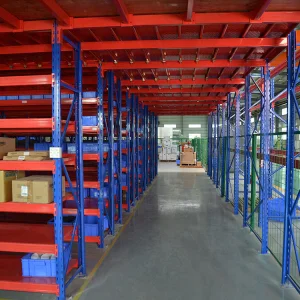
In modern industrial logistics, supply chain infrastructure, and commercial retail environments, modular racking systems represent the fundamental structural backbone enabling spatial optimization and rapid inventory turnover. Unlike legacy fixed structural welded frames, modular racking relies on standardized, cold-rolled steel profiles engineered for inter-connective versatility. This structural architecture allows warehouse managers, distribution hubs, and hypermarkets to dynamically reconfigure horizontal shelf elevations, vertical bay expansions, and structural payload tolerances without structural downtime.
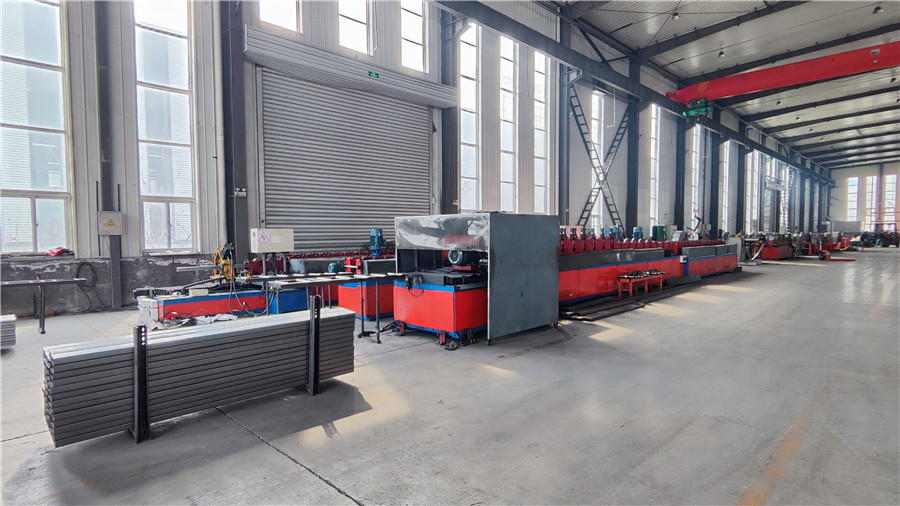
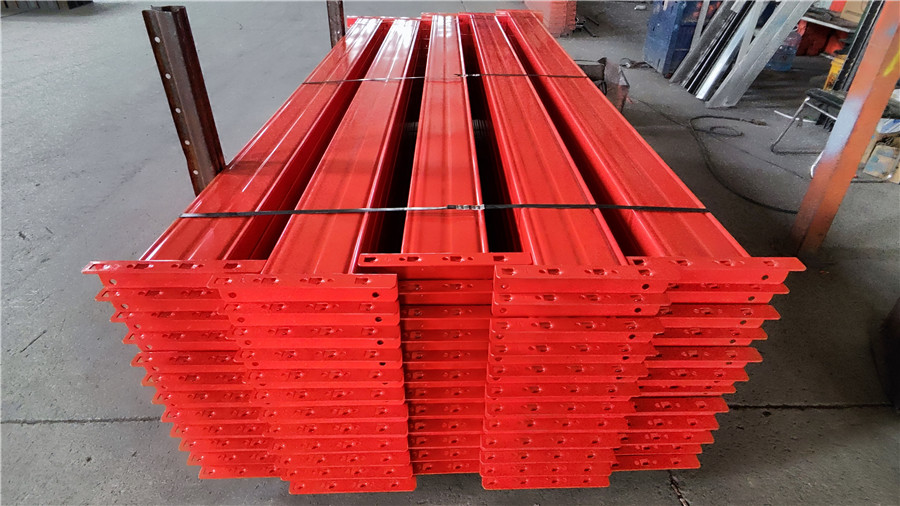
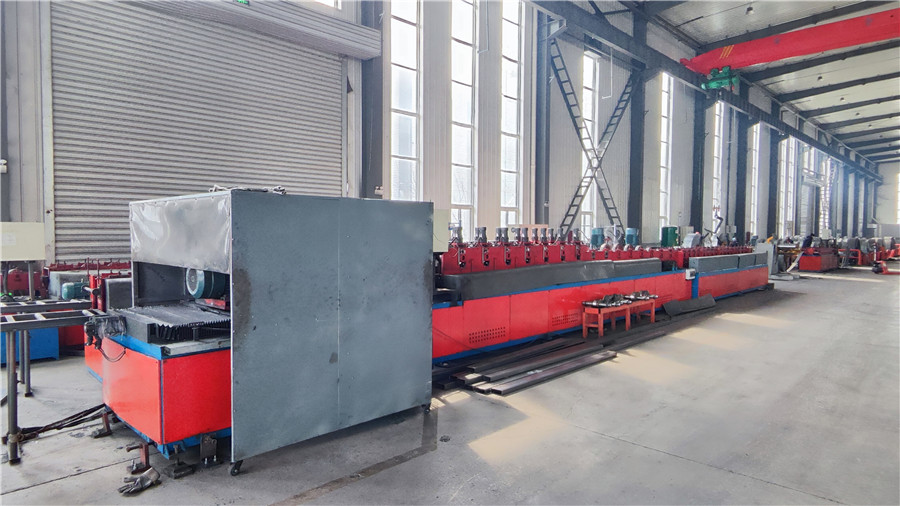
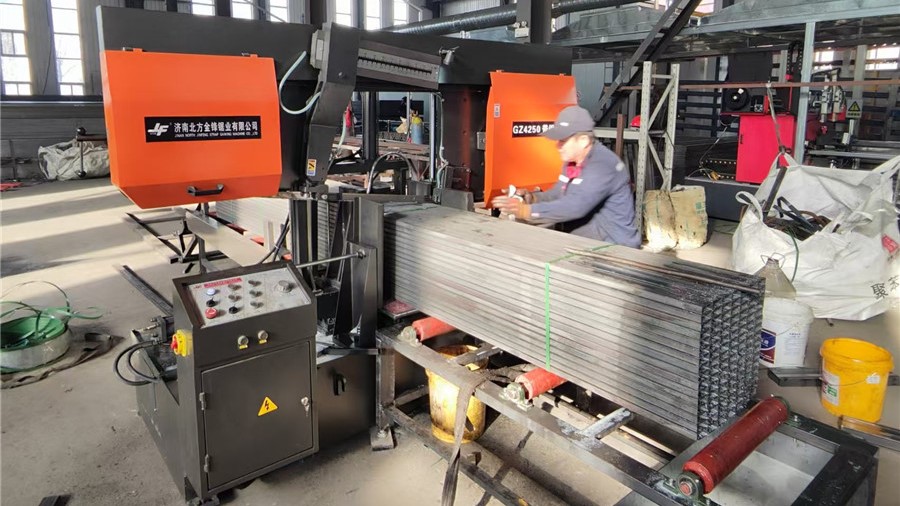
From an engineering perspective, modern modular racking leverages high-tensile cold-rolled steel (specifically Q235B and high-yield Q355B grades), formed via multi-pass roll-forming processes. The structural integrity depends heavily on optimized connection geometry—such as teardrop, keyhole, or multi-hook beam connector patterns—that utilize gravitational locking mechanisms supplemented by safety locking pins. This eliminates structural shearing under dynamic forklift impact and cyclic payload loading.
Technical Insight: Information Gain analysis reveals that top-tier logistics operators prioritize standard compliance (such as AS4084-2012 in Australasia and FEM 10.2.02 in Europe) over sheer weight capacity. Structural rigidity under dynamic deflections (L/200 standard) forms the primary benchmark for selecting modular racking vendors in automated fulfillment hubs.
2. Technology Roadmap & Future Outlook (2025–2030)
The global storage equipment sector is undergoing a rapid transition toward digital integration and high-density automation. Manufacturers of modular racking must evolve beyond static load-bearing steel components toward dynamic structural ecosystems that interface with Automated Storage and Retrieval Systems (AS/RS), Autonomous Mobile Robots (AMRs), and Warehouse Execution Systems (WES).
AS/RS Structural Integration
Transitioning from manual rack assembly to ultra-precise tolerance cold-formed upright profiles capable of supporting high-speed automated crane guiderails up to 40 meters in height.
IoT Sensorized Racking
Integration of strain gauges and optical sensors into critical load-bearing crossbeams to transmit real-time deflection data, structural fatigue warnings, and weight distribution analytics to cloud dashboards.
Sustainable Coating Tech
Adoption of low-energy, zero-VOC thermosetting powder coatings and heavy-metal-free passivation treatments that deliver 1,000+ hours of salt-spray resistance while reducing manufacturing carbon footprints.
3. Macro Industry Solutions & Sector-Specific Deployments
Modular racking is not a single-product category; rather, it is a multi-disciplinary structural system tailored to specialized vertical applications:
- Automotive Parts Logistics: Utilizes heavy-duty crossbeam racks fitted with custom wire mesh decking, dynamic gravity flow beds, and tire storing modules capable of enduring high-density point loads up to 4,000 kg per level.
- E-Commerce & FMCG Warehousing: Requires multi-tier mezzanine platforms integrated with modular shelf units, pick-to-light systems, and automated spiral chutes to manage thousands of active SKUs with micro-fulfillment speeds.
- Cold Chain Storage Systems: Demands specialized hot-dip galvanized (HDG) or heavy-zinc coated modular profiles designed to withstand sub-zero conditions (-30°C) without experiencing hydrogen embrittlement or surface delamination.
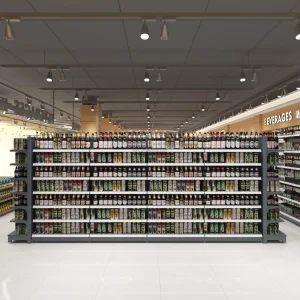
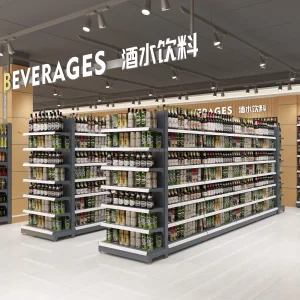
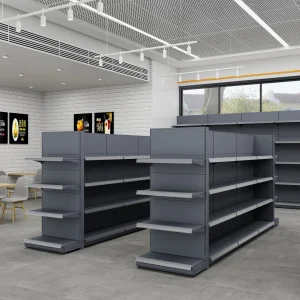
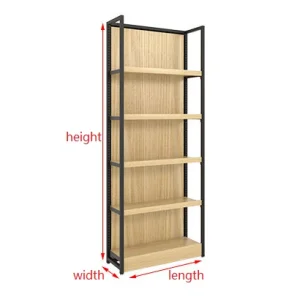
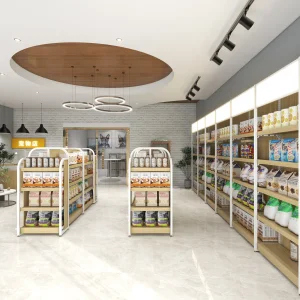
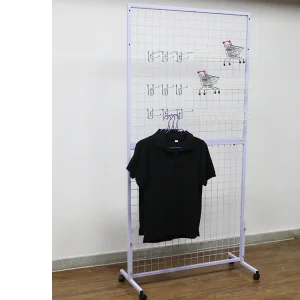
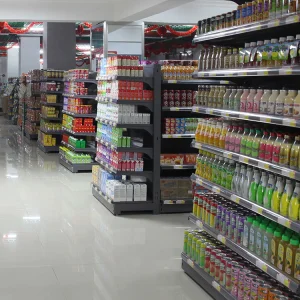
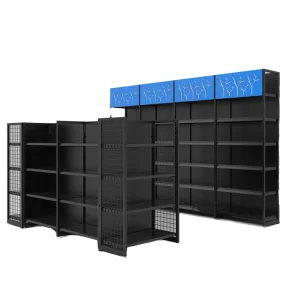
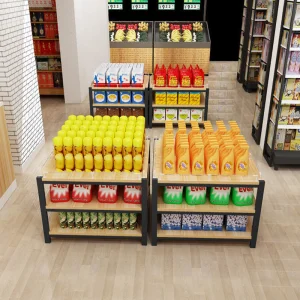
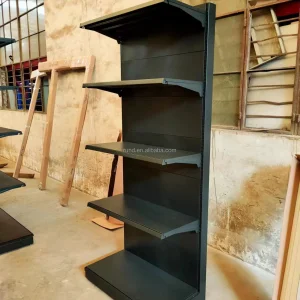
- Retail Store & Hypermarket Display Systems: Incorporates dual-sided metal and wood gondolas, promotional stack racks, and heavy-duty center-island units designed to combine high aesthetic appeal with high structural load-bearing capacity (85 kg to 150 kg per tier).
4. Structural & Material Engineering Comparison Matrix
To assist procurement teams and structural engineers in evaluating modular storage solutions, the following table provides a structural comparison between primary modular racking engineering typologies:
| Racking Architecture | Typical Material Grade | Load Capacity Range | Key Advantages | Primary Application |
|---|---|---|---|---|
| Selective Heavy-Duty Pallet Rack | Q235B / Q355B Cold Rolled Steel | 1,000 kg – 4,500 kg / Tier | 100% pallet accessibility, modular beam adjustment (75mm pitch), low cost per pallet spot. | Bulk warehousing, third-party logistics (3PL), automotive distribution. |
| Drive-In / Drive-Thru Racking | Structural Q235B Cold Formed Steel | 1,000 kg – 1,800 kg / Pallet | High-density space utilization (up to 85% footprint efficiency), ideal for uniform batch storage. | Cold storage, food & beverage wholesale, seasonal stock holding. |
| Multi-Tier Mezzanine Platform | Q235B Steel Decking & Hollow Sections | 300 kg – 1,000 kg / m² Floor Load | Doubles or triples vertical floor space utilization, integrates staircases and lifts. | E-commerce order picking centers, spare parts repositories, retail fulfillment. |
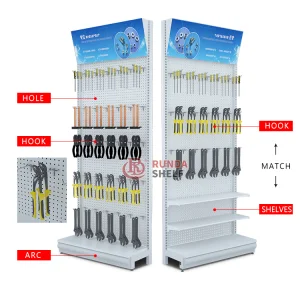
| Retail Store Gondola Racking | Cold Rolled Steel & Premium Laminate | 50 kg – 150 kg / Layer | Modular pegboards, toolless shelf positioning, aesthetic RAL powder coatings. | Supermarkets, hardware stores, mother-and-baby retail chains, pharmacy hubs. |
5. China Industry 4.0: Dongguan Supply Chain Resilience & Manufacturing Edge
Dongguan, located at the core of China's Pearl River Delta industrial cluster, serves as a premier international hub for advanced metal fabrication and storage equipment manufacturing. The region's dense industrial supply ecosystem provides unparalleled structural advantages for global enterprise procurement:
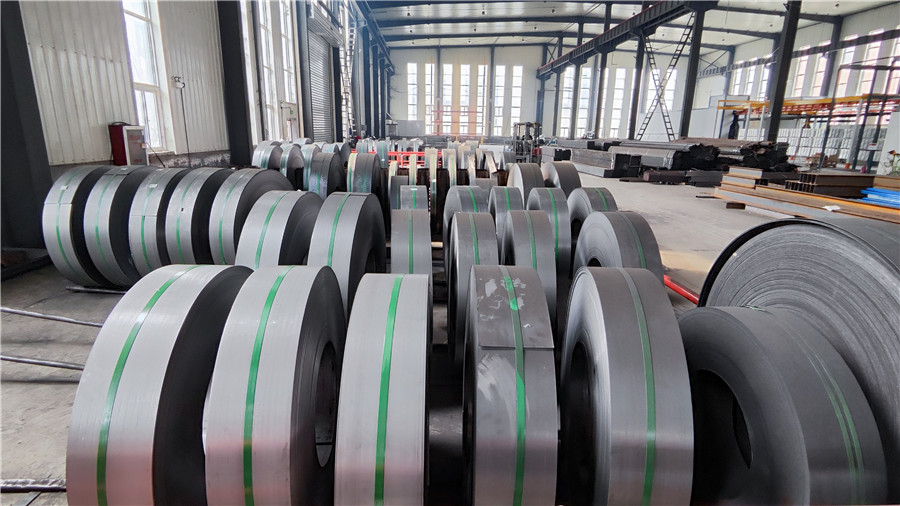
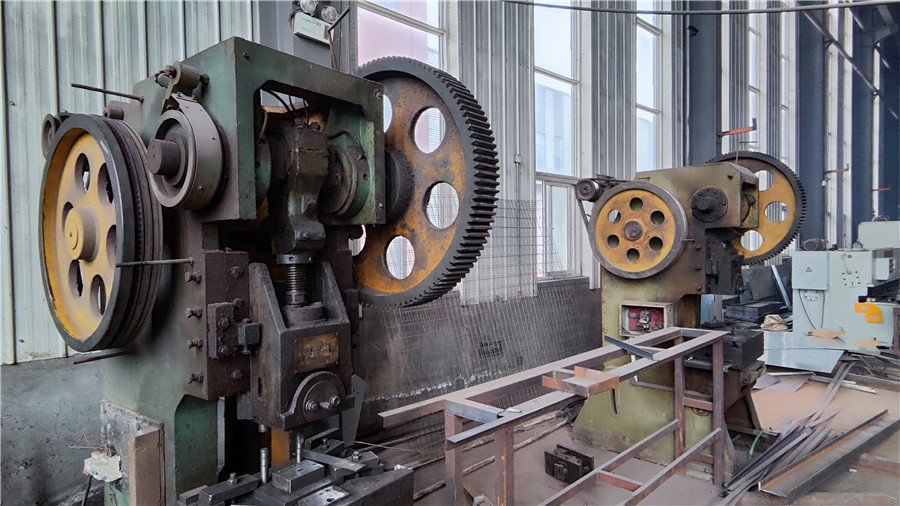
By leveraging immediate access to top-tier domestic steel mills (such as Baosteel and Shougang Group), manufacturing clusters in Dongguan achieve raw steel batch consistency, strict metallurgical traceability, and reduced material acquisition lead times. Furthermore, the localized presence of specialized surface treatment, automated toolings, and high-speed stamping vendors ensures that full-scale OEM/ODM projects move from engineering drawing approval to container loading rapidly.
6. Enterprise Profile: Dongguan Dingguan Metal Products Co., Ltd. (DirectRack)
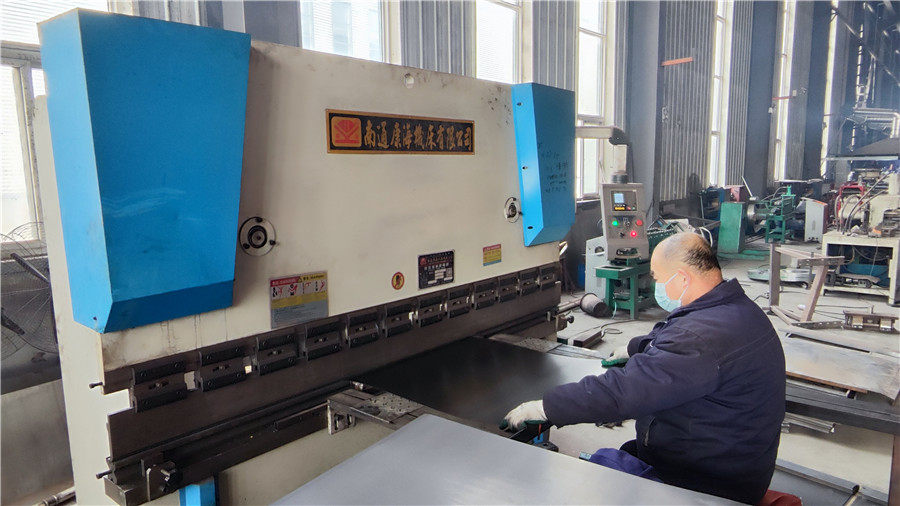
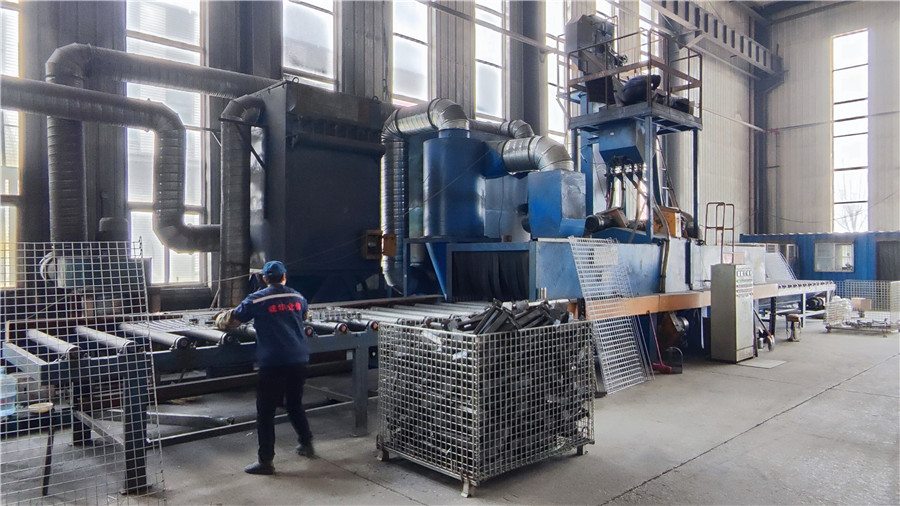
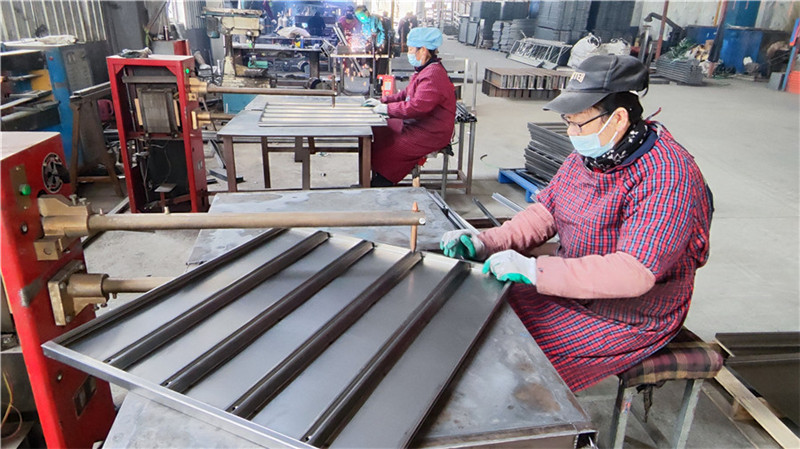
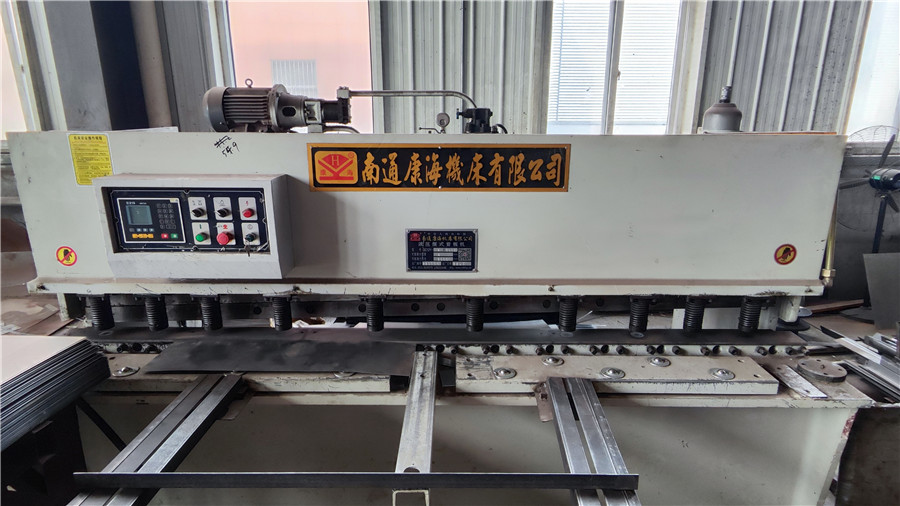
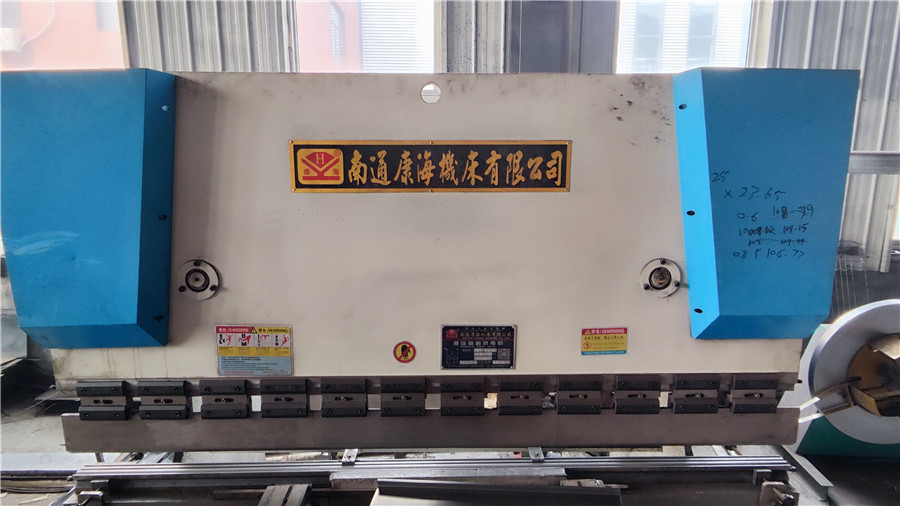
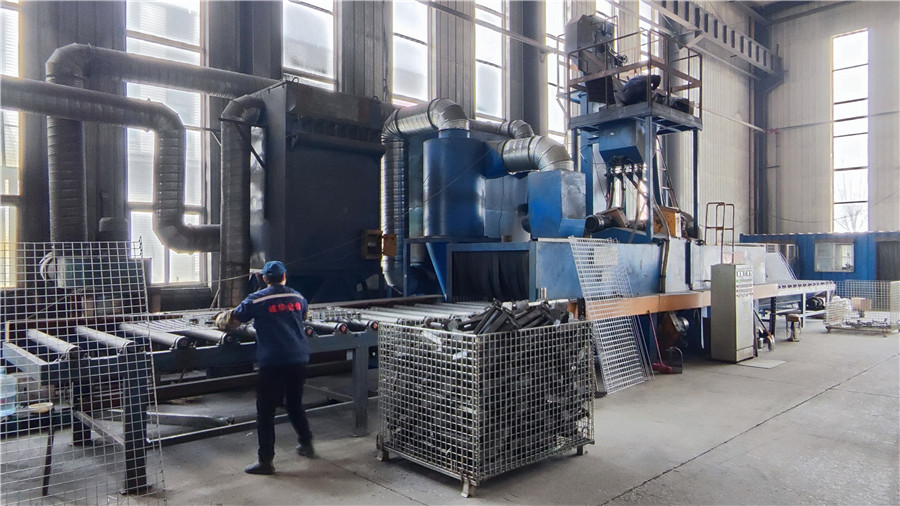
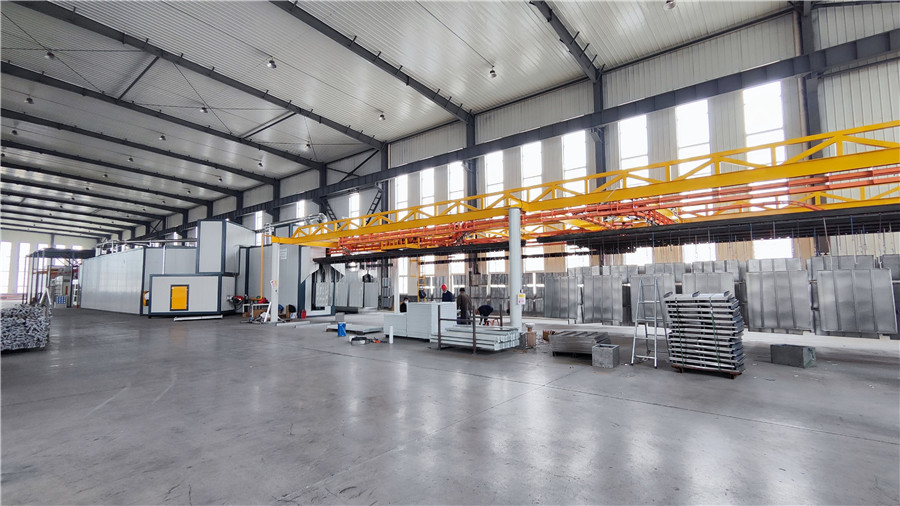
Founded in 2016, Dongguan Dingguan Metal Products Co., Ltd. (DirectRack) stands as a technology-driven, high-precision storage equipment enterprise based in Dongguan, Guangdong Province. Built upon 10 years of deep industry expertise and 8 years of global export leadership, DirectRack operates a modern manufacturing complex spanning over 25,000 square meters of state-of-the-art building space.
The company maintains a steady annual export revenue exceeding $18 million USD, supplying heavy-duty racking, industrial mezzanines, and specialized commercial display equipment to enterprise logistics networks worldwide. Primary export markets span Southeast Asia, the Middle East, South America, North America, and Europe, servicing diverse client sectors including retail distribution facilities, automotive parts warehouses, and commercial FMCG wholesale hubs.
Quality Governance & Testing Infrastructure
DirectRack enforces comprehensive quality controls through a dedicated team of 28 specialized Quality Control (QC) inspectors. All production workflows adhere strictly to international safety standards, including Australian Standard AS4084 and North American OSHA regulatory requirements. Standard operational quality testing protocols include:
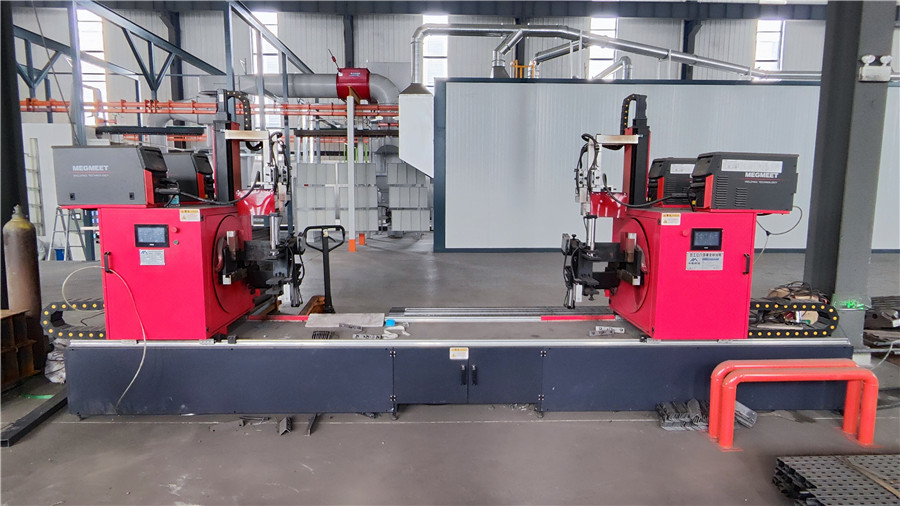
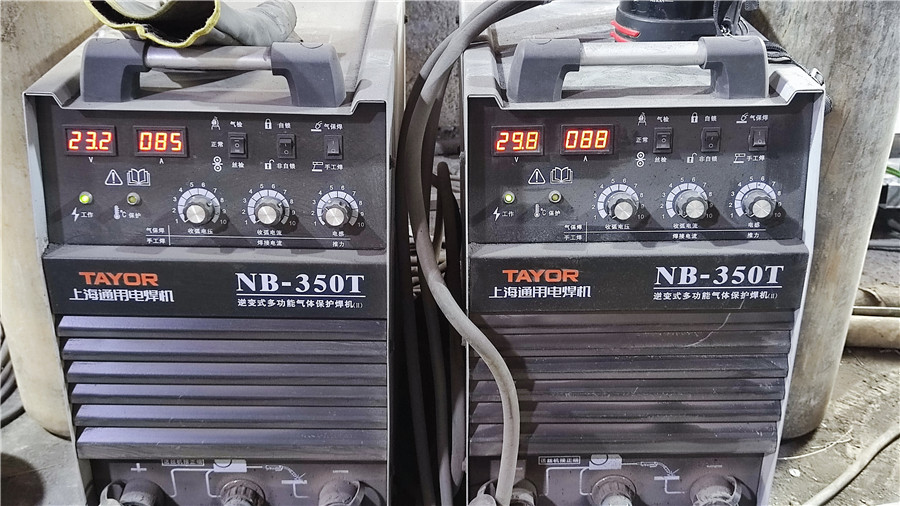
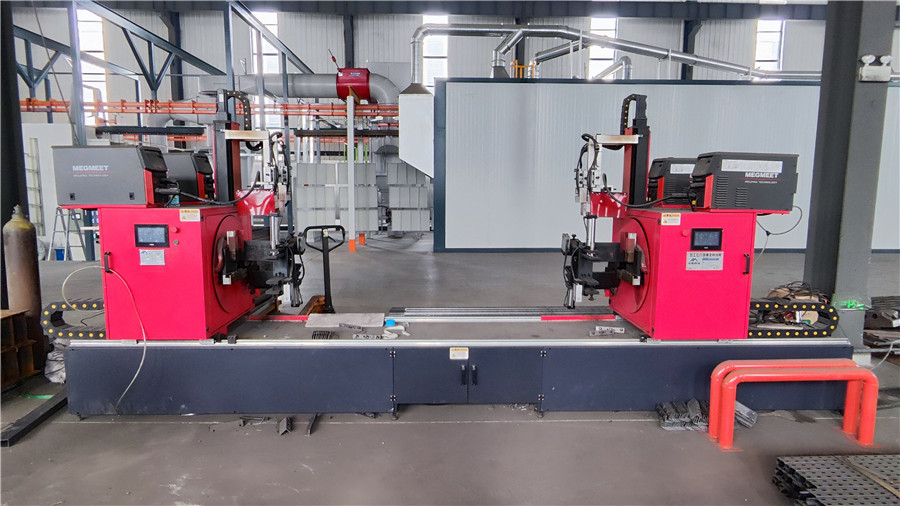
- X-Ray Weld Seam Ultrasonic Analysis: Ensures structural penetration and defect-free robotic welds across critical beam-connector brackets.
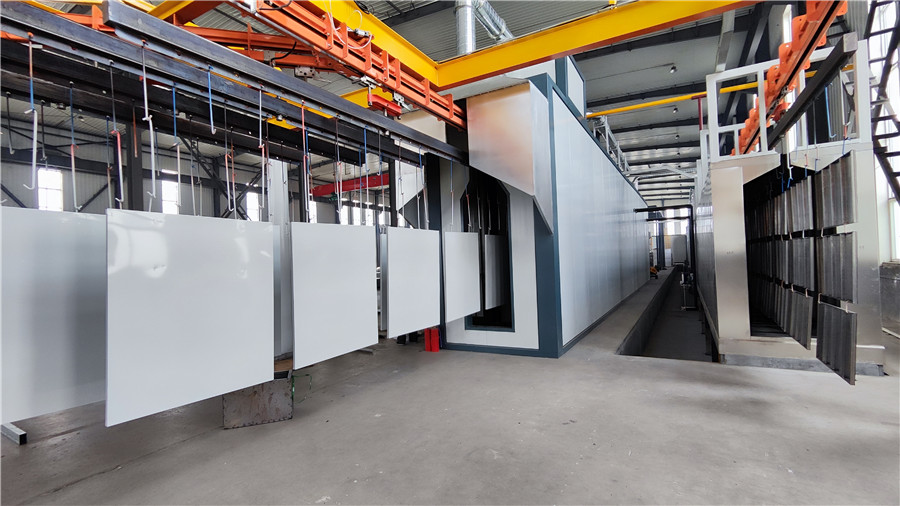
- Magnetic Coating Gauge Thickness Verification: Guarantees uniform 60–90 micron powder-coat deposition for anti-corrosion protection.
- Column Compression & Destruction Testing: Verifies actual buckling limits under extreme vertical compressive loads.
- Full-Scale Beam Deflection Loading Tests: Validates beam deflection within safety limits under 125% maximum rated load capacities.
R&D Innovation & Bespoke Customization
Structural innovation is central to DirectRack’s enterprise growth. Led by a team of 35 senior R&D structural engineers, DirectRack utilizes dynamic Finite Element Analysis (FEA) software to perform structural load calculations, anti-seismic bracing modeling, and custom geometry simulations. Key OEM/ODM customization capabilities include custom shelf depth/height ratios, multi-tier mezzanine configurations, specialized anti-seismic structural tie-ins, and full custom RAL palette color schemes. In the past operational year alone, DirectRack successfully engineered and deployed 42 brand-new product structural designs to support automated, modern warehousing needs worldwide.