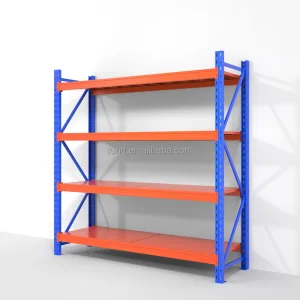
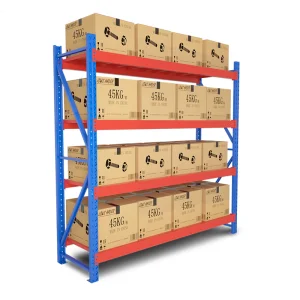
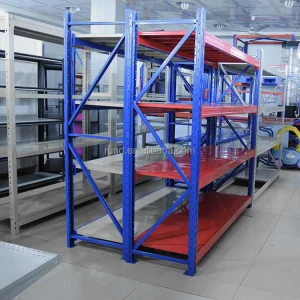
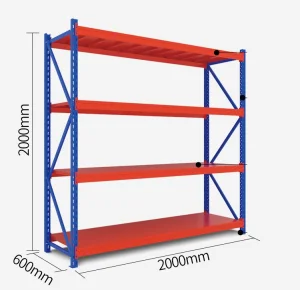
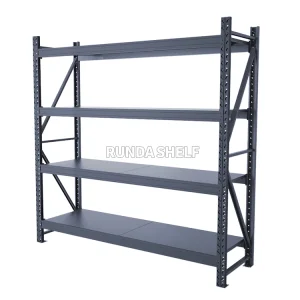
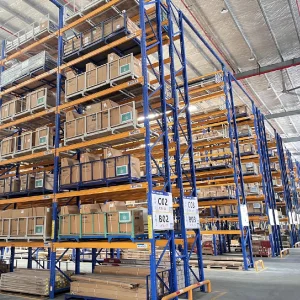
As the primary logistical corridor linking Western and Eastern Europe, the Berlin-Brandenburg metropolitan region has transformed into a critical epicenter for high-performance warehousing, urban fulfillment, and advanced supply chain infrastructure. Logistics hubs such as GVZ Großbeeren, GVZ Schönefelder Kreuz, and the GVZ Berlin-Ost (Freienbrink) are facing unprecedented space constraints. Consequently, the demand for highly optimized, versatile space-saving solutions has surged. Among these configurations, medium-duty warehouse shelves (specifically rated for 100~300KG loads per level) have emerged as the foundational infrastructure required to bridge the gap between heavy structural pallet racking and light-duty shelving systems.
Modern Berlin warehouses, spanning from last-mile e-commerce hubs near Berlin-Mitte to automotive component depots near the Tesla Gigafactory in Grünheide, require rack units that deliver exceptional durability, structural rigidity, and uncompromising safety. This document provides a deep structural analysis of medium-duty shelving engineering, European compliance regulations, and the logistics dynamics that define high-yield procurement strategies.
For industrial shelving to be safely deployed in commercial spaces in Germany, compliance with regional, national, and European regulations is mandatory. Storage structures must withstand dynamic forces, load-distribution discrepancies, and structural fatigue without risk of deformation or collapse. The relevant regulatory framework includes:
Note on Deflection Limits: In accordance with DIN EN 15635, the structural deflection of a shelf beam under its maximum safe working load (uniformly distributed load, UDL) must not exceed L/200, where L represents the length of the span. For a typical 2-meter beam, the vertical deflection must remain under 10 mm to ensure long-term mechanical stability.
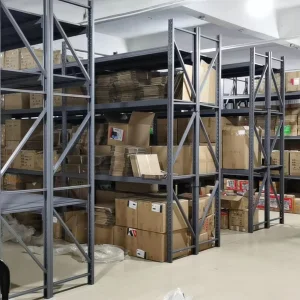
Within dense urban areas like Berlin-Adlershof, micro-fulfillment centers leverage 100-300kg medium-duty shelving to handle small-to-medium bin storage. These racks provide high retrieval density without requiring forklift clearance, supporting rapid picking operations.
With Brandenburg hosting significant automotive assembly facilities, neighboring spare-parts depots require ruggedized, oil-resistant 200kg shelving systems to house heavy suspension assemblies, engine accessories, and custom tooling arrays.
Berlin's healthcare supply networks depend on corrosion-resistant, powder-coated or galvanized boltless racks. These clean-room compatible units tolerate extreme temperature ranges (-30°C to +40°C) without degradation.
Our manufacturing facility, Dongguan Dingguan Metal Products Co., Ltd. (DirectRack), utilizes high-yield strength structural carbon steel (Q235B cold-rolled steel profile) to construct all upright pillars, horizontal beams, and shelf panels. By using high-grade steel, our medium-duty racking systems maintain structural integrity even under continuous load stress.
Through our robust supply chain network of 650 raw material partners and integrated steel processing operations, we eliminate traditional intermediary costs. This allows us to deliver high-capacity industrial shelving to Berlin-based distributors and end-users at competitive rates.
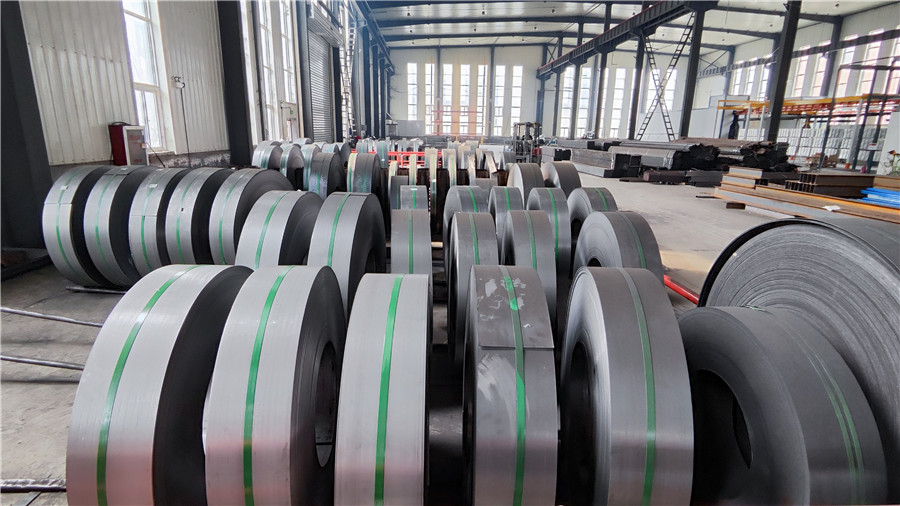
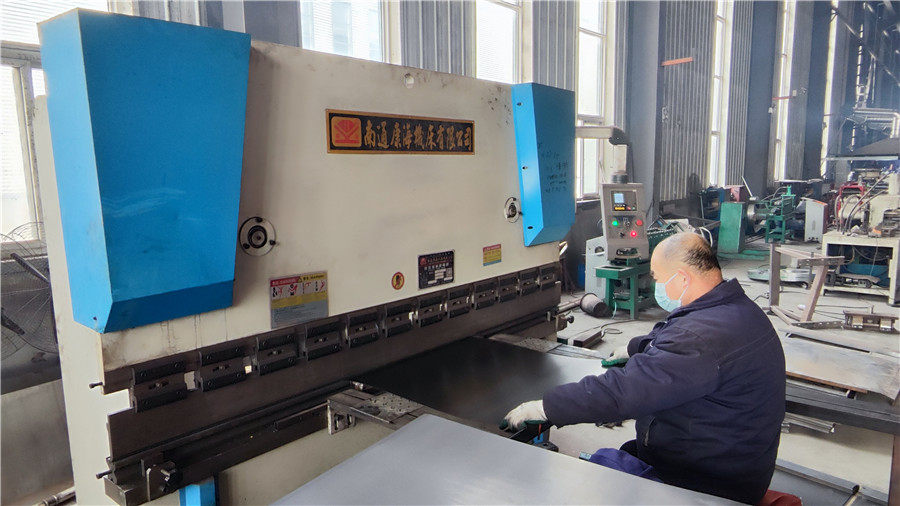
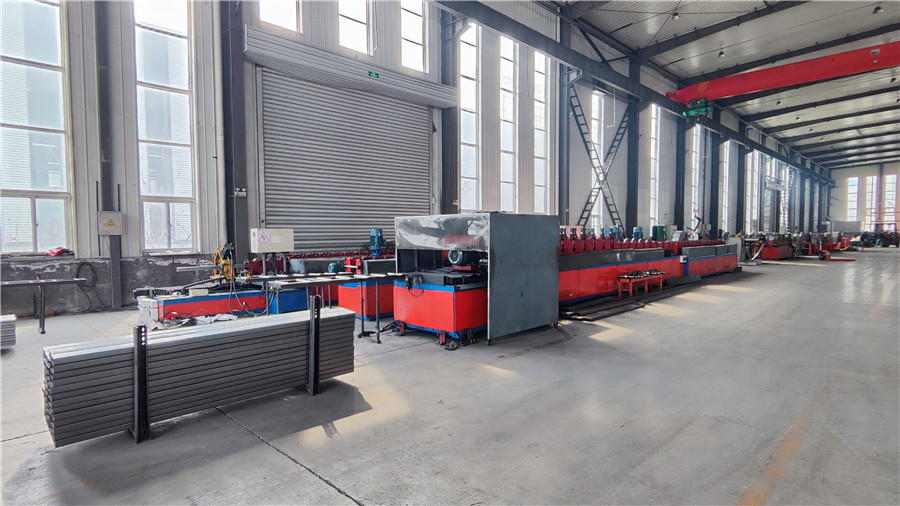
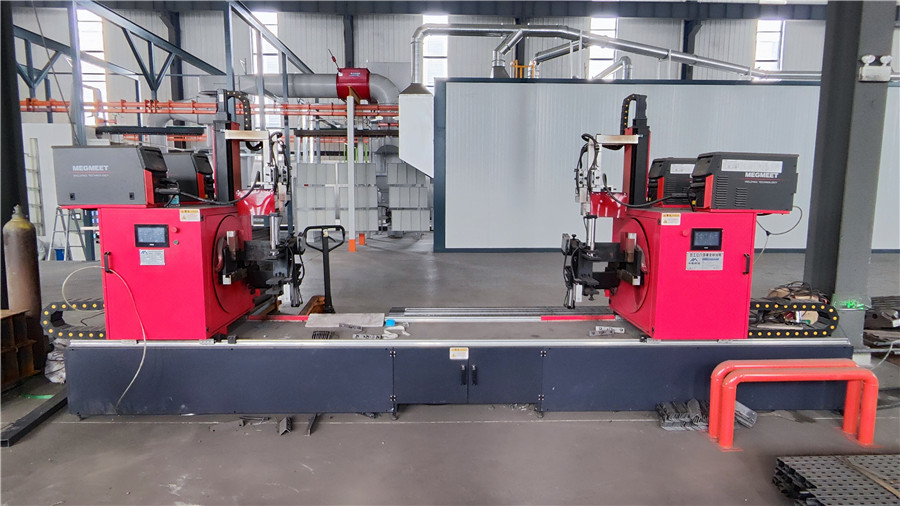
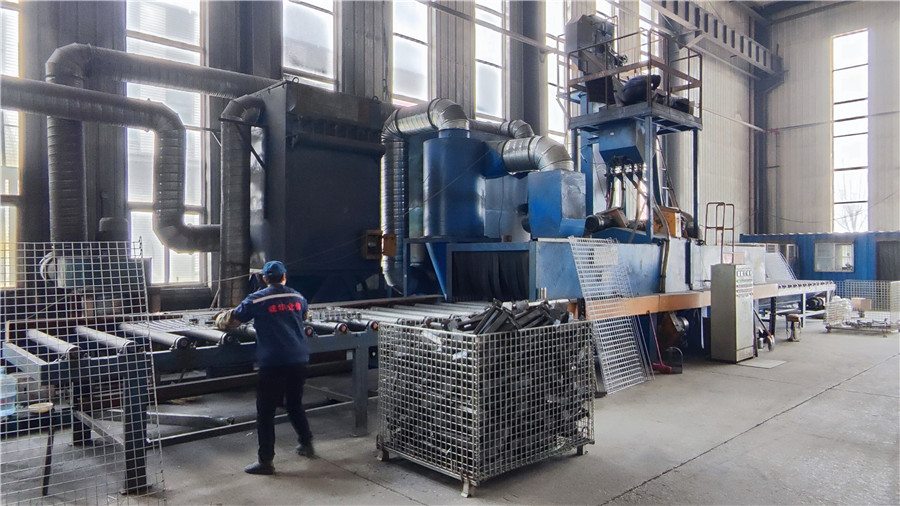
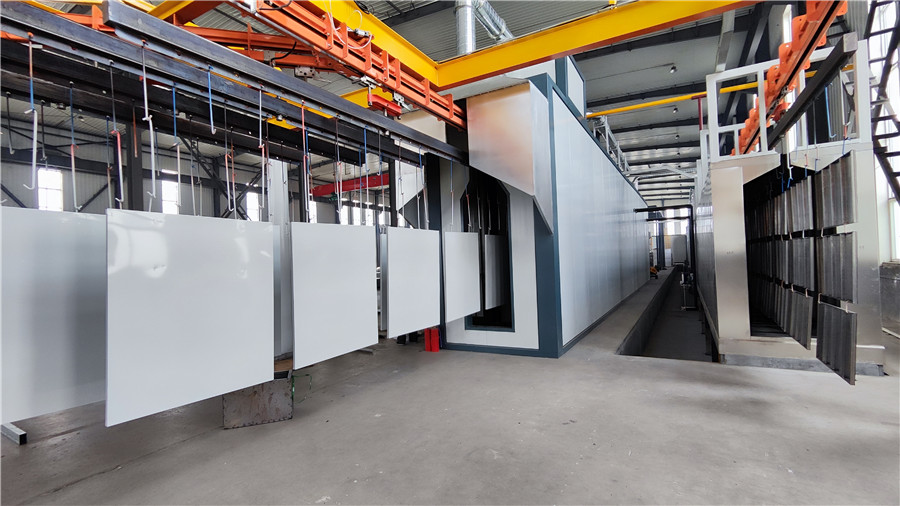
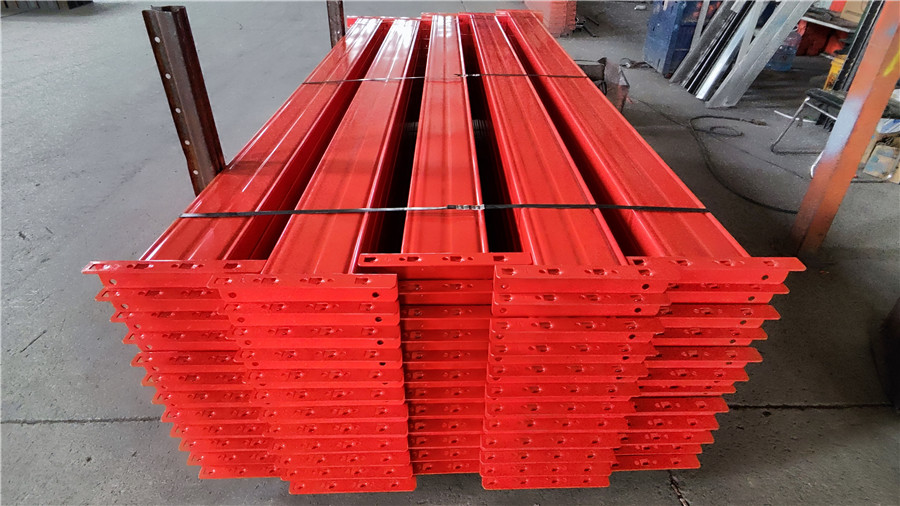
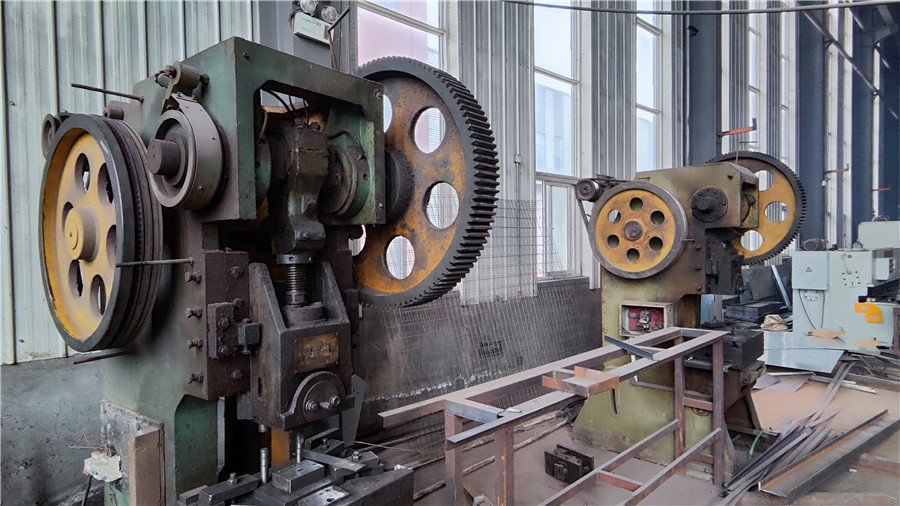
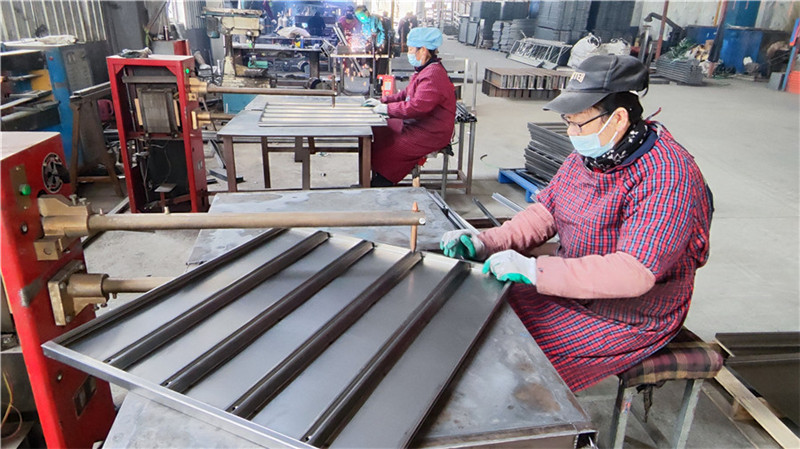
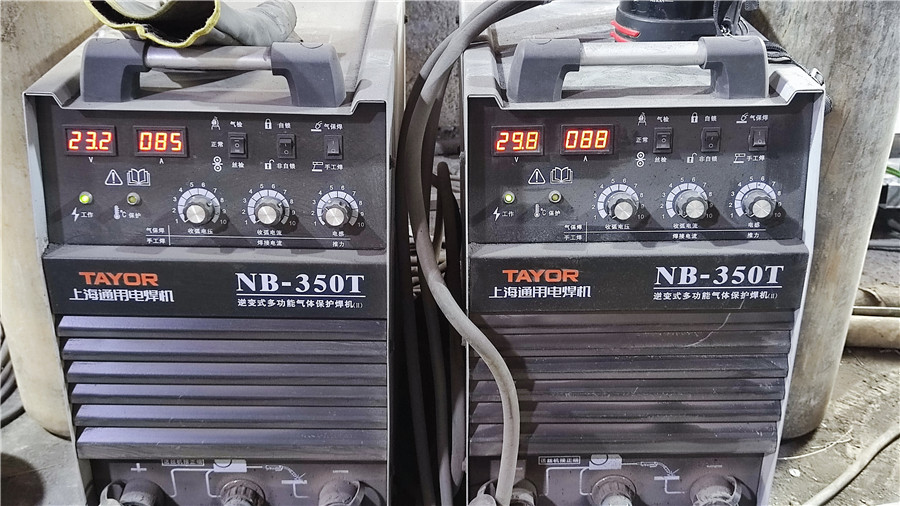
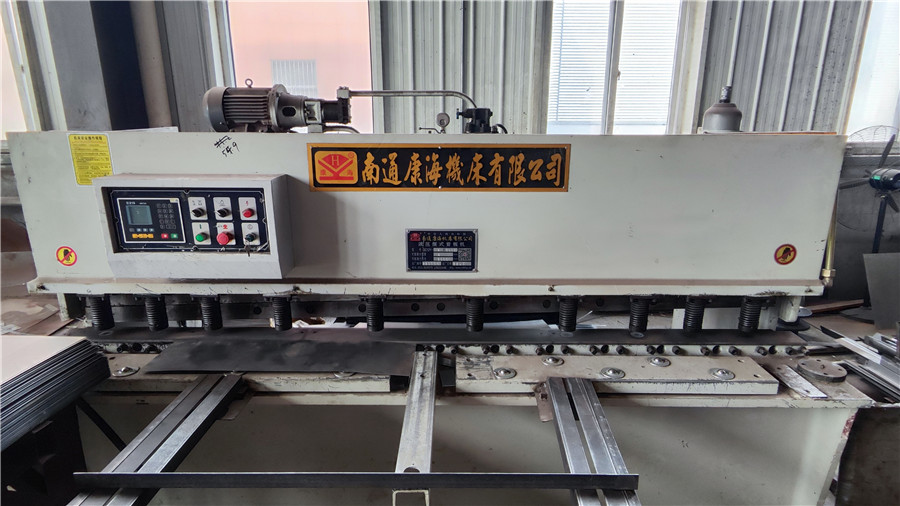
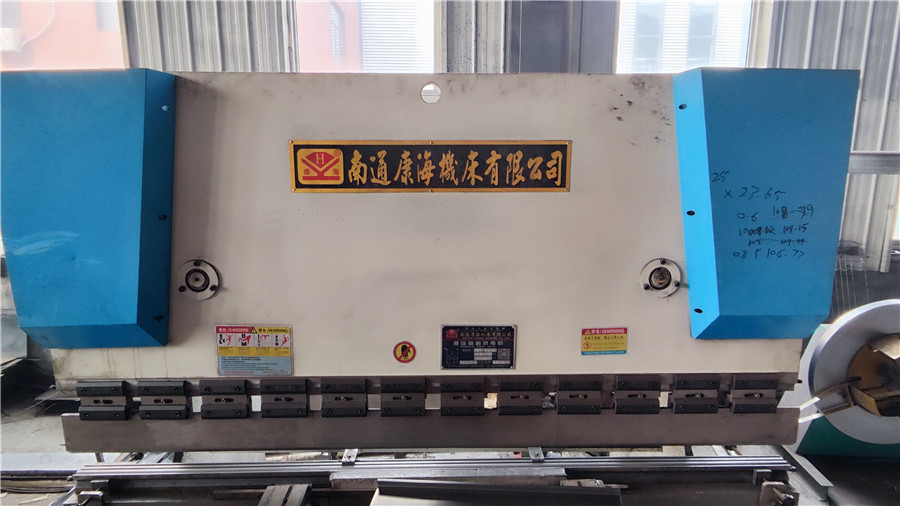
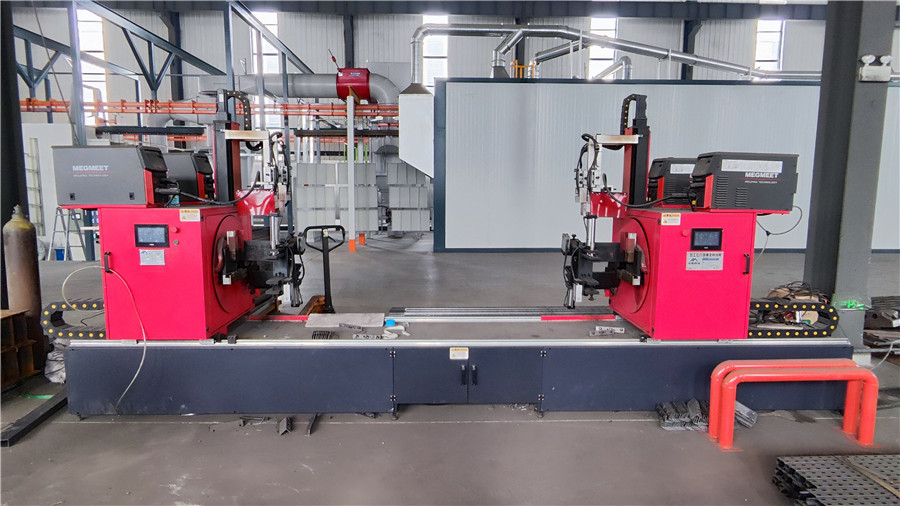
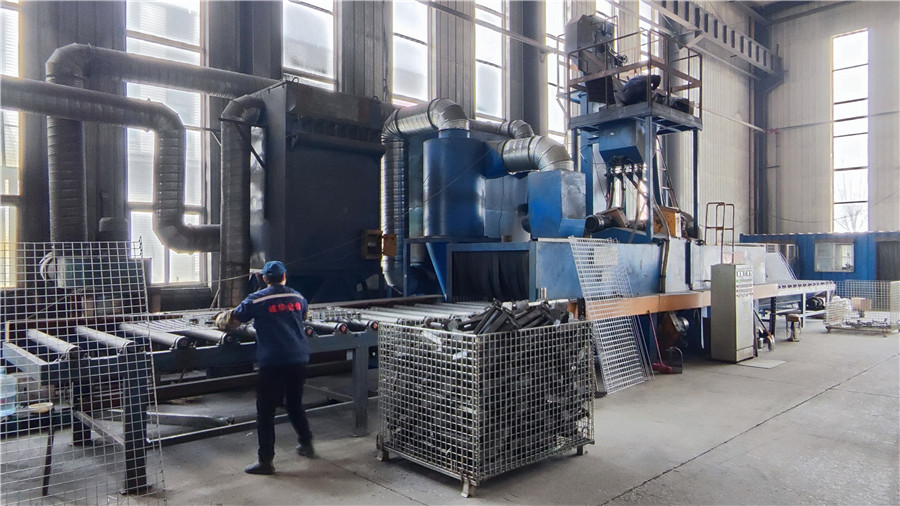
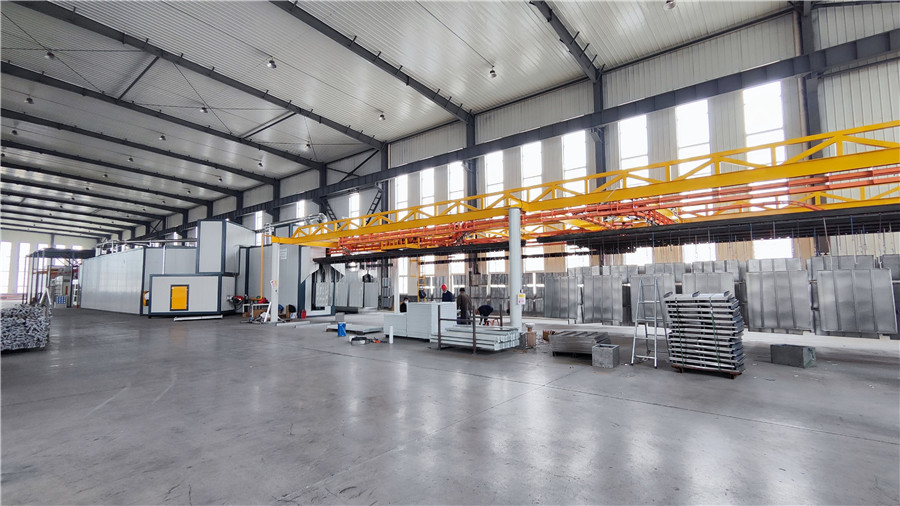
DirectRack's output is sustained by heavy-duty machinery configured for tight dimensional tolerances:
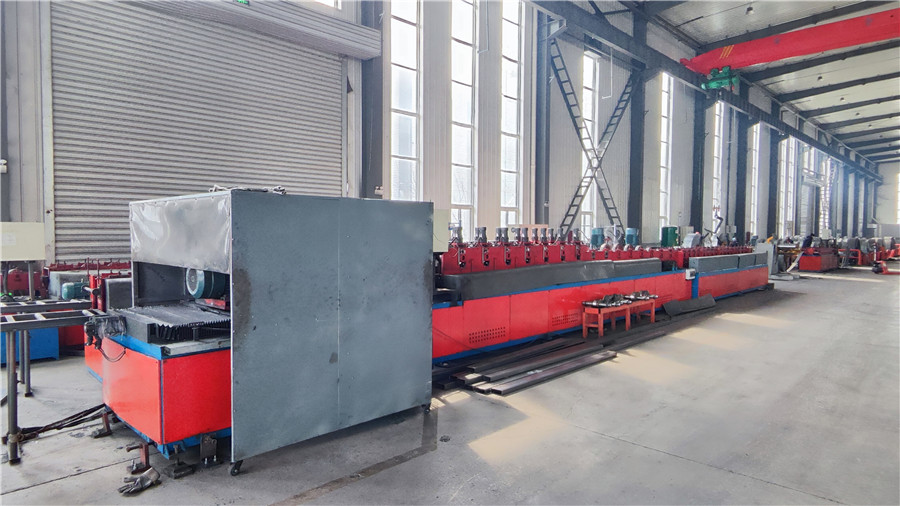
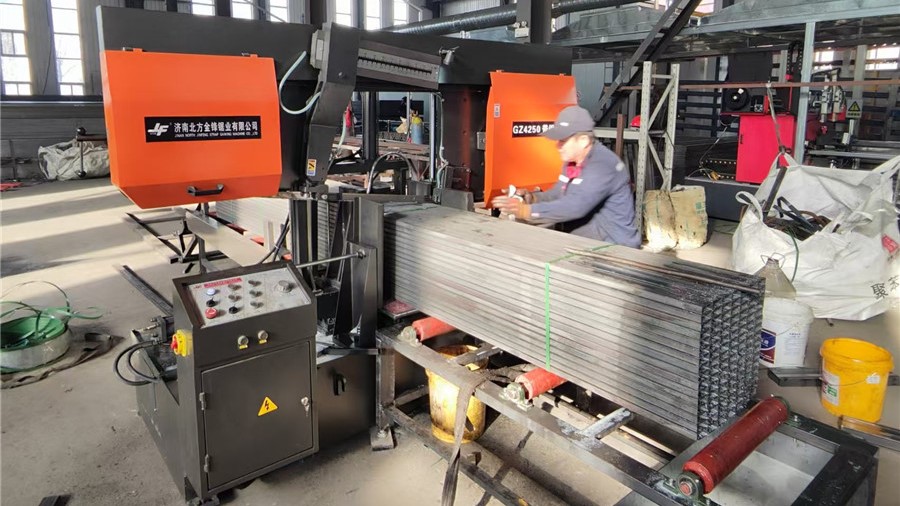
For corporate purchasing agents and warehouse directors in Germany, determining the **Total Cost of Ownership (TCO)** requires evaluating more than just the initial price. Long-term structural integrity, fast assembly mechanisms, and space efficiency are critical factors:
As the industrial sector transitions toward Logistics 4.0, storage structures must integrate with automated systems. We are seeing a significant shift from static shelving toward setups that accommodate **Autonomous Mobile Robots (AMRs)**. This integration requires high structural tolerances, level flooring alignments, and durable guide tracks.
Sustainability has also become a priority for German businesses. DirectRack addresses this by using zero-VOC powder-coating lines and steel alloy compositions that are 100% recyclable, helping logistics operators meet their carbon reduction targets.
 DirectRack