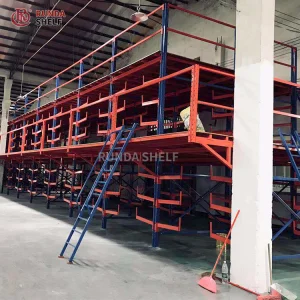
Engineered for maximum durability, ease of navigation, and theft prevention across Sydney CBD and suburban retail hubs.
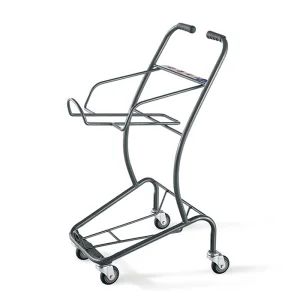
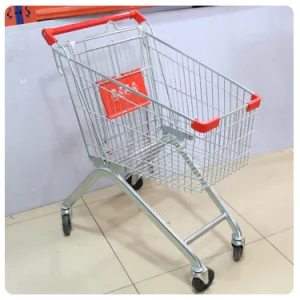
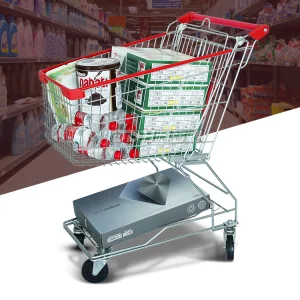
The retail landscape of Sydney, spanning from high-density metropolitan zones like the CBD, Chatswood, and Parramatta to expansive logistics corridors in Western Sydney, is undergoing a profound structural shift. Driven by shifting consumer demographics, rapid urban consolidation, and a heightened emphasis on operational sustainability, commercial enterprises require shopping trolleys and display assets that are not merely vessels for goods, but engineered systems that optimize space, ensure customer safety, and minimize lifecycle costs.
In New South Wales, major supermarkets, high-capacity wholesalers, and independent grocery groups face unique localized challenges. High urban rent makes floor space optimization paramount, driving demand for nestable, space-saving trolley designs. Simultaneously, coastal environmental conditions present severe corrosive challenges. Sydney’s proximity to marine air requires hardware with highly resilient surface finishes to prevent premature oxidation and structural failure.
"For Sydney retailers, the cost of trolley replacement and fleet maintenance is directly tied to engineering specifications. Investing in corrosion-resistant coatings, high-durability castors, and intelligent security locks is not an expense—it is a critical strategy for protecting bottom-line margins."
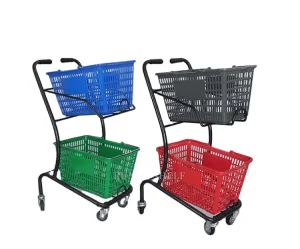
Sydney’s micro-retail formats, such as boutique supermarkets in Darlinghurst or express outlets in Town Hall, require specialized, compact trolley fleets. These locations benefit from highly maneuverable hybrid structures that combine plastic baskets with structural steel chassis, minimizing structural weight while maximizing turning efficiency in tight aisles. Conversely, larger format warehouses in Penrith or Liverpool require heavy-duty metal wire trolleys with load ratings exceeding 150kg to accommodate bulk FMCG volume.
Sourcing fleets from overseas manufacturing hubs requires deep vetting of factory qualifications, scale, and compliance mechanisms. Direct Procurement Directors look for vertical integration in manufacturing—factories that control the process from raw steel wire straight through to injection molding, welding, and surface treatment. Vetting mechanisms rely heavily on E-E-A-T indicators: documented testing regimes, structured quality control teams, and adherence to international certifications.
Founded in 2016, Dongguan Dingguan Metal Products Co., Ltd. (DirectRack) represents the gold standard of direct-factory engineering. Located in Dongguan, Guangdong Province—the world's hub of advanced industrial manufacturing—DirectRack operates out of a state-of-the-art 25,000 square meter facility. Backed by a decade of deep industrial expertise and eight years of global export compliance, DirectRack maintains an annual export volume exceeding $18 million USD.
The company’s R&D center, staffed by 35 senior structural and mechanical engineers, launched 42 new designs last year alone, focusing on high-density polymer baskets, anti-drift caster tracks, and heavy-duty structural shelving. Under strict quality governance, our team of 28 dedicated quality control inspectors operates a multi-layered verification framework. This ensures that every component shipped to Sydney or international destinations is structurally verified.
From raw grade-A steel to automated electrostatic spray molding: explore how we build high-durability commercial equipment.
Our facility is designed around a continuous-flow production system. Raw steel is drawn, precision-bent under CNC supervision, and assembled using automatic multi-point mash welding. Following construction, metal parts undergo shot-blasting to eliminate surface scale and ensure optimal powder adhesion. Finally, electrostatic powder spray molding or chrome plating is applied, creating a non-porous barrier that shields against humidity, coastal salt air, and heavy impact.
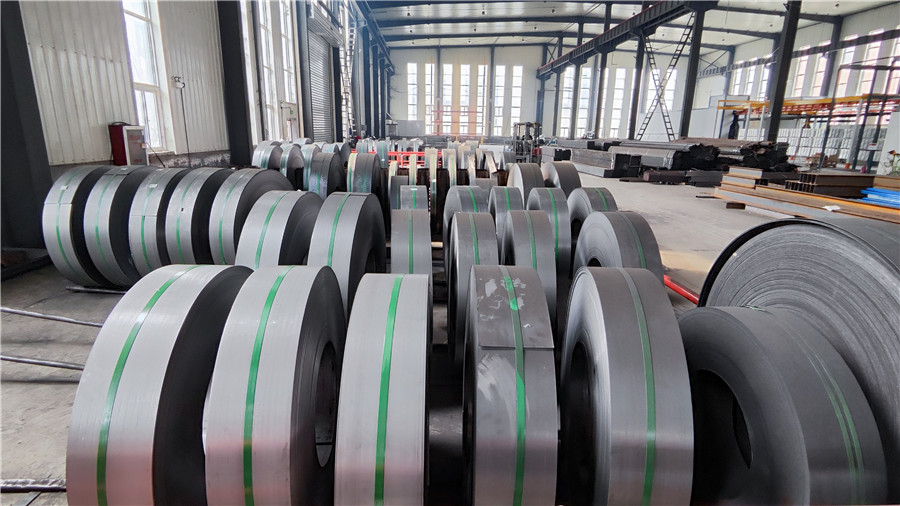
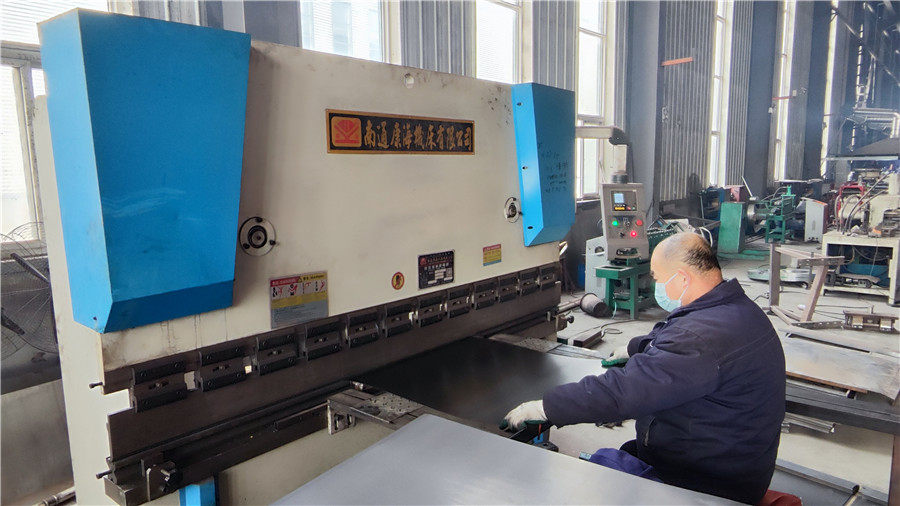
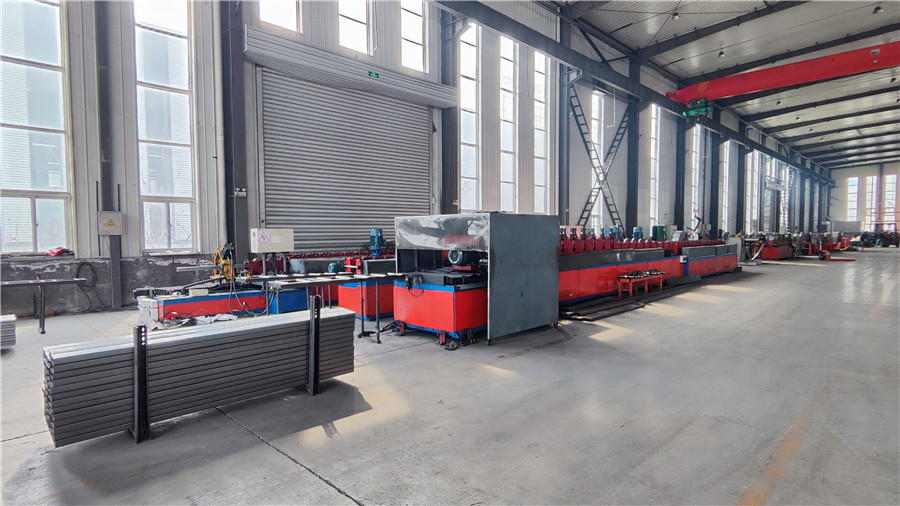
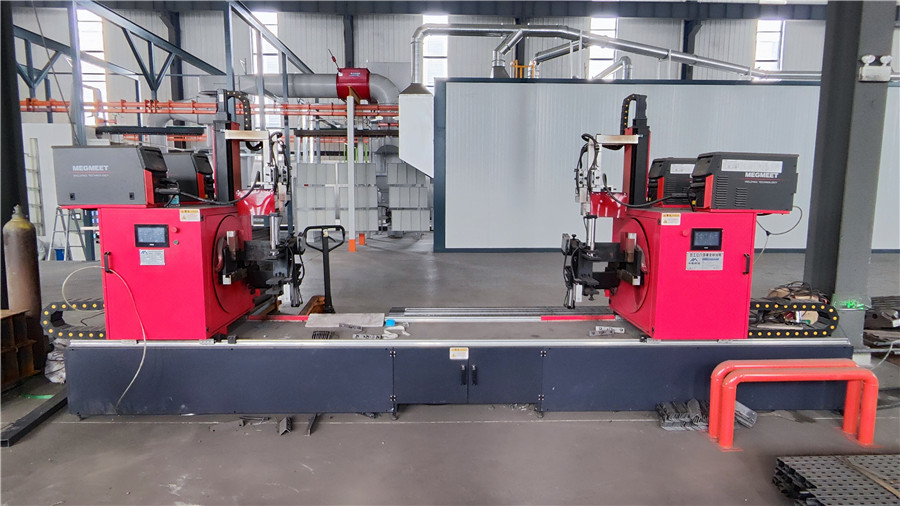
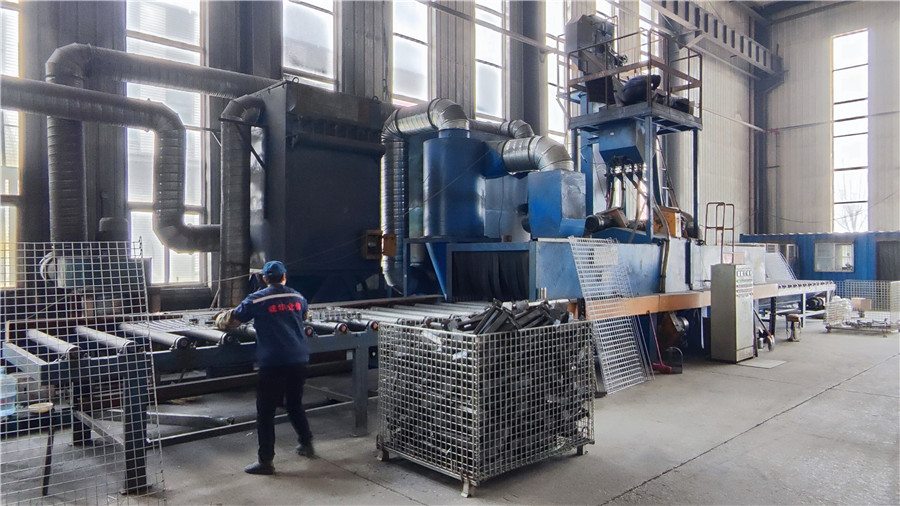
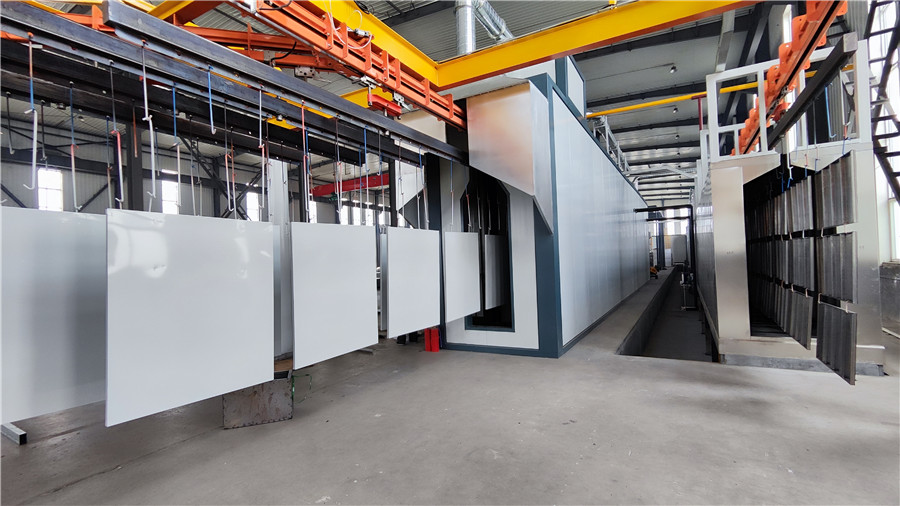
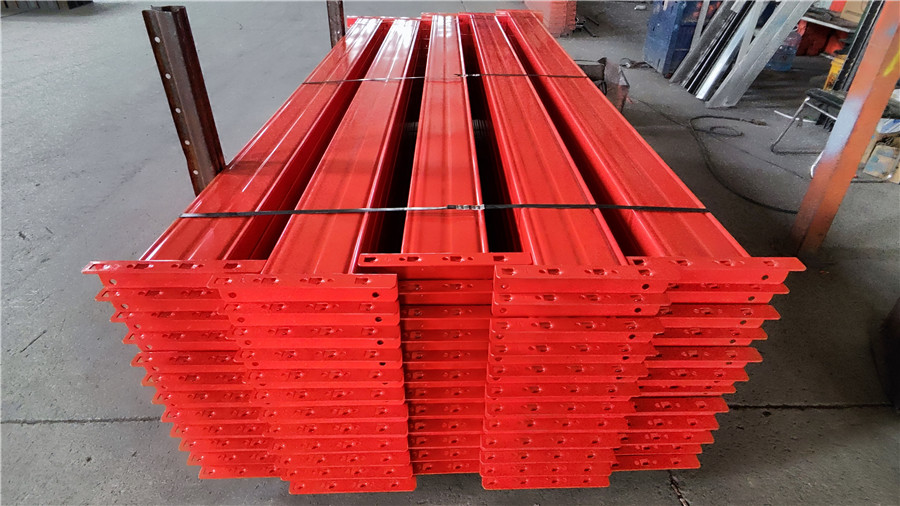
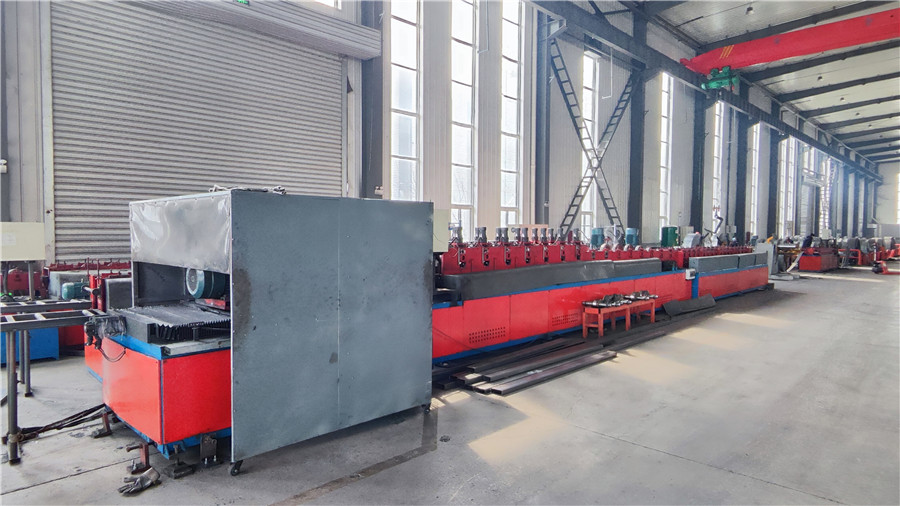
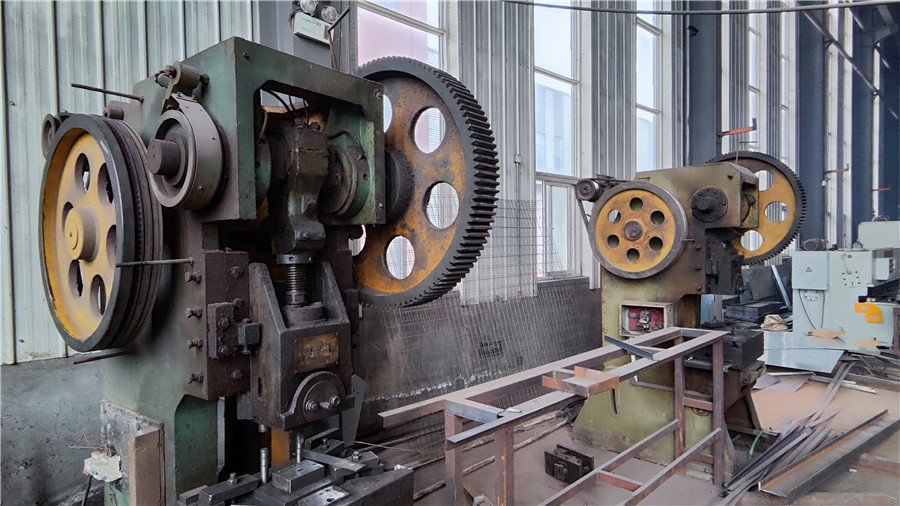
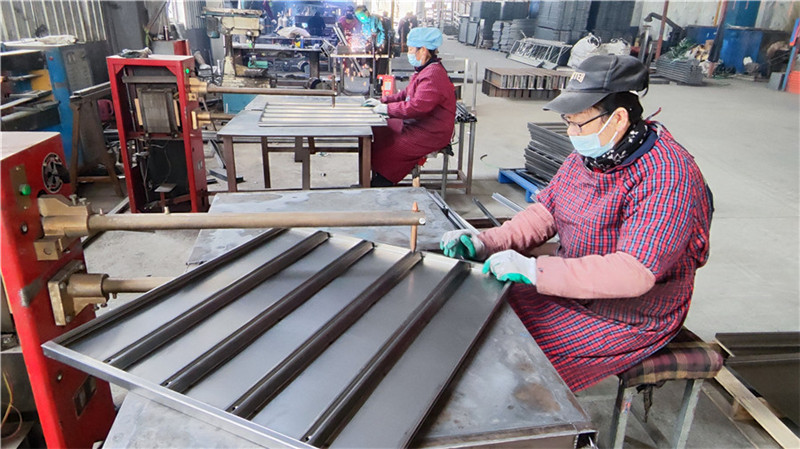
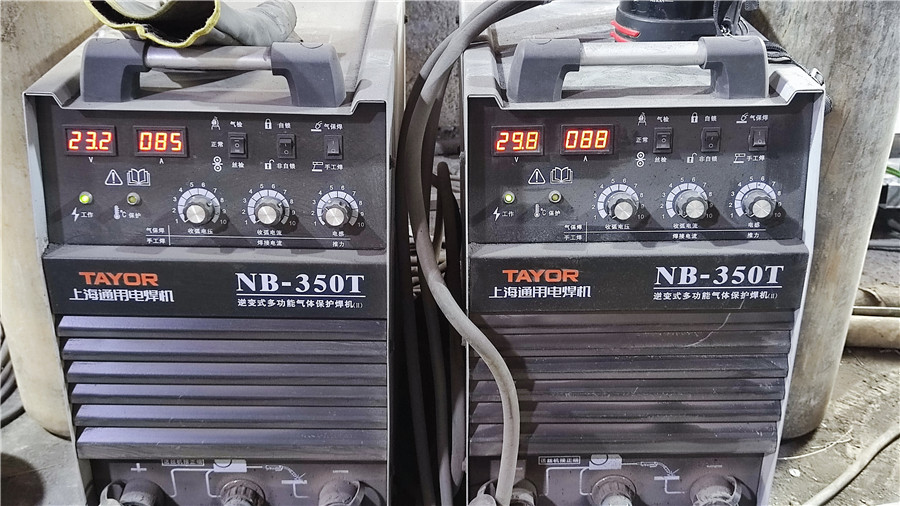
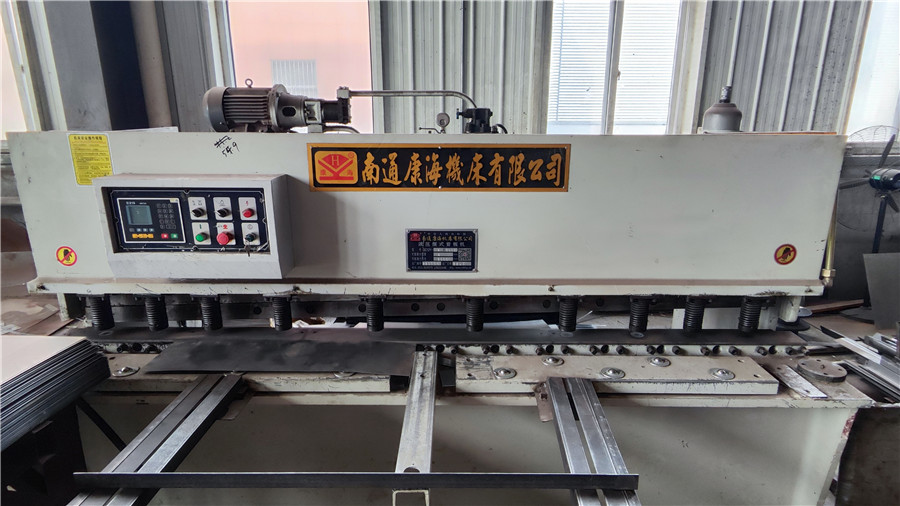
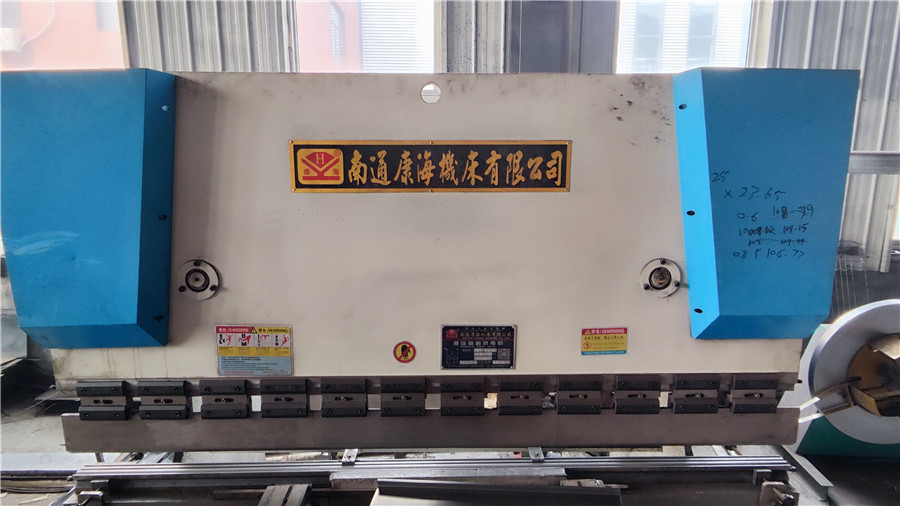
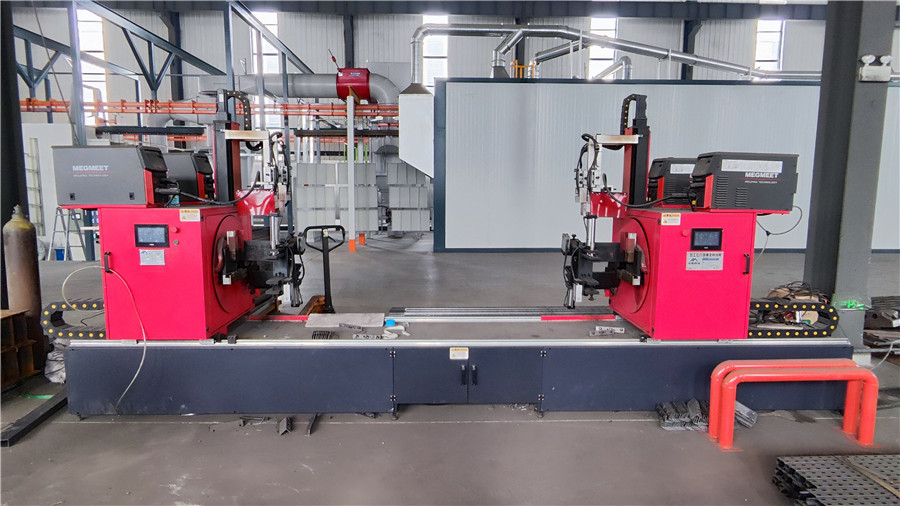
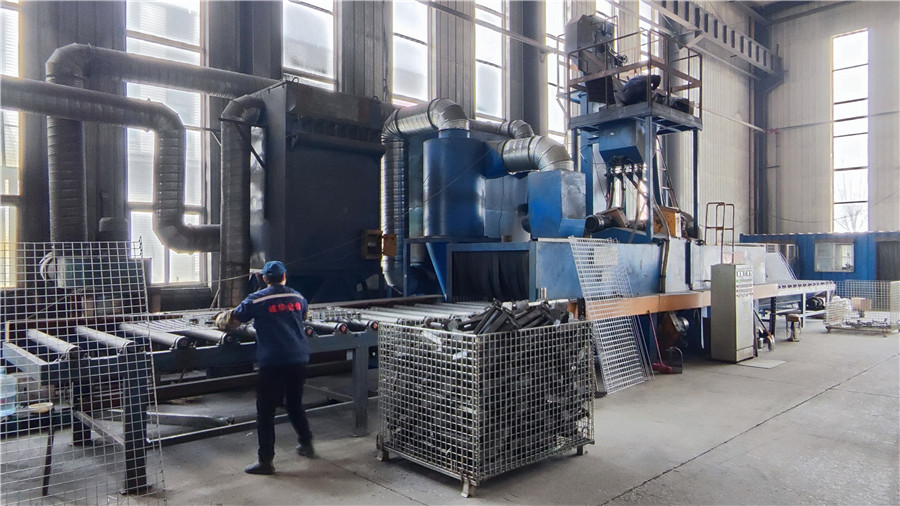
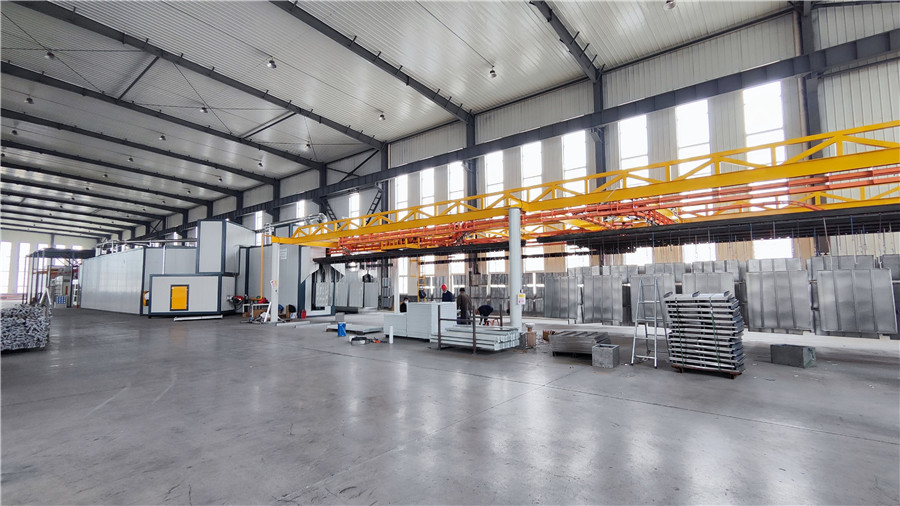
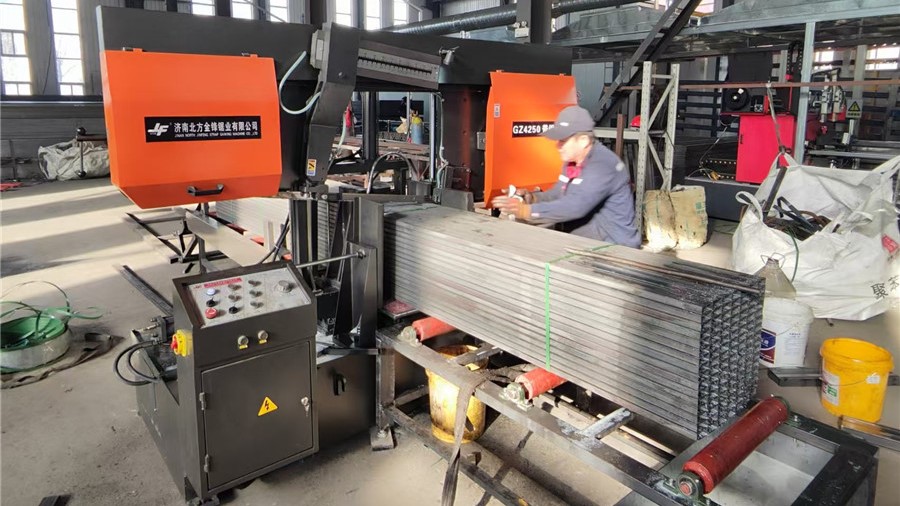
Operating within Australia, particularly in New South Wales, requires strict adherence to local consumer safety legislation and structural standards. At DirectRack, our engineering and quality assurance processes align with local requirements. Our products are designed to meet Australian structural racking and commercial trolley considerations, drawing on global best practices, including AS4084 steel storage parameters and OSHA safety controls.
To achieve zero-defect delivery, DirectRack employs a comprehensive inspection routine. Every batch of metal products undergoes rigorous evaluation:
"Australian retailers cannot afford the risk of trolley failures or structural collapse. DirectRack's multi-layered quality control framework guarantees that each unit delivers reliable field performance."
Sydney commercial properties are highly integrated. To minimize trolley loss and cart abandonment, our trolleys support smart coin-lock systems compatible with Australian $1 and $2 coins. Wheel and castor systems utilize high-grade polyurethane or TPR with double ball bearings and thread guards, reducing rolling noise, minimizing physical effort for shoppers, and ensuring stable tracking on moving travelators in multi-level retail complexes.
The future of retail logistics is digitized and automated. As Sydney's tier-one supermarket chains and fulfillment hubs adopt smart store technologies, shopping trolley hardware must evolve to match. DirectRack's R&D roadmap is focused on three primary areas:
Fleet tracking is critical for large-scale operations. Our next-generation trolley frames are designed with integrated mounting points for RFID tags, BLE (Bluetooth Low Energy) beacons, and GPS tracking hardware. This allows operations managers to monitor trolley location in real-time, analyze pathing data through aisles to optimize layout, and set up geofencing boundaries to reduce fleet loss.
With the growth of self-checkout and scanning systems, modern trolleys require built-in device cradles and scanning holster locations. Our latest hybrid polymer-metal designs feature ergonomic layouts that hold consumer tablets and scanner devices securely, improving the shopping experience.
Aligning with Australia’s net-zero carbon goals, we are actively increasing the use of recycled Ocean Plastics (PP) in our hybrid trolley baskets. Combined with 100% recyclable structural steel, this ensures that Sydney retailers can meet environmental targets without compromising on unit durability.
Important information for procurement managers sourcing commercial equipment for Sydney and international operations.
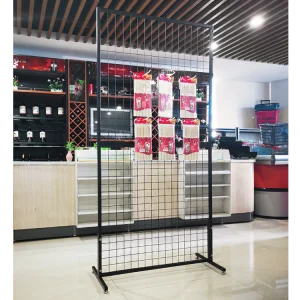
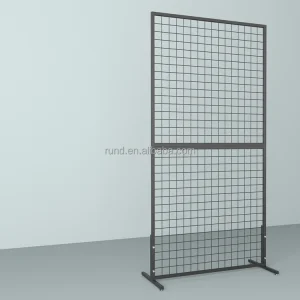
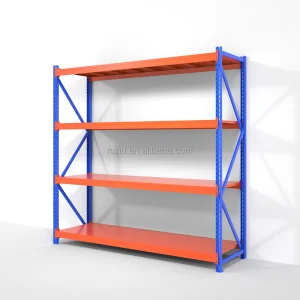
Explore our structural pallet racking, heavy-duty shelving, and commercial display systems designed to maximize space efficiency.
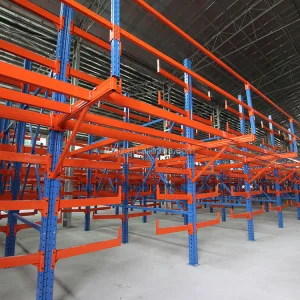
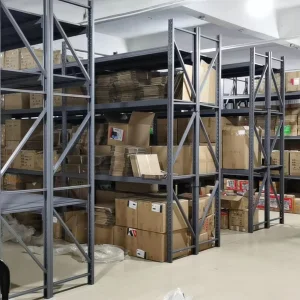
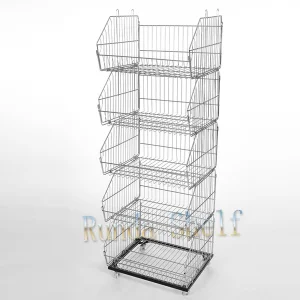
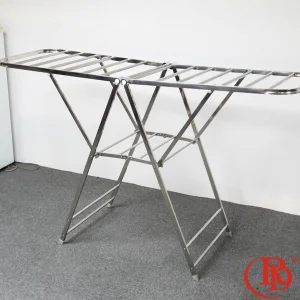
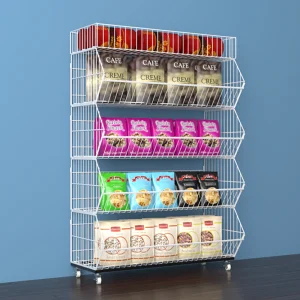
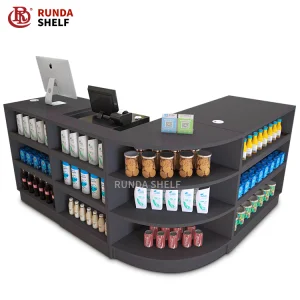
We maintain comprehensive manufacturing programs for heavy-duty retail shelving and modular check-out solutions.
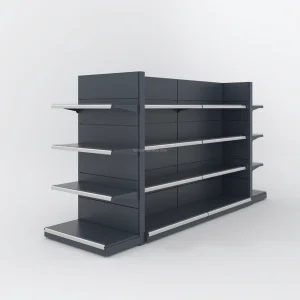
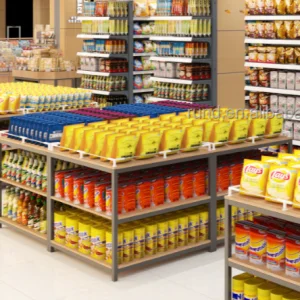
 DirectRack